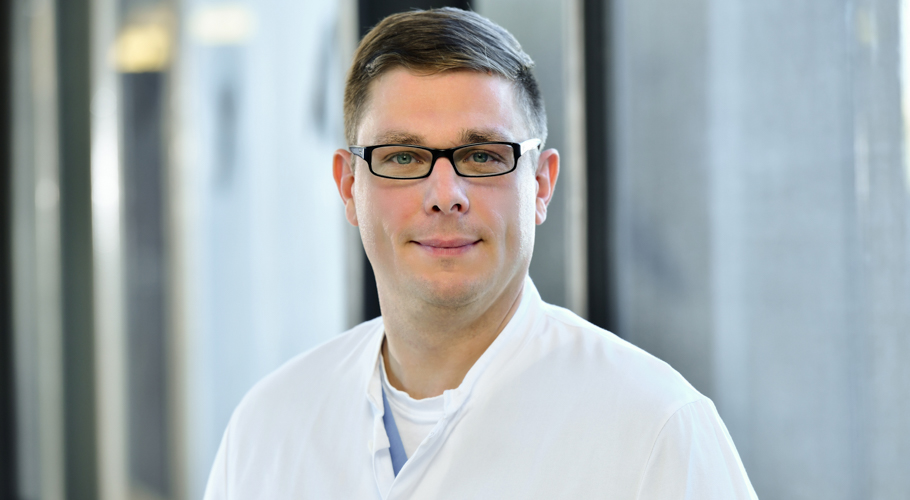
Prof. Dr. med. Benjamin Heidrich working group
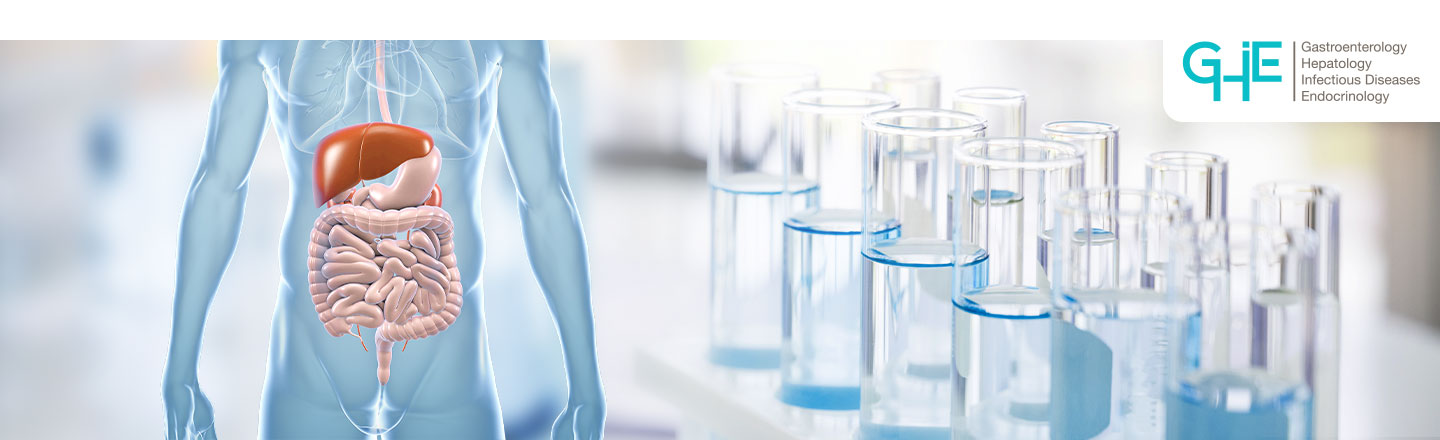
Humans are colonized by a multitude of bacteria, fungi and viruses - the so-called "human microbiome". In the digestive tract, the complexity of the microbiome increases continuously from the mouth to the rectum. Intensive research efforts in recent years have made it clear that the intestinal microbiome in particular plays a major role in health, whereby an unbalanced, unstable microbiome is suspected of causing and/or promoting epidemic common diseases such as diabetes or fatty liver disease, but also rarer diseases such as chronic inflammatory bowel disease. Furthermore, the microbiome acts as a placeholder and keeps pathogenic bacteria away, thereby minimizing infections.
We use next- and third-generation sequencing methods (-"omics") to decipher these complex communities of microorganisms in our body. Through our translational set-up with a focus in the Clinical Department of Gastroenterology, Hepatology and Endocrinology on the one hand and a focus in the Institute of Medical Microbiology and Hospital Hygiene on the other, we want to better understand the role of the microbiome in gastrointestinal diseases in order to improve diagnostics and therapy in the long term.
Together with the AG Vital from the Institute of Medical Microbiology and Hospital Hygiene, we have launched the "Translational Gastrointestinal Microbiome Research" initiative.
Further information
The clinical focus of our research is on the biliary microbiome and its role in diseases of the biliary tract. For a long time, the biliary tract was considered a sterile niche in the human body. However, thanks to modern sequencing capabilities, we know that the biliary tract also contains a complex community of microorganisms that can have an impact on biliary tract diseases. We hope that our research will improve the care of patients with primary and secondary sclerosing cholangitis (PSC and SSC) as well as patients with ischemic type biliary lesion (ITBL) after liver transplantation. However, our work also focuses on common diseases such as choledocholithiasis and cholecystolithiasis.
- Cluster of Excellence RESIST
- DZIF
- IFB Tx
- PRESENt | TRAIN (translationsallianz.de)
- Young Academy Junior Researcher Support Program of the Hannover Medical School
- HiLF I
Our working group
- Friederike Klein, Dr. med. (medical physician)
- Anna-Lena Weber, Dr. med. (medical physician)
- Freya Wellhöner, Dr. med. (medical physician)
- Anika Freise, Dr. rer. nat.
- Franziska Wölfl (PhD student)
- Helin Fatma Abdullah (medical student)
- Björn Grobe (medical student)
- Kilian Forster (medical student)
- Meike Schulz (medical student)
- Katharina Finger (Study Nurse)
- Janina Kirschner (Study Nurse)
- Thorsten Book, Dr. med. (physician)
- Gunnar Lewon Lutterkort, Dr. med. (physician)
- Nico Döscher (physician)
- Kirti Shukla, Dr. rer. nat. (PostDoc)
- Olesya Unruh (Study Nurse)