Prof. Dr. med. Michael Ott / PD Dr. med. Asha Balakrishnan, Ph.D. working group
The liver is the focus of our research group's work. Using cell and gene therapy methods, we are developing modern therapeutic procedures for diseases that are still inadequately treatable today. We would like to give you an insight into the current scientific topics of our research group. You will find our laboratory in the Hans Borst Center (J11) on the campus of Hannover Medical School.
As the body's central metabolic organ, the liver produces a large number of proteins that act as enzymes, transport proteins or messenger substances in the organ cells or are released into the blood. Given the large number of metabolic pathways in the liver, it is not surprising that errors (mutations) can repeatedly occur in the DNA that codes for these proteins, which in turn lead to diseases that are difficult to treat. Many of these diseases can be treated by liver transplantation, which is a successful treatment option, particularly for children with congenital metabolic diseases. We have researched and clinically tested therapy with healthy cells as a less stressful therapeutic alternative. Liver cells (hepatocytes) are prepared in the laboratory and infused into the portal vein of diseased patients. Some of these hepatocytes integrate into the recipient liver and can compensate for the defective metabolic pathway. An even more precise approach is the direct transfer or repair of the gene affected by a mutation. Numerous clinical studies are currently investigating the transfer of "healthy" genes using viral vectors that are taken up by the cells and produce the defective or missing protein. Our working group is also involved in a Europe-wide initiative to treat a genetic disorder of bilirubin metabolism, Crigler-Najjar syndrome.
In our current research work, we are focusing on 3rd generation gene therapy concepts aimed at repairing genes. The CRISPR-Cas system has been available as a molecular tool for this purpose for several years. The CAS enzyme together with so-called guideRNAs cuts the DNA at specific sites in the genome of the target cell, which can then be repaired by homologous recombination with a "healthy" DNA sequence. A recently published study demonstrated the correction of the rare metabolic disease tyrosinemia in experimental animals by injecting adeno-associated viruses (AAV) as a vehicle for CRISPR-Cas9. Various variants of the Cas enzyme with new properties were also produced, which are being researched in our laboratory with a view to further therapeutic approaches.
In close cooperation with the research group of Prof. Dr. rer. nat. AD Sharma, we are researching new therapeutic procedures for the scarred liver. The condition of the liver known as fibrosis or cirrhosis, which can be caused by chronic viral diseases, non-alcoholic fatty degeneration of the liver with inflammation (NASH), chronic intoxication, for example from alcohol, or autoimmune diseases, can hardly be treated today and leads to metabolic failure of the liver if it progresses. We were able to show for the first time in a mouse model that a transformation of activated hepatic stellate cells, which are mainly responsible for scarring, into hepatocytes was able to reduce fibrosis.
Another key focus of our research is in the field of liver cancer. Many liver diseases, including liver disease states with advanced liver fibrosis and then cirrhosis, may eventually progress to liver cancer. Liver cancer is currently the third leading cause of cancer-related deaths worldwide, and poses a major global health and economic burden. Hepatocellular carcinoma (HCC) comprises 85% - 90% of primary liver cancers. Although there have been recent breakthroughs in HCC treatment, novel and more effective therapies are still urgently needed. PD Dr. Asha Balakrishnan, Ph.D. and her group use interdisciplinary approaches to understand the molecular complexities of liver cancer development, progression, and regression. They study how small non-coding RNAs such as microRNAs affect genes and cancer metabolism during liver tumor development. They investigate novel therapeutic concepts in different in vitro, organoids, and small animal model systems to identify effective therapeutic targets for this largely intractable cancer.
Research areas
- Development of new therapies based on CRISPR technologies for inborn errors of metabolism
- Clinical development of liver cell therapies
- Development of therapeutic approaches for the treatment of liver cirrhosis through cellular reprogramming and mRNA-mediated transcription factor expression.
- Development of chimeric livers as transplantation organs
- Interactions between signaling pathways, metabolic pathways and small RNAs in HCC for the development of new therapeutic strategies.
Our working group
Head of the working group
Prof. Dr. med. Michael Ott
Hannover Medical School OE 6810
Carl-Neuberg-Str. 1
30625 Hannover
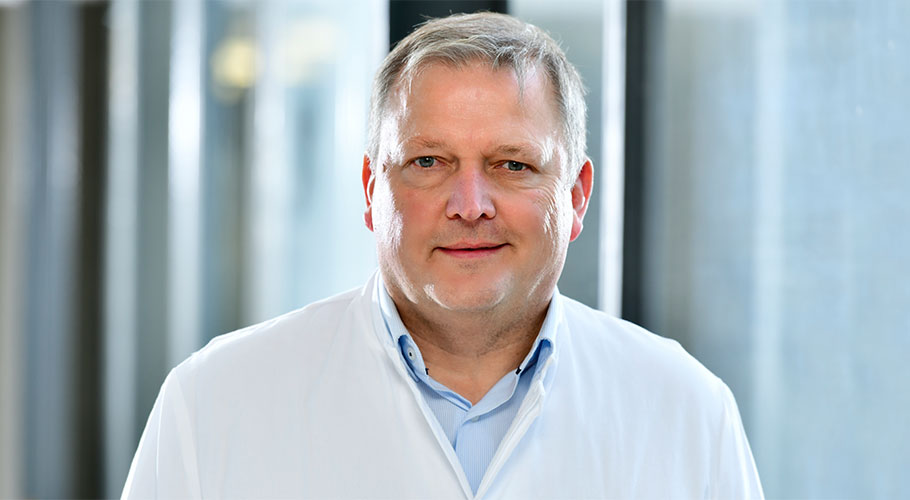
PD Dr. Asha Balakrishnan, Ph.D.
Hannover Medical School OE 6810
Carl-Neuberg-Str. 1
30625 Hannover
balakrishnan.asha@mh-hannover.de