
Omega-6 to omega-3 fatty acids
It's the ratio that counts!
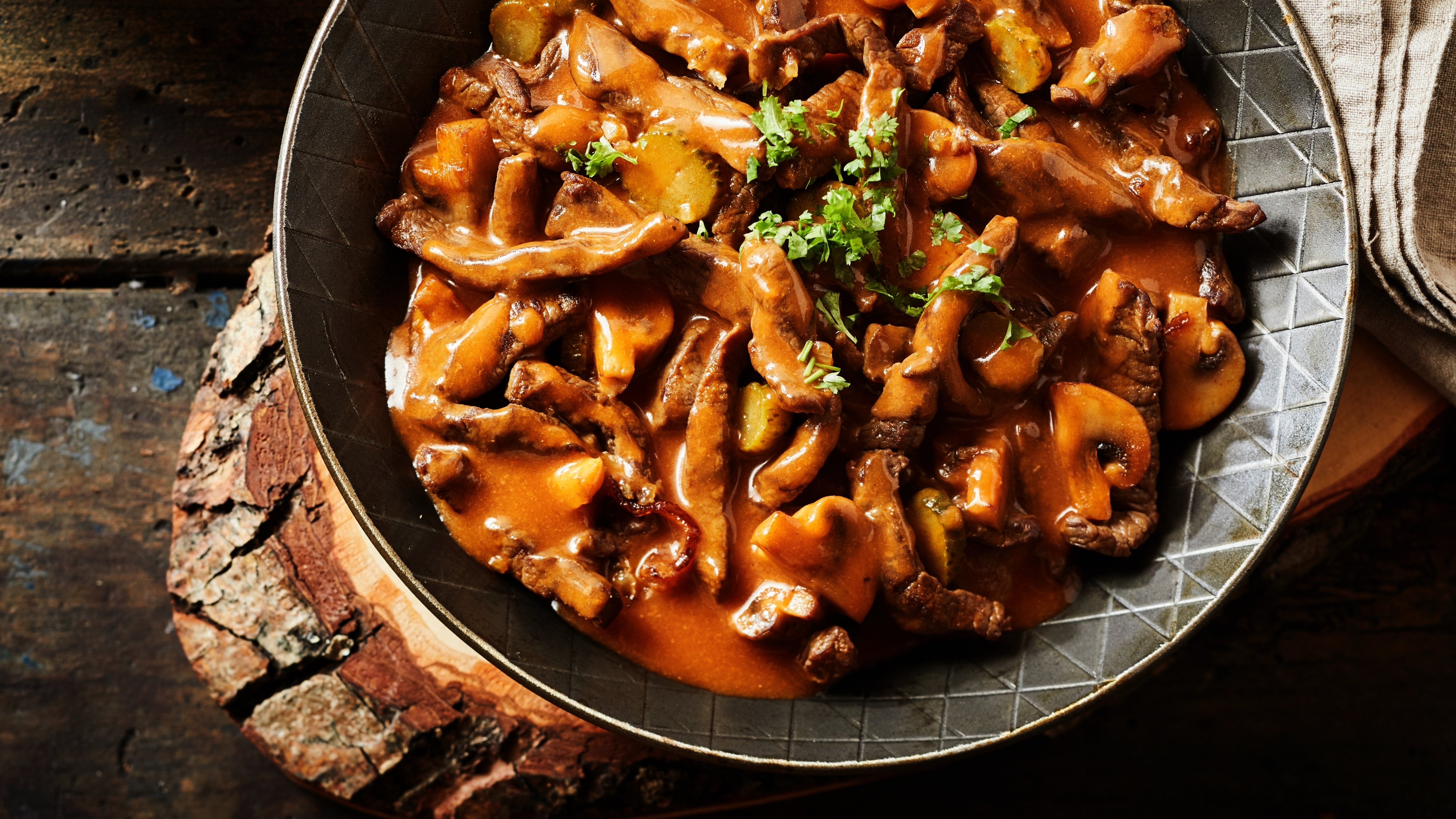
Omega-6 and omega-3 fatty acids are polyunsaturated fatty acids and essential for our body. This means that we need to get them from our diet. The pork in our dish today is a source of omega-6 fatty acids. It is important for us that these two fatty acids are eaten in the right ratio, namely 5:1, as then optimal metabolism is possible. The omega-6 fatty acids should be five times more abundant than the omega-3 fatty acids. To ensure the right ratio, the MHH chefs gently fry the sliced meat in omega-3-rich rapeseed oil. This has a positive effect on the body's cell membrane function, the flow properties of the blood and blood lipid levels.
Hungry for more - click here for the science
Adequate fluid intake
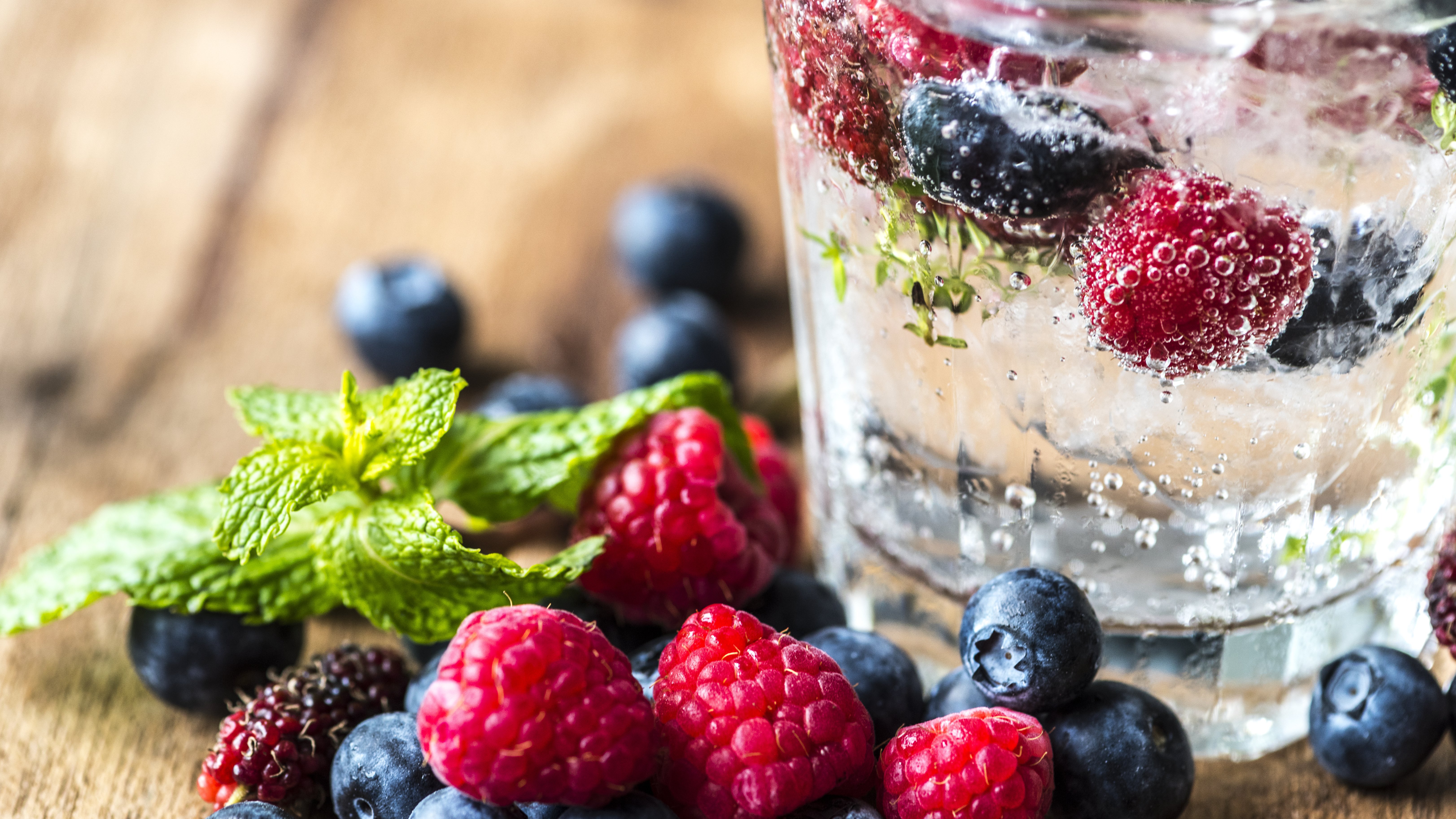
Make sure you drink enough every day. Fluid requirements are individual, but general recommendations are 1.5-2 liters a day, ideally with calorie-free drinks. This includes home-brewed teas, mineral water and coffee, etc. Our body needs fluids not only for a functioning metabolism and the flow properties of the blood, but also for the digestion of a high-fiber diet with lots of whole grain products, fruit and vegetables. Fiber binds water and swells up so that it can properly develop its satiating and digestive effect. Without this swelling fluid, constipation or abdominal pain can occur.
Did you know?
There are drinking water dispensers in the Canteen of the MHH where you can refill your glass with fresh table water again and again.
Hungry for more - click here for science
Nutrient density
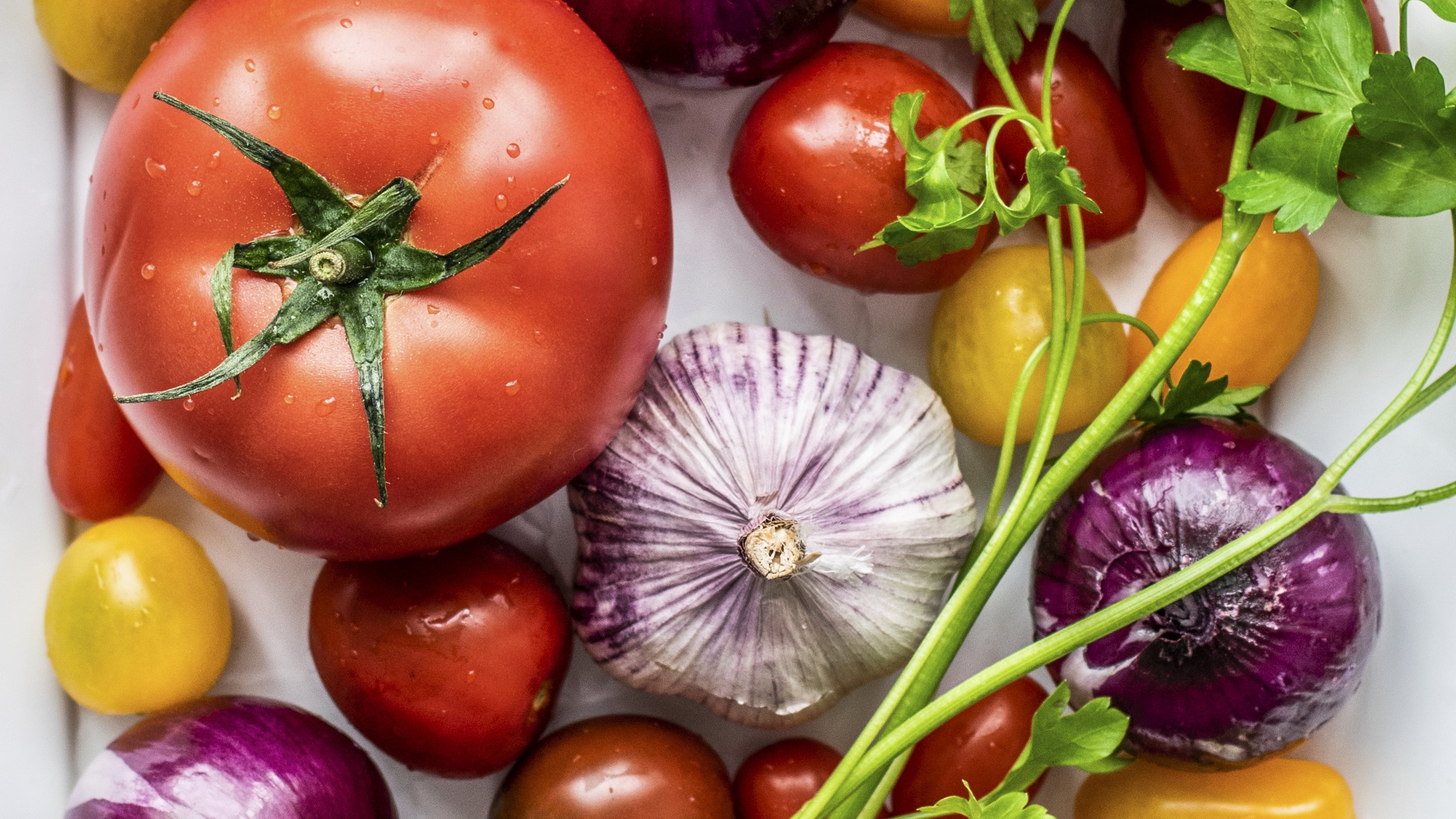
The nutrient density of a food describes the ratio of the nutrients it contains in relation to its energy content. A high water content in vegetables ensures a low calorie intake with a filling volume. At the same time, vegetables provide an extra portion of vitamins and minerals. This provides an optimal source of antioxidants to keep you young and fit, making the "colorful vegetable plate" the perfect meal to provide your body with many important nutrients and thus promote your own health.
Hungry for more - click here for the science
Omega-9 fatty acids
Today in rapeseed oil
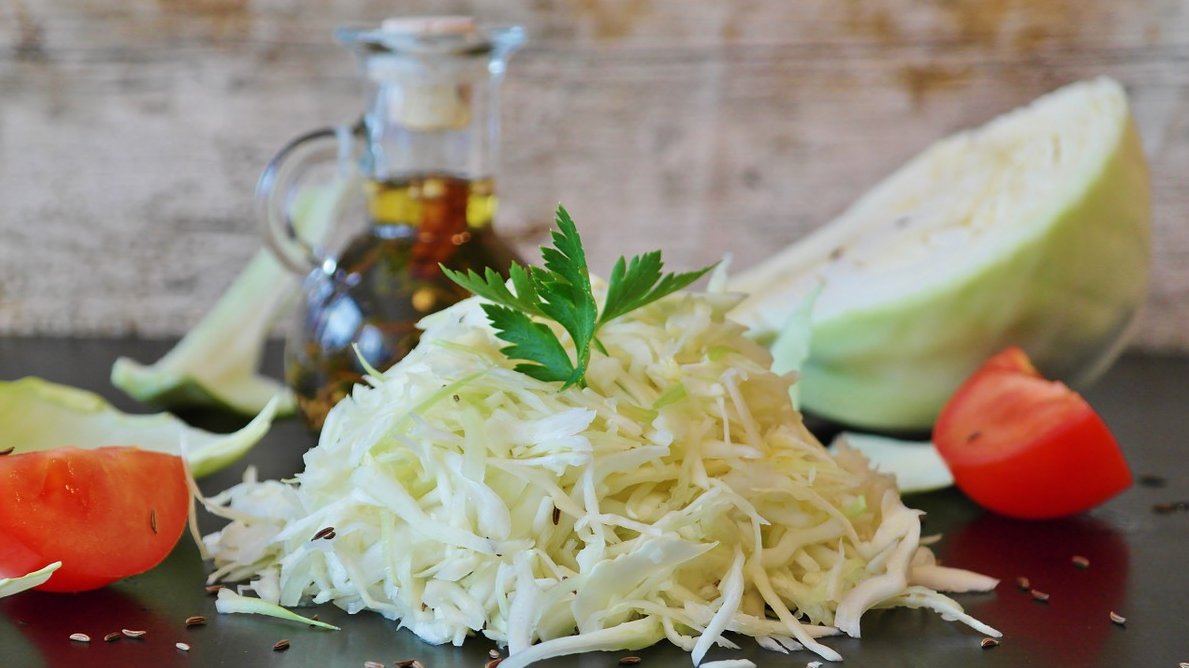
Rapeseed oil was used for the dressing of the white cabbage salad. This oil contains valuable unsaturated fatty acids (oleic acid: omega-9; linoleic acid: omega-6; alpha-linolenic acid: omega-3) in a balanced ratio. These help to lower cholesterol levels and have a positive influence on blood lipid levels. They are good for blood circulation and important for the function of nerve cells.
Did you know?
Olive oil has the same positive effects as rapeseed oil, is a good source of omega-9, contains many secondary plant substances and therefore has an anti-inflammatory effect. It can be found at our salad bar and is an integral part of Mediterranean cuisine.
Hungry for more - click here for the science
Plant proteins
Today in soy
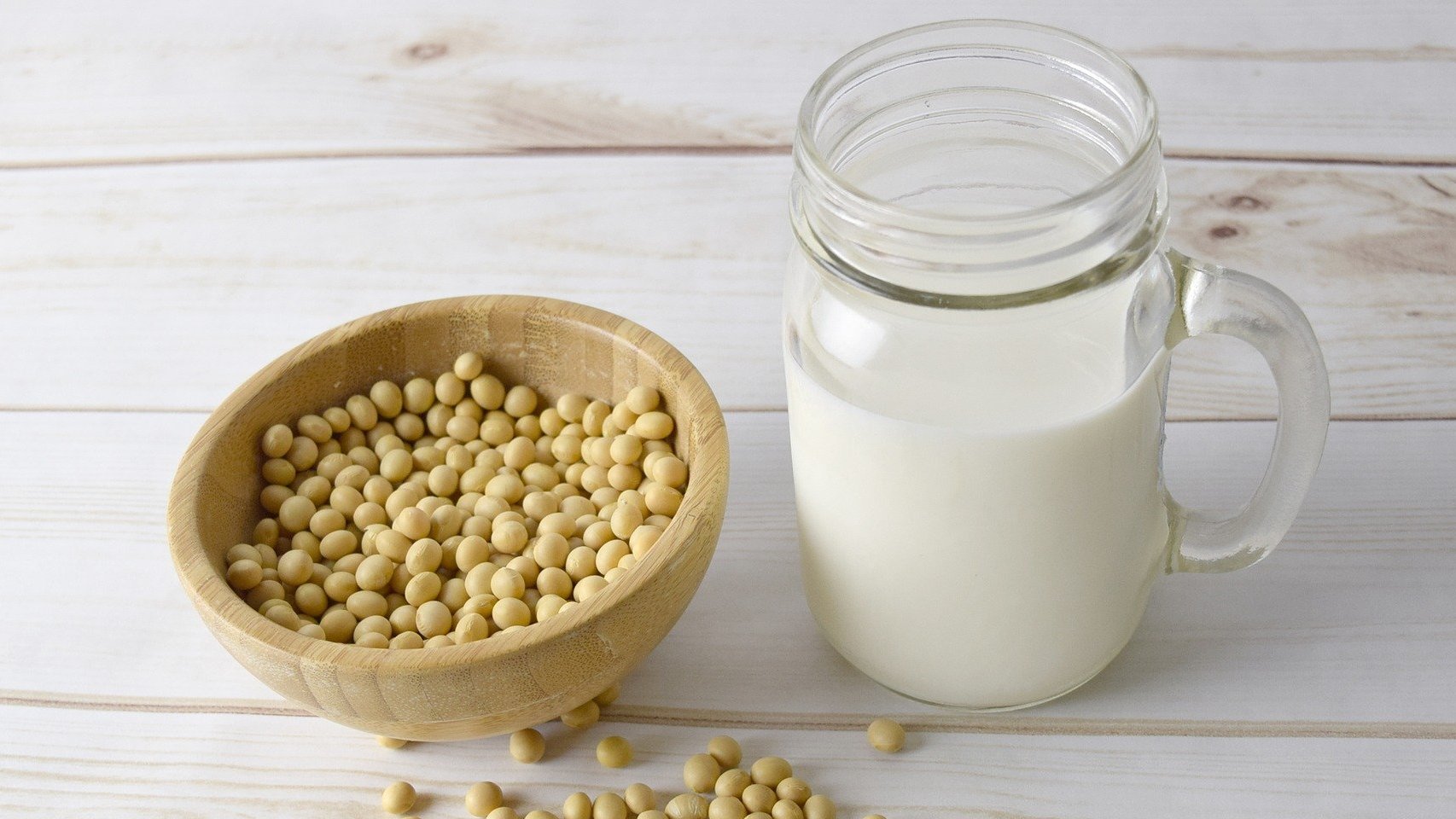
Soy is probably the most classic alternative to meat, and its high protein and fiber content can enhance more than just a vegetarian diet. Soy protein is of good quality due to the essential amino acids it contains and supports the body in maintaining or renewing its structures.
Hungry for more - click here for the science
Hungry for more - Click here for science
Omega-6 to omega-3 fatty acids
An Increase in the Omega-6/Omega-3 Fatty Acid Ratio Increases the Risk for Obesity
Sufficient fluid intakeNegative, Null and Beneficial Effects of Drinking Water on Energy Intake, Energy Expenditure, Fat Oxidation and Weight Change in Randomized Trials: A Qualitative Review
Nutrient densityImmune Function and Micronutrient Requirements Change over the Life Course
Omega-9 fatty acids: rapeseed oilMeal rich in rapeseed oil increases 24-h fat oxidation more than meal rich in palm oil
Plant proteinsSoybean Bioactive Peptides and Their Functional Properties