PhD Position available
"AI-assisted reconstruction of Fourier light field micro- and mesoscopy data for the quantitative investigation of brain functions’ biomedical processes"
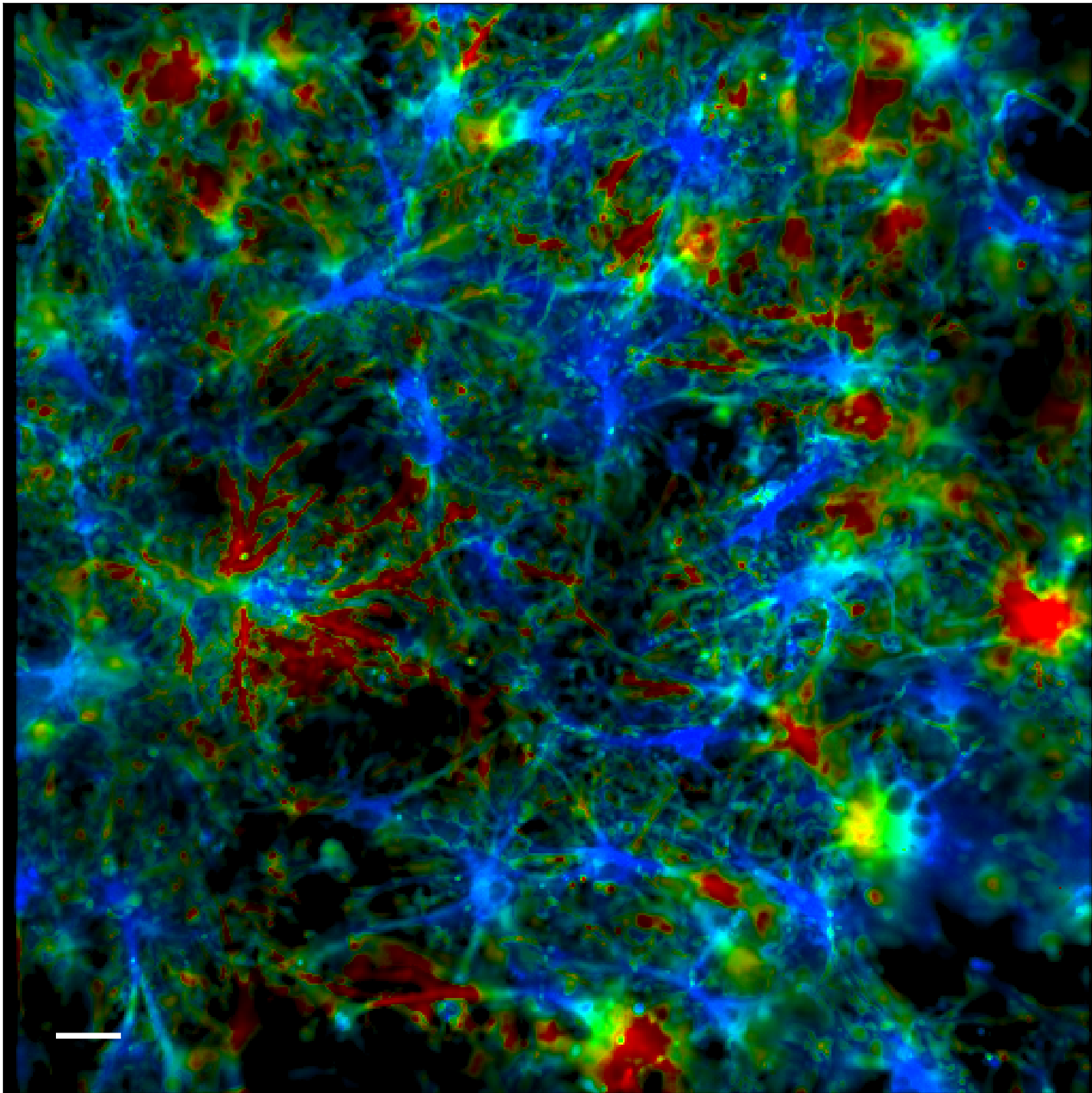
Project in brief: Understanding how the brain processes information—especially during learning—requires fast, quantitative functional imaging across scales. Conventional serial-scanning microscopy cannot capture rapid, volumetric dynamics at low photon counts. This PhD project aims to develop a photon-aware AI-driven framework for real-time 3D reconstruction and quantitative analysis of weak fluorescence signals (e.g., from Ca2+ indicators) from Fourier Light-Field Micro- and Mesoscopy (FLMM) raw data.
Master thesis available
Photophysical Characterization of Next-Generation Ca2+ Biosensors for Quantitative Astrocyte Imaging
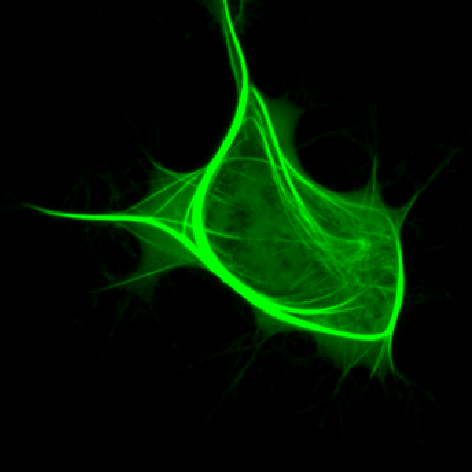
Ready to advance quantitative astrocyte imaging? Astrocytes orchestrate brain function through dynamic Ca2+ signals whose roles remain enigmatic-and they shift in neurological disease. We are developing next-generation quantitative Ca2+ biosensors (NEMO-V5-turboFP650 variants) to capture these signals with precision under low-light conditions. Join us to define their photophysical fingerprints and validate their performance in primary culture of mouse hippocampal astrocytes. Your work will enable high-fidelity functional imaging and open new avenues to study astrocyte microdomains, neuron-glia interactions, and ER-related Ca2+ dynamics. Be part of the discovery - this is your chance!
PhD positions available
studying GPCRs
in this project we want to study the agonist-independent activity of G Protein-Coupled Receptors.
Master thesis available
“Targeting the endoplasmic reticulum to shape astrocyte Ca2+ signaling”
Are you ready to delve into the fascinating world of Cellular Neurophysiology? Astrocytes are stellate glial cells of the central nervous system, which exhibit spontaneous fluctuations of calcium. This Ca2+ activity represents a special type of signaling, of unknown purpose. However, it is clear that this signaling is perturbed in various neurological diseases.
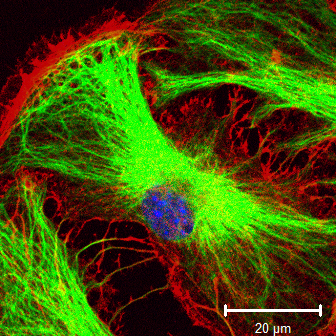
Pathologies are often accompanied by structural changes of the endoplasmic reticulum (ER), the main intracellular storage of Ca2+. We aim to find out how a perturbed ER affects astrocyte Ca2+ activity. And you can be part of it- this is your chance!
Master thesis available
"Advancing Quantitative Microscopy with Machine Learning"
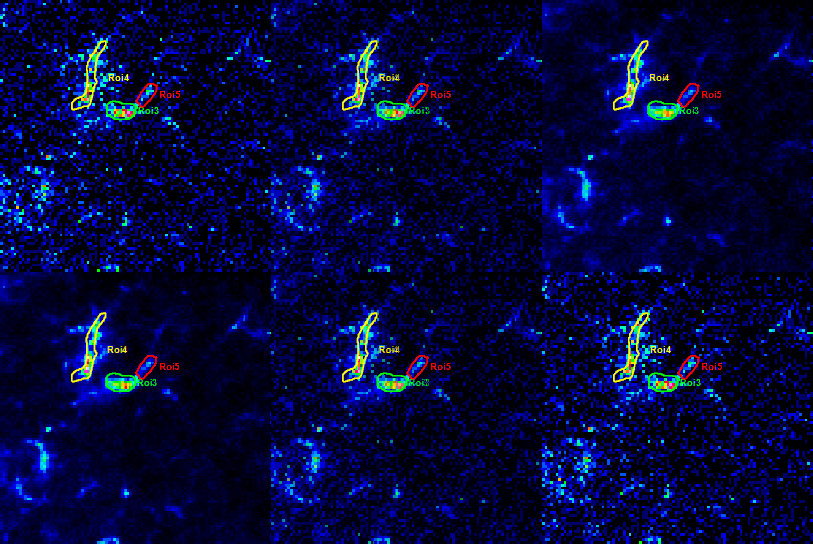
Machine learning (ML) techniques are revolutionizing biomedical microscopy, surpassing traditional image processing methods. At Hannover Medical School, we aim to push the boundaries of ML applications in quantitative microscopy. Specifically, we're focused on enhancing and expanding ML-based denoising approaches for robust quantitative analysis.
Interested?!
General
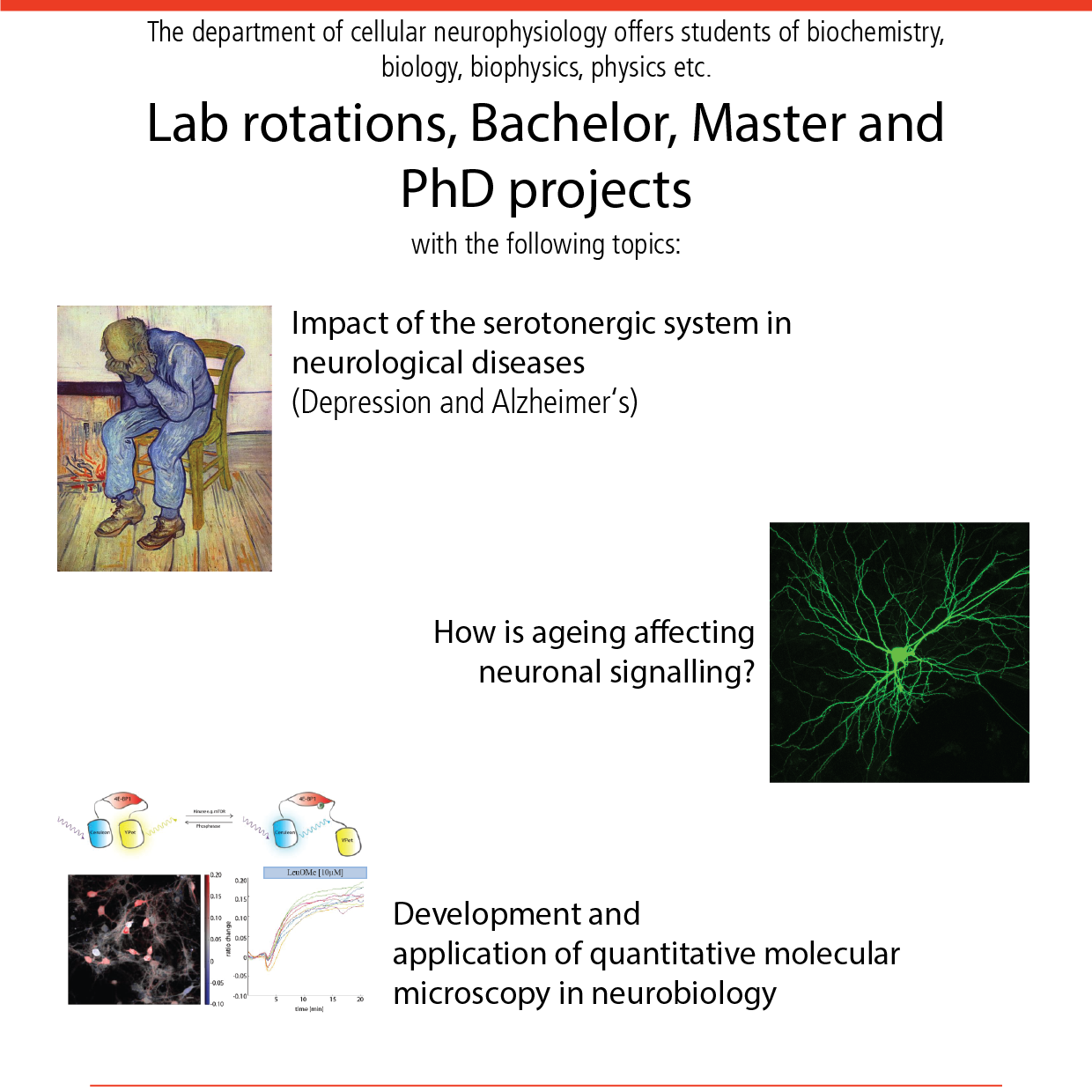
If you are interested in the application of advanced microscopy techniques to study molecular mechanisms of the serotonergic signalling cascade, please do not hesitate to get in contact with us.
Positions at the different levels are available.
Interested students are cordially invited to visit our department and to arrange an appointment with:
Prof. Dr. Evgeni Ponimaskin (0511 532 4858)
e-mail: Ponimaskin.Evgeni@mh-hannover.de
Dr. Andre Zeug (0511 532 5026)
e-mail: Zeug.Andre@mh-hannover.de