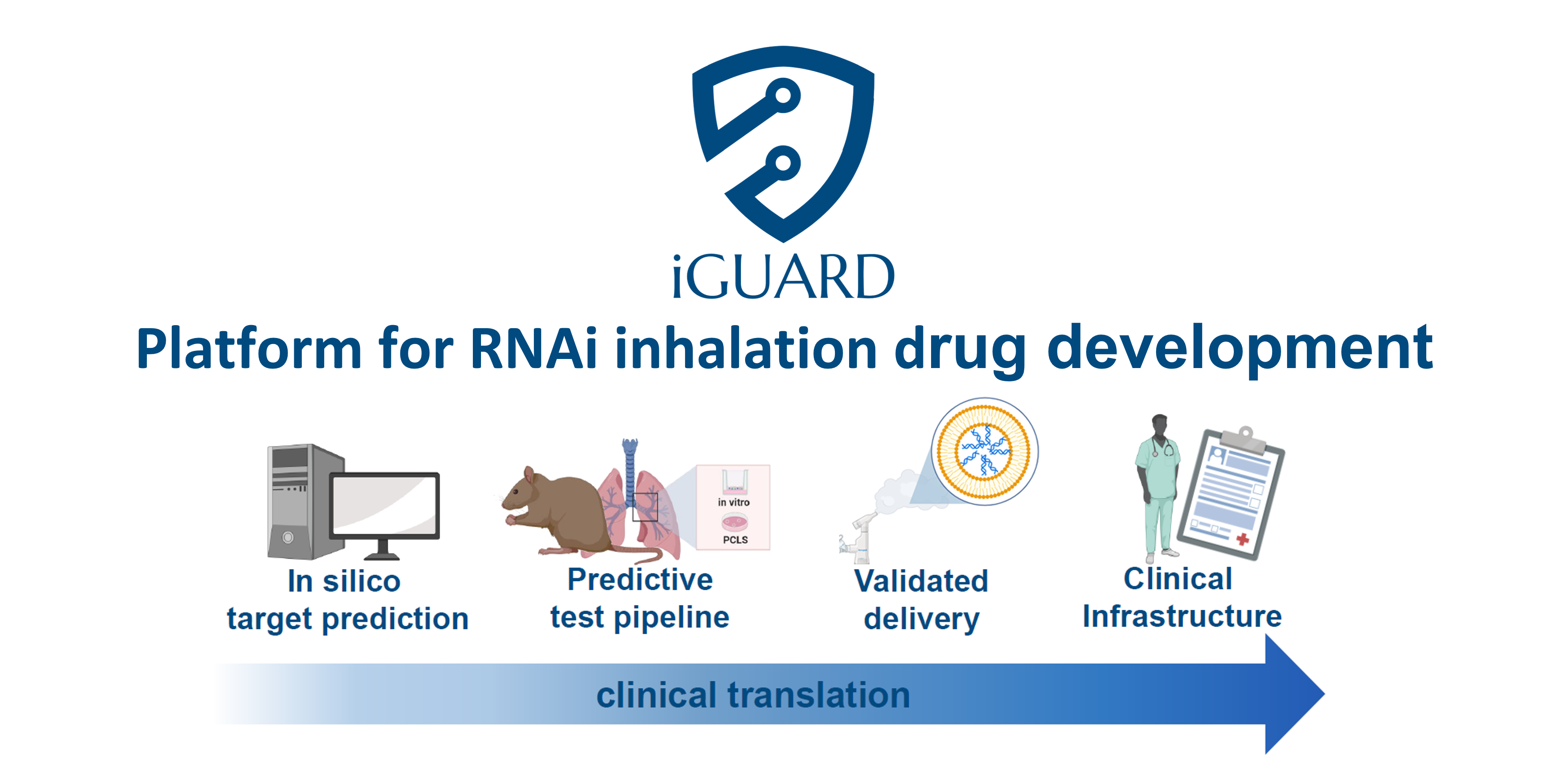
iGUARD – Inhaled RNA Therapeutics for Severe Respiratory Diseases
The iGUARD group develops inhaled small interfering RNA (siRNA) therapeutics for severe pulmonary diseases, addressing a central limitation of the RNAi field: delivery to extra-hepatic tissues. Topical pulmonary delivery offers a favorable therapeutic window — high local efficacy with minimal systemic exposure — and opens up transcripts considered undruggable by small-molecule or antibody approaches, including intracellular regulators of pulmonary signaling, homeostasis, and repair.
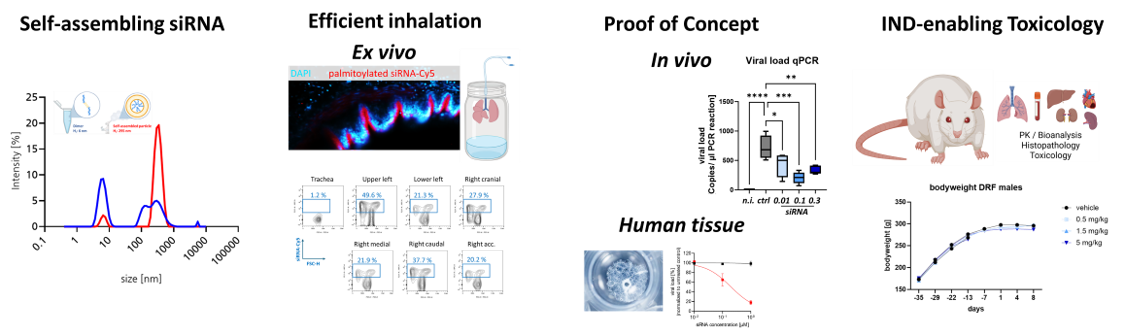
A core focus is proprietary siRNA chemistry and conjugate design. Lipid conjugation enables self-assembly upon nebulization and stability during aerosolization without carriers such as lipid nanoparticles. Unlike systemic siRNA drugs, which require extensive modification for plasma stability, iGUARD applies a minimal modification pattern optimized for nuclease resistance at the target site while favoring rapid systemic clearance.
A second line concerns trigger identification and validation: machine-learning-based prediction of RNAi triggers, experimental validation in a fluorescent reporter-based screening assay, and lead optimization. Candidates are characterized in physiologically relevant pulmonary test systems — human precision-cut lung slices, isolated perfused lungs, organoid models, and in vivo disease models — with regulated inhalation toxicology.
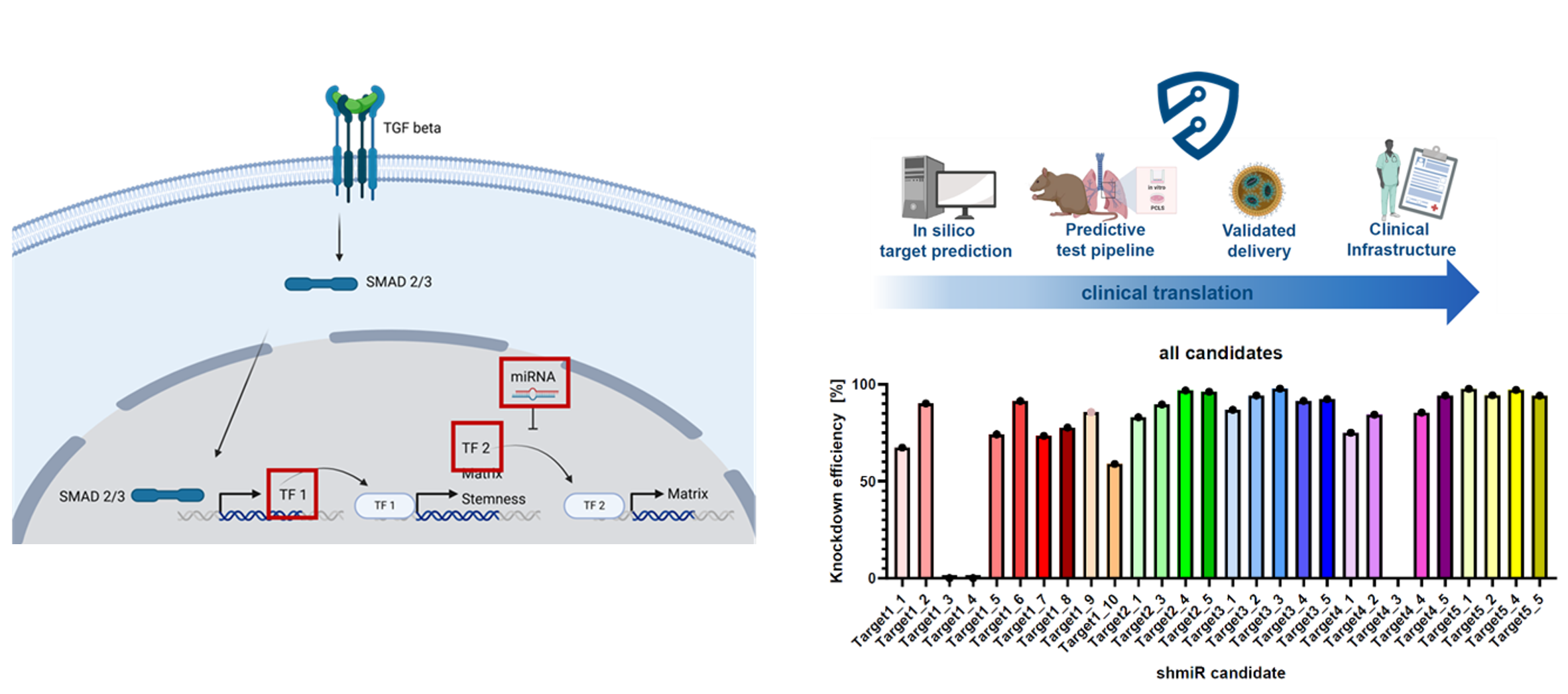
Current programs cover antiviral and antifibrotic indications. The antiviral program targets human parainfluenza virus 3 (HPIV3), for which no approved therapy exists, with inhaled efficacy and safety shown in vitro, ex vivo, and in vivo; a parallel program addresses RSV in immunocompromised, transplanted, and pediatric populations. The antifibrotic program builds on single-cell transcriptomic data in pulmonary fibrosis, investigating signaling axes of epithelial homeostasis and exhaustion. An exploratory program addresses pulmonary and systemic aging.
The work is conducted with partner institutions in Hannover and beyond, integrating gene and RNA therapy, preclinical inhalation research, regulatory science, and clinical pulmonology — including collaborations with Fraunhofer ITEM and DFG-funded consortia.
Bring back life into breathing.
Projects
Every human being is infected with viral respiratory infections 2-3 times every year, on average. Novel strategies for antiviral treatment are therefore urgently needed. Within the iGUARD Project, we have developed a lead candidate against Parainfluenzavirus infections. On the way toward an applied drug product, we integrate a targeting delivery mechanism with efficient inhalation with extensive preclinical testing of safety and efficacy.
Our current activities focus on finalizing IND-enabling studies, so that a clinical development can be started in the next years.
For more information contact: vollmerbarbosa.philippe@mh-hannover.de
Pulmonary Fibrosis is a devastating disease with very poor outcome. Novel therapeutic options with less adverse events than Standard of Care are urgently needed. We address recent findings in fibrosis biology via siRNA treatment.
For more information contact: vollmerbarbosa.philippe@mh-hannover.de or zimmer.anna@mh-hannover.de
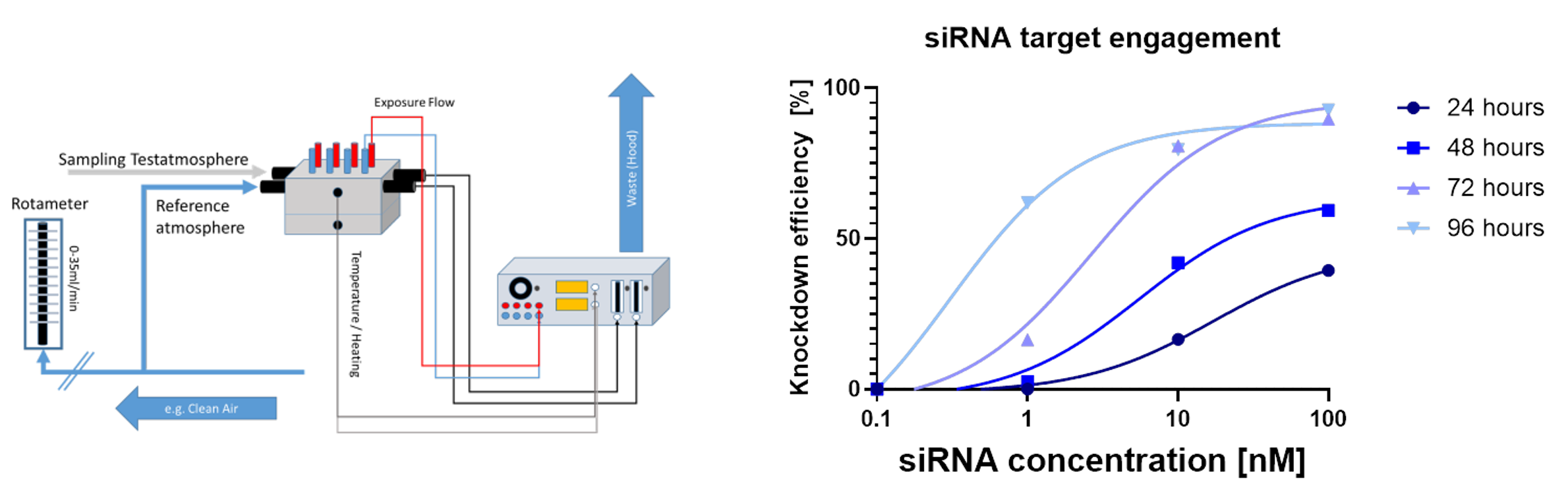
In addition to small interfering RNA inhalation by lipid modification, other RNA modalities or conjugates could emensely broaden the spectrum of pulmonary RNA therapy. Here, we investigate other RNA modalities (mRNA, saRNA, gRNA) as well as mechanistic aspects of RNA inhalation (stability, distribution, device).
For more information contact: asadiatoi.paria@mh-hannover.de or zimmer.anna@mh-hannover.de
About us
Our Vision
We want to help patients with severe lung disease with RNA therapeutics. Our focus is on the translational development of RNA therapies to help patients with a high medical need.
RNA therapies have a huge potential to shaoe the medical landscape of the future. RNA technology builds the basis for specific, safe, effcient and affordable drugs, that can be tailor made for precision medicine.
Our vision is to contribute to translationally relevant understanding of delivery, target engagement, manufacturing, and regulatory development of RNA therapies for the lung.
Based on our self-assembling antiviral siRNA medication, we are looking into novel RNA modalities and clinically meaningful respiratory targets.
We want to help build the pulmonary medicine of the future.
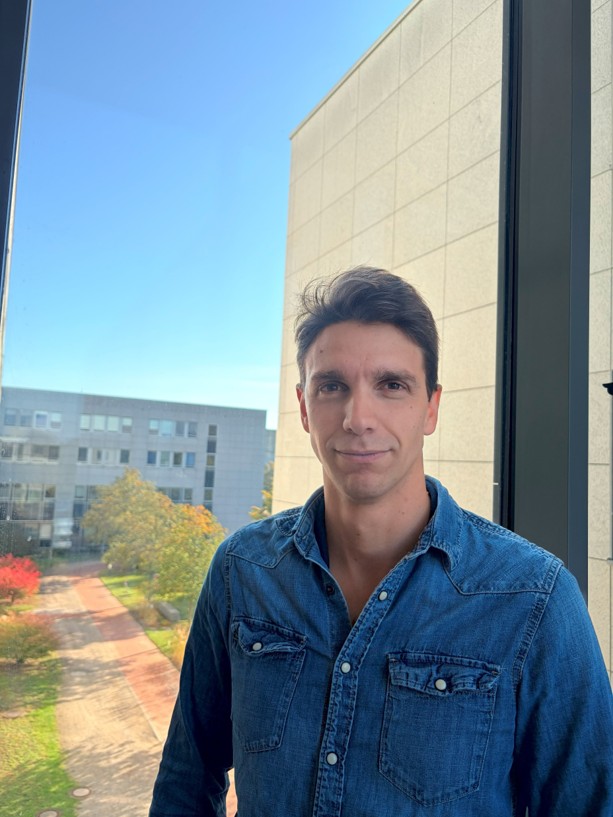
I am a translational scientist with a background in pulmonary drug development, RNAi and viral infection and the Co-Project lead of the iGUARD group. Together with Axel Schambach, Armin Braun (Fraunhofer ITEM), and Adrian Schwarzer, i conceptualized the iGUARD project from the start. We successfulyl developed the lead asset within the SPRIND Antiviral challenge and have been persuing translational development ever since.
My main motivation is to bring our early RNA developments to the patients that we see at MHH every day. Day by day, people literaly suffocate due to severe lung disease, and I want to contribute in the development of therapies that actually help against the devastating diseases. On the road to clinical translation, we have recently founded the MHH spin-out company ZephyRNA, to push clinical development from all possible angles.
Find me on LinkedIN

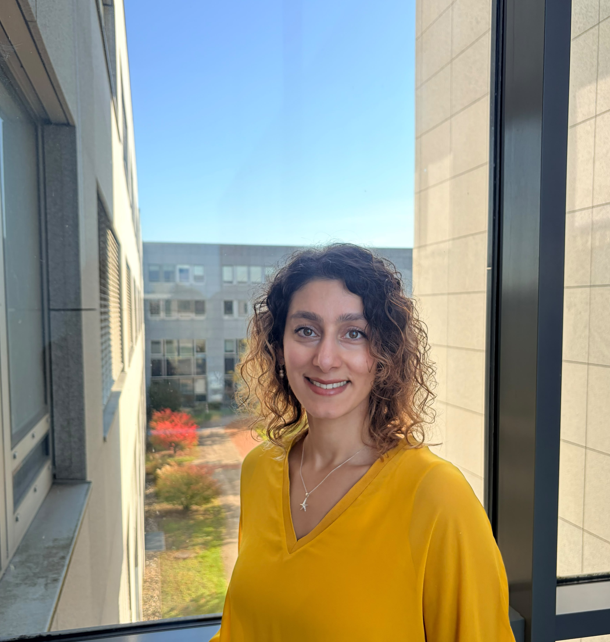
I am the head of the Institute of Experimental Hematology, and Co-project lead in the iGUARD group. Within this project, my focus is on developing the underlying RNAi technology including chemical modifications, RNAi potency prediction, and delivery concepts.
Furthermore I contribute with my experience in clinical development of gene therapies, to ensure that the iGUARD aassets have a realistic path towards clinical translation.
I am a second-year PhD student passionate about RNA-based therapeutics. I’ve been working on the iGUARD technology for the past three years, starting with my Master’s thesis, and have been fascinated by its potential ever since. At iGUARD, I work in the lab to further develop our siRNA delivery platform. As part of my PhD, I’m using this technology to develop novel treatments for H1N1 influenza and regenerative lung diseases.

I am a virologist, microbiologist, and immunologist by training - and a scientist at heart. I worked in excellent research environments across Germany and the US: Bochum, San Diego, Düsseldorf, and, for a decade, Hannover. My expertise centers on host-pathogen interactions and immune defenses. I successfully apply this knowledge to translational science, focusing on developing novel antiviral therapeutics. I bring a diverse methodological toolkit, including molecular and protein biology (antibody engineering and viral vectors), in vitro and ex vivo cytological methods, and more.

I am a dedicated bio-analytical chemist with a focus on development, analytics, CMC, and DSP for biological active molecules. Specifically, the development of stabilized, non-immunogenic RNA therapeutics. I bring experience across the entire process chain—from sequence design and production to analytical (LC-MS) and chemical characterization, molecular biology, cellular applications, in-vitro immunogenicity studies, and quality control within GxP environment. Currently, committed to expanding scopes of iGUARD antiviral therapy platform for stabilized, non-immunogenic biological active RNA modalities as therapeutics candidates for our LNP-free self-delivery system.
I am a master student working on mechanistic insight of siRNA uptake to facilitate the iGUARD delivery technology. My interests are mainly in translational gene & cell therapeutic approaches.