Master thesis available
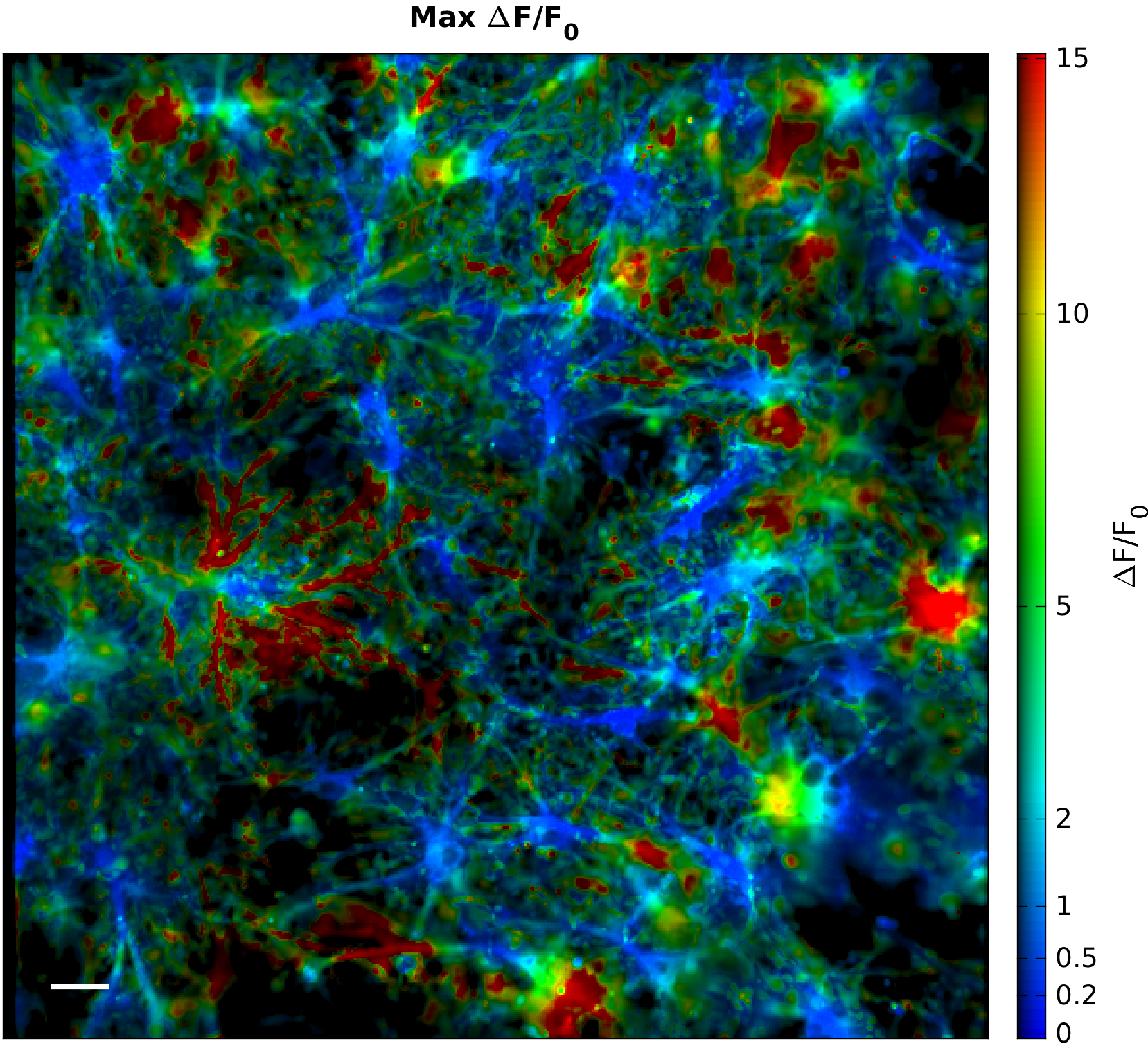
Ready to advance quantitative astrocyte imaging? Astrocytes orchestrate brain function through dynamic Ca2+ signals whose roles remain enigmatic-and they shift in neurological disease. We are developing next-generation quantitative Ca2+ biosensors (NEMO-V5-turboFP650 variants) to capture these signals with precision under low-light conditions. Join us to define their photophysical fingerprints and validate their performance in primary culture of mouse hippocampal astrocytes. Your work will enable high-fidelity functional imaging and open new avenues to study astrocyte microdomains, neuron-glia interactions, and ER-related Ca2+ dynamics. Be part of the discovery
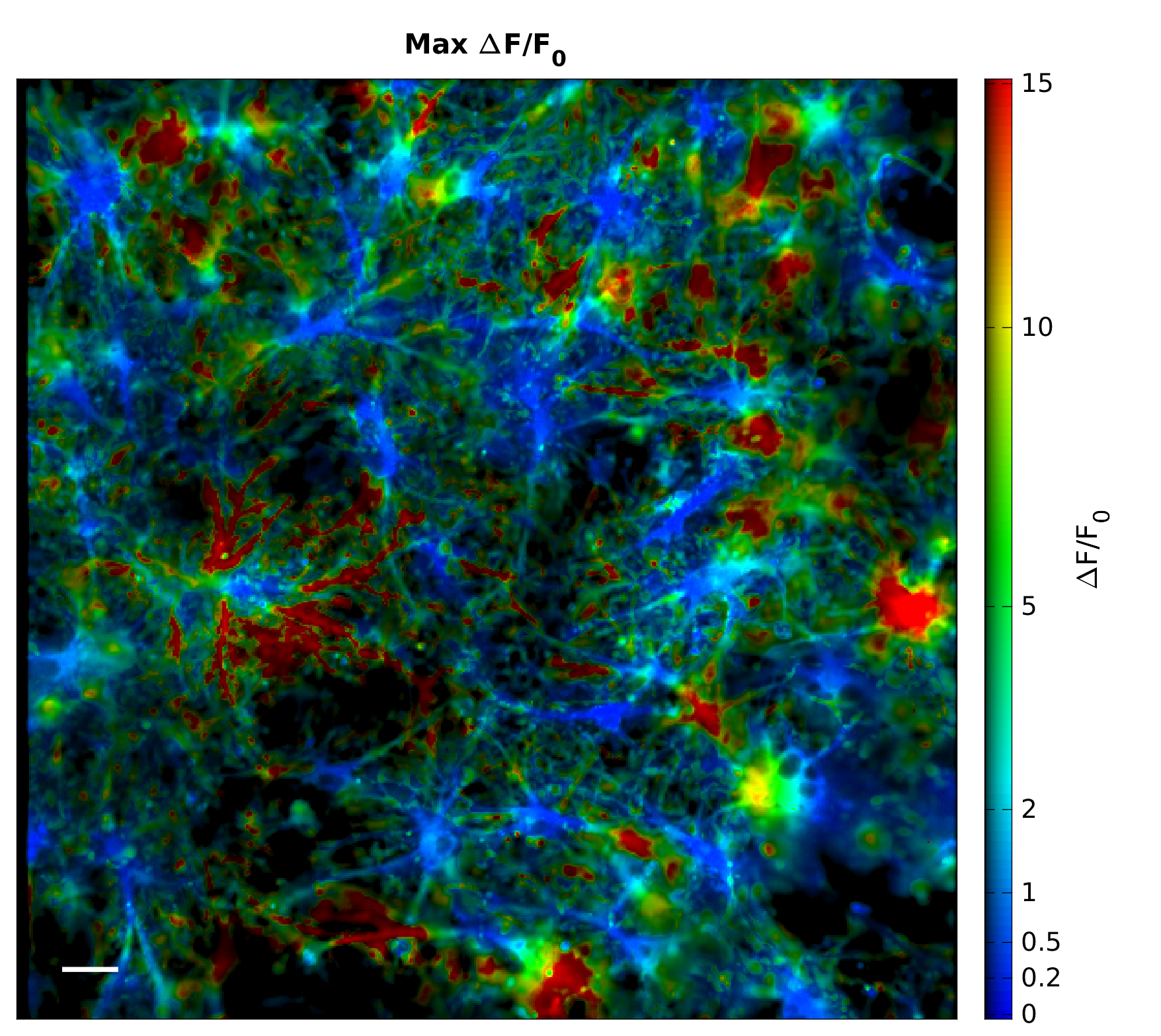
Are you ready to delve into the fascinating world of Cellular Neurophysiology? Astrocytes are stellate glial cells of the central nervous system, which exhibit spontaneous fluctuations of calcium. This Ca2+ activity represents a special type of signaling, of unknown purpose. However, it is clear that this signaling is perturbed in various neurological diseases.
Pathologies are often accompanied by structural changes of the endoplasmic reticulum (ER), the main intracellular storage of Ca2+. We aim to find out how a perturbed ER affects astrocyte Ca2+ activity. And you can be part of it- this is your chance!
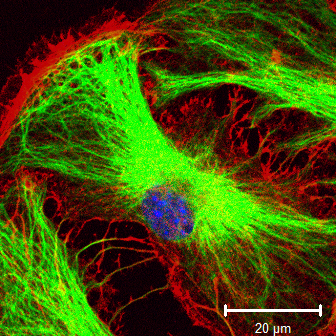
Machine learning (ML) techniques are revolutionizing biomedical microscopy, surpassing traditional image processing methods. At Hannover Medical School, we aim to push the boundaries of ML applications in quantitative microscopy. Specifically, we're focused on enhancing and expanding ML-based denoising approaches for robust quantitative analysis.
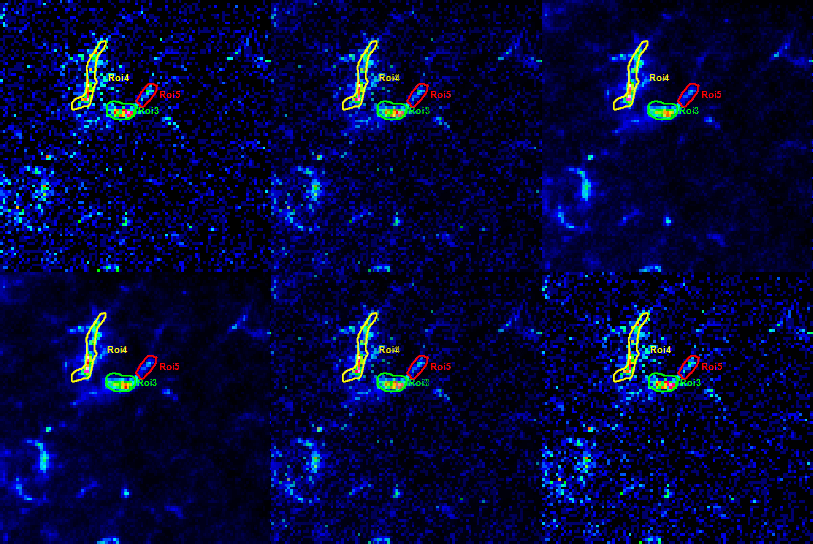
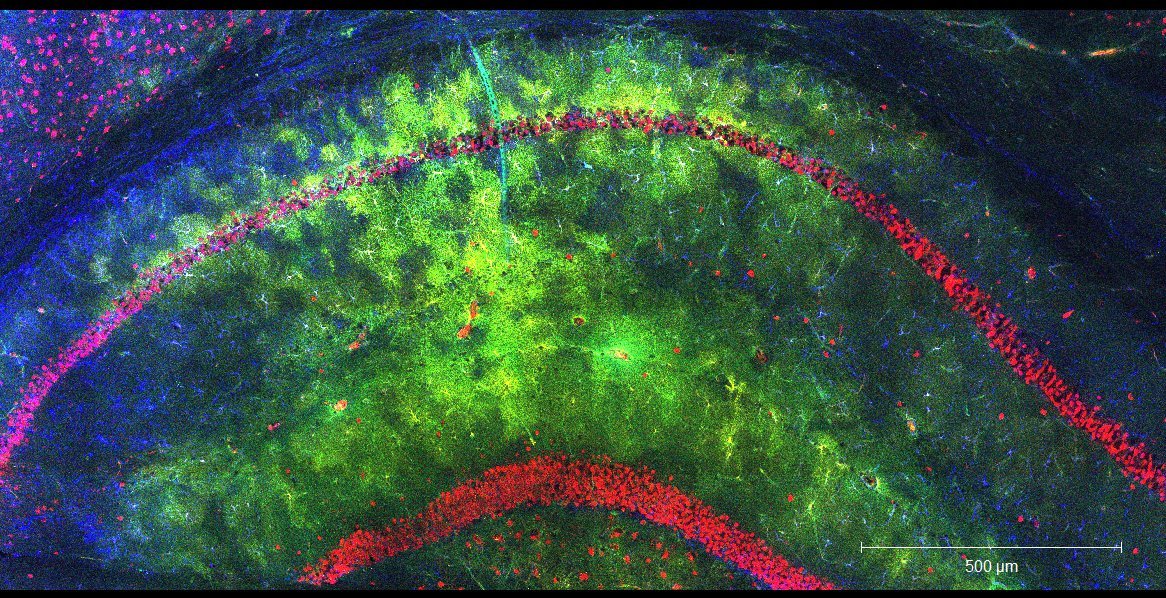
Image of the Month