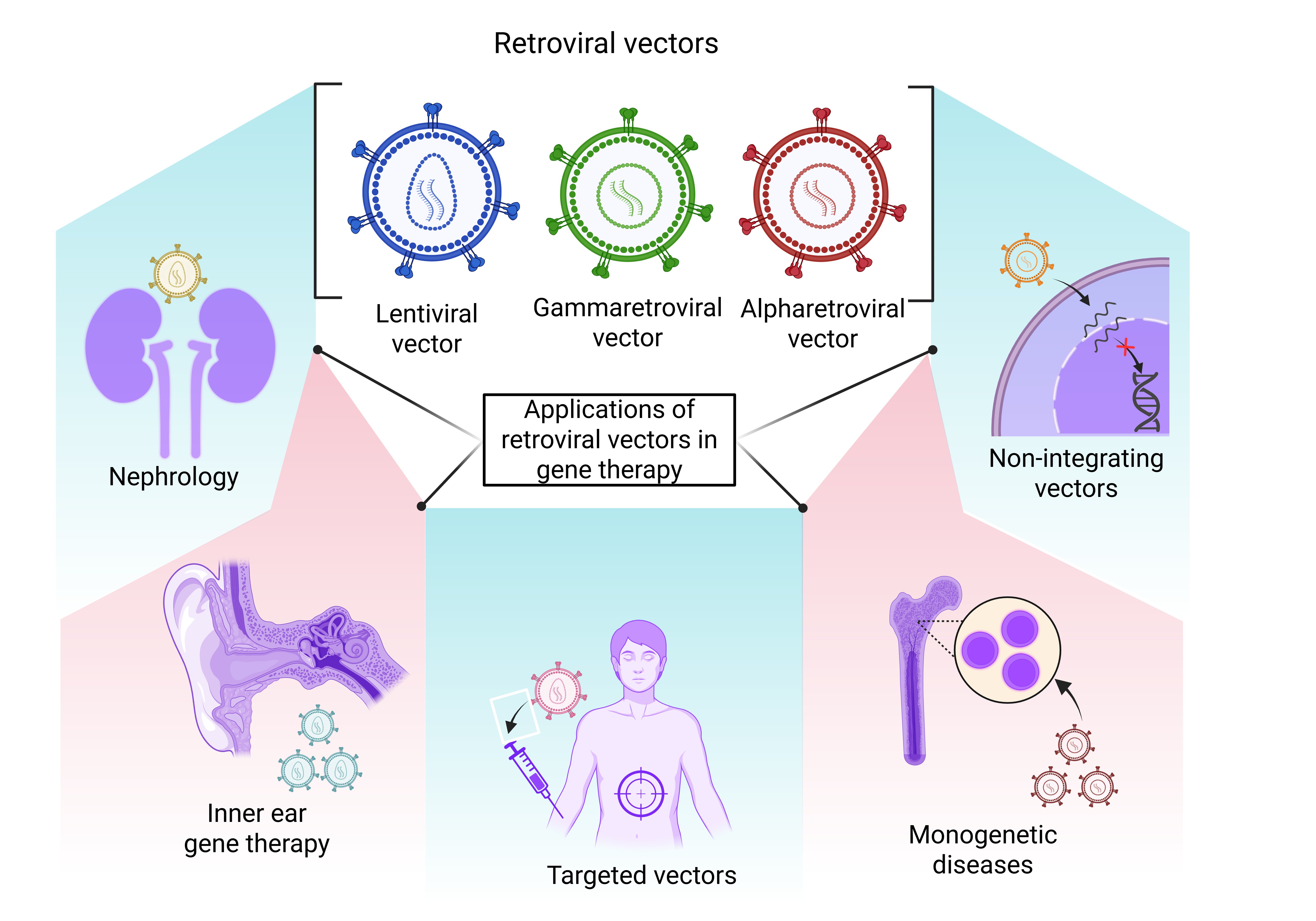
From stable gene transfer to transient cellular programming
For decades, retroviral vectors have provided powerful tools for the stable genetic modification of cells. Our research focuses on advancing these platforms through innovative vector design, improved safety, and precise control of genetic delivery, with the ultimate goal of enabling new therapeutic options for patients.
Our institute at Hannover Medical School bridges basic molecular biology and clinical application by designing, optimizing, and evaluating advanced genetic vectors and stem cell modification technologies, incl. gene editing, for human gene therapy trials. We cover the whole spectrum from the research bench to bedside, including vector development and optimization of alpharetroviral, gammaretroviral, and lentiviral vectors, as well as gene-editing tools, to safely deliver therapeutic genes and modulate gene expression. In preclinical validation, we conduct rigorous testing in cellular and preclinical models to ensure efficacy and intercept potential toxicities and safety obstacles. Moreover, we want to better understand the mechanisms and biology of these tools to improve the benefit-to-risk ratio.
Our Projects
Engineering integrating retroviral vectors for stable genetic modification
A major focus of the Institute of Experimental Hematology is the development of retroviral vector systems for stable and efficient genetic modification of hematopoietic and other therapeutically relevant cells.
Our research addresses the design of vector architectures, regulatory elements, and self-inactivating configurations to achieve robust transgene expression while improving the safety characteristics of integrating gene-transfer systems. Particular attention is given to how vector design influences expression, integration behavior, genomic safety, and long-term functionality of genetically modified cells.
An important component of this work is pseudotyping and in vivo targeting. This enables retargeting of viral vector particles and adaptation of vector systems to different target cells and applications. By combining optimized vector backbones and regulatory elements with appropriate envelope proteins, we investigate how viral tropism, entry, and gene-transfer efficiency can be tailored to specific cellular targets.
These technologies provide a versatile foundation for the stable introduction of therapeutic genes, receptors, and complex genetic programs, supporting applications ranging from hematopoietic stem and progenitor cells to engineered immune cells and cellular therapies.
In close collaboration with major centers in Germany, the EU, and the US, we have developed new gene therapy strategies for monogenetic and acquired diseases and contributed to more than 12 clinical trials for urgent medical needs. This includes clinical trials for severe combined immunodeficiency (SCID), leukocyte adhesion deficiency (LAD), Fanconi anemia, pyruvate kinase deficiency, malignant osteopetrosis, Fabry disease, Gaucher disease, beta-thalassemia, and sickle cell disease. Moreover, we contributed to immunotherapy trials using CARs and TRUCKs.
Contact us for further information: Schambach.Axel@mh-hannover.de
Beyond permanent genetic modification
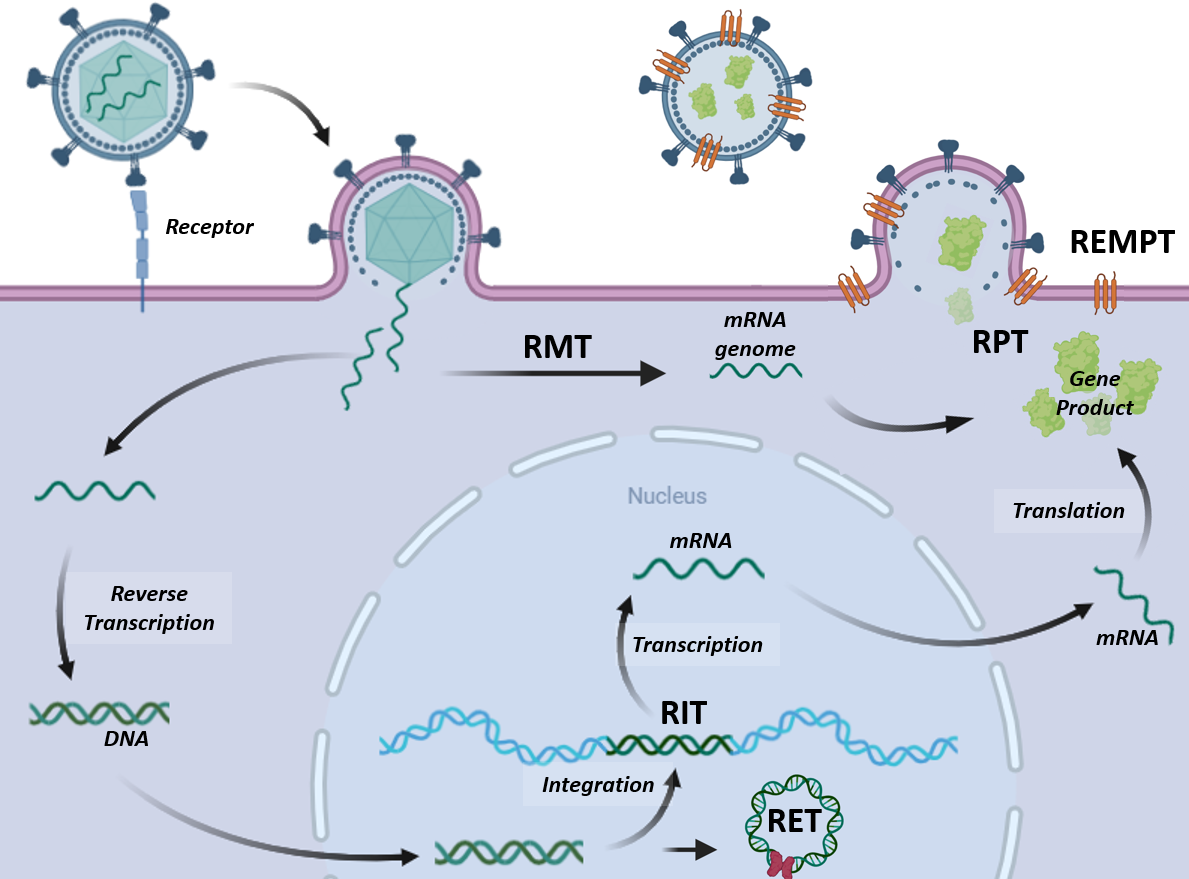
Not every cellular engineering application requires permanent genomic modification. Our Institute has a long-standing interest in exploiting retroviral particle biology to develop transient and controllable approaches for cellular programming. Building on this concept, our institute demonstrated the dose-controlled transient delivery of RNAs (RMT), Proteins (RPT/REMPT), episomes (RET), and genome-editing components, enabling manipulation of cellular fate and function while avoiding some of the limitations and toxicity associated with persistent expression.
Together, these approaches expand retroviral vectorology from conventional stable gene transfer toward transient, dose-controlled, and potentially reversible cellular programming. This creates opportunities for applications in genome engineering, stem-cell manipulation, functional cell engineering, and the development of next-generation gene and cell therapies.
Further Reading:
Contact us for further information: Galla.Melanie@mh-hannover.de, schambach.axel@mh-hannover.de, schott.juliane@mh-hannover.de
Stable gene transfer with a favorable integration profile
Alpharetroviral vectors represent a specialized platform for stable genetic engineering, combining the advantages of efficient retroviral gene transfer with a comparatively favorable and potentially safer genomic integration profile. This makes them particularly attractive for applications in stem cells and other long-lived cell populations, where durable genetic modification is required while minimizing the risk of unintended effects on the host genome.
Compared with commonly used gammaretroviral and lentiviral vectors, alpharetroviral vectors show a more dispersed integration profile, with reduced preference for transcription start sites and actively transcribed genes. This comparatively neutral integration behavior can reduce the likelihood that vector integration interferes with the regulation of neighboring cellular genes, a particularly important consideration for therapeutic applications involving long-term engraftment and clonal expansion.
Our institute has pioneered the vectorization and developed self-inactivating (SIN) alpharetroviral vectors. Combined with the favorable integration characteristics of the alpharetroviral platform, this provides an approach to stable gene transfer that addresses both sides of the safety equation: where the vector integrates and how the integrated vector influences its genomic environment.
By combining stable genomic integration, a comparatively favorable integration profile, a self-inactivating vector architecture, and flexible genetic design, alpharetroviral vector technology offers a powerful framework for durable, safety-conscious cellular engineering and provides an important foundation for engineering durable cellular functions for next-generation gene therapies.
Further Reading:
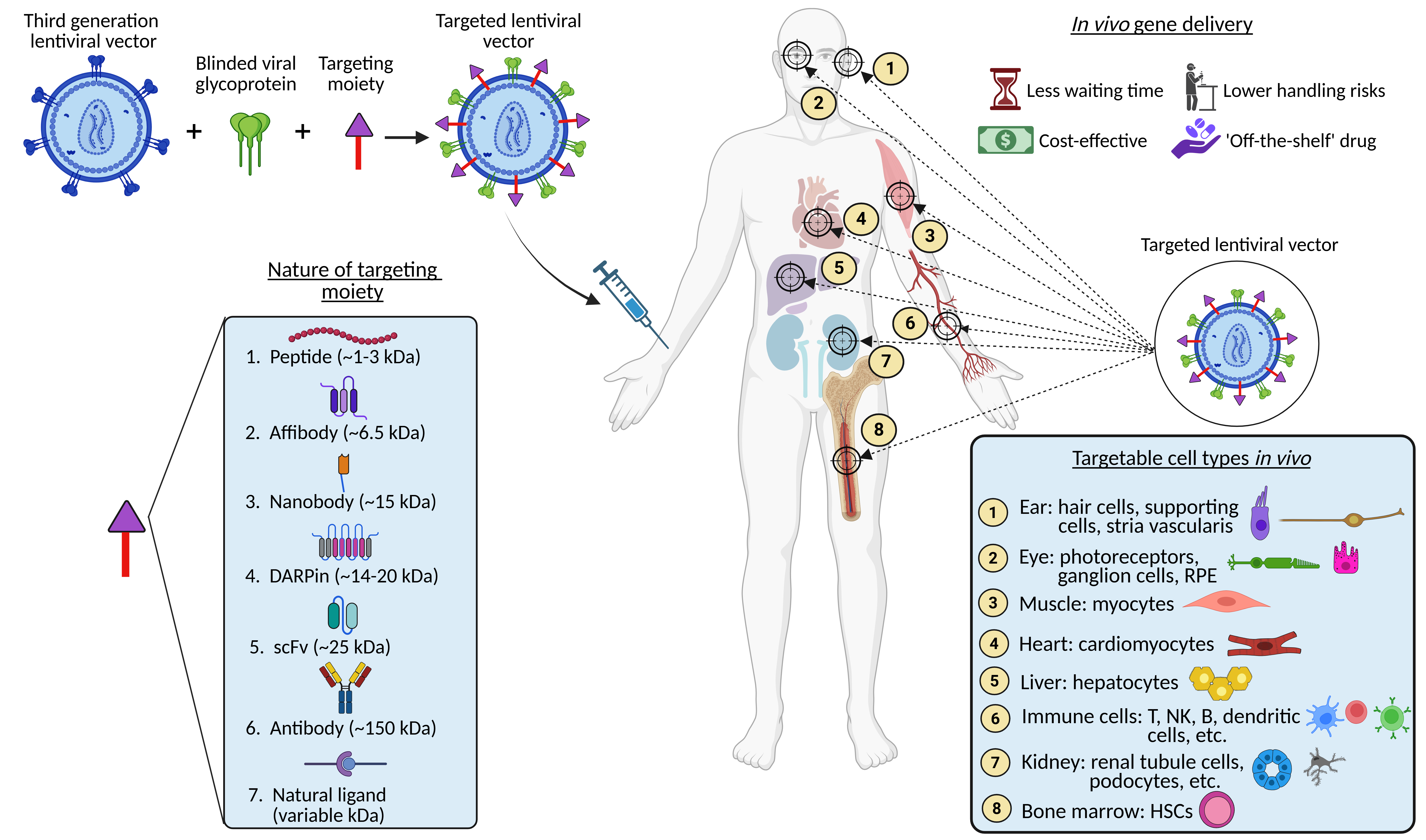
Gene therapy is transforming the treatment of genetic diseases and cancer, yet many current approaches remain complex, costly, and highly individualized. In a conventional ex vivo gene therapy patient cells must be isolated, genetically modified and expanded outside the body before being carefully re-administered; a process that represents a major barrier to the broader accessibility of gene therapy. Our group is working to overcome these limitations by developing targeted lentiviral vectors for direct in vivo gene delivery. Our goal is to transform gene therapy from a highly individualized ex vivo procedure into a more streamlined and accessible therapeutic approach.
We engineer third-generation lentiviral vectors pseudotyped with engineered glycoproteins derived from viruses such as vesicular stomatitis virus (VSV) and Sindbis virus, and combine them with tailored targeting moieties (single-chain variable fragments (scFvs), peptides, DARPins, etc.). This platform is designed to selectively recognize and modify defined cell populations, opening new possibilities for delivering therapeutic genes directly within the body while reducing the dependence on patient-specific ex vivo cell manufacturing (Link to review: https://www.sciencedirect.com/science/article/pii/S152500162600599X)
Our work has demonstrated efficient and specific gene transfer across diverse in vitro and complex ex vivo models, including inner ear targeting and cancer immunotherapy. We are now advancing these technologies toward increasingly relevant in vivo models and hoping to expand their application across therapeutic areas, including oncology, infectious diseases, transplantation medicine, and other diseases where targeted genetic manipulation could provide transformative therapeutic opportunities.
Our vision extends beyond developing individual gene therapy applications. We aim to establish a versatile and scalable delivery platform adaptable to different tissues, cell types, and therapeutic payloads. By addressing key barriers associated with conventional ex vivo approaches, including manufacturing complexity, cost, and treatment timelines, we seek to accelerate the translation of gene therapy from sophisticated laboratory procedures into broadly accessible medicines.
Ultimately, our goal is to enable precise, efficient, and potentially off-the-shelf in vivo gene therapies, creating new opportunities for cross-disciplinary collaboration and bringing the promise of genetic medicine to a broader patient population.
Contact for further information: Shrivastava.Anjali@mh-hannover.de, Warnecke.Felix@mh-hannover.de, Morgan.Michael@mh-hannover.de
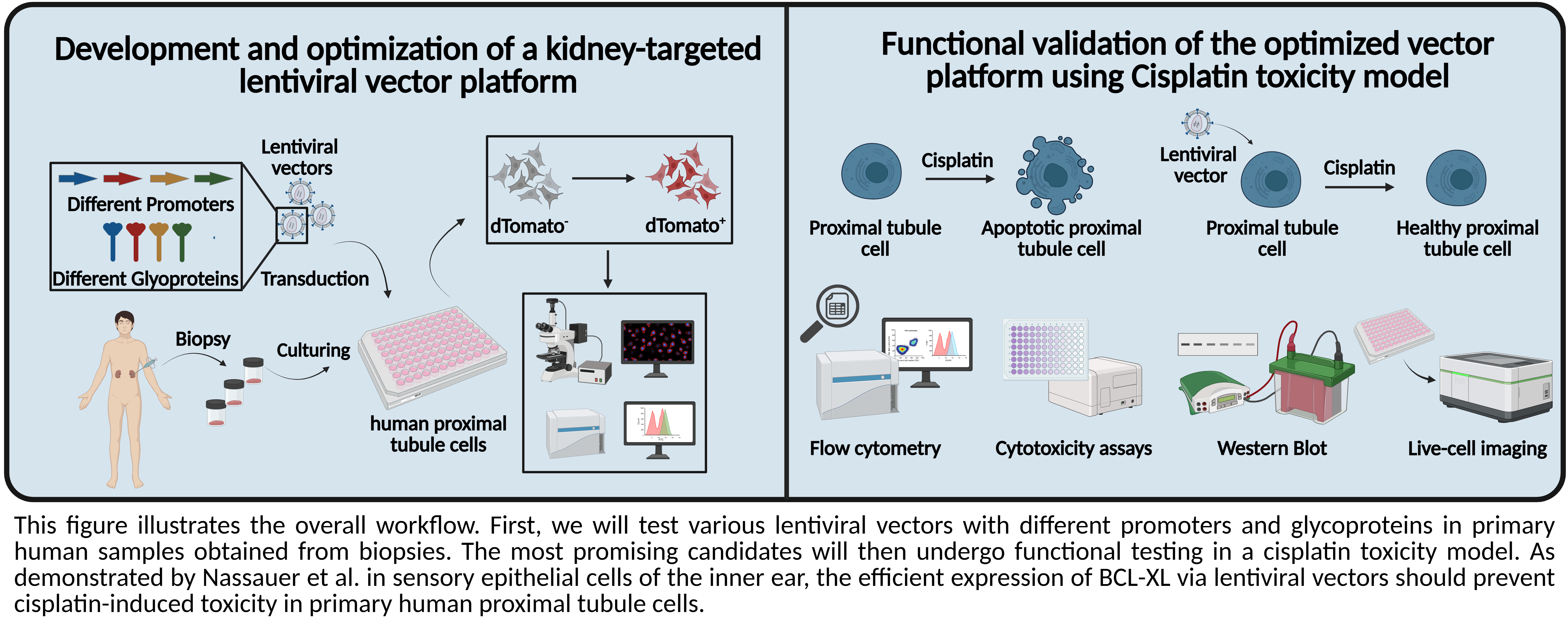
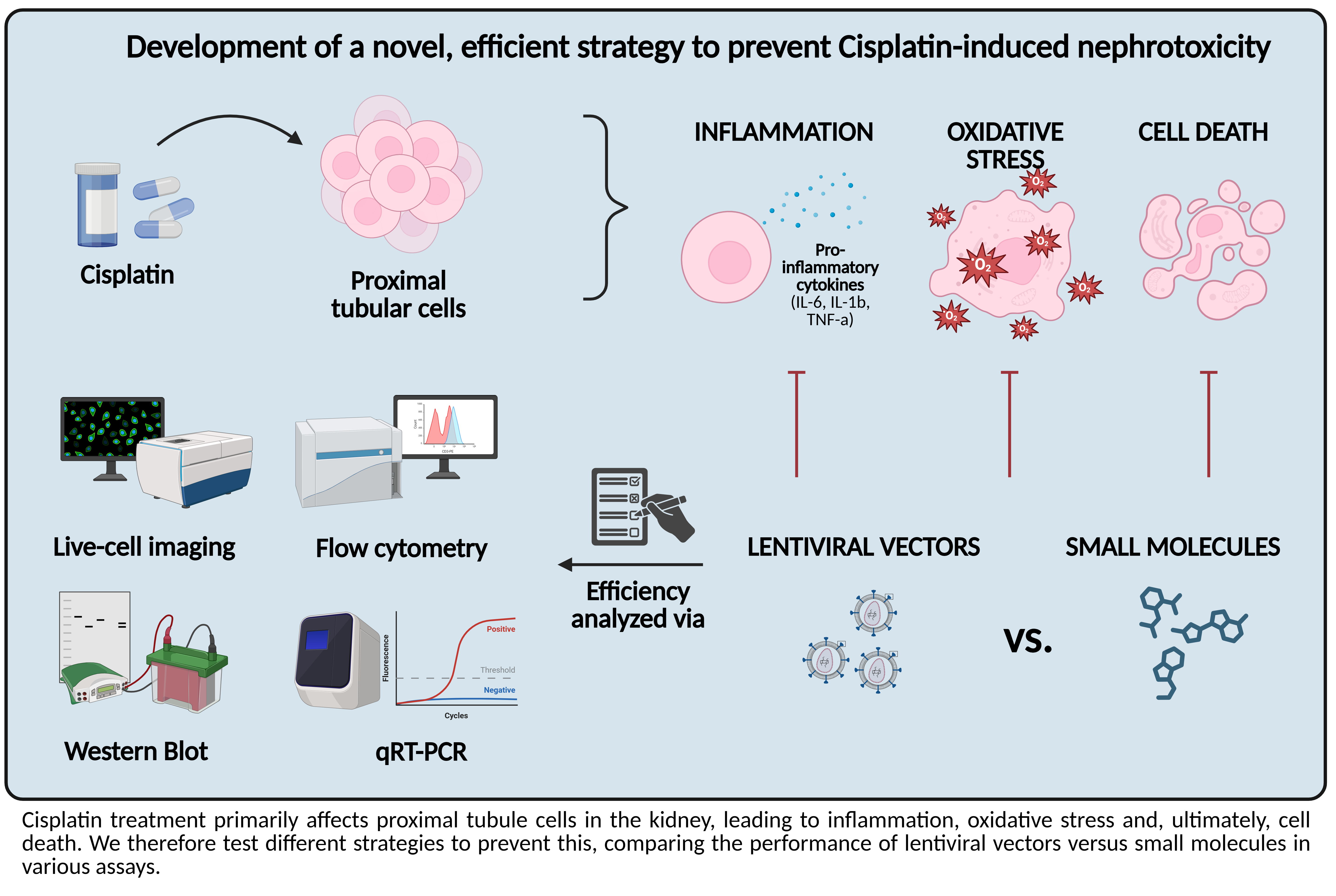
In close collaboration with the Department of Nephrology and Hypertension at MHH, our aim is to combine advanced vector engineering with physiologically relevant human kidney models in order to develop a lentiviral vector platform targeting the kidney. This platform could be used to treat several monogenetic kidney diseases.
As Cisplatin treatment leads to acute kidney injury in around 30% of patients, we aim to develop an efficient, novel strategy to prevent cisplatin-induced nephrotoxicity. This project builds on the work of Nassauer et al. (1, 2), who tested strategies to combat the toxic effects of Cisplatin treatment on the inner ear.
Further Reading: Nassauer et al., 2024, Nassauer et al., 2024
Contact us for further information: Nassauer.Larissa@mh-hannover.de
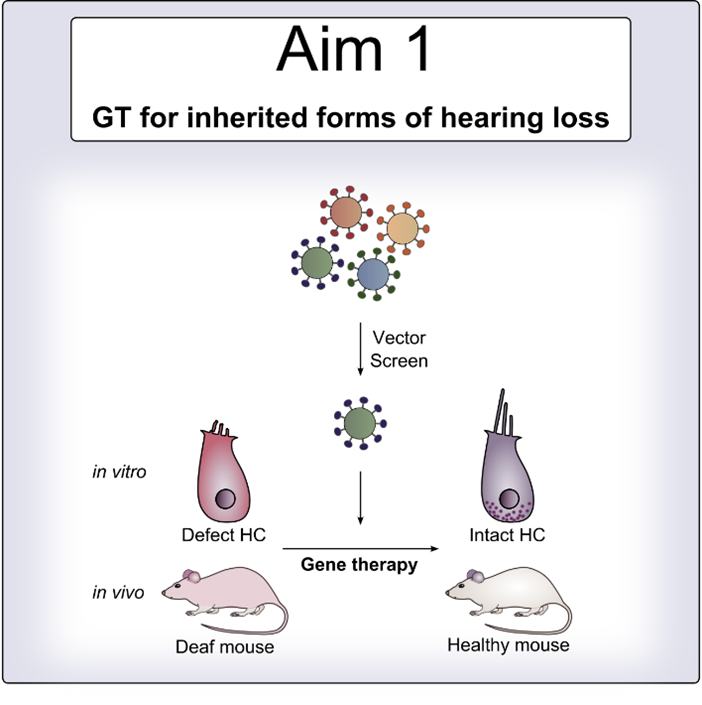
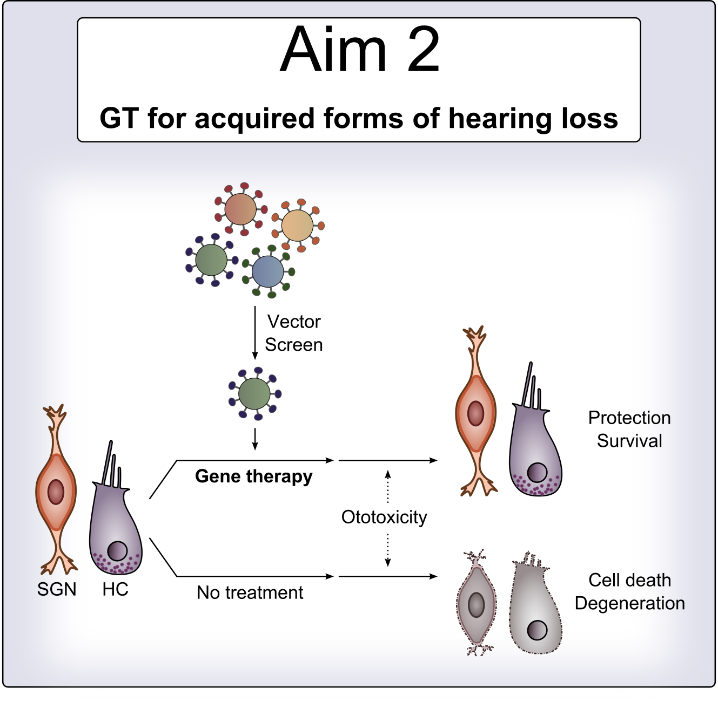
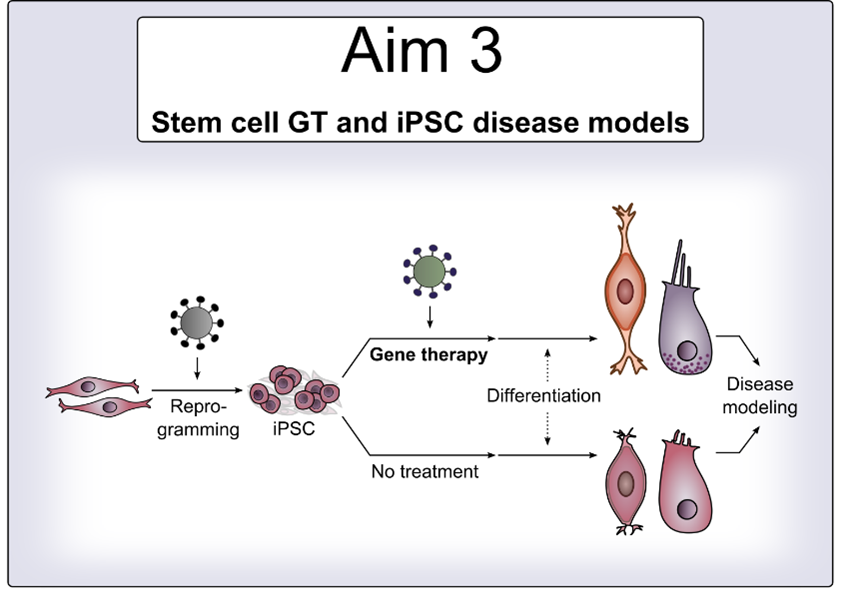
The improved HEARing (iHEAR) project was started in 2019 and was initially funded by the European Research Council. The main goal of this project is to develop gene-therapeutic strategies to treat different kinds of hearing loss. As delivery vehicles, we employ both lentiviral vectors and adeno-associated viral vectors. The project is divided into three main work packages.
In the first work package, inherited gene mutations that lead to hearing loss are addressed. The main therapy targets were myosin 7a (MYO7A), which is responsible for Usher syndrome type 1B (USH1B), in which patients suffer not only from hearing loss but also from vision loss and balance impairment, and stereocilin (STRC), which causes a mild form of hereditary hearing loss. A lentiviral vector to treat MYO7A-mediated USH1B was successfully generated (Schott et al., Molecular Therapy, 2023) and is moving toward clinical application.
In addition to being inherited, hearing loss can be acquired throughout the lifetime, for example, through loud noise, trauma, age, and certain ototoxic medications. Especially aminoglycoside antibiotics and platinum-based chemotherapeutics like cisplatin are known to be ototoxic. In this work package, strategies to prevent drug-induced hearing loss are explored. Successful strategies were the overexpression of anti-apoptotic proteins in a cochlear cell line (Nassauer et al., Molecular Therapy Nucleic Acids, 2024) and the use of anti-apoptotic small molecules like emricasan (Nassauer et al., Journal of Molecular Medicine, 2024).
Lastly, since appropriate model systems to test gene therapies are scarce, the third work package focuses on establishing disease models for hearing loss. To this end, induced pluripotent stem cells (iPSCs) are differentiated into inner ear cells in vitro. The first targets were the sensory hair cells, which translate the mechanical stimulus into an electrical signal, and the spiral ganglion neurons, which transmit the signal to the auditory cortex in the brain. After robust differentiation protocols have been established, specific gene mutations can be introduced into the iPSCs to model a certain kind of hearing loss.
Beyond these three work packages, major efforts were undertaken to establish targeting strategies for both lentiviral and adeno-associated viral vectors that would allow selective modification of specific inner ear cells to further increase treatment efficacy and avoid or reduce side effects (Marx et al., Molecular Therapy Advances, 2026; Warnecke et al., Human Gene Therapy, 2026).
Contact for further information: Schott.Juliane@mh-hannover.de, Warnecke.Felix@mh-hannover.de, Nassauer.Larissa@mh-hannover.de
About us
Our Vision
Our vision is to advance retroviral vector technology into versatile tools for precise gene and cell engineering. By improving vector design, integration characteristics, and control of genetic delivery, we aim to contribute to safer and more effective approaches for engineering therapeutically relevant cells.
We seek to provide the technological foundations for next-generation gene and cell therapies, spanning durable genetic modification as well as transient cellular programming.