The Mission
Hildegard Büning

Hildegard Büning is one of the leading gene therapy researchers in Europe. She has been a key figure in the field of adeno-associated virus research and capsid engineering for more than two decades, and is professor for Gene and Cell Therapy and deputy director of the Institute of Experimental Hematology at Hannover Medical School in Germany. She has also had a long-standing interest in serving the broader gene therapy community, and has been the president of the European Society of Gene and Cell Therapy (ESGCT).
The Studies
Learn more about our published work
Capsid-engineered AAV vector overcomes a key intracellular barrier and efficiently transduces spiral ganglion neurons in adult mice
Jennifer
Background and Aims
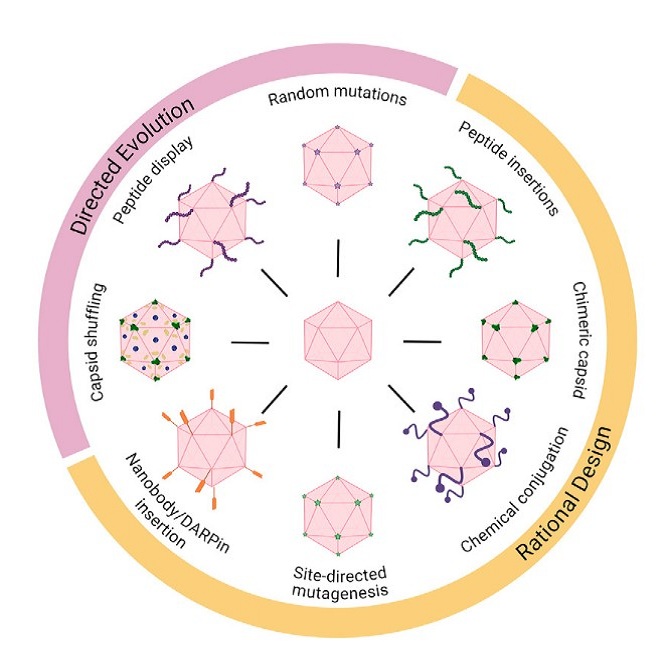
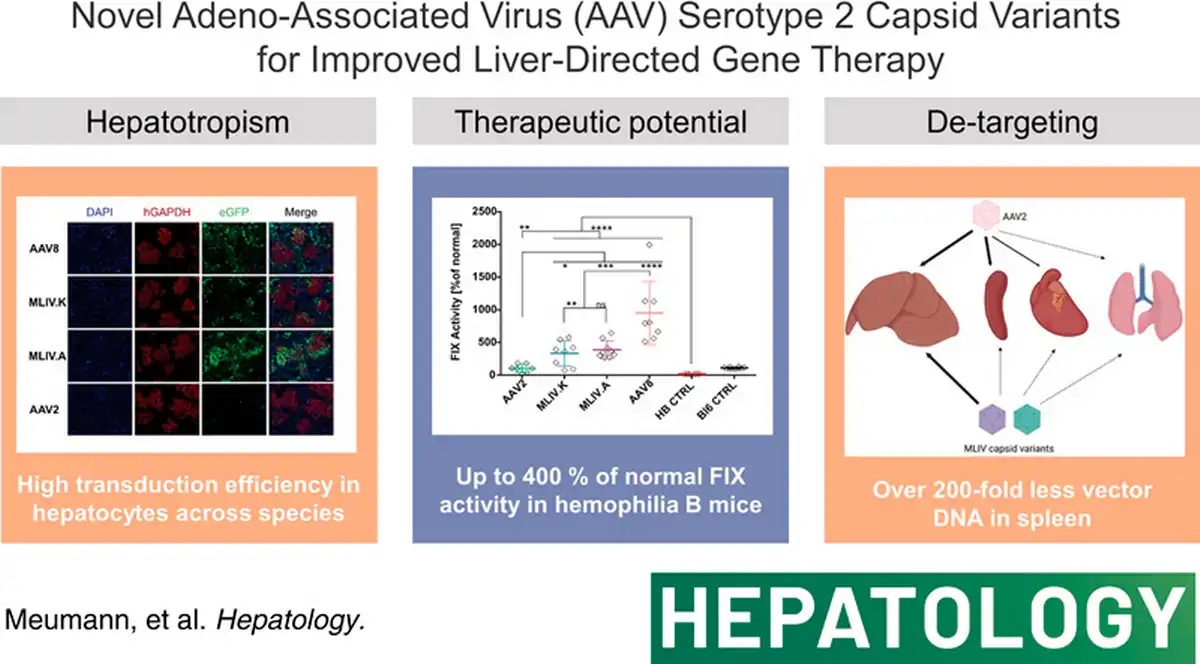
Current liver-directed gene therapies look for adeno-associated virus (AAV) vectors with improved efficacy. With this background, capsid engineering is explored. Whereas shuffled capsid library screenings have resulted in potent liver targeting variants with one first vector in human clinical trials, modifying natural serotypes by peptide insertion has so far been less successful. Here, we now report on two capsid variants, MLIV.K and MLIV.A, both derived from a high-throughput in vivo AAV peptide display selection screen in mice.
Approach and Results
The variants transduce primary murine and human hepatocytes at comparable efficiencies, a valuable feature in clinical development, and show significantly improved liver transduction efficacy, thereby allowing a dose reduction, and outperform parental AAV2 and AAV8 in targeting human hepatocytes in humanized mice. The natural heparan sulfate proteoglycan binding ability is markedly reduced, a feature that correlates with improved hepatocyte transduction. A further property that might contribute to the improved transduction efficacy is the lower capsid melting temperature. Peptide insertion also caused a moderate change in sensitivity to human sera containing anti-AAV2 neutralizing antibodies, revealing the impact of epitopes located at the basis of the AAV capsid protrusions.
Conclusions
In conclusion, MLIV.K and MLIV.A are AAV peptide display variants selected in immunocompetent mice with improved hepatocyte tropism and transduction efficiency. Because these features are maintained across species, MLIV variants provide remarkable potential for translation of therapeutic approaches from mice to men.
Please find the full paper published in Hepatology here: https://onlinelibrary.wiley.com/doi/full/10.1002/hep.32733
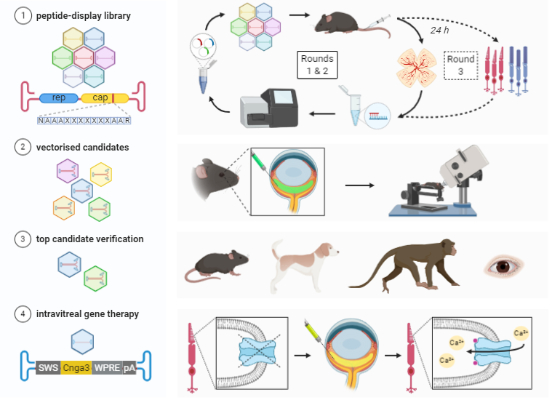
Gene therapy using recombinant adeno‐associated virus (rAAV) vectors to treat blinding retinal dystrophies has become clinical reality. Therapeutically impactful targeting of photoreceptors still relies on subretinal vector delivery, which detaches the retina and harbours substantial risks of collateral damage, often without achieving widespread photoreceptor transduction. Herein, we report the development of novel engineered rAAV vectors that enable efficient targeting of photoreceptors via less invasive intravitreal administration. A unique in vivo selection procedure was performed, where an AAV2‐based peptide‐display library was intravenously administered in mice, followed by isolation of vector DNA from target cells after only 24 h. This stringent selection yielded novel vectors, termed AAV2.GL and AAV2.NN, which mediate widespread and high‐level retinal transduction after intravitreal injection in mice, dogs and non‐human primates. Importantly, both vectors efficiently transduce photoreceptors in human retinal explant cultures. As proof‐of‐concept, intravitreal Cnga3 delivery using AAV2.GL lead to cone‐specific expression of Cnga3 protein and rescued photopic cone responses in the Cnga3−/− mouse model of achromatopsia. These novel rAAV vectors expand the clinical applicability of gene therapy for blinding human retinal dystrophies.
Please find the full paper published in EMBO Molecular Medicine here: https://link.springer.com/article/10.15252/emmm.202013392
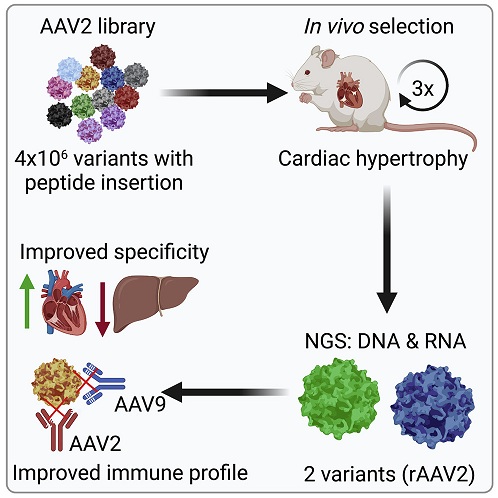
AAV vectors are promising delivery tools for human gene therapy. However, broad tissue tropism and pre-existing immunity against natural serotypes limit their clinical use. We identified two AAV capsid variants, AAV2-THGTPAD and AAV2-NLPGSGD, by in vivo AAV2 peptide display library screening in a murine model of pressure overload-induced cardiac hypertrophy. Both variants showed significantly improved efficacy in in vivo cardiomyocyte transduction compared with the parental serotype AAV2 as indicated by a higher number of AAV vector episomes in the nucleus and significant improved transduction efficiency. Both variants also outcompeted the reference serotype AAV9 regarding cardiomyocyte tropism, reaching comparable cardiac transduction efficiencies accompanied with liver de-targeting and decreased transduction efficiency of non-cardiac cells. Capsid modification influenced immunogenicity as sera of mice treated with AAV2-THGTPAD and AAV2-NLPGSGD demonstrated a poor neutralization capacity for the parental serotype and the novel variants. In a therapeutic setting, using the long non-coding RNA H19 in low vector dose conditions, novel AAV variants mediated superior anti-hypertrophic effects and revealed a further improved target-to-noise ratio, i.e., cardiomyocyte tropism. In conclusion, AAV2-THGTPAD and AAV2-NLPGSGD are promising novel tools for cardiac-directed gene therapy outperforming AAV9 regarding the specificity and therapeutic efficiency of in vivo cardiomyocyte transduction.
Please find the full paper published in Molecular Therapy here: https://www.cell.com/molecular-therapy-family/molecular-therapy/fulltext/S1525-0016(22)00424-5
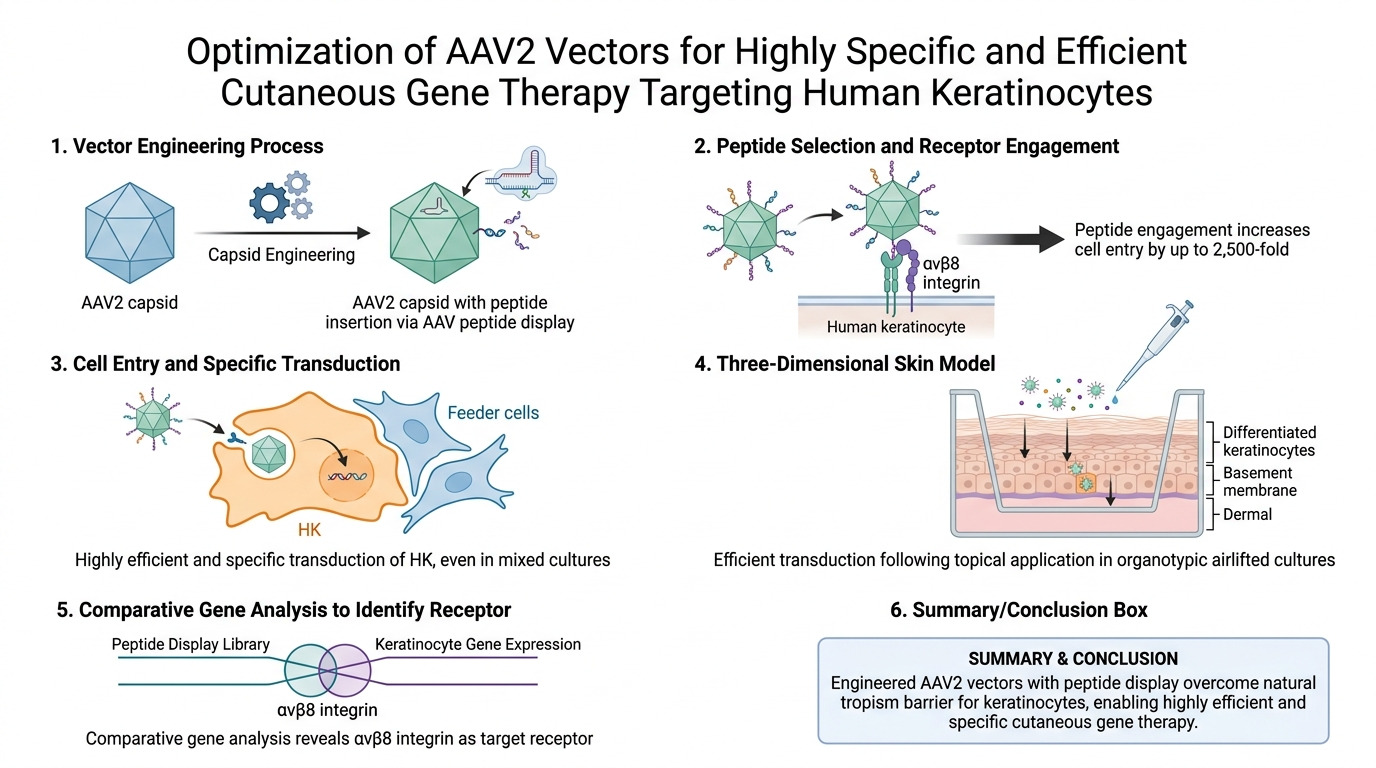
Autologous human keratinocytes (HK) forming sheet grafts are approved as skin substitutes. Genetic engineering of HK represents a promising technique to improve engraftment and survival of transplants. Although efficacious in keratinocyte-directed gene transfer, retro-/lentiviral vectors may raise safety concerns when applied in regenerative medicine. We therefore optimized adeno-associated viral (AAV) vectors of the serotype 2, characterized by an excellent safety profile, but lacking natural tropism for HK, through capsid engineering. Peptides, selected by AAV peptide display, engaged novel receptors that increased cell entry efficiency by up to 2,500-fold. The novel targeting vectors transduced HK with high efficiency and a remarkable specificity even in mixed cultures of HK and feeder cells. Moreover, differentiated keratinocytes in organotypic airlifted three-dimensional cultures were transduced following topical vector application. By exploiting comparative gene analysis we further succeeded in identifying αvβ8 integrin as a target receptor thus solving a major challenge of directed evolution approaches and describing a promising candidate receptor for cutaneous gene therapy.
Please find the full Molecular Therapy paper here: https://www.sciencedirect.com/science/article/pii/S1525001616312254?via%3Dihub
ABC
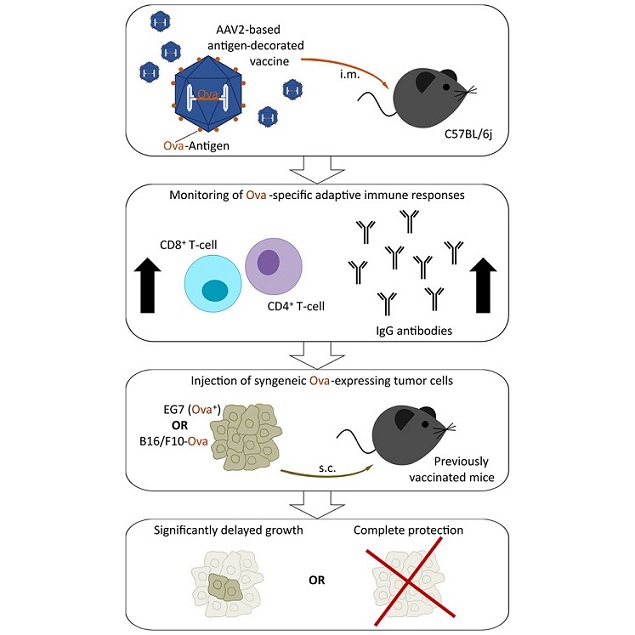
mmunotherapy has significantly improved treatment outcomes in various cancer entities. To enhance immunogenicity and efficacy, and to further broaden its applicability, co-administration of anti-tumor vaccines is considered as a promising strategy. Here, we introduce adeno-associated virus (AAV) vectors, widely used for in vivo gene therapy, as a potent cancer vaccine platform. Our AAV vector-based vaccine combines antigen display on the capsid surface with a vector-mediated antigen overexpression targeting different components of the immune system in a unique chronological order by a single intramuscular application. Thereby, both profound and long-lasting antigen-specific T and B cell immune responses were induced. Moreover, mice receiving the vaccine were protected against tumor growth, demonstrating its efficacy in two tumor models, including the low immunogenic and aggressive B16/F10-Ova melanoma model. Remarkably, this approach was even effective in conditions of a late tumor challenge, i.e., 80 days post-vaccination, between 88% (B16/F10-Ova melanoma) and 100% (EG7 thymoma) of mice remained tumor free. Thus, decorating AAV vector particles with antigens by capsid engineering represents a potent vaccine concept for applications in cancer immunotherapy. Its modular and versatile "plug-and-play" framework enables the use of tumor antigens of choice and the easy implementation of additional modifications to enhance immunogenicity further.
Please find the full paper published in Molecular Therapy - Methods & Clinical Development here: https://www.cell.com/molecular-therapy-family/advances/fulltext/S2329-0501(23)00046-3
Link to Host Vector Interaction
Toll-like receptor 2-mediated innate immune response in human nonparenchymal liver cells toward adeno-associated viral vectors
Autophagy determines efficiency of liver-directed gene therapy with adeno-associated viral vectors
Intrinsic phospholipase A2 activity of adeno-associated virus is involved in endosomal escape of incoming particles
Adeno-associated virus type 2 (AAV2) uncoating is a stepwise process and is linked to structural reorganization of the nucleolus
Dichotomies in Ex Vivo and In Vivo Performance of Receptor-Binding Mutants of Adeno-Associated Virus Vectors
Vector uncoating limits adeno-associated viral vector-mediated transduction of human dendritic cells and vector immunogenicity
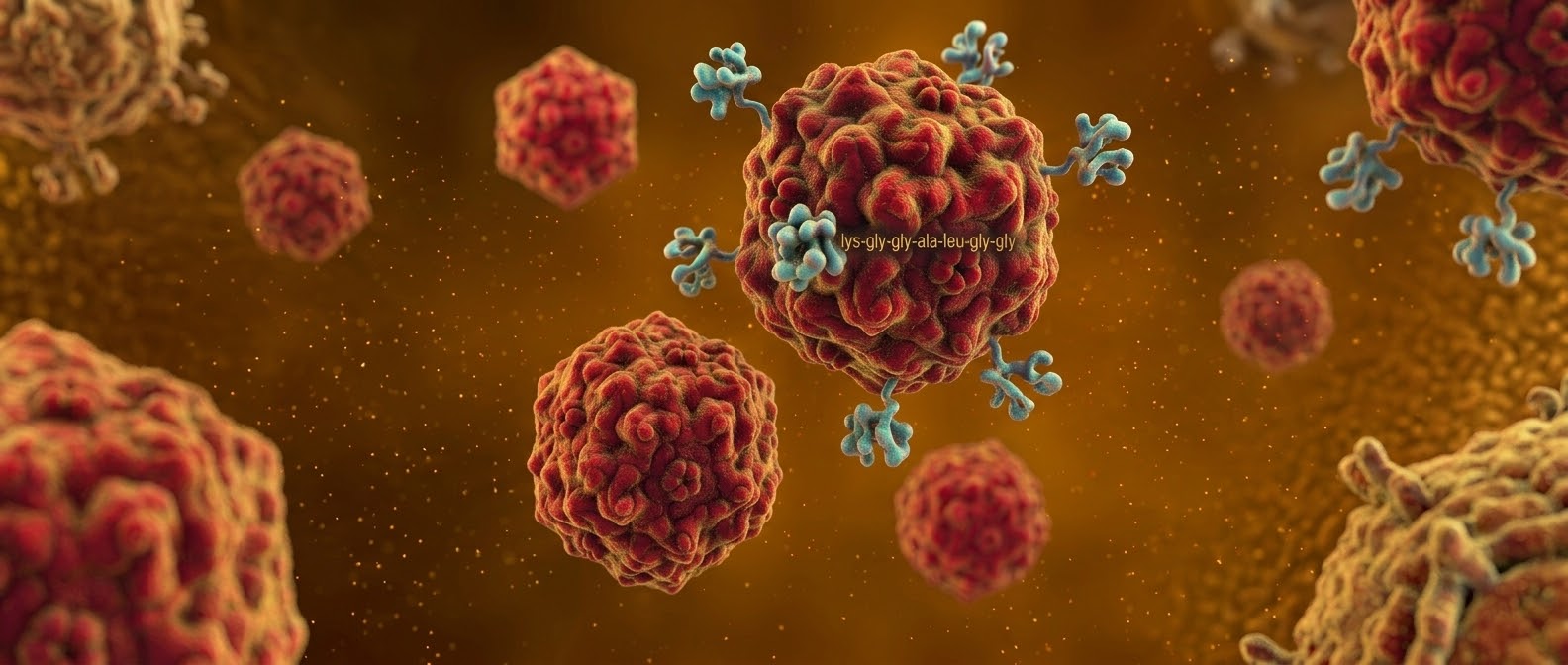
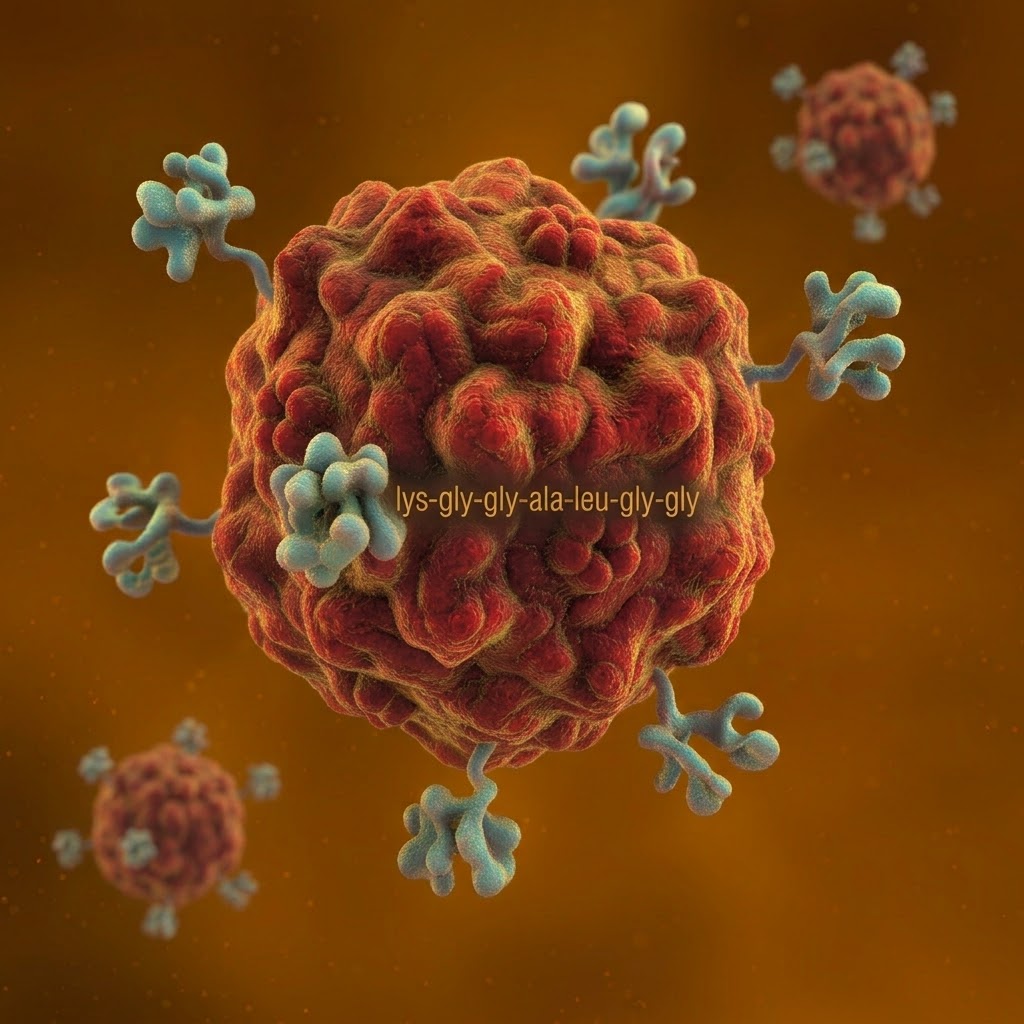
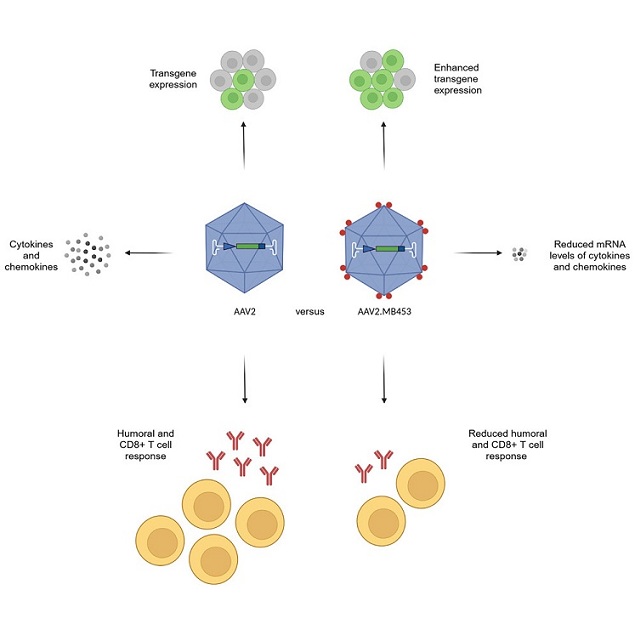
De novo immune responses are considered major challenges in gene therapy. With the aim to lower innate immune responses directly in cells targeted by adeno-associated virus (AAV) vectors, we equipped the vector capsid with a peptide known to interfere with Toll-like receptor signaling. Specifically, we genetically inserted in each of the 60 AAV2 capsid subunits the myeloid differentiation primary response 88 (MyD88)-derived peptide RDVLPGT, known to block MyD88 dimerization. Inserting the peptide neither interfered with capsid assembly nor with vector production yield. The novel capsid variant, AAV2.MB453, showed superior transduction efficiency compared to AAV2 in human monocyte-derived dendritic cells and in primary human hepatocyte cultures. In line with our hypothesis, AAV2.MB453 and AAV2 differed regarding innate immune response activation in primary human cells, particularly for type I interferons. Furthermore, mice treated with AAV2.MB453 showed significantly reduced CD8+ T cell responses against the transgene product for different administration routes and against the capsid following intramuscular administration. Moreover, humoral responses against the capsid were mitigated as indicated by delayed IgG2a antibody formation and an increased NAb50. To conclude, insertion of the MyD88-derived peptide into the AAV2 capsid improved early steps of host-vector interaction and reduced innate and adaptive immune responses.
Please find the full paper published in Molecular Therapy - Methods & Clinical Development here: https://www.sciencedirect.com/science/article/pii/S2329050123001298?via%3Dihub
The Team
Get to know the AAV experts
Hildegard Büning is one of the leading gene therapy researchers in Europe. She has been a key figure in the field of adeno-associated virus research and capsid engineering for more than two decades, and is professor for Gene and Cell Therapy and deputy director of the Institute of Experimental Hematology at Hannover Medical School in Germany. She has also had a long-standing interest in serving the broader gene therapy community, and has been the president of the European Society of Gene and Cell Therapy (ESGCT).
E-Mail: Buening.Hildegard@mh-hannover.de
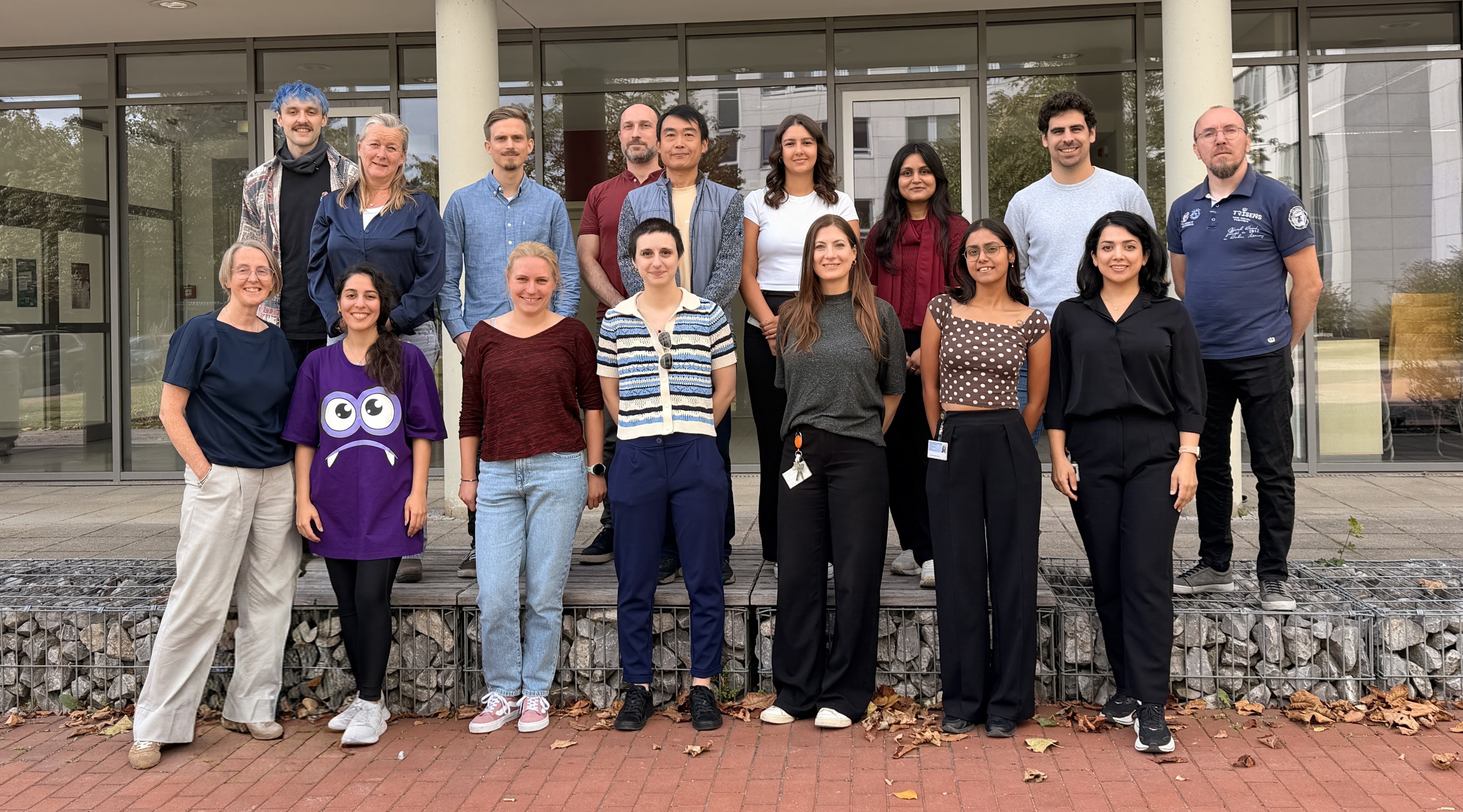
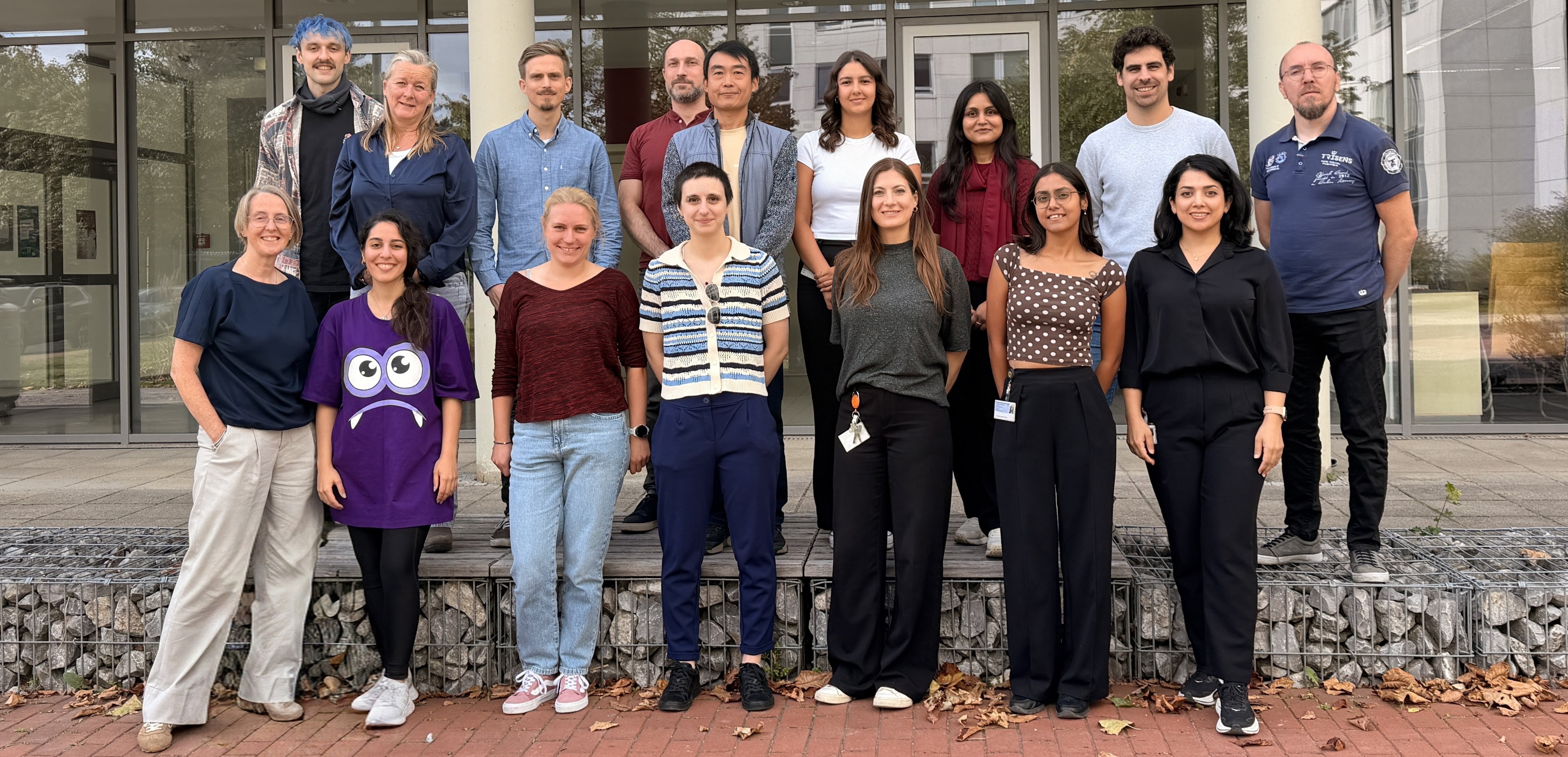
From left to right in the second row: Steiner, Dörpmund, Bentler, Jäschke, Yu, Gebel, Kaleem, Perez Garmendia, Schneider
From left to right in the first row: Büning, Rezalotfi, Strauß, Araujo, Marx, Das, Yousefpourmarzbali
Postdocs:
Dr. Jennifer Marx
Dr. Martin Bentler
Dr. Nico Jäschke
Dr. Jinbo Yu
Dr. Alaleh Rezalotfi
PhD students:
Angela Araujo
Xabier Perez Garmendia
Evelyn Gebel
Sreemoyee Das
Annika Strauß
Asma Kaleem
Mahsa Yousefpourmarzbali
Technicians:
Andreas Schneider
Nicole Dörpmund
Prof. Dr. Hildegard Büning
E-Mail: Buening.Hildegard@mh-hannover.de
Tel.: +49 511 532 - 5121
Address:
Institute of Experimental Hematology
Hannover Medical School
Building I11, Floor 01, Room 6100
Carl-Neuberg-Str. 1
30625 Hannover
Germany
Funding
Our funding agencies
TestTest
Networks
Our national and international societies
CGaCTHannover Center for Gene and Cell Therapy
DG-GTDeutsche Gesellschaft für Gentherapie
ESGCTEuropean Society of Gene & Cell Therapy
ASGCTAmerican Society of Gene + Cell Therapy