Patient-University
Introducing Immune Cells to Patients
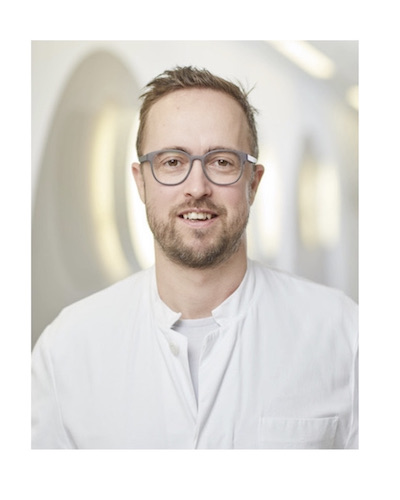
At the Patient University, Nico spoke about the future of medicine and how cell and gene therapies could transform the treatment of respiratory diseases. He explained that new stem-cell technologies, especially induced pluripotent stem cells (iPSCs), now make it possible to generate cells that can repair damaged lung tissue, correct genetic defects, or support the immune system in very targeted ways. These approaches may shift respiratory medicine from symptom management toward true regeneration. Nico also outlined current progress as well as remaining challenges, such as ensuring long-term cell stability and safely translating laboratory results into clinical practice.
A major focus of the lab work is macrophages, the immune cells that protect and regulate the lungs. He described how his team produces functional macrophages from iPSCs, creating a renewable source of therapeutic immune cells. In preclinical studies, these lab-grown macrophages successfully settled into lung tissue, behaved like natural alveolar macrophages, and improved disease symptoms — showing their potential for treating genetic and chronic lung diseases. Nico also highlighted how such macrophage-based therapies could help fight severe or antibiotic-resistant lung infections. By delivering healthy macrophages directly into the airways, the lung’s own immune defenses could be strengthened or restored. This innovative approach has already gained international support and illustrates how regenerative and immune-based therapies may soon offer new hope for patients with complex respiratory conditions.
More information here.