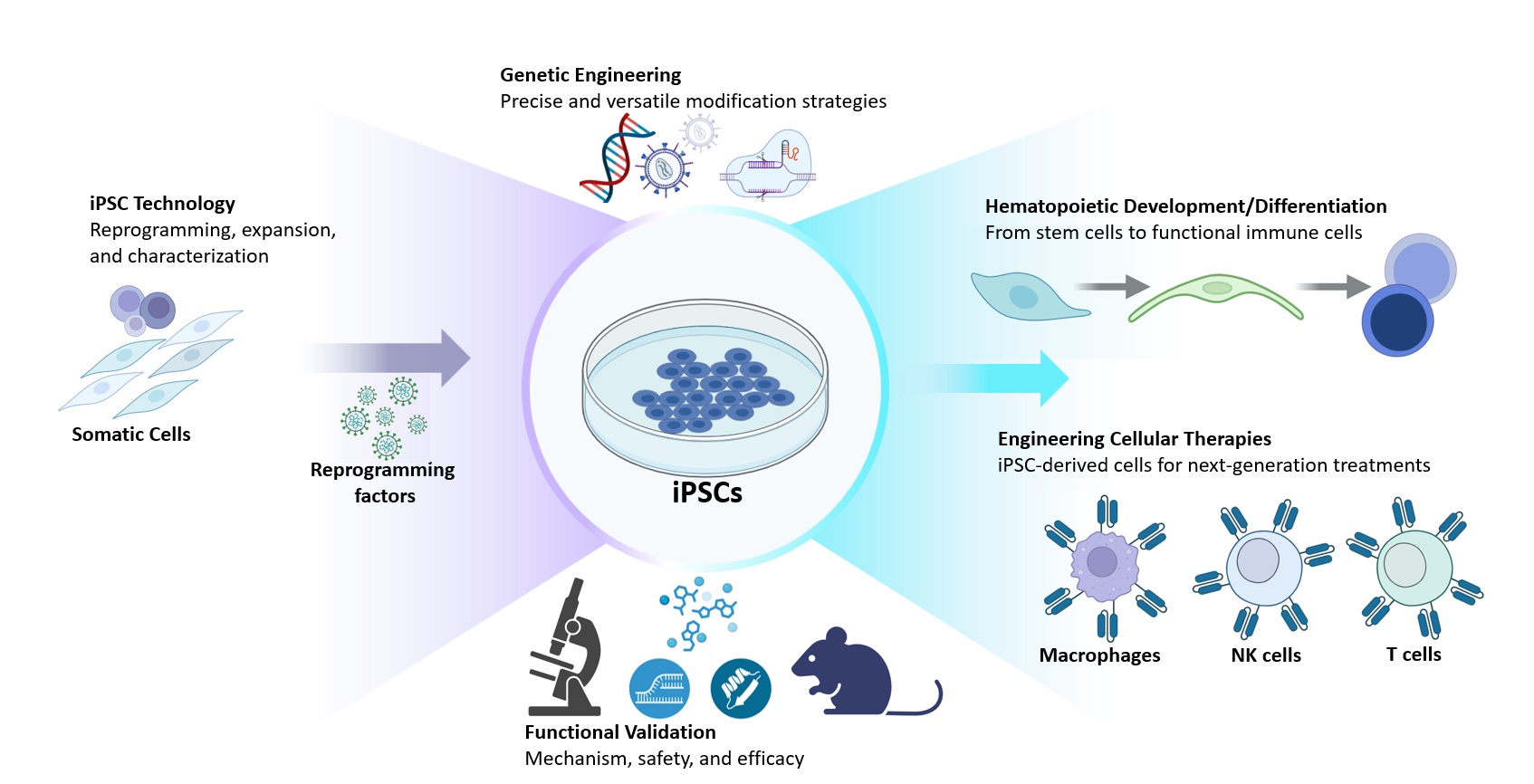
From Hematopoietic Development to Engineered Cellular Therapies
Induced pluripotent stem cells provide a powerful foundation for understanding hematopoietic development and developing engineered cellular therapies. Our research brings together stem cell biology, hematopoiesis, precision genetic engineering, and cellular engineering to investigate how defined and functional immune cells can be generated from iPSCs.
From uncovering the transcriptional programs that govern hematopoietic development to engineering iPSC-derived immune cells with tailored functions, we explore how stem cell biology can be translated into new therapeutic approaches. Our work includes the development of iPSC-derived CAR-NK cells and CAR-macrophages, as well as advanced genetic engineering strategies, with a focus on challenging diseases for which new therapeutic options are needed, as a complementary platform to primary immune cell-derived CAR therapies.
By connecting fundamental insights into cell development with sophisticated engineering approaches, we aim to contribute to the development of standardized, renewable, and potentially off-the-shelf cellular therapies and help move innovative iPSC-derived cell products from the laboratory toward clinical application.
Our Projects
Understanding hematopoietic development to enable more precise stem cell engineering.
Research
The development of the hematopoietic system provides the biological foundation for our work in cellular engineering. To generate functional immune cells from pluripotent stem cells, we need to understand the developmental processes that establish hematopoietic identity, determine lineage potential, and shape cellular function.
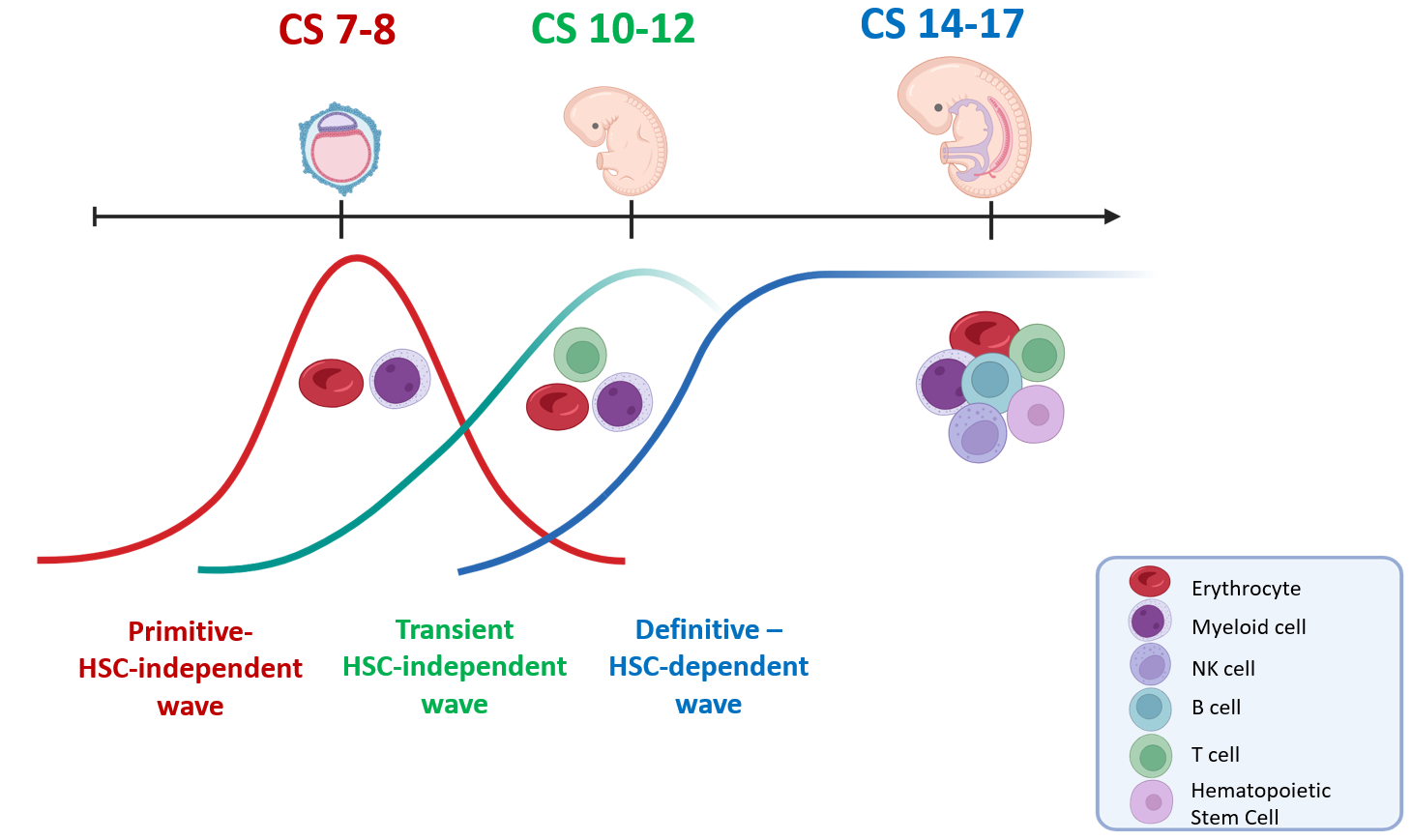
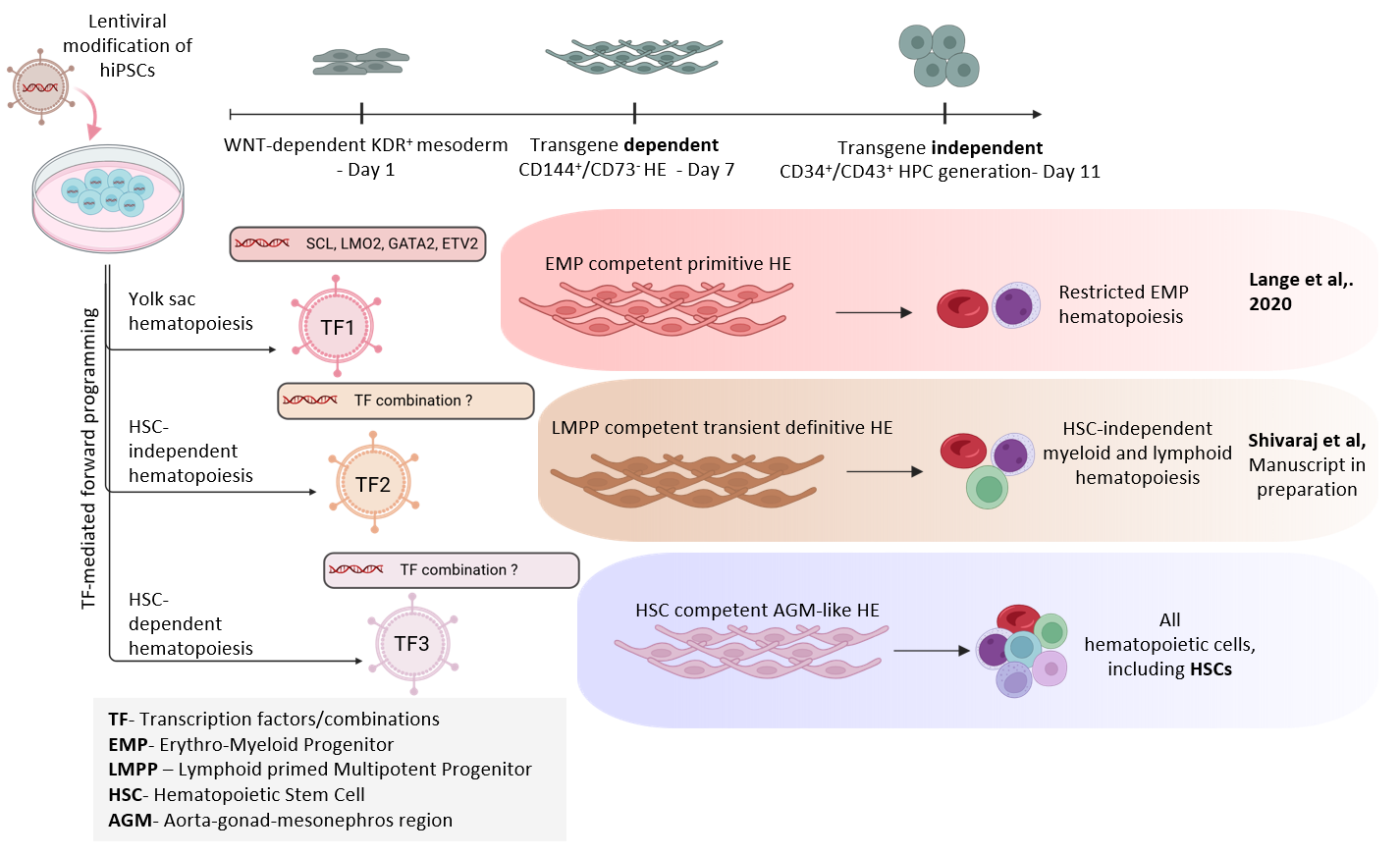
Our research investigates the molecular mechanisms governing the emergence of hematopoietic cells from their direct precursor, the hemogenic endothelium. This specialized endothelial population undergoes an endothelial-to-hematopoietic transition, giving rise to blood-forming cells during embryonic development. We aim to unravel the transcriptional networks that control this process and determine how distinct hematopoietic programs are established. A central focus is the regulation of primitive and definitive hematopoiesis and the differences in the hemogenic endothelial formation. These developmental programs give rise to distinct waves of blood formation, and understanding their molecular regulation is essential to establish controlled strategies to generate hematopoietic cell types in vitro for therapeutic purposes. We investigate how transcription factors and gene regulatory programs influence developmental transitions and hematopoietic cell fate. By characterizing these processes, we seek to identify the mechanisms that determine the emergence of specific hematopoietic populations and their functional properties. Our work connects fundamental developmental biology with the practical challenges of stem cell engineering. Insights into the regulation of hematopoiesis can inform the design of differentiation strategies, support the generation of defined immune cell populations, and help explain the biological variability observed during in vitro development.
Rather than treating differentiation as a purely empirical process, we aim to establish a deeper understanding of the biological principles that govern it. This knowledge provides a foundation for the development of more controlled and reproducible approaches to generating engineered hematopoietic cells.
Further Reading: Lange et al., Stem Cell Reports, 2020; Lange et al., Cellular and Molecular Life Science, 2021
Contact us for further information: lange.lucas@mh-hannover.de, Shivaraj.Akshatha@mh-hannover.de
Research
Cellular immunotherapy has demonstrated the potential of immune cells to selectively recognize and eliminate disease-associated targets. However, the development of robust and reproducible therapeutic cell products requires precise control over both the genetic composition and functional properties of the cells.
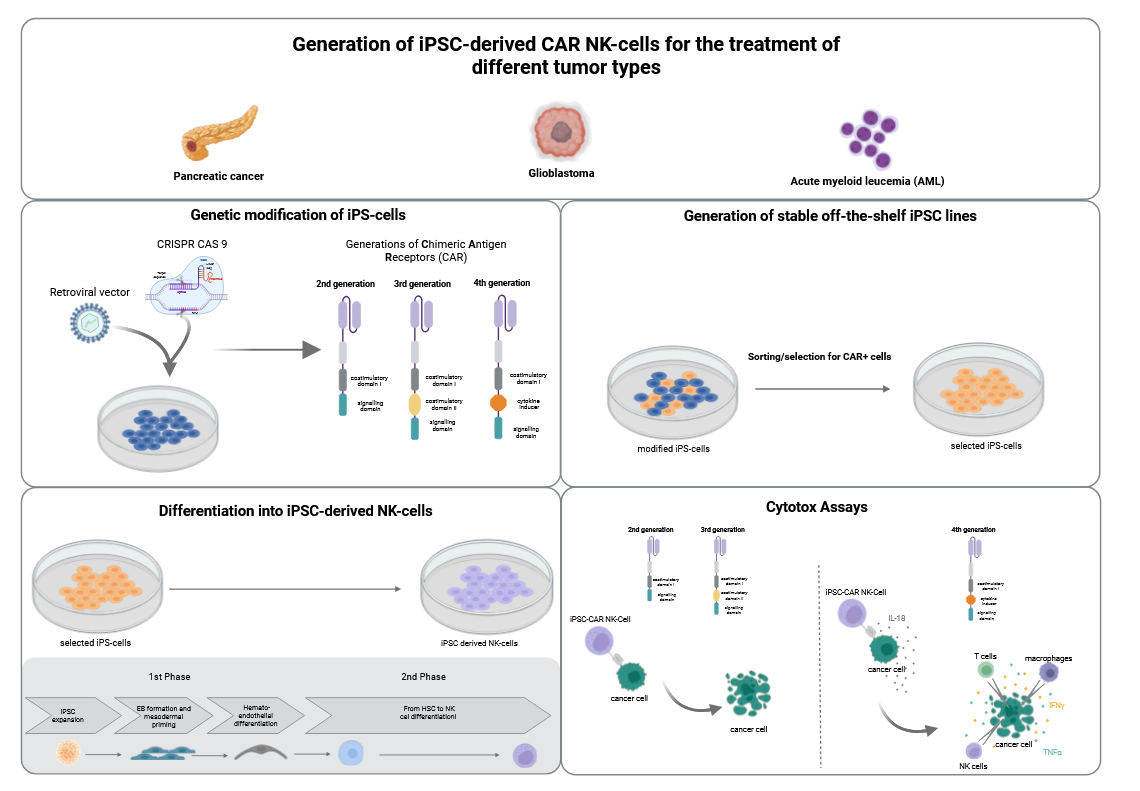
Our research focuses on the engineering of chimeric antigen receptor (CAR)-expressing NK cells derived from induced pluripotent stem cells (iPSCs). By combining the renewable potential of iPSCs with targeted genetic modification, we seek to establish flexible platforms for the development of engineered immune effectors. NK cells possess intrinsic mechanisms for recognizing and eliminating abnormal cells. Through CAR engineering, we aim to supplement these capabilities with defined antigen recognition and tailored activation programs. Our work investigates how the molecular architecture of CARs influences receptor expression, cellular activation, target-cell recognition, and cytotoxic function. A key component of our research is the optimization of CAR designs for different therapeutic applications. We explore the contribution of receptor domains, signaling configurations, and genetic expression strategies to the behavior of iPSC-derived NK cells. These studies allow us to investigate how engineered receptor systems can be adapted to the biological requirements of individual target cells and disease contexts. Our current applications include targeting tumor cells and autoreactive B cells. These settings present distinct challenges in terms of target recognition, cellular activation, and therapeutic specificity. We therefore aim to develop engineering strategies that support the generation of functionally defined NK-cell products for diverse applications.
CAR design is closely integrated with our work on iPSC modification and hematopoietic differentiation. We investigate how the developmental and genetic state of the cells influences the performance of engineered receptors, and how differentiation processes can be optimized to generate consistent effector populations. Our objective is not simply to introduce a CAR into an immune cell, but to understand and control the relationship between genetic design, cellular development, and therapeutic function.
We aim to establish versatile iPSC-based engineering platforms that enable the development of precisely designed NK-cell therapies for targeted immune intervention.
Contact us for further information: lange.lucas@mh-hannover.de, dauven.kristina@mh-hannover.de
Research
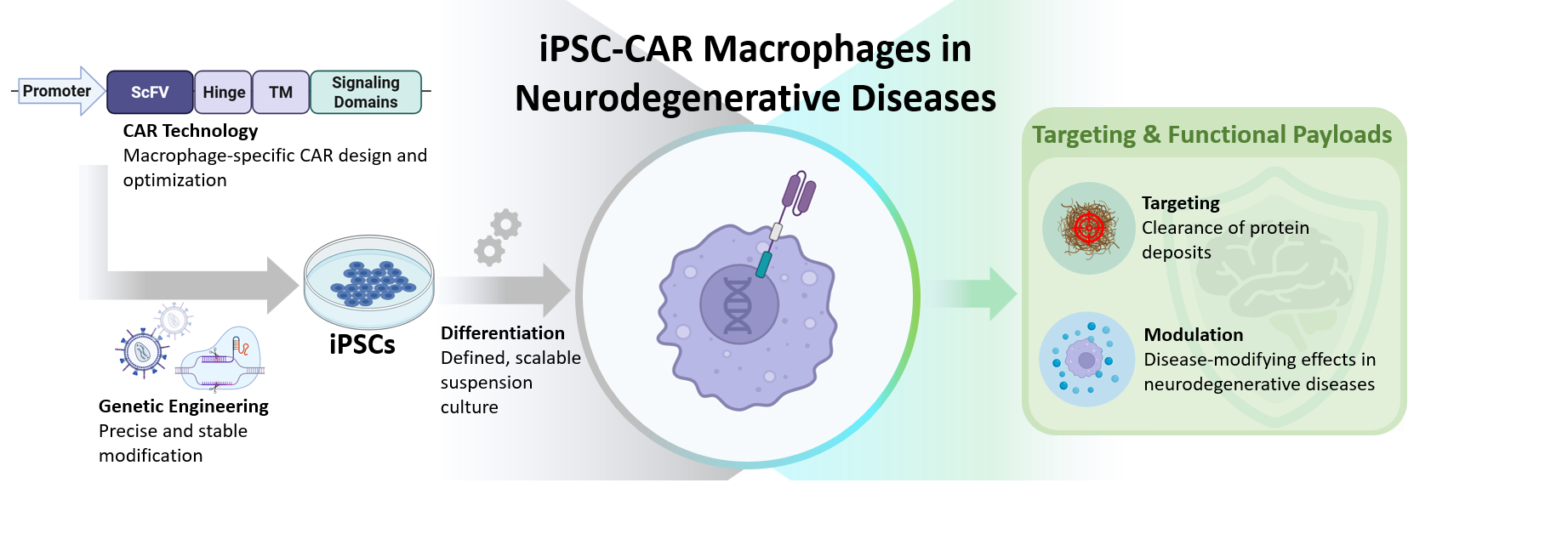
The development of cellular therapies for neurodegenerative diseases requires approaches that address the complex biology of the diseased tissue. Beyond targeting individual pathological structures, therapeutic cells may need to perform multiple functions, including recognition, uptake, intracellular processing, and modulation of the local cellular environment.
Our research explores CAR-engineered macrophages for neurodegenerative diseases. We use induced pluripotent stem cells as a renewable source for generating genetically defined macrophage populations and investigate how targeted engineering can be used to adapt their therapeutic properties. Macrophages possess a diverse range of biological functions, including phagocytosis, intracellular degradation, and the secretion of signaling molecules. We aim to harness and refine these capabilities through the development of optimized chimeric antigen receptors and additional genetic engineering strategies. One focus of our work is the targeting of pathological amyloid-beta structures associated with Alzheimer's disease. We investigate how CAR architecture and receptor-mediated recognition influence the uptake and processing of amyloid-beta by iPSC-derived macrophages. These studies help us understand the relationship between target recognition and the functional responses of engineered cells. Our research extends beyond phagocytic activity. We are interested in the development of programmable macrophages with defined and potentially target-responsive functional programs. The aim is to investigate whether engineered macrophages can be designed to respond to disease-associated signals in a controlled and therapeutically relevant manner. To support future translation, we integrate functional cell engineering with the development of reproducible differentiation and manufacturing processes. We investigate how genetic modifications, macrophage development, and process conditions influence the identity, phenotype, and functional characteristics of the resulting cell products.
Our long-term research direction is to establish a modular platform for engineering macrophages that combines target recognition with tailored cellular functions.
Contact us for further information: lange.lucas@mh-hannover.de, Felde.Marc@mh-hannover.de
Research
The development of next-generation cellular therapies requires more than the generation of functional immune cells. It depends on the ability to precisely modify their genetic programs and control the expression of therapeutic functions. Our research, therefore, focuses on developing and applying advanced genetic engineering strategies for pluripotent stem cells and their hematopoietic derivatives.
We investigate how genetic modifications can be introduced, regulated, and combined to generate cells with defined and adaptable properties. By integrating molecular engineering with stem cell biology, we aim to establish tools that enable the systematic development and functional optimization of engineered immune cells. A central component of our work is the design and generation of viral vectors for genetic modification. We explore vector configurations and regulatory elements to support the expression of therapeutic constructs, including chimeric antigen receptors and other functional transgenes. Our aim is to develop vector-based approaches that are suited to the biological requirements of iPSCs and their differentiated immune cell populations. We also develop inducible gene expression cassettes to enable more precise temporal and functional control of genetic programs. Inducible systems provide opportunities to regulate transgene activity in response to defined experimental conditions, allowing us to investigate how the timing and level of gene expression influence cellular development and function. These approaches are particularly relevant for engineering complex cellular behaviors and investigating therapeutic mechanisms. In parallel, we employ CRISPR-based genetic engineering to modify cellular pathways of interest. Genome editing offers opportunities to study gene function, introduce targeted modifications, and develop more sophisticated cellular engineering strategies. Our genetic engineering research is closely integrated with our CAR-NK and CAR-macrophage programs. By developing modular genetic tools and regulatory systems, we seek to expand the range of functions that can be introduced into iPSC-derived immune cells and to improve our understanding of how genetic design translates into cellular behavior.
Our goal is to develop precise and versatile genetic engineering strategies that enable the investigation and creation of next-generation engineered immune cells for therapeutic applications.
About us
Our Vision
Our vision is to contribute to the development of the next generation of cellular therapies by understanding and engineering hematopoietic development. By combining stem cell biology, precision genetic engineering, and cellular engineering, we investigate how to generate iPSC-derived immune cells with defined, therapeutically relevant functions.
We aim to contribute to new therapeutic approaches for hard-to-treat and currently incurable diseases, particularly where conventional treatment strategies remain limited. Our research connects fundamental insights into cell development with the engineering of functional cellular products.
In the long term, we envision contributing to the development of standardized, renewable, and potentially off-the-shelf ATMPs based on iPSC-derived cells. Through our work, we hope to provide new knowledge, technologies, and cellular platforms to advance innovative cell therapies from the laboratory to clinical application.