Background
Those who lose the ability to speak and eat are also restricted in their social participation and thus their quality of life. Old people are particularly affected by this due to muscular and cognitive decline. Observations in nursing homes for the elderly have also shown that more than half of the people living there already suffer from swallowing disorders and many residents withdraw from verbal interactions. The extensive contact restrictions of the last two years - especially for residents of care homes for the elderly - have further exacerbated this situation.
Aim
The overall aim of the planned study is to maximize the social participation of older people living in elderly care facilities. In order to maintain the joint intake of meals and everyday communication for as long as possible, this is achieved through a preventive combined orofaciopharyngeal and linguistic-communicative intervention program in elderly care facilities in the greater Hanover area:
- Activation of sensitive and motor skills in the mouth and throat to counteract age-related swallowing disorders (main target variable) and
- Stimulation of communicative skills with a focus on semantic-lexical activation in order to maintain language skills (secondary target variable).
Methods
The Institute ofGeneral Medicine and Palliative Medicine, together with the Clinical Department of Phoniatrics and Pediatric Audiology, will develop a one-hour preventive intervention (OrkA) that will take place twice a week for twelve weeks. In a cluster randomized control trial (cRCT), the effectiveness of this group intervention will be investigated. The outcome evaluation will be supplemented by a process evaluation using quantitative and qualitative methods of social science health services research (mixed methods).
A so-called control waiting group design is planned. For this purpose, twelve nursing homes for the elderly with a total of approx. 100 residents will be successively included in the study and assigned half to the intervention group and half to the control group. The group intervention will initially be offered to residents of the homes who are willing to participate and who have been assigned to the intervention group. The residents of the homes assigned to the control group will receive appropriate group training for the evaluation of the results once data collection is complete.
For the evaluation, the primary and secondary endpoints are collected using standardized procedures. The primary endpoint is the ability to swallow (Timed Test of Swallowing Capacity). In addition to basic socio-demographic data of the participating residents, the secondary endpoints are language competence (Regensburg Word Fluency Test) and subjective self-assessment of everyday communication (CAL) and food intake (EAT 10). In addition, a process evaluation of the intervention is carried out using participation feedback and training diaries. Based on the results, we will compare how successful the intervention is in improving swallowing ability and explore whether and to what extent effects can be achieved at the level of secondary target variables.
Publications
Walther W, Ptok M, Hager K, Miller S. Study protocol of the OrkA project: orofacial and communicative activation in old age - a cluster randomized prevention study in long-term care facilities in Lower Saxony, Germany. BMC Geriatr. 2024; 24: 179 (BMC Geriatr)
Funding
The project is funded by the Innovation Fund of the Joint Federal Committee for the area of health services research (funding reference 01VSF22043). The funding period runs from 01.01.2023 to 31.03.2026.
OrkA - Team
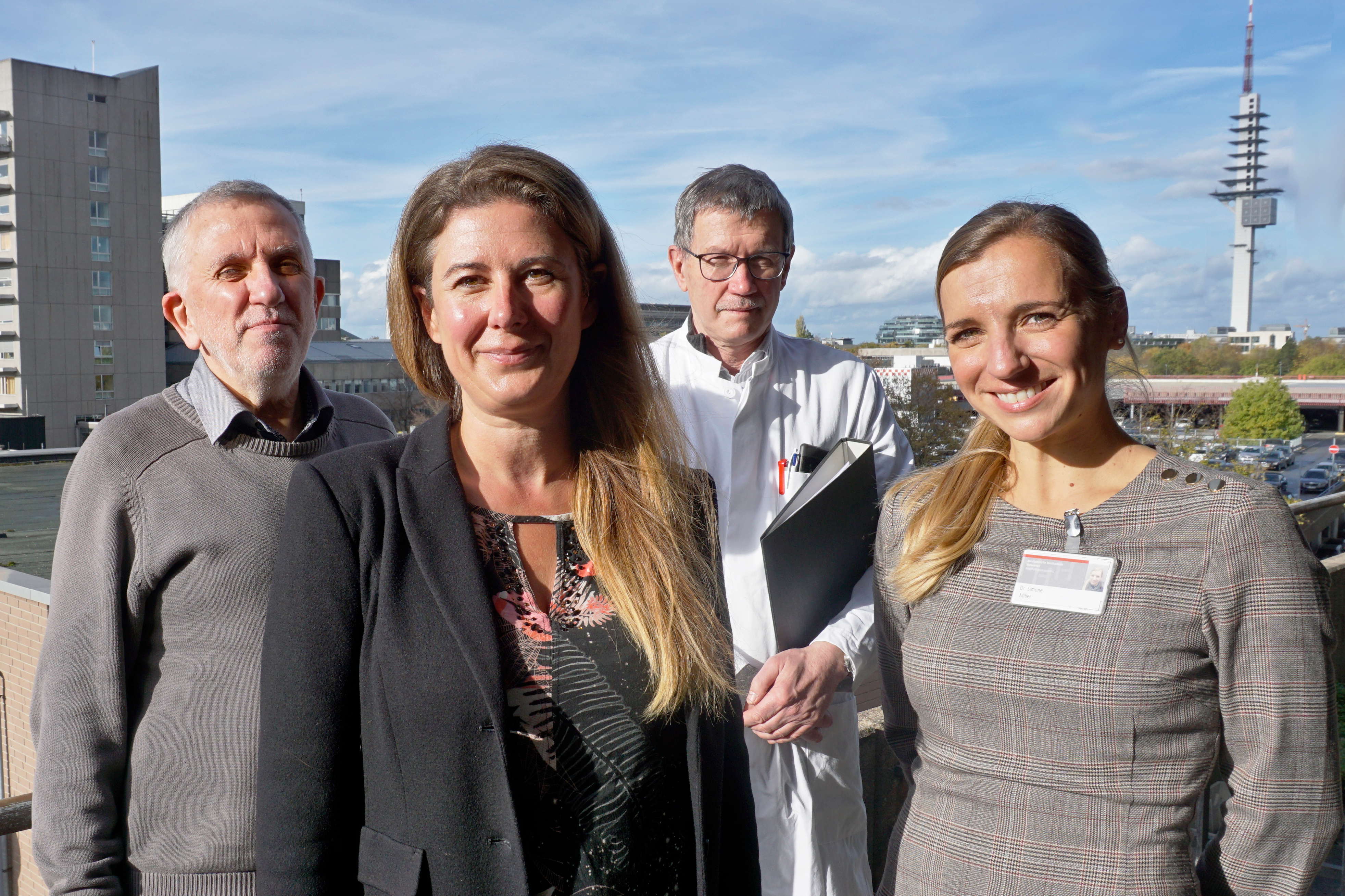
Prof. Dr. Klaus Hager (project management)
Prof. Dr. Martin Ptok (former Director of the Clinical Department of Phoniatrics and Pedaudiology)
Dr. Wenke Walther (research associate)
Isabell Fesser (research associate)
Dr. Simone Miller (research associate, PHO)
Katharina Peters (Speech therapist, PHO)
Franziska Lodziewski (Speech therapist, PHO)
Contact
- E-mail: all.orka@mh-hannover.de
- Phone: +49 511 532-8091
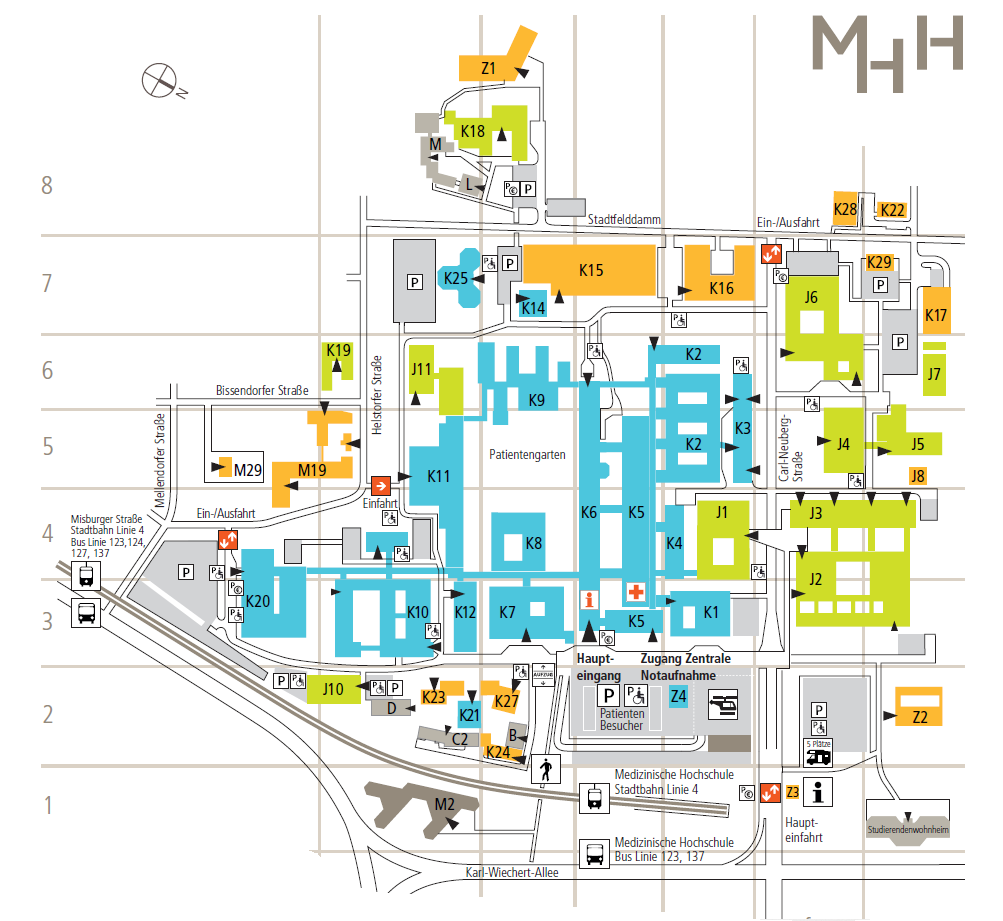
Address: Hannover Medical School
Hannover Medical School
Institute ofGeneral Medicine and Palliative Medicine
Carl-Neuberg-Strasse 1
30625 Hanover