Amyloidosis - How a sample archive can save lives
What is amyloidosis?
Amyloidosis is the name given to a group of rare diseases that are diagnosed in an estimated 50,000 people worldwide every year. Those affected suffer from the fact that defective proteins (e.g. pathologically formed antibodies) are deposited in organs and tissues and disrupt their function. Tiredness and weight loss, but also shortness of breath or cardiac arrhythmia can be symptoms. Without treatment, there is ultimately a risk of complete organ failure.
Diagnosis often comes too late
If amyloidosis is diagnosed in time, it is considered treatable. But this is precisely where the challenge lies. As the symptoms are often unspecific and also match other diseases, most patients only receive their diagnosis after months or even years. The disease can currently only be identified beyond doubt with a special examination of a tissue sample: this is stained with Congo red and examined under polarized or fluorescent light. If amyloidosis is present, this is clearly visible through so-called pathological light refraction. By then, however, it may already be too late for many of those affected. "We need to develop better diagnostic methods in order to be able to detect and treat amyloidosis earlier. The extensive sample archive that Prof. Dr. Reinhold Linke has built up over decades at the Reference Center for Amyloid Diseases provides an excellent basis for this," says Prof. Dr. Jan Hinrich Bräsen, Head of Nephropathology at the MHH.
Why a sample archive?
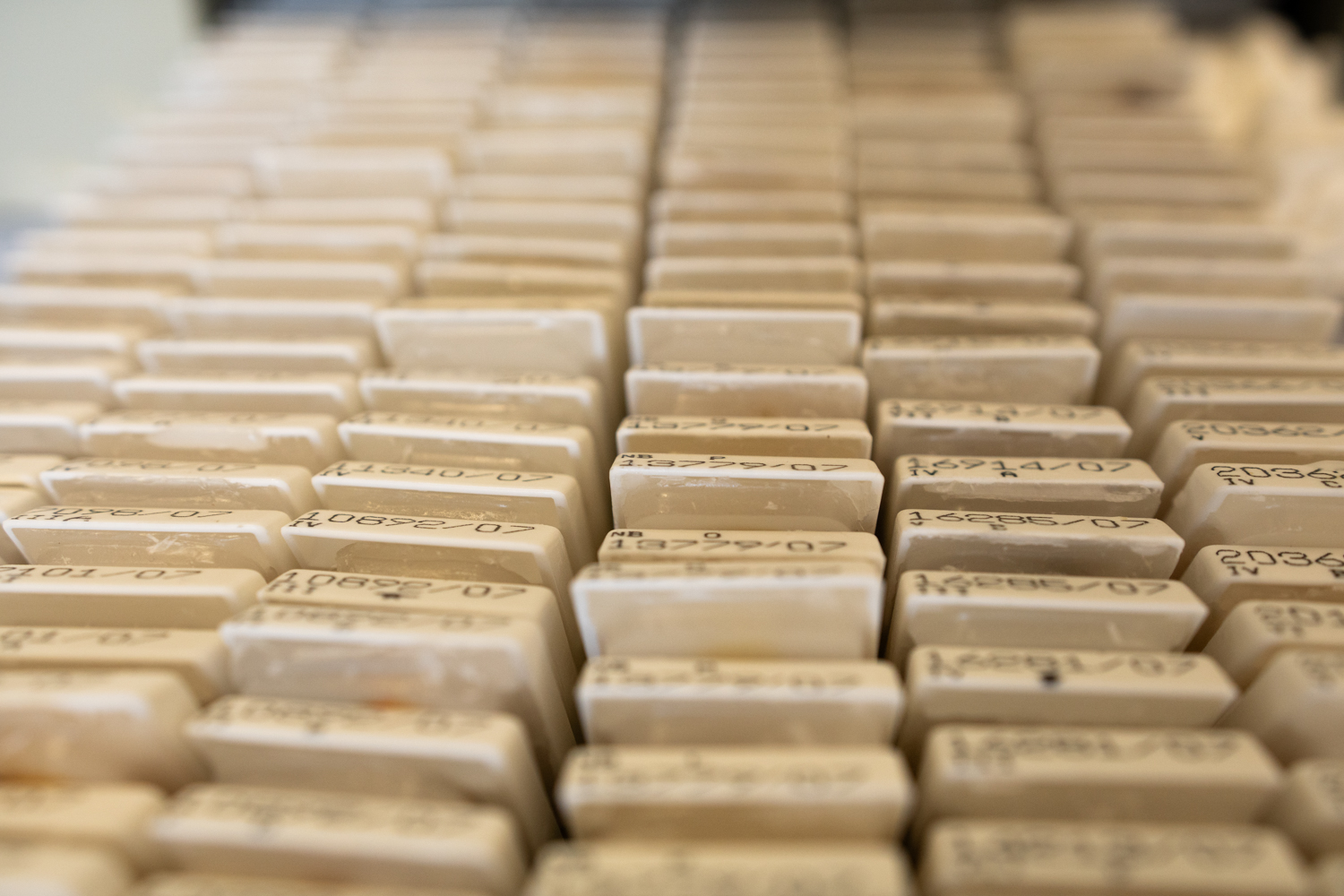
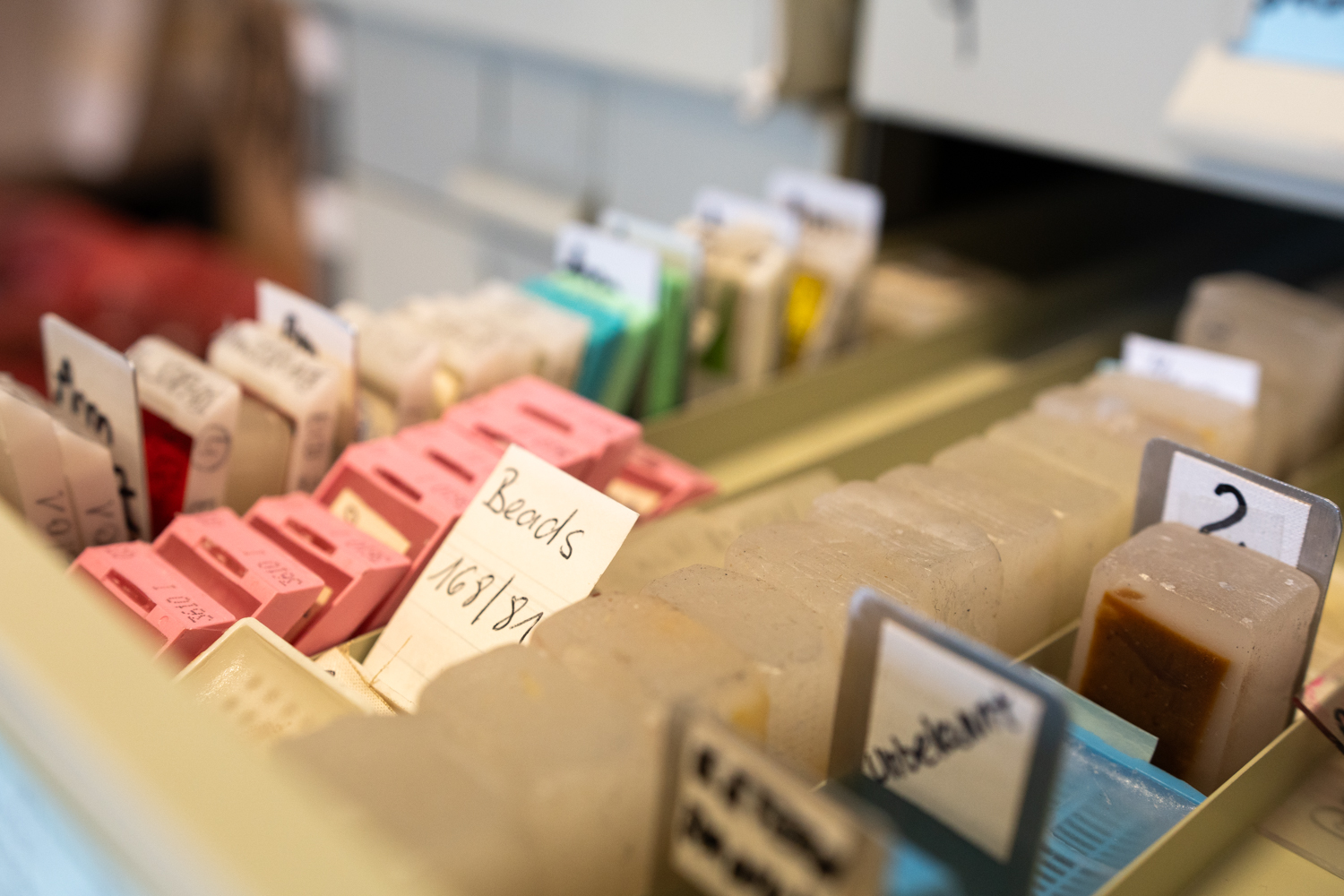
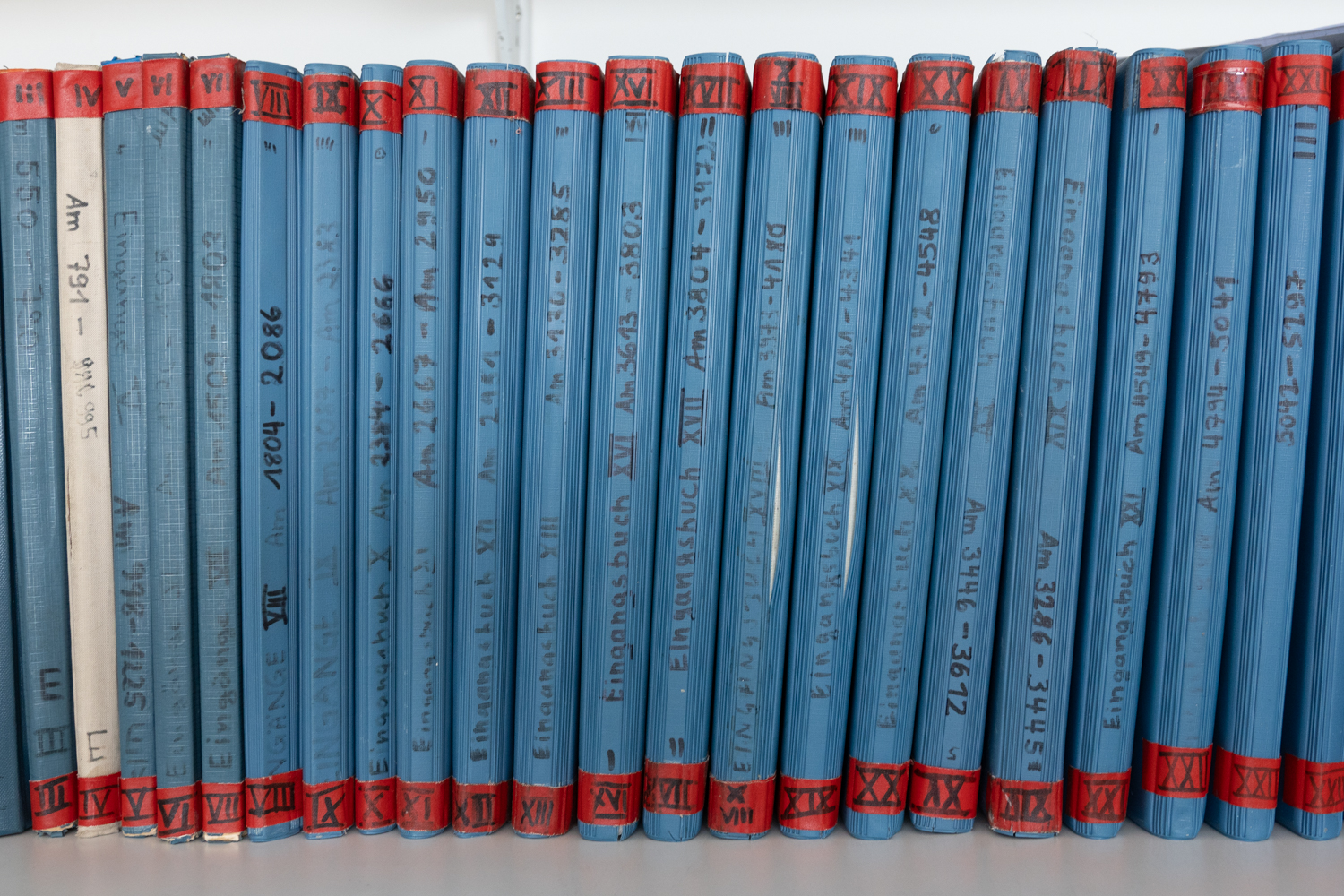
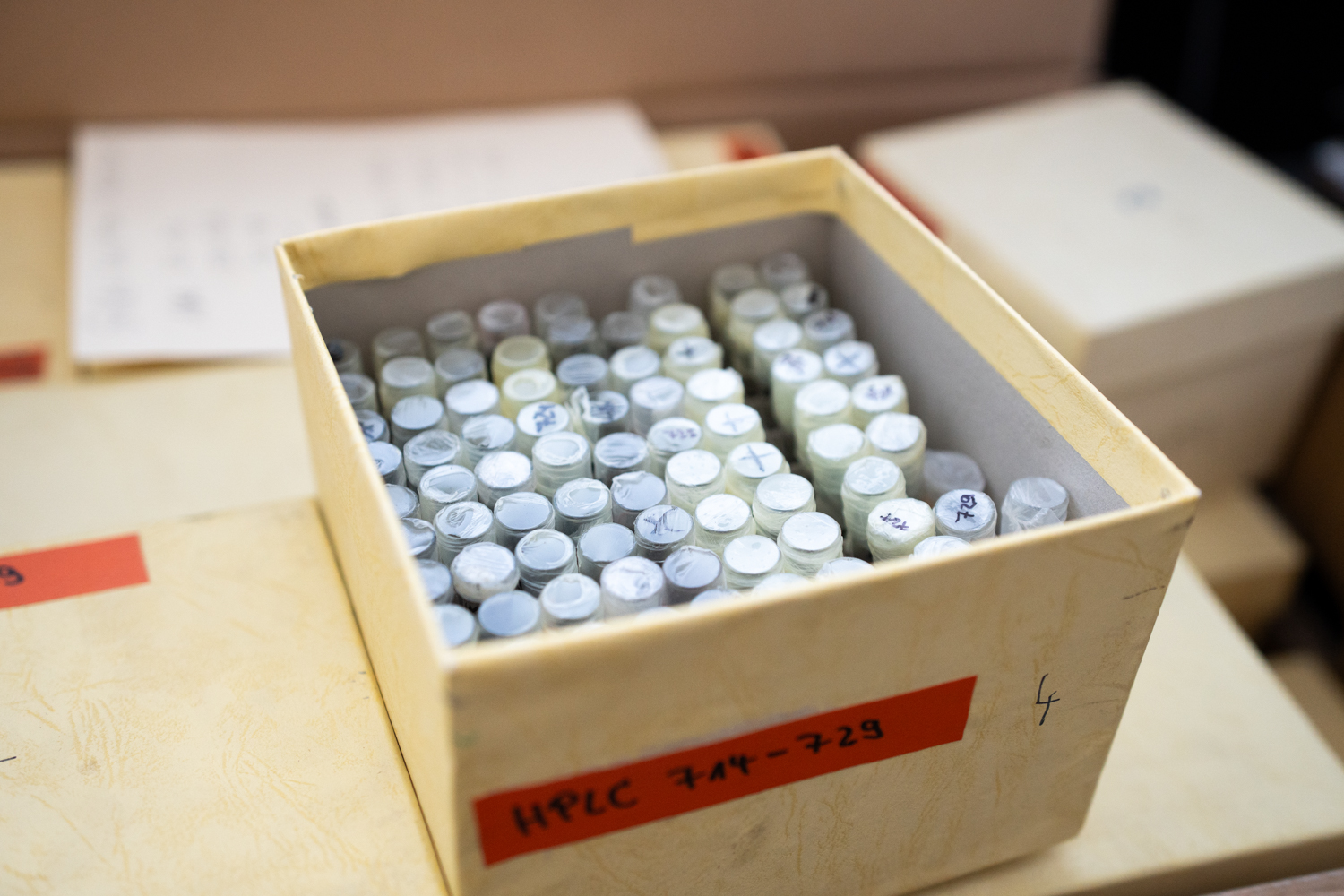
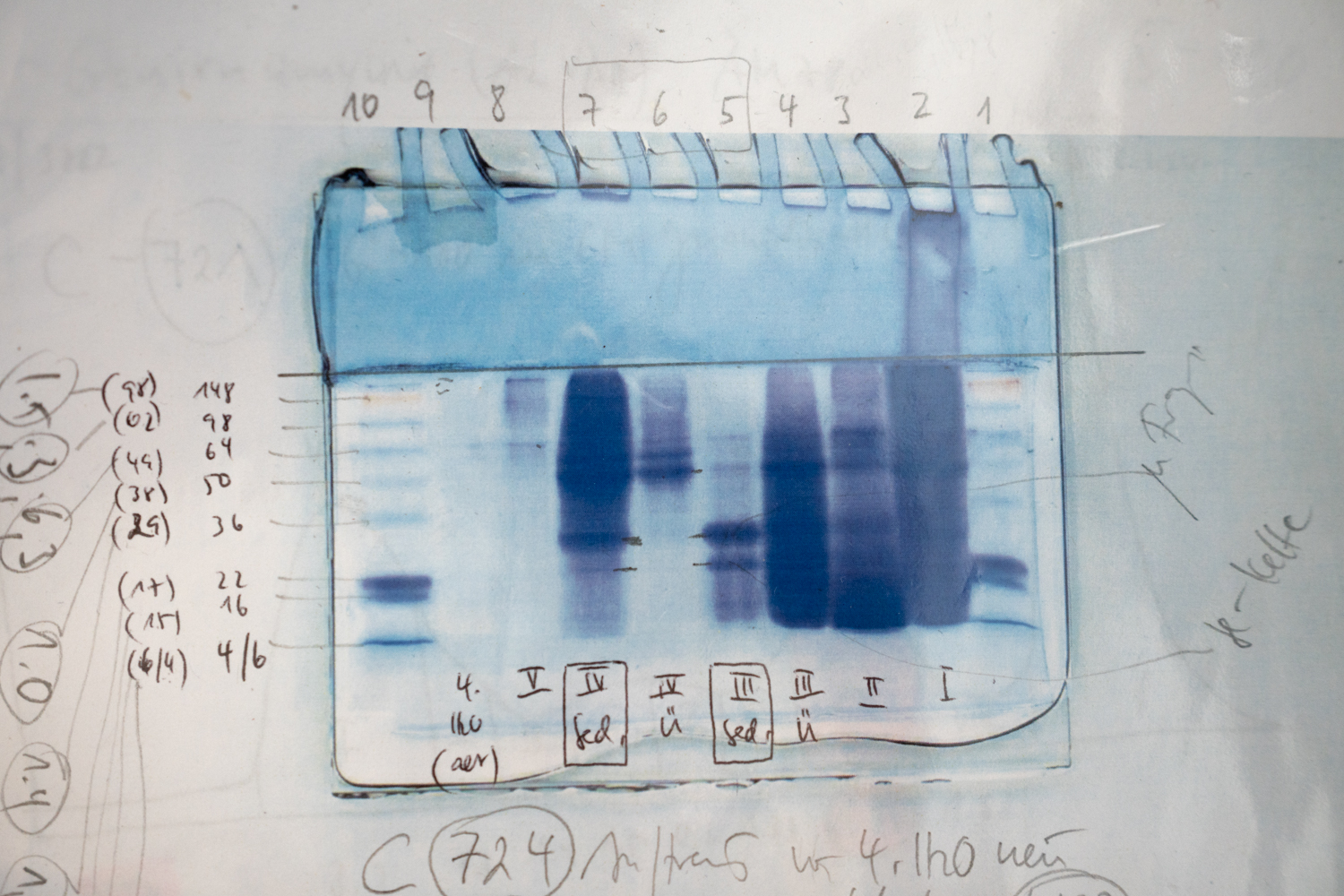
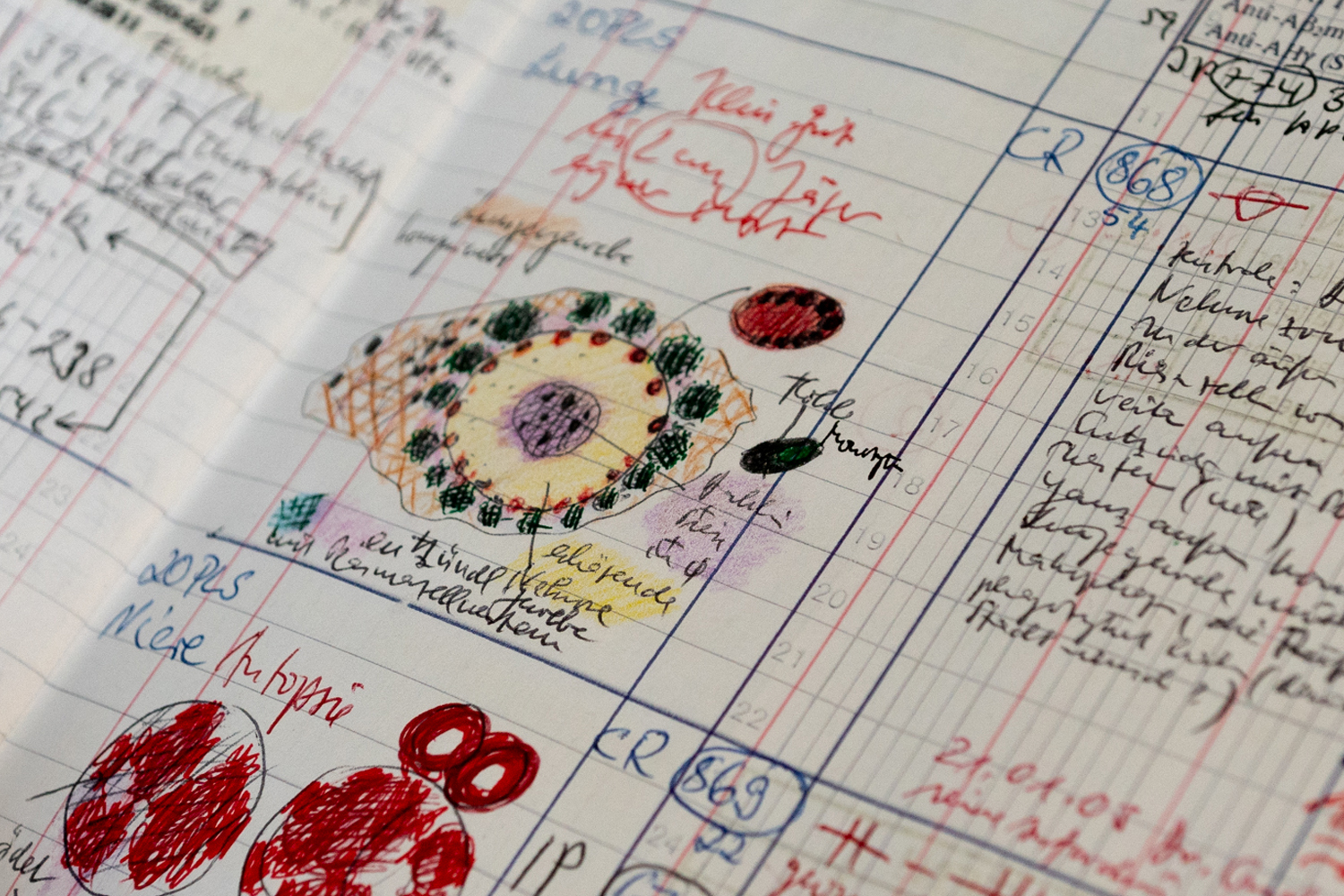
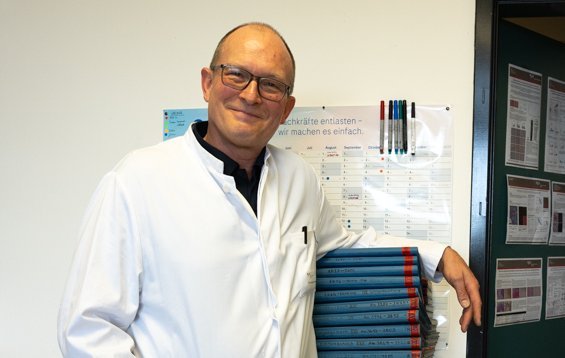
The difficulty in researching rare diseases lies in creating a sufficient data basis for sound scientific work. Prof. Dr. Reinhold Linke, founder and long-standing head of the Reference Center for Amyloid Diseases in Munich, therefore archived and documented the various samples in which amyloidosis was detected for over 40 years. He has now handed over this collection of more than 3,000 samples and numerous records to Prof. Dr. Jan Hinrich Bräsen, a nephropathologist who is responsible for tissue diagnostics at the Lower Saxony Amyloidosis Centre at the MHH. "This is a real treasure that we have received," says Bräsen. "But we don't have the necessary staff to sift through the archive and record it electronically so that we can follow up on Prof. Dr. Linke's work with the latest technical methods." Around 10,000 euros are needed to cover the additional personnel costs for recording. We therefore ask you to support this project with your donation so that we can help amyloidosis patients at the MHH even better in the future.
Donation account | Sparkasse Hannover
IBAN: DE95 2505 0180 0900 4444 44
BIC: SPKHDE2HXXX
Keyword: Amyloidosis
Insights into 40 years of amyloidosis diagnostics