Squamous cell carcinoma / tumor stem cells
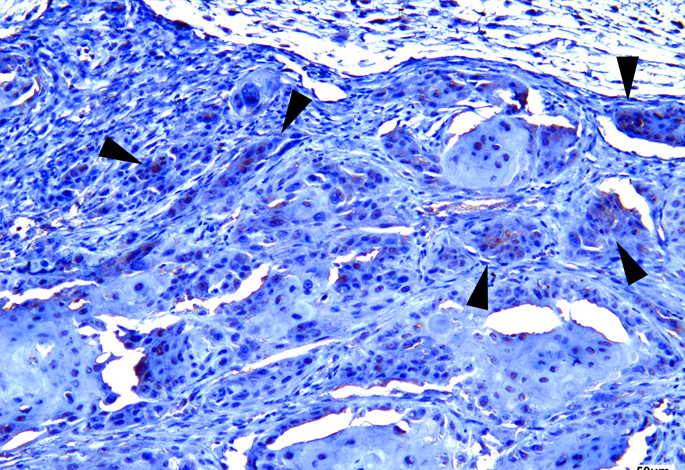
Malignancies in the head and neck area represent the fourth most common tumor neoplasm with a share of 4.8%. Despite intensive research, new therapeutic approaches and major advances in terms of quality of life, the 5-year survival rate of 50% has changed little over the last few decades.
In addition to traditional surgical therapy, treatment has developed promisingly through the clinical use of new types of medication, such as drugs that inhibit angiogenesis - the growth of new blood vessels into the tumor. Treatment methods based on anti-angiogenic therapy represent promising approaches to combating tumors.
Therapeutic approaches that lead to a blockade of inhibiting immune regulators and thus make tumor cells recognizable and combatable for the body's own immune system are relatively new.
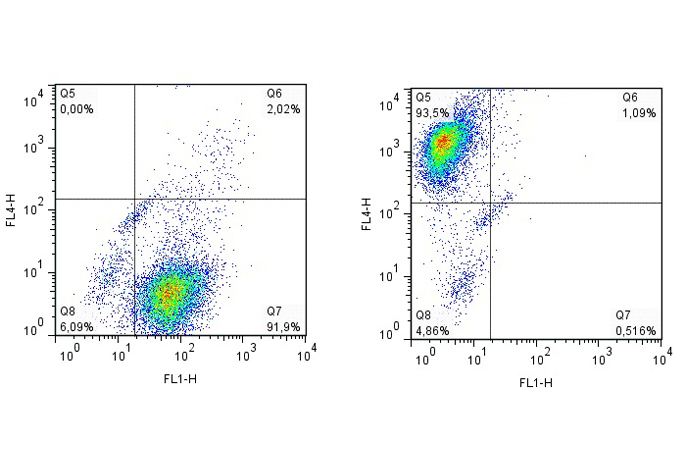
The tumor stem cell model can offer a possible explanation for various disease progressions. It is based on certain subpopulations within a tumor that differ from the others in terms of special properties (e.g. the ability to self-renew or the expression of stem cell factors). The presence of tumor stem cells is associated with a poorer prognosis in various tumors.
As part of our research activities, we are investigating the effects of treatment options on tumor growth in various in vivo models. The main focus is on influencing vascular growth. For this purpose, we use various established tumor cell lines as well as cell lines obtained from tumor tissue and made available for research. These cell lines are examined with regard to characteristic surface markers and it is checked whether these markers have an influence on angiogenesis.
" back to the research page