Anesthesia in trauma surgery
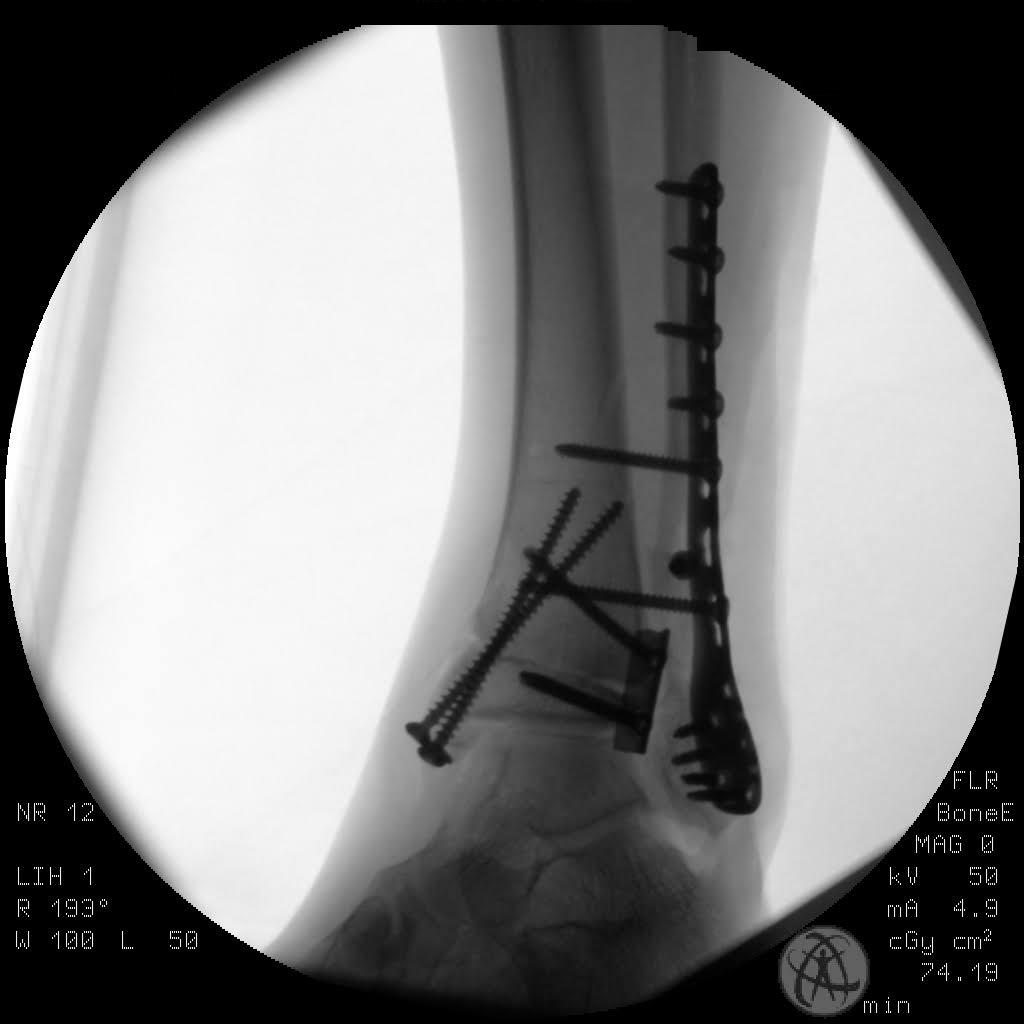
In the field of trauma surgery, over 3,000 anesthesias are administered to patients of all ages in 3 operating theaters every year. The entire spectrum of modern trauma surgery is anaesthetically treated at the highest level: from fresh injuries of all degrees of severity to the recovery of late and secondary conditions and various special operations. As a supra-regional trauma center, we also provide special care for severely injured patients who require neurosurgery, abdominal surgery, cardiac, thoracic and vascular surgery or oral and maxillofacial surgery in addition to trauma surgery.
All types of modern anesthesia are performed: depending on the operation and individually tailored to the patient, general anesthesia as well as all standard regional anesthesiological procedures or a combination of these procedures. Naturally, sonographically controlled nerve blocks are of great importance. Patient comfort is very important to us: when planning the anesthesia for an operation, we also think about pain therapy after the operation.
Extended pain therapy procedures are regularly initiated and introduced here. Pain catheters, which are placed either on a nerve or near the spinal cord, are used wherever possible for patients for whom exercise treatment is important after their operations or for whom a painful interval is to be expected after the operation. However, intravenous pain pumps containing a medication tailored to the patient's pain level are also used. Both options are also patient-controlled, i.e. the patient decides when and how much pain medication they require. Close cooperation with our acute pain service guarantees that patients are rehabilitated and mobilized as quickly as possible.