News and reports
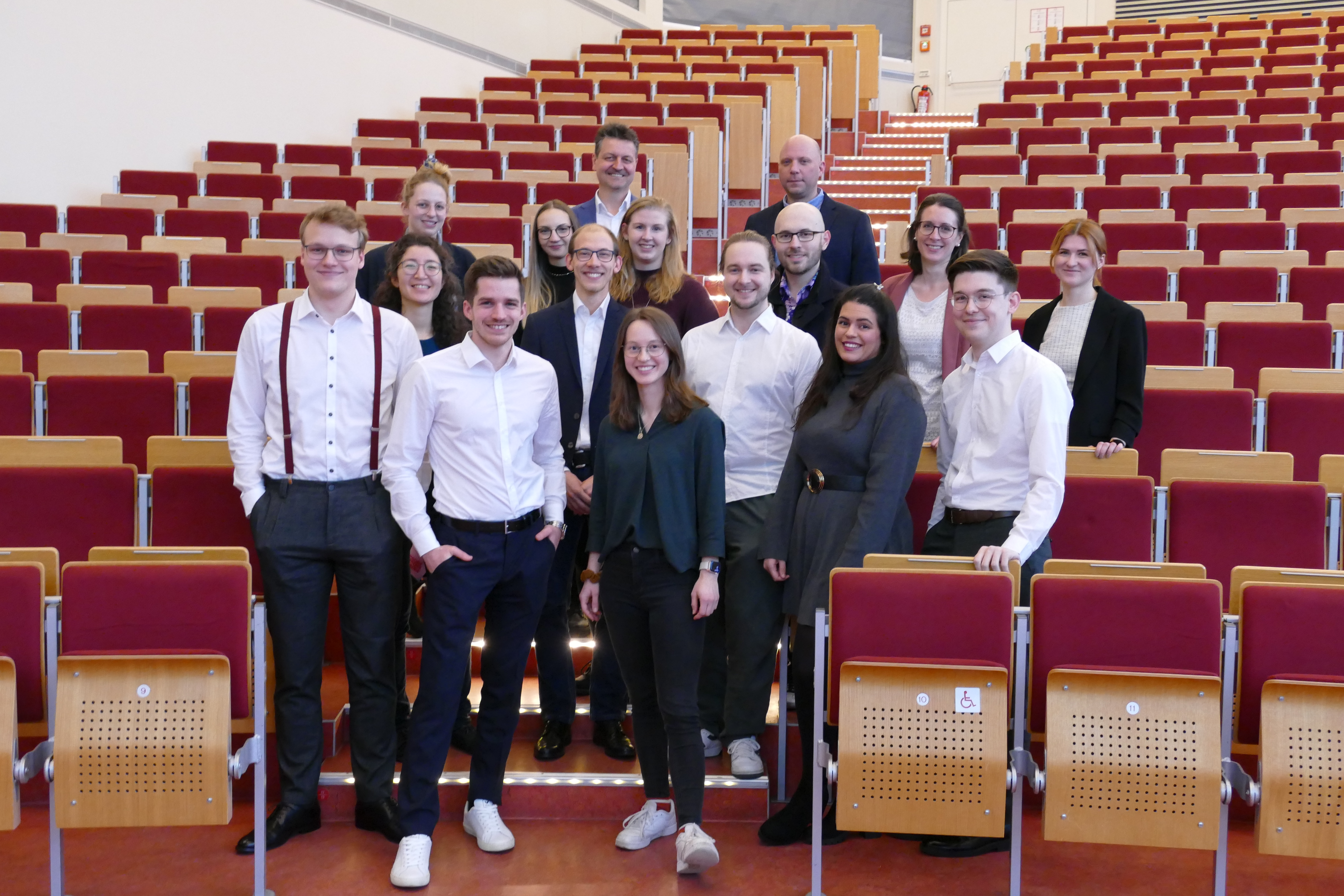
The Master's degree program in Biomedical Data Science, which was created as part of RESIST, has now produced graduates for the second time: 18 students from the first two cohorts successfully completed their studies in 2024. 14 of them celebrated this on February 6 together with graduates of the two other biosciences MHH Master's degree programs in Biochemistry and Biomedicine: they all received their certificates in a festive musical setting in the very well-attended lecture hall F.
Prof. Marschollek, spokesperson of the Biomedical Data Science Master's program, opened the ceremony and MHH Dean of Studies Prof. Just followed with a welcoming address. Prof. Bosse, researcher at the Centre for Structural Systems Biology (CSSB), Hamburg & MHH, and RESIST member, gave the scientific lecture entitled "Systems structural biology of infectious pathogens with the help of AI".
The certificates were presented by the spokespersons of the Master's programs - with Prof. Marschollek being supported by Prof. Depledge, who has also been responsible for the Master's program since the summer of 2024 as Prof. Schulz's successor.
PD Dr. Stephan Traidl received the "Best Graduate" award from the Society of Friends of Hannover Medical School e. V. for the Biomedical Data Science Master's degree course. Jana Tauschke received the "Best Master's Thesis" award for the Biomedical Data Science study programs from the Junior-GBM, Gesellschaft für Biochemie und Molekularbiologie e. V. (Society for Biochemistry and Molecular Biology).
The award for particularly committed lecturers in this study programme was presented to three modules this year: "Statistical Machine Learning - AI and Data Analysis" by Dr. Dominik Wolff's team, "Introduction to Data Analysis" by Prof. Dr. Helena Zacharias' group and "Digital Image Analysis" by Dr. Klaus Hendrik Wolf's team.
A champagne reception in front of the lecture hall afterwards gave all graduates the opportunity to bring the ceremony to a cheerful close in the company of all those present.
PD Dr. Stephan Traidl was awarded the prize for the "Best Degree" of the Biomedical Data Science study programmes and Jana Tauschke received the "Best Master's Thesis" award.
Calculating so that transplants work longer
"I was particularly interested in data analysis during my Bachelor's degree in Biochemistry, which is why I decided to do the Master's program," says Jana Tauschke. In her Master's thesis, the 26-year-old analyzed gene expression data from biopsies of transplanted kidneys. She was able to show that the rejection reactions are significantly more heterogeneous at the molecular level than at the histological level. "Looking at further subgroups of rejection reactions could enable individualized therapy and thus possibly improve the long-term function of transplants," explains Jana Tauschke. She is now doing her doctorate at the Peter L. Reichertz Institute of Medical Informatics in the "Clinical Data Science" working group. Jana Tauschke received a poster prize for the presentation of her Master's thesis at the e:Med conference in Hamburg in November 2024.
She really liked the study programmes, especially the interdisciplinarity. "Students come together who have either a bioscientific or a medical background. This is very enriching - not only in terms of content, but also as a soft skill for your future working life," she says. She also liked the many exciting topics, from statistics and data management to machine learning, and the fact that the curriculum for bioscientists is supplemented by modules in human genetics, immunology and imaging. "This mix makes the course very exciting," says Jana Tauschke. She would have liked more practical exercises and possibly more internships. Based on her experience in the first year of the study programs, it would also be good to better assess students' prior knowledge, better coordinate online and classroom material and avoid redundancy between modules.
What factors cause susceptibility to infections?
Dr. Stephan Traidl from the Clinical Department of Dermatology and Allergy at the MHH had already started the Master's course when he was still working on the DFG-funded Clinician Scientist Program PRACTIS. In his Master's thesis, he examined skin samples from patients with atopic dermatitis (neurodermatitis) who had severe herpes infections (eczema herpeticatum, EH). He was particularly interested in the transcriptome data. His aim was to find factors that make people particularly susceptible to herpes infection. "We found significant differences in gene expression that indicate increased viral susceptibility in the skin of EH sufferers. Dupilumab, an IL-4R antibody used to treat atopic dermatitis, was only able to partially normalize the antiviral defence," explains the 31-year-old.
"In the Master's program, I particularly liked the thematic focuses, which ranged from basics such as data analysis to omics and artificial intelligence (AI)," he says. The lecturers really put a lot of effort into designing this still young study programme in the best possible way. "The exchange with fellow students was also always very good and not only enriched the course itself, but also the research projects," he adds. He recommends further expanding the field of AI and also addressing its application beyond the borders of the MHH, for example in the biomedical industry.
Author: Bettina Bandel
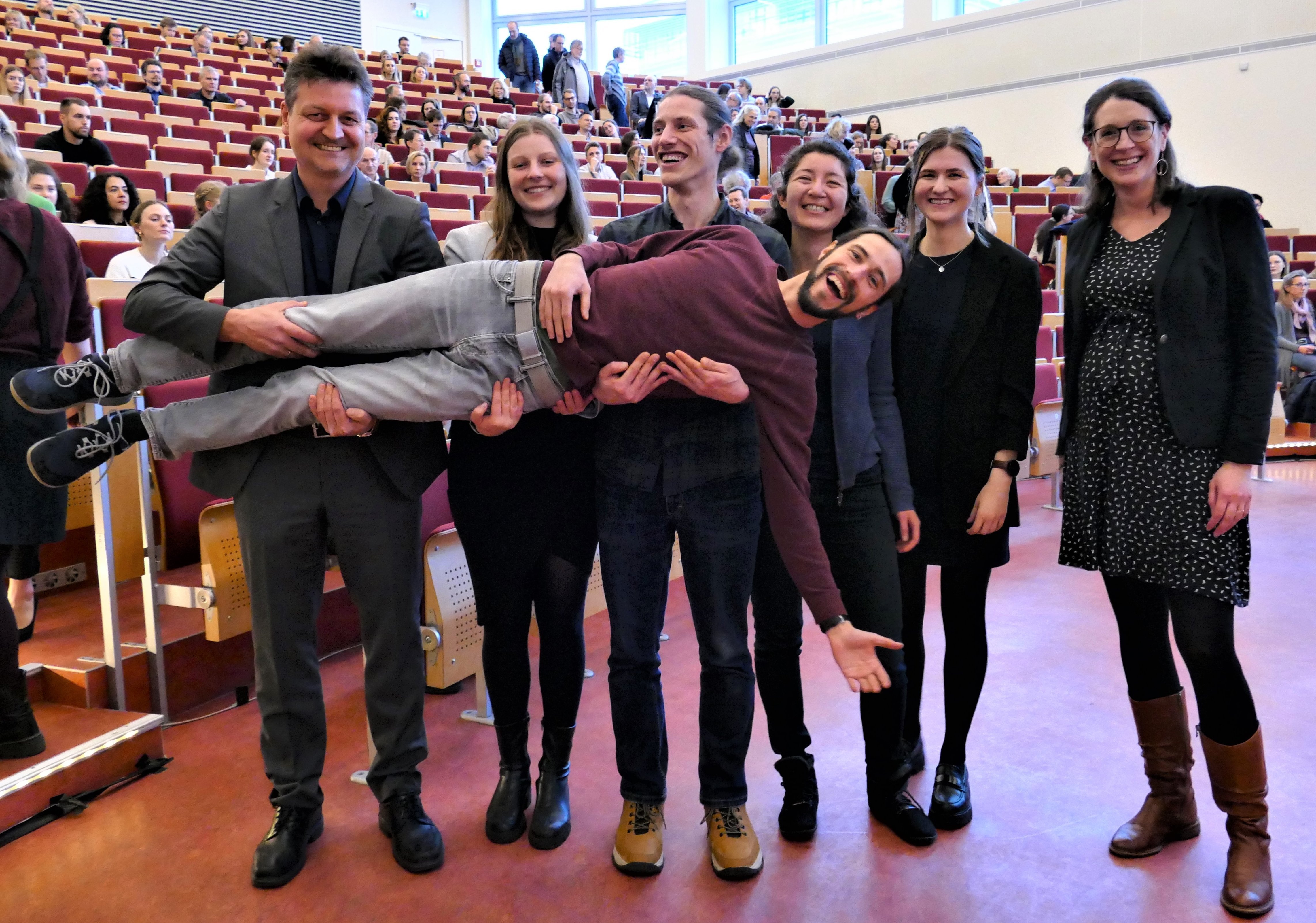
How can artificial intelligence and machine learning improve health? How is it possible for data to help prevent diseases, make diagnoses or make treatment decisions? These and other important questions relating to the collection, processing and analysis of large amounts of data in medical and scientific research are the focus of the four-semester Master's course in Biomedical Data Science. The study program was created as part of the RESIST Cluster of Excellence, which is led by the MHH. It has now produced its first graduates: Konstantin Büttner and Dr. Adrian Schulz. "I liked the study programmes because it was easy to get in touch with the lecturers, I liked the practical orientation and gaining experience in the working groups," says Konstantin Büttner. The 29-year-old physician completed his Master's thesis at the Peter L. Reichertz Institute of Medical Informatics (PLRI) and developed a machine learning model: "I trained an AI algorithm to recognize patterns that can be used to predict organ dysfunction in children being treated in the intensive care unit." He now works at Heidelberg University Hospital. Among other things, he is currently interested in integrating machine learning algorithms into the Clinical Department, for example to predict at an early stage whether a patient will develop severe sepsis based on laboratory data and vital parameters such as pulse, blood pressure and oxygen saturation. Dr. Adrian Schulz also really liked the family atmosphere of the small cohort on the Master's course. "The lecturers were always very approachable and interested in our feedback. They went to great lengths to respond to our wishes," says the 33-year-old. He particularly enjoyed the "Statistical Machine Learning - Artificial Intelligence and Data Analysis" module. Dr. Schulz studied Human medicine before his Master's degree and is now working on clinical decision support systems in Dr. Dominik Wolff's "iXplain_CDS" junior research group at PLRI. "These systems are able to process large amounts of data in a very short time. They can support physicians in making decisions - for example when making a diagnosis or planning treatment," he explains.
Author: Bettina Bandel
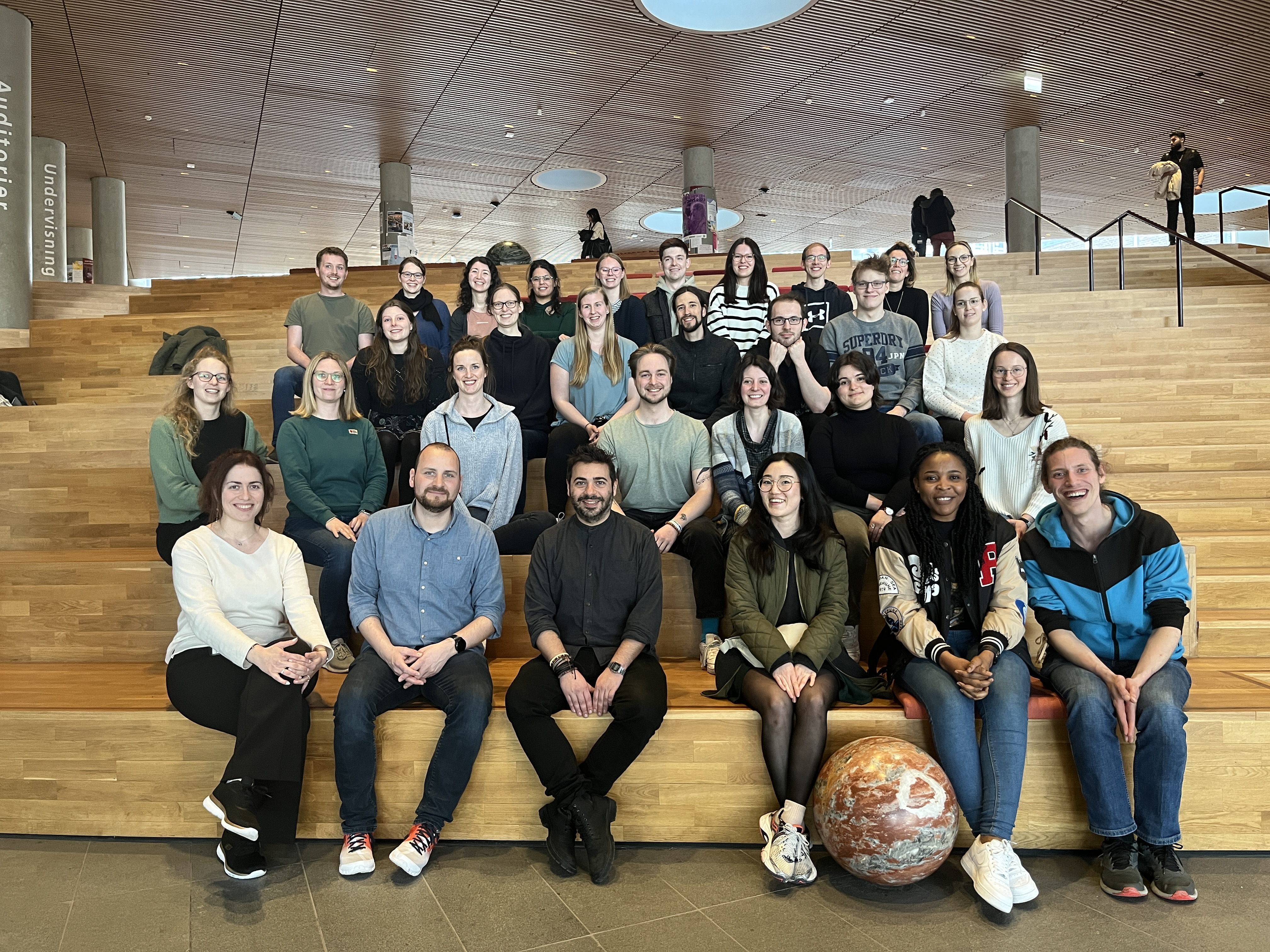
Data science students were in Copenhagen in April 2023 - a text by Katharina Wendt, second semester student
Status: 27.04.2023
To gain insights into foreign research projects and health data management systems, network and learn about different career paths, 25 students made their way to Copenhagen on April 19, 2023. They were participants in the Joachim Herz Foundation's Add-on Fellowship for Interdisciplinary Life Science, which sponsored this excursion as well as the trip to Luxembourg last year, and students from the two current years of the Biomedical Data Science Master's program at the MHH.
The outward journey from Hanover by train went smoothly, with only the arrival being delayed by 40 minutes due to a few small unplanned stops in Denmark. During the journey we played cards, chatted and laughed, so that the almost nine-hour journey flew by. After arriving at Copenhagen Central Station, we took the metro to our accommodation. As it was already evening, the only thing left on the agenda was to explore the rooms and the surrounding area.
The second day began with breakfast, after which we set off for the University of Copenhagen at 8:30 am on the dot. We walked for around 30 minutes along the canal to the university, where we were welcomed by Eleonora Nigro from the Center for Health Data Science (HeaDS) at the University of Copenhagen.
This was followed by exciting presentations from the HeaDS: The first presentation provided information about the "sandbox" - a secure "play area" for working with data. This involves using artificial intelligence to create so-called synthetic data based on real data sets, which do not allow any conclusions to be drawn about personal data and therefore guarantee Data Protection. In the second presentation, we were given an insight into working with data from the perspective of training people in handling data. Further lectures informed us about the everyday life of a data scientist during the PhD and PostDoc period.
During the lunch break, we were able to fortify ourselves with delicious sandwiches before we went up to the 15th floor of the building and admired the view over Copenhagen. Afterwards, we were able to get to know other areas of work of data scientists and ask questions during a panel discussion. The insight of the day was that you can find your way into data science from different fields of study and at different points in your scientific career.
A visit to a restaurant rounded off this exciting day: The sumptuous buffet included everything from salad, vegetables and meat to soft ice cream and rhubarb crumble, so everyone got their money's worth.
On the third and final day, we set off on foot again: the route to the Diagnostic Center at Rigshospitalet took us through the park of Rosenborg Castle, among other places. When we arrived at our destination, we were warmly welcomed and then given an insight into the Danish healthcare system. For example, we learned that every Dane receives an individual "Central Person Register" (CPR) number, which is used to store and record all health-related data. This topic led to extensive discussions, as such comprehensive data storage would be unthinkable in Germany. We were also introduced to various research projects and were given an overview of whole genome sequencing for the detection and classification of bacteria. The short breaks were sweetened with Danish pastries before we continued with an overview of big data analysis for genotype-phenotype correlations and exploratory data analysis. A joint lunch in the Canteen concluded the excursion.
The excursion was a complete success not only because of the bright sunshine throughout, but especially because of the impressive insight into the everyday work of data scientists and their versatile applications in bioscientific and clinical research.
Author: Katharina Wendt
Status: 06.05.2022
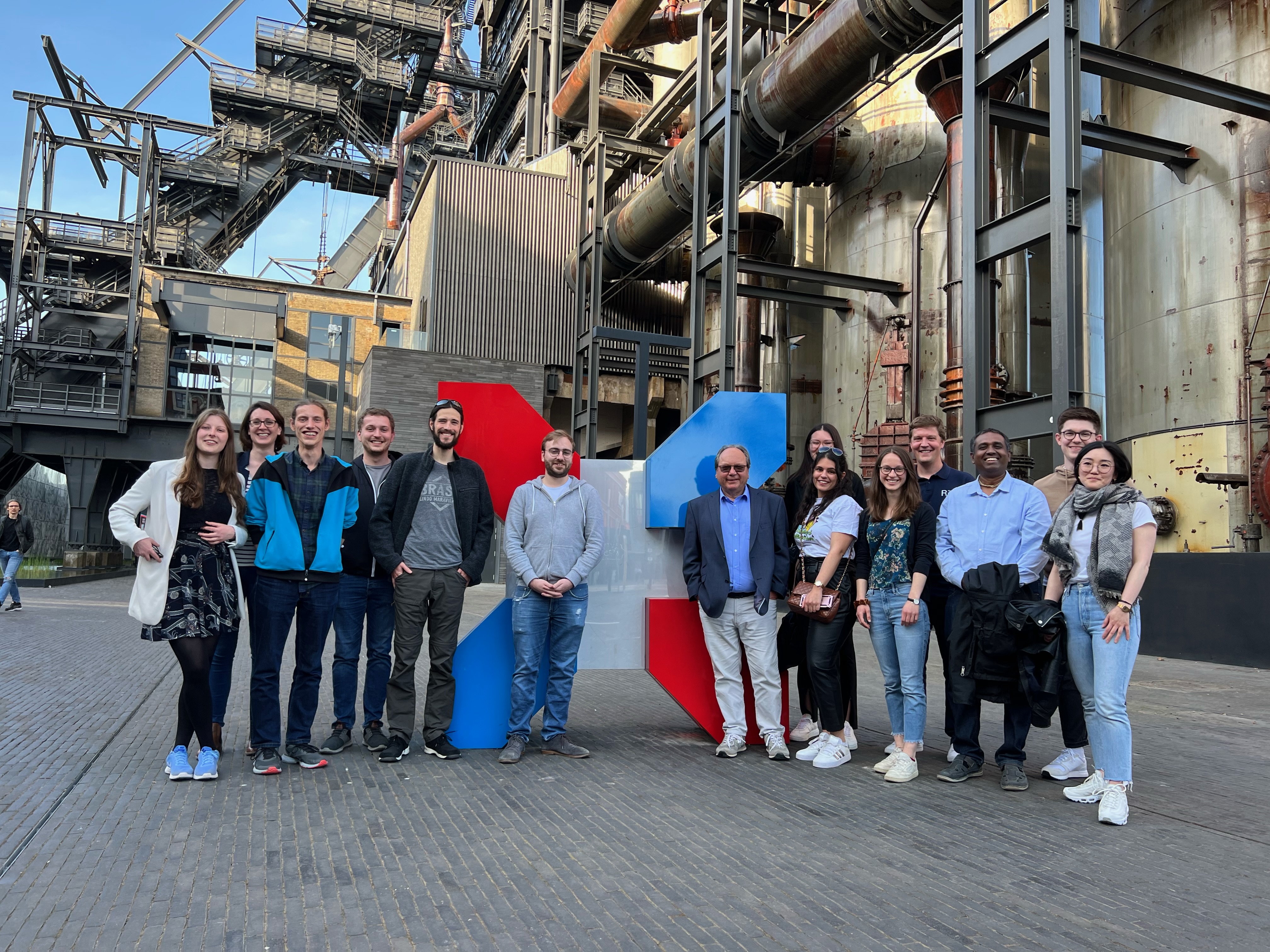
On Wednesday morning, April 27, 2022, a group of students from the Biomedical Data Science - Master program at MHH gathered at Hanover Central Station full of anticipation. The excursion to the Luxembourg Center for Systems Biomedicine (LCSB), sponsored by the Joachim Herz Foundation, was finally about to begin.
But first, the train journey of around 8 hours had to be made as entertaining as possible. The students of the online-based Master's degree program, who usually only meet in person during the short attendance phases at the MHH, took the opportunity to get to know each other better. The time flew by with card games and lively discussions. After arriving at the University of Luxembourg campus in Belval, just outside Luxembourg City, the group spent the evening relaxing.
The following morning, the group headed from the hotel to the LCSB, which is within walking distance, where the program prepared by the hosts began. The topics were divided into several sessions, between which there was time for discussions over coffee and snacks. The wide range of expertise represented at the LCSB was also reflected in the diversity of the program items: Data science pipelines and their implementation, the programming language "Julia" for high performance computing and the data visualization tool "Ada" were just some of the topics covered on the first day. A central theme of the events was the implementation of the R3 and FAIR principles. These are principles for the sustainable and transparent handling of research data, which are intended to counter the reproducibility crisis in the life sciences. Another common feature of the presentations was the focus on transparent open source software. There was also an emphasis on sensitizing the audience to typical pitfalls in the management of data science projects.
After an intensive and exciting day at the Institute, a walk around the campus took place, during which the hosts had a lot to tell about the history of the place. The still young campus in Belval was built on the site of a former steelworks and is a unique experience thanks to the combination of old steelworks buildings and state-of-the-art architecture. After the walk, the international group stopped off at a restaurant. Not only the excellent food, but also the exchange between the students and the Luxembourg team contributed to a wonderful evening.
On the morning of the second and final day at the LCSB, the students had the opportunity to gain their own experience with various applications. The "KNIME" software was used to create data cleansing pipelines that are traceable and reliably reproducible. The disease map for Parkinson's disease developed at the site was also presented and tried out by the students. This is an interactive representation of the available knowledge on the molecular mechanisms of Parkinson's disease. After the practical sessions, the excursion came to an end with lunch together on the roof terrace in the best weather. All participants came to the conclusion that the excursion was a complete success. And who knows - maybe it won't be the last excursion to the LCSB.
Author: Dr. Adrian Schulz
Status: April 28, 2022
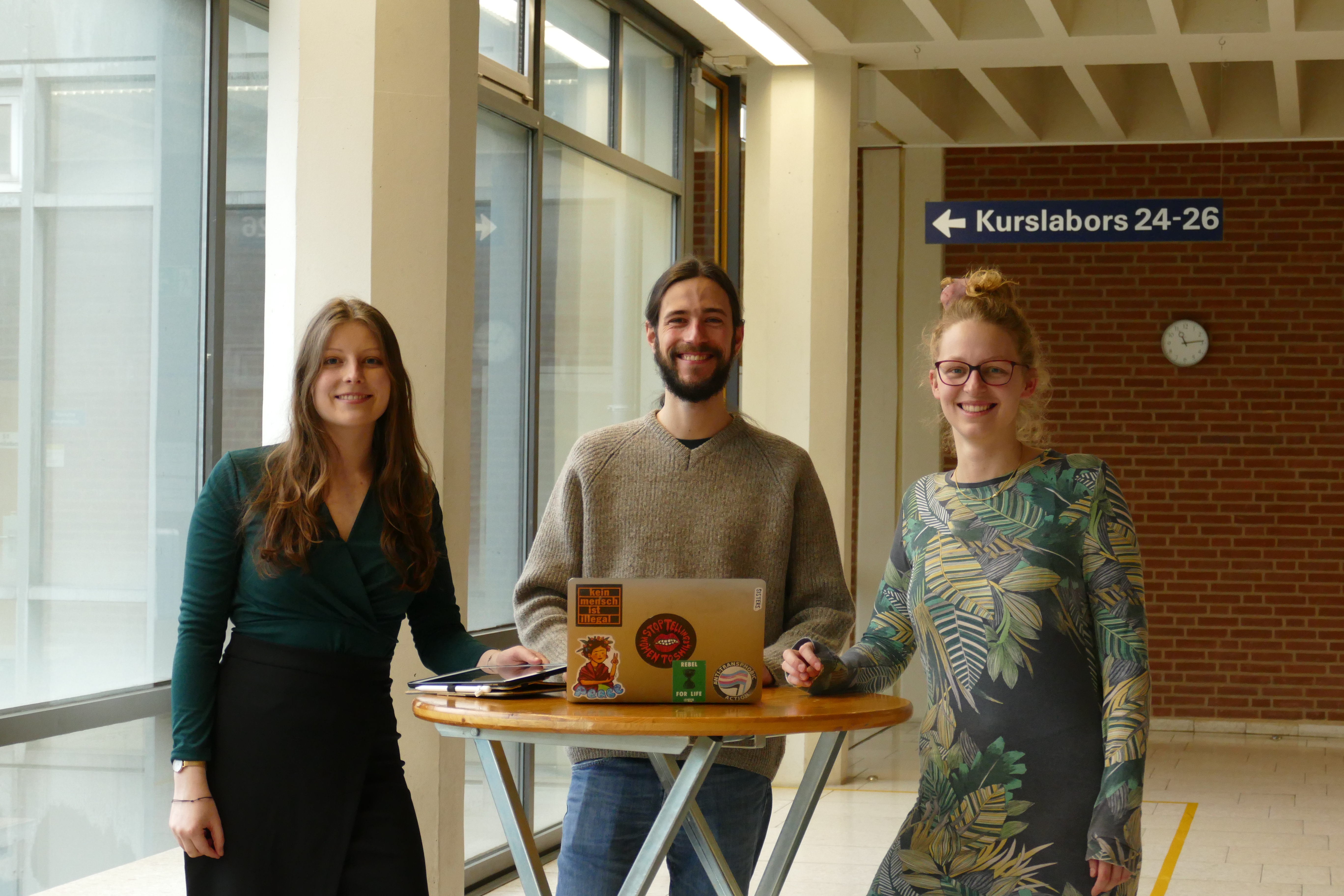
Very good. Marie Mikuteit, Adrian Schulz and Julia Winkler enjoyed the first semester of the Biomedical Data Science Master's course - both the content and the way it was taught.
Together with their fellow students, they were able to delve deeper into topics such as "Introduction to Data Science", "Fundamentals of Informatics" and "Clinical Studies and Biobanking". "The course is well structured and includes many practical examples," reports Julia Winkler. The way of studying was new for many. Instead of lessons on site, everyday laboratory work and internships on wards - which was familiar from previous medical or scientific study programmes - everyone now learns at times of their own choosing, from home and online. "I like this because it allows me to coordinate my studies well with my work at the MHH," says Marie Mikuteit. For others, it's practical because they don't live in Hanover. The small group of 18 people is also new and popular, for example for Adrian Schulz: "I like the fact that everyone knows each other and teamwork is very much encouraged."
Interaction at eye level
The students are particularly enthusiastic about the lecturers and coordinators. They find them as committed, respectful and cooperative as they are flexible and accommodating. "You can tell that the lecturers are keen to teach us something. They find it relevant that people are studying something like this and treat us as equals," says Marie Mikuteit. "You get an answer to your questions quickly and it's a real team effort," agrees Julia Winkler. The fact that the course is still in its infancy is noticeable in individual points - for example, tasks were sometimes too extensive, but were adjusted after re-registration. "They are genuinely interested in our opinions and feedback. We can help shape this new study programme - and I want to live up to my responsibility," says Adrian Schulz. The coronavirus restrictions hardly affected the course, as most of the appointments were planned online from the outset. It was important for everyone to be able to get to know each other during an in-person week at the start of the course.
The students are looking forward to the next three semesters - as well as the time afterwards. Adrian Schulz is excited about the topics of artificial intelligence, big data and biostatistics. He can imagine working in the field of data science later on. Marie Mikuteit would like to work as a physician and researcher at a university later on, but also thinks it is important to be able to evaluate data if you only work clinically. And Julia Winkler had her sights set on working in the field of clinical studies at the beginning of her studies. But now she knows: The range of knowledge she is acquiring with this degree is much broader and offers many more opportunities than she thought.
Start of applications for the coming winter semester
Interested students can apply for the Biomedical Data Science Master's degree course from April 30. The application deadline is July 15, 2022.
The contact person is Dr. Melina Celik, phone: (0511) 532-5700, e-mail: master.biomeddat@mh-hannover.de.
Author: Bettina Bandel
Status: 11.10.2021
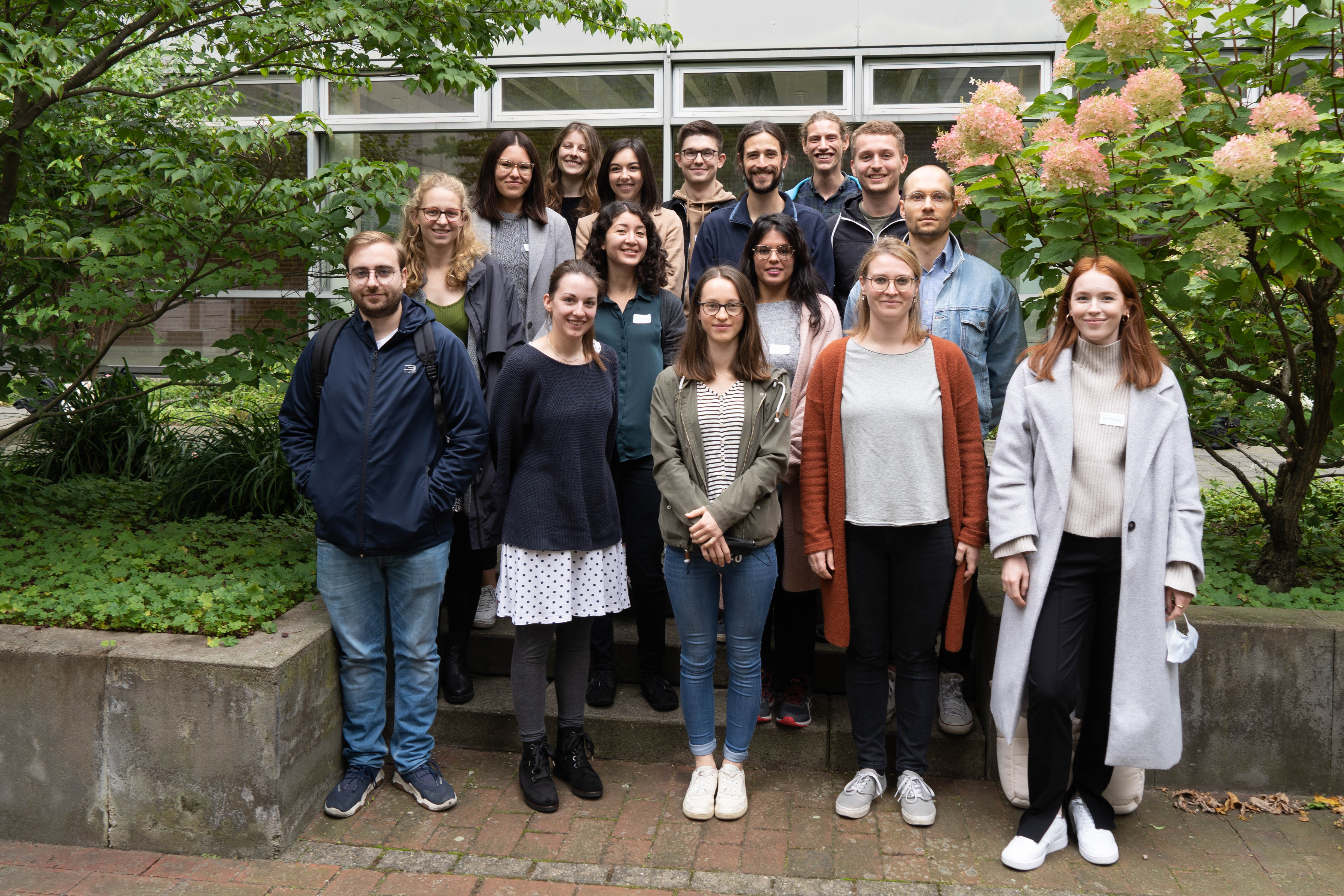
The coronavirus pandemic has made it very clear to us: In medicine, it is becoming increasingly important to be able to handle large amounts of data securely. This is why Hannover Medical School (MHH) is now training experts in this field with its new Master's degree course in Biomedical Data Science. The study programmes were developed as part of the RESIST (Resolving Infection Susceptibility) Cluster of Excellence with significant participation from the Peter L. Reichertz Institute of Medical Informatics (PLRI) at MHH and TU Braunschweig.
The first 18 students have now started their studies. They are graduates of a bachelor's degree in biosciences or a medical degree. Over the next four semesters, they will learn how to generate and handle large, heterogeneous and complex amounts of data in a targeted manner and how to develop and apply IT solutions. This knowledge is intended to optimize the prevention of diseases, precise diagnoses and treatment and therapy decisions.
"We are delighted to be able to launch the study program together with you," said Prof. Dr. Thomas Schulz, Head of the Institute of Virology at MHH and spokesperson for the RESIST Cluster of Excellence, at the opening ceremony on 7 October. He is the spokesperson for the new study programmes, together with Prof. Dr. Dr. Michael Marschollek, Managing Director of the PLRI. The lecturers at the PLRI play a key role in teaching the study programmes.
The right course in the right place at the right time
"The MHH is a very good place to combine the best of computer science with the best of medicine," emphasized Björn Thümler, Lower Saxony's Minister of Science and Culture, who had prepared a video message for the ceremony. Prof. Dr. Michael P. Manns, President of MHH, who introduced the students to MHH at the ceremony, underlined this statement: "It's the right degree program in the right place at the right time."
Prof. Dr. Dr. Ingo Just, Dean of Studies at MHH, pointed out that the students have a medical or scientific background and that the course prepares them very well for interprofessional teamwork. "In order to work together cooperatively, productively and harmoniously, you have to learn how the other person thinks," he said.
"Digitalization will turn medicine upside down," said Prof. Dr. Rudi Balling. In his keynote speech, the Director of the Luxembourg Centre for Systems Biomedicine at the University of Luxembourg addressed "tricky problems" - problems with many components and interactions, a high degree of interconnection, networking and feedback. He emphasized the importance of the new study programmes by saying "There are no clear-cut solutions to these problems, for example pandemics, climate change and racism, but only participatory solutions - and the basis of these solutions is data".
SERVICE:
Further information can also be obtained from the coordinator of the Biomedical Data Science - Master study program: Dr. Melina Celik, coordinator of the Master study program, phone: 0511 532-5700, master.biomeddat@mh-hannover.de
Author: Bettina Bandel