Responsibility in biomedicine (BM P 7)
Qualification objectives
In this module, students learn the basics of good scientific practice in biomedical research as well as the appropriate and responsible handling of genetically modified organisms and laboratory animals. They are prepared to apply what they have learned in later professional practice in the prudent planning and application of research projects and to critically reflect on their own actions.
Competencies
Genetic engineering safety: After completing the lecture with written exam, students will have in-depth knowledge of genetic engineering work and will be able to assign technical, organizational and personal safety measures. They will have developed an understanding of the procedure for the risk assessment of genetically modified organisms, developed skills for the safe handling of these organisms and will be qualified for the proper implementation of research projects involving genetic engineering methods. Successful completion of the lecture is part of the state recognition as a project manager according to §15 of the Genetic Engineering Safety Ordinance (GenTSV).
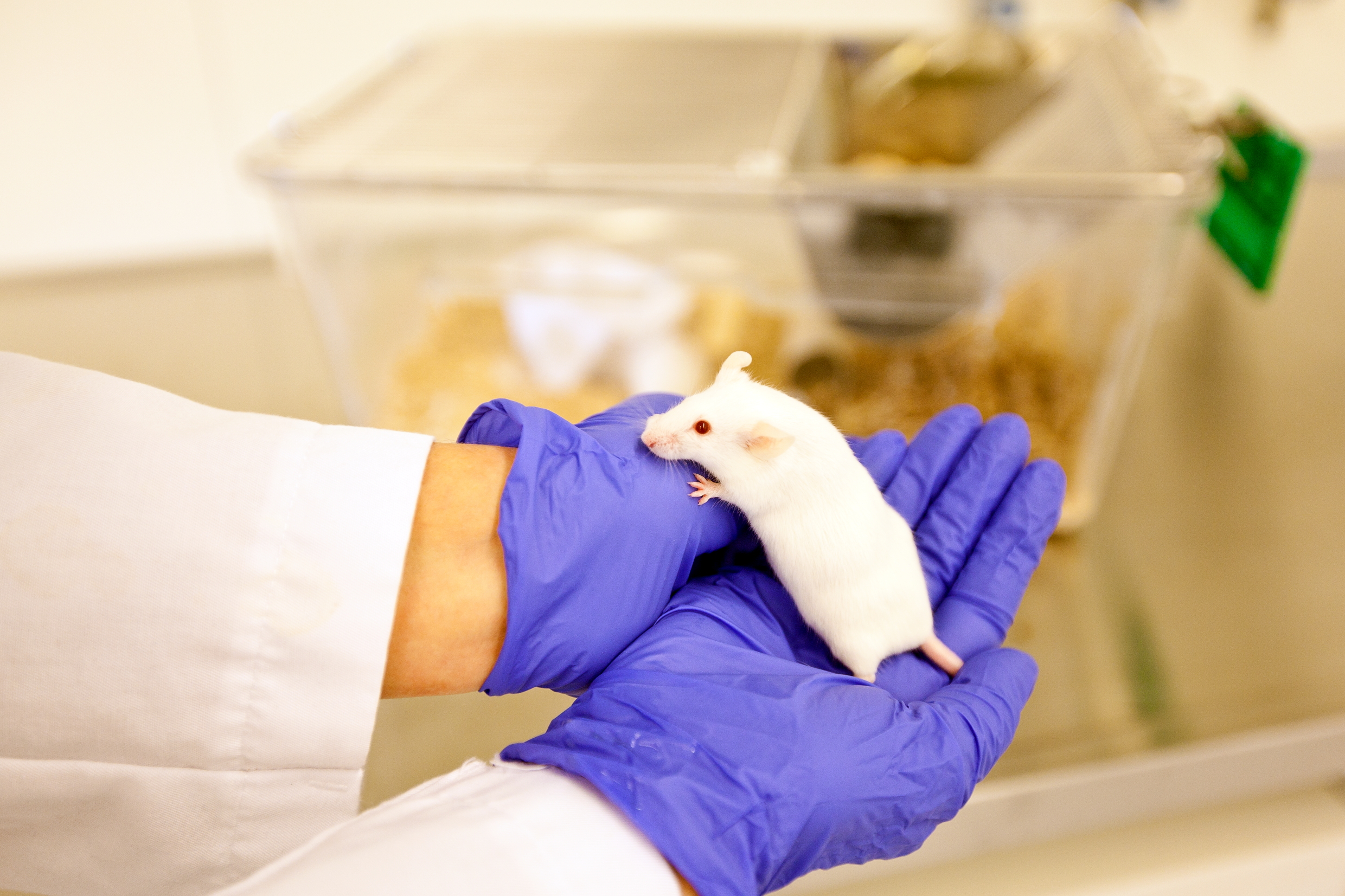
Laboratory animal science: After successfully completing the lecture as a prerequisite for participation in the internship as well as the internship, participants will have comprehensive theoretical knowledge and basic practical skills for animal experimentation in accordance with TierSchVersV Anl 1 Ab 1 and Directive EU2010/63 Anh V. This includes the competent handling of laboratory animals, as well as being able to carry out simple interventions on animals independently and responsibly. In addition, the participants learn important aspects in connection with the application for and implementation of an animal testing project. This prepares participants for the prudent planning of future animal experimentation projects in line with the 3Rs principle. In addition, the internship provides a basis for the socio-political evaluation of the use of animals in biomedical research. The internship qualifies students for professional fields that involve animal experimentation or the killing of animals for the purpose of tissue removal. After successfully completing the lecture and the course, participants receive a certificate that is recognized by the competent authorities (LAVES) as proof of competence to work on animal experiments and with which an exemption permit can be applied for in accordance with §9 of the Animal Welfare Act.
Biomedical ethics: Students are familiar with the principles of good scientific practice and the principles of biomedical ethics. They are able to better recognize conflicting situations, analytically weigh up the often conflicting arguments and principles and arrive at an individual solution. By working on case scenarios in small groups, discussing them together and then reflecting on them individually and in writing, students have learned that there is often no "right solution" and that their own spontaneous ideas for solutions are not the ones that end up being favored. Overall, after this sub-module, students have strengthened their ability to better recognize conflict situations, develop their own solutions and reflect on them in the group as well as critically question their own actions.