Cerebrovascular and Neurometabolic Working Group
Head: Prof. Dr. med. Karin Weissenborn, FRCP
Focus of the working group:
- Clinical stroke research
- Neurometabolic diseases
- CNS affection in hepatitis C infection
Members of the working group:
- Dr. med. Meike Dirks, medical specialist
- Dr. med. Johanna Ernst, assistant physician
- Dr. med. Maria Magdalena Gabriel, medical specialist
- PD Dr. med. Gerrit M. Große, Medical Specialist
- Dr. med. Ramona Schuppner, Senior Consultant
- Dr. med. Ann-Katrin Hennemann, assistant physician
- PD Dr. med. Hans Worthmann, Senior Physician
- Dr. med. Svenja Jochmann, assistant physician
- Dr. med. Jana Al-Ayoubi, Assistant Physician
- Johannes Teller, assistant physician
Clinical stroke research
The acute treatment of stroke patients is one of the main tasks of the Neurological Department at Hannover Medical School. Our stroke unit is certified as a supra-regional stroke unit. More than 1000 patients with acute ischemic or hemorrhagic strokes are treated there every year. In the working group, we work together with various cooperation partners within and outside the MHH on clinical issues in stroke medicine, including
Inflammatory reaction after stroke
A stroke leads to a systemic reaction of the immune system, which can be accompanied by complications such as stroke-associated infections. In several projects, we are investigating how patients who are particularly susceptible to stroke-associated infections can be identified at an early stage so that rapid and targeted treatment can be initiated.
In further work, we were able to show how certain chemotactic cytokines (chemokines) and biomarkers of endothelial dysfunction are elevated in peripheral blood after stroke and are associated with severity and outcome. The aim is to identify new diagnostic strategies as well as potential therapeutic approaches.
Etiology of stroke
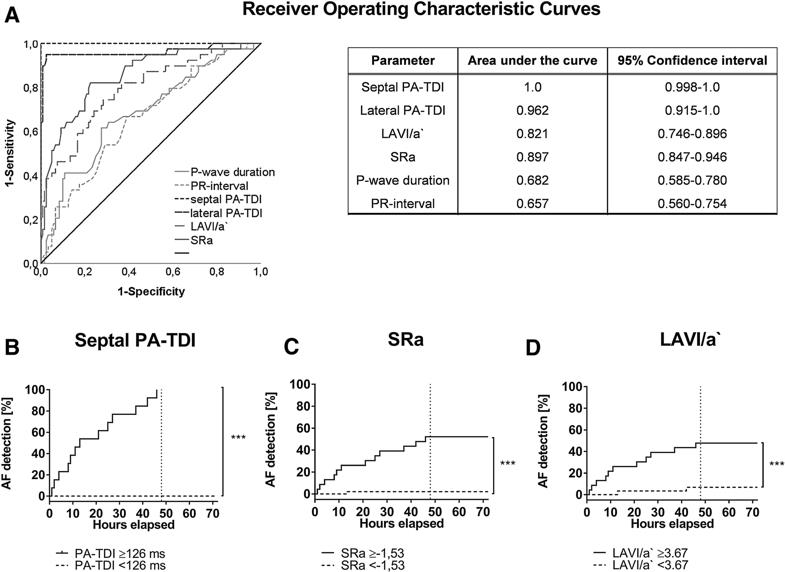
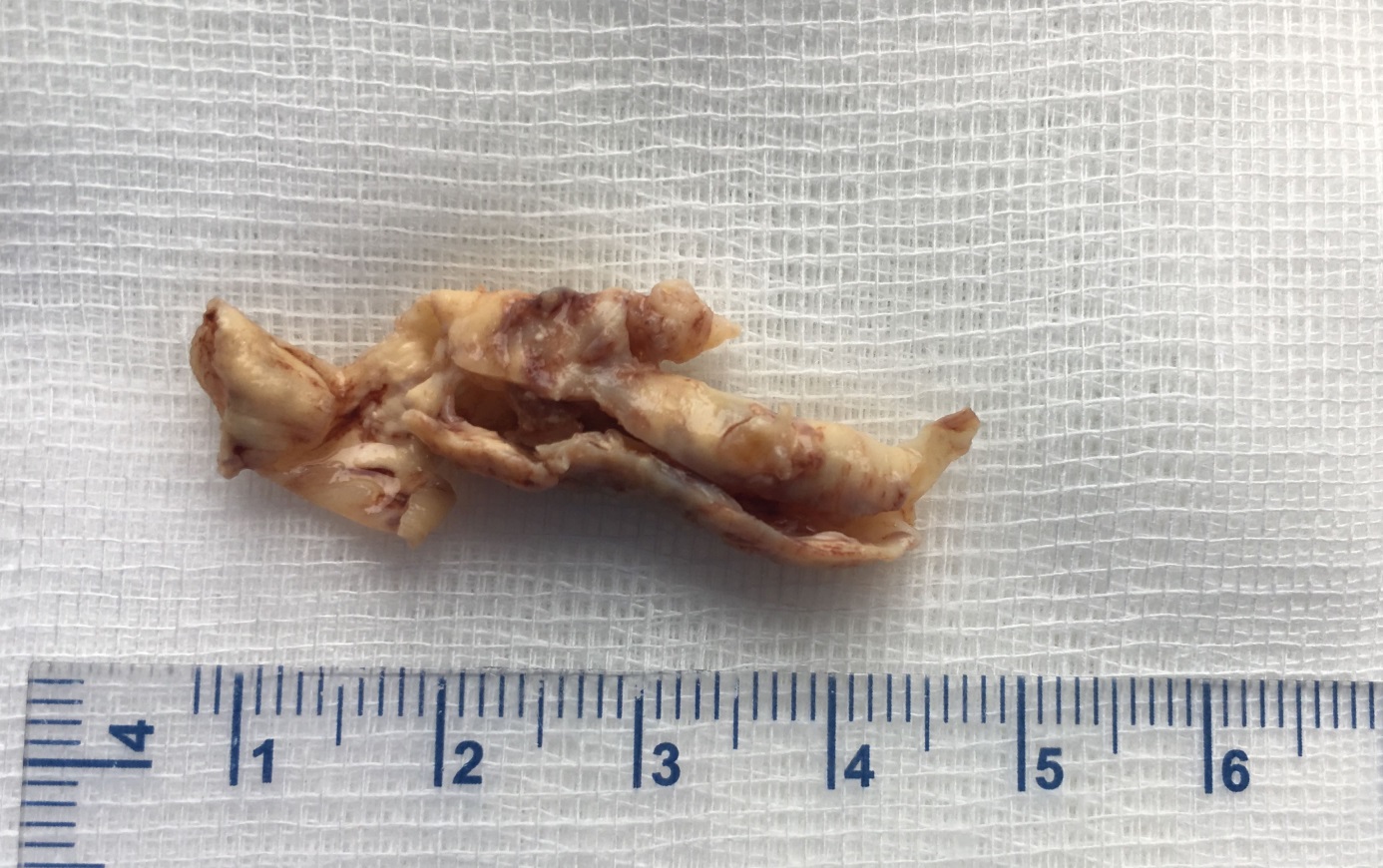
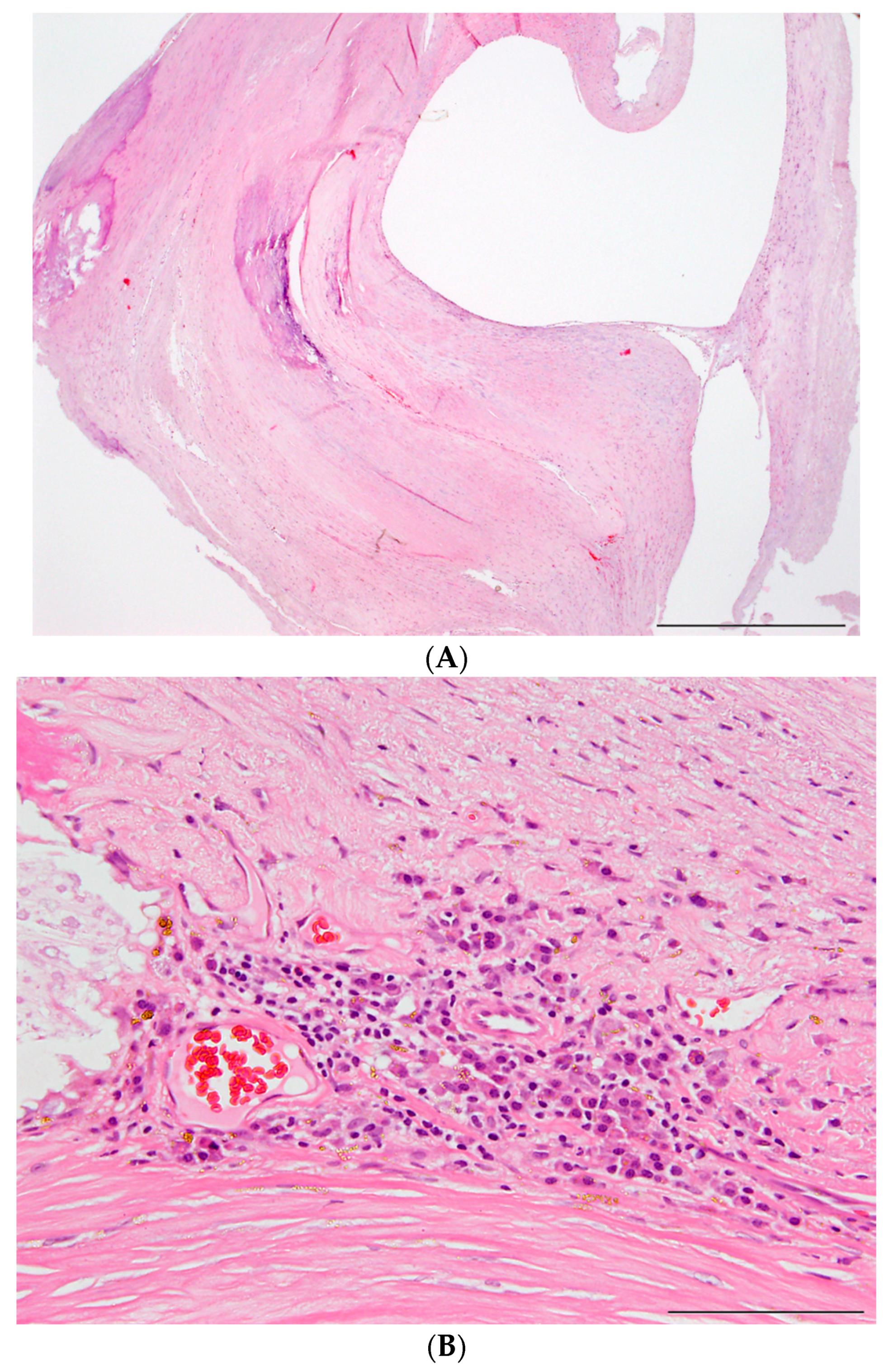
The cause (aetiology) of a stroke is of crucial importance for secondary preventive treatment. Currently, the cause of stroke remains unclear in around 20% of cases. Our working group is therefore involved in several projects on the question of how the cause of these so-called cryptogenic strokes can be improved. We are also trying to establish imaging and laboratory chemical biomarkers that allow us to estimate the risk of stroke in the presence of stenoses of the internal carotid artery or in a completely different patient group, namely patients with left ventricular assist devices. (Fig. 1-3)
Acute treatment of stroke
Acute stroke therapy has made considerable progress in recent years. Many patients can be successfully treated with intravenous lysis therapy and mechanical thrombectomy. In some cases, however, the recanalization success is insufficient. We are trying to identify the causes for this and thereby find approaches for optimizing the therapy. In addition, we analyze the process times of acute therapy in order to further optimize them.
As part of our stroke projects, we work closely with the Clinical Department of Cardiology and Angiology, the Clinic for Cardiac, Thoracic, Transplantation and Vascular Surgery, the Clinical Department of Nuclear Medicine, the Institute of Pathology and the Institute of Diagnostic and Interventional Neuroradiology at the MHH. We also cooperate with the Institute of Neuropathology at Saarland University Hospital and the Institute for Stroke and Dementia Research at Ludwig Maximilian University in Munich.
Multicenter studies
The research group was and is involved as a study center in a large number of multicenter international studies (phase II to IV) both for acute therapy of ischemic and hemorrhagic stroke and for secondary prophylaxis.
Medical doctorates
Our research group has successfully completed a large number of medical doctoral theses and PhD theses within the framework of the Center for Systemic Neurosciences (ZSN) Hannover.
The research group regularly offers doctoral projects as part of the KlinStrucMed program.
We are happy to welcome new PhD students! Prof. Dr. med. Karin Weissenborn will be happy to discuss current topics with you (Tel. 0511-532-3145, weissenborn.karin@mh-hannover.de). In addition to an interest in our research projects, other prerequisites for successful participation in our group are openness, curiosity, enjoyment of independent thinking and working, organizational talent and a sense of humour!
Continuous support for doctoral students is a matter of course for us. The doctoral students are part of our team - with all the legal rights, e.g. with regard to congress participation and publications, but also with all the obligations.
Figures 1-3