History of anesthesiology at Hannover Medical School
The beginnings
Following the recommendation of the Science Council to establish seven medical academies in the Federal Republic of Germany (June 10, 1961), the government of Lower Saxony decided to establish such an academy in Hanover just seven days later. The first 40 students were able to begin their pre-clinical studies in 1965, at that time still on the premises of the University of Veterinary Medicine Hanover (Royal Veterinary School of 1763). The clinical start for teaching, research and patient care took place in the Oststadt Hospital in the state capital of Hanover, while at the same time the construction of a new large hospital on a greenfield site in the Roderbruch district was being pushed forward. At that time, there were no full-time anaesthetists either at the Oststadt Hospital or at the other municipal or non-profit hospitals in Hanover - unlike in other large and medium-sized cities. The need for anesthesia services was covered by interested employees from the surgical departments or by "anesthesiologists on loan". The latter often traveled hundreds of kilometers to care for particularly high-risk patients. From the very beginning of the Academy's planning, there were discussions about the need to establish recovery wards and an anesthesia department, which ultimately led to the search for a suitable scientist in 1965 who would be offered a senior physician position with the assurance of being offered a head of department position in 1966. A survey of the faculties provided the basis for the list of candidates for the post of Head of Department of Anesthesiology. Dr. Erich Kirchner (Marburg) was put forward in first place and Dr. Karl Bonhöffer (Cologne) in second place. The subsequent negotiations with Kirchner led to him being transferred from the University of Marburg to Hannover Medical School on February 1, 1966. On August 17, 1967, Erich Kirchner was appointed Head of Department and Professor of Anesthesiology. On December 5, 1968, he was appointed full professor of anaesthesiology. As Emeritus Professor, Erich Kirchner was able to look back on thirty years of anesthesiological work at Hannover Medical School in the fall of 1996.
1968 - 1996 Directorate and Center Management Prof. Dr. Dr. Erich Kirchner
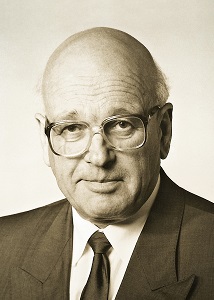
Prof. Dr. med. Erich Kirchner
Born on 25.04.1928 in Fürth/Bavaria; 1948-1954 studied medicine in Erlangen; 1955 Dr. med. at the Medical Faculty of the University of Erlangen; 1955/1957 anaesthesia with Rudolf Frey at the Surgical University Hospital Heidelberg (K. H. Bauer). During this time, guest residencies with Hossli in Zurich and with Loennecken at the Neurosurgical Clinical Department of the University of Cologne (Tönnis). 1957-1958 Anesthesia at the Surgical University Clinic Erlangen (Hegemann); 1958-1959 Assistant at the Anesthesia Department (Oehmig) of the II Surgical University Clinic Cologne-Merheim (Schwaiger). 1959 research assistant at the Department of Anesthesiology at the University of Marburg (Oehmig); 1961 pharmacology (Schmid), 1962 internal medicine (Hartmann); 1963 qualification as a specialist in anesthesiology; 1965 habilitation in Marburg; 1966 appointment as head of the Department of Anesthesiology at the newly founded Hannover Medical School; 1967 head of department and professor; 1968 appointment as full professor of anesthesiology; 1996 professor emeritus.
Full Professorship and Clinical Department
The anesthesia methods that initially met the requirements of the surgical Clinical Department of the Oststadt Hospital were gradually adapted to the surgical measures of the university clinics. In the primarily ECG-free anesthesia area, the newly available monitoring systems were tested and combined. Intraoperative monitoring followed the concept of Heinz Oehmig (Marburg) and was implemented in the "Hanover model anaesthesia monitoring cabinet", with which - after the medical technology industry had fulfilled all requirements - the anaesthesia stations in the central hospital were equipped. The "principle of deep anaesthesia" was created by Erich Kirchner. Patients were to be pharmacologically blocked to such an extent that their organism was protected from the perception of the surgical procedure and therefore no "stress defense" reactions could occur. The previously feared "deep anaesthesia" - people were afraid of the drop in blood pressure and its consequences - was made practicable by "controlled hypervolaemia" (Kirchner) and maintained into the post-operative phase with sympathicus stabilizing measures. Heart surgery had already begun at the Oststadtkrankenhaus in 1968, and the first kidney transplant took place there on December 19, 1969. This was the starting signal for the development of the Medical School into one of the world's leading clinical and scientific facilities or institutions for transplant medicine, a development to which the anesthesiological and intensive medical care of patients contributed significantly. Before the move to the central hospital in Roderbruch, there were three senior physician positions and 17 positions for assistant physicians for 40 built workplaces. The period of shortage of anesthesiologists and nurses began. From October 1971, operations were gradually started in the new clinic in Roderbruch, and after three years, operations were in full swing. In 1974, Erich Kirchner transferred the medical supervision of the Oststadt Hospital department to PD Dr. med. Ina Pichlmayr, later Department IV.
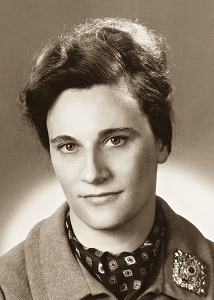
Prof. Dr. med. Ina Pichlmayr
Born on 24.09.1932 in Wahlstatt/Silesia; 1950-1956 studied medicine at the Ludwig-Maximillians-University Munich; 1956 doctorate in medicine at the Medical Faculty of the LMU Munich; 1957 and 1958 medical internship; 1959-1963 specialist training at the Department of Anaesthesia (Zürn, Beer) at the Surgical University Hospital Munich (Zenker). From 1961, first senior physician in the department; 1963, specialist qualification in anesthesiology; 1968, habilitation in Munich; 1968, anesthesiology department at Hannover Medical School (Kirchner); 1972, appointed professor of anesthesiology at Hannover Medical School; 1974-1997, head of anesthesiology department IV of the Institute of Anesthesiology at Hannover Medical School; retired on October 1, 1997.
In 1976, the center structure was introduced by an amendment to the Higher Education Act. This was associated with the appointment of the Director of the Anesthesiology Department, which had previously been known as the Institute, as "co-director". Ultimately, four autonomous departments were created, nominally grouped together as a center. There was a joint authorization for further training, and staff rotated between the departments. Department I remained with Erich Kirchner, Ina Pichlmayr became Director of Department IV (Oststadt Hospital) in 1977. Prof. Dr. med. Jürgen Hausdörfer was also appointed Director of the anaesthesiology department for the newly added children's clinic and dental clinic (Department III) in 1979, and Prof. Dr. med. Siegfried Piepenbrock completed the quartet as Director of Department II in 1984.
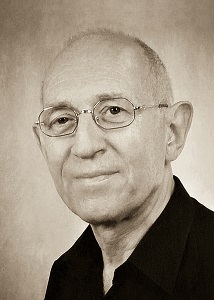
Prof. Dr. med. Jürgen Hausdörfer, FACA
Born on 29.10.1936 in Munich; 1957-1963 studied medicine in Munich and Vienna; 1963 doctorate in Munich; 1963-1965 internship in the USA; medical internship until 1967 in Munich; 1967-1968 assistant physician in anaesthesia at the Ludwig Maximilian University of Munich (Behr); 1968 to 1971 specialist training as a resident in the Department of Anaesthesia at the Hospital of the University of Pennsylvenia in Philadelphia with Prof. Dr. med. Dr. J. Downs; completion of residency with examination before the American College of Anesthesiologists with recognition as a fellow (FACA); 1971 specialist certification in anesthesiology; 1971 to 1979 University of Tübingen; 1976 habilitation, Tübingen; 1979 appointment to Hannover Medical School; 1979 Director of the Department of Anesthesiology III and since 1997 also Director of the Department of Anesthesiology IV at Hannover Medical School; 2000 emeritus status.
Department I was responsible for abdominal and transplant surgery, thoracic, cardiac and vascular surgery, urology, traumatology and the outpatient emergency department as well as an interdisciplinary intensive care unit with six beds.
Department II was responsible for the anesthesiological care of neurosurgery, ENT clinic and polyclinic, eye clinic and polyclinic, radiology, neuroradiology, radiotherapy, nuclear medicine and - as a novelty - the establishment of an outpatient pain clinic. An interdisciplinary intensive care unit with six beds was added, and in Emergency Medicine, participation in the MHH emergency ambulance and full staffing of an external emergency ambulance were secured. Student training in both anesthesia and Emergency Medicine was another focus of Department II.
Department III provided care for the Dental Clinic including the Clinical Department of Oral and Maxillofacial Surgery, the Pediatric Surgery Clinic, Pediatric Cardiology, Pediatric Oncology, Pediatric Pulmonology and Pediatric Gastroenterology.
Department IV (Oststadt Hospital) was responsible for the Clinical Department of General Surgery, the Clinical Department of Plastic and Reconstructive Surgery, the Women's Clinic, Radiology II (diagnostics and radiation), the interdisciplinary intensive care unit and an outpatient pain clinic for anesthesiology.
After Erich Kirchner (1996), Ina. Pichlmayr (1997) and Jürgen Hausdörfer (2000), Siegfried Piepenbrock was able to consolidate the anesthesiology department at Zentralklinikum into one department under his management. The Oststadt Hospital was successively abandoned as a university location, including anaesthesia (temporary management 2000 - 2003: Prof. Dr. med. Hans-Anton Adams), a process that was completed with the completion of the new Transplantation Research Center (TPFZ) and the gynaecology department in 2003.
The concentration of anaesthesiology in a Clinical Department of Anaesthesiology and Intensive Care Medicine has opened up opportunities to optimize performance in research, teaching and patient care, which was urgently needed given the increased demands in all areas.
1996 - 2000 Directorate and Center Management, 2000 - 2009 Directorate Prof. Dr. Siegfried Piepenbrock
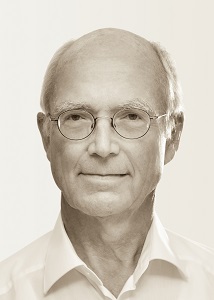
Prof. Dr. med. Siegfried Piepenbrock
Born on 20.02.1944 in Verl / Westphalia; 1963 to 1969 studied medicine and also veterinary medicine and ethnology in Giessen, Frankfurt a. M., Freiburg and Hamburg 1969-1971 Medical assistant at the Women's Clinic Finkenau and the Medical and Surgical University Clinic Hamburg-Eppendorf; 1971 Assistant physician at the Institute for Anesthesiology at Hannover Medical School (Kirchner); 1974 Dr. med. (Hempelmann) in 1974; qualified as a specialist in anesthesiology in 1975; senior physician at the Institute of Anesthesiology at Hannover Medical School from 1975 to 1980; habilitation in anesthesiology at Hannover Medical School in 1978; from 1980 to 1984 C3 professorship for anesthesiology and deputy clinic director at the Clinical Department of Anaesthesiology and Surgical Intensive Care Medicine at the Steglitz Clinic of the Free University of Berlin (Eyrich); 1984 appointment to the Hannover Medical School as Director of the Department of Anaesthesiology II; 1996 additional management of the department of Prof. Dr. E. Kirchner and head of the center. From 2000 Director of a unified Department of Anaesthesiology (Clinical Department of Anaesthesiology and Intensive Care Medicine) at the Central Hospital of Hannover Medical School.
Under Siegfried Piepenbrock, the Clinical Department of Anaesthesiology and Intensive Care Medicine developed into a high-performance department with over 120 medical and more than 100 nursing staff. The department performs more than 29,000 anesthesias per year for surgical, interventional or diagnostic procedures in all clinical departments of the hospital. The number of complex surgical procedures for multimorbid patients and thus the complexity of anesthesia has increased significantly. In 2008, the MHH had the highest case-mix index of all university hospitals in Germany.
Transplants pose a particular challenge to the quantity and quality of anesthesia services at the MHH. In 2008, liver transplants had grown to well over 100, heart transplants and heart-lung transplants to over 40. There had been an explosive growth in lung transplants, where more than half of all transplants in Germany were successfully performed at the MHH, at around 100. In major cardiac surgery, increasing referrals for aortic arch surgery were another special feature. A large number of special operations on children and an increase in traumatology service requirements were also important for the development of clinical anaesthesiology.
Intensive care medicine
In 2009, the department had a completely redesigned interdisciplinary intensive care unit with 20 beds, where patients were treated after various serious surgical and interventional procedures, including organ transplants, severely injured, neurological, internal medicine and paediatric intensive care patients. In addition to sepsis therapy, the focus was on the treatment of patients with lung failure, who were successfully treated with state-of-the-art respirator therapy using extracorporeal CO2 elimination and external negative pressure ventilation in a "chamber respirator" constructed in-house.
Emergency Medicine
Emergency Medicine, which is traditionally underrepresented in Hanover, had developed into a further focus in the meantime. The department was involved in the MHH's Emergency Medicine care system and staffed the emergency ambulance in Hanover-Langenhagen with a team of doctors financed by third-party funds. The emergency physician service group (LNA) set up by the MHH and the Clinical Departments in Hanover was initiated and organized by the Anaesthesiology Department. The position in Emergency Medicine was rounded off by further and advanced training courses organized in-house and in cooperation.
Pain therapy
The initial focus on chronic pain therapy (Ina Pichlmayr, Michael Zenz) at Oststadtkrankenhaus in the 1970s, supplemented since 1984 by a newly founded pain outpatient clinic at Zentralklinikum (Siegfried Piepenbrock, Ingomar Conrad), was completely abandoned at Oststadtkrankenhaus in 2004 and is now located at Zentralklinikum. In 2008, the department's outpatient pain clinic treated around 1,000 outpatients and inpatients suffering from chronic pain per year, with the number of patient contacts exceeding 5,000. The pain outpatient clinic also managed the service for acute post-operative pain. Compared to other anaesthesiology-led pain outpatient clinics in Germany, a special feature was the fact that the department's main pain therapists combined specialist qualifications in anaesthesia and additional qualifications in psychotherapy in one person.
Research
By combining and integrating research and patient care, the MHH provides a first-class environment for basic, translational and clinical research. The Clinical Department's scientific activities are divided into the areas of neurosciences, inflammation and cardiovascular research as well as perioperative coagulation. Thematically, the activities range from the elucidation of the molecular mechanisms of action of anesthetics using the patch-clamp technique and the elucidation of molecular events during blood coagulation to the molecular-genetic dissection of inflammatory regulatory principles and the remodeling of tissues after inflammatory diseases. In clinical studies, the working groups deal with such crucial topics of perioperative medicine as research into the mechanisms during the chronification of pain, highly specialized EEG monitoring during anaesthesia and clinical strategies of pharmacologically supported blood coagulation through to the search for ways to better predict the occurrence of serious perioperative complications in children. In the past, MHH anesthesiology has also set standards in the development of innovative medical devices and treatment concepts. Synergy effects since the merging of the individual departments have led to a good positioning of the Clinical Department of Anaesthesiology and Intensive Care Medicine within Germany. In the past, the focus was on clinical research. In the recent past, they have been further developed in the direction of basic scientific activities through the establishment of working groups that are also dedicated to basic research and animal experimental studies and, most recently in 2007, through the facilities or institutions for experimental anaesthesiology, the creation of a professorship for experimental anaesthesiology and the appointment of Prof. Dr. med. Gregor Theilmeier.
Teaching and further training
The importance of the subject up to 2009 was decisively shaped by adequate representation in the field of student teaching and also in continuing medical education and training. Here, too, the individual efforts of the past were bundled and coordinated after the departments were merged. In terms of student teaching, the department ran courses in Emergency Medicine that required a certificate. These ranged from first aid training in the preclinical phase to the emergency internship in the first clinical phase of study and the emergency medicine internship in the second clinical phase of study. External recognition for the department's efforts in student teaching was the 2001 Wilhelm Hirte Memorial Prize for outstanding clinical teaching awarded for the "Emergency Medicine Internship" course. The department was particularly involved in continuing medical education and training: Twice a year, in cooperation with the rescue school of the German Red Cross (and the Lower Saxony Medical Association) in Goslar, the eight-day course to acquire the additional qualification "rescue medicine" is held, once a year in cooperation with the department of traumatology at the MHH an LNA course (senior emergency physician) and once a year an eight-day pain therapy course to acquire the additional qualification "special pain therapy".
Appendix
Habilitations:
- Hempelmann, Gunter (1973): Respiratory and hemodynamic problems in anesthesiology. Results of continuous oxygen partial pressure measurement in the blood and cardiac output determination using the cold dilution method
- Piepenbrock, Siegfried (1978): Extrarenal effects of canrenoate potassium and furosemide. Hemodynamic studies under anesthetic conditions in cardiac surgery patients
- Helms, Uwe (1977): Hemodynamic study in geriatric patients with different anesthetic preparation and technique
- Schaps, Dagmar (1981): Effect of thiopental and methohexital on myocardial metabolism and hemodynamics after cardiac surgery
- Zenz, Michael (1981): Clinical and clinical-experimental studies on peridural opiate analgesia
- Lips, Ulrich (1982): The drug therapy of eclampsia
- Tryba, Michael (1984): Histamine H2 receptor antagonists for the prophylaxis of acid aspiration syndrome. Experimental and clinical studies using the example of cimetidine
- Seitz, Wolfgang (1986): On the influence of different anesthetic procedures on endocrine, paracrine and metabolic parameters: Results of a perioperative follow-up study in traumatologic patients
- Panning, Bernhard (1987): On the treatment of hypertonic circulatory dysregulation during brain surgery in neuroleptanalgesia
- Fritz, Karl-Wilhelm (1988): Studies on ventilation with helium-oxygen and nitrogen-oxygen mixtures in semi-open and closed systems
- Schäffer, Jürgen (1988): Anesthesia in ophthalmology - On the choice of anesthesia procedure in geriatric patients
- Pohl, Sönke (1989): Ventilation with the iron lung. Technique - Indication - Hemodynamic profile
- Lübbe, Norbert (1992): Drug influence on the intrapulmonary right-left shunt and oxygenation under one-lung ventilation in dogs
- Strauß, Jochen (1992): Studies on the extent and significance of intraoperative ketonaemia during long-term oral surgery under general anesthesia with isoflurane
- Leuwer, Martin (1994): On the effect of non-depolarizing muscle relaxants in children
- Schultz, Barbara (1994): On the simplification of electroencephalography in intensive care patients
- Schultz, Arthur (1995): Automatic analysis of the anesthesia EEG
- Otto, Klaus (1996): The quantitative assessment of nociception and antinociception using EEG frequency analysis and the behavior of heart rate and blood pressure during general anesthesia in dogs and horses. Experimental and clinical studies
- Bund, M. (1999): Influence of intravenous and inhaled prostaglandins on pulmonary and systemic hemodynamics, oxygenation and respiratory mechanics during one-lung ventilation in pigs
- Sümpelmann, Robert (1999): Experimental studies on the transfusion of washed erythrocytes in children
- Marx, Gernot (2000): Influence of volume replacement solutions on plasma volume maintenance and albumin extravasation in porcine sepsis
- Heine, Jörn (2001): Influence of intravenous anesthetics on granulocyte function
- Jaeger, Karsten (2001): Studies on the influence of reactive oxygen compounds of neutrophil granulocytes and the release of immunological mediators after liver transplantation
- Haeseler, Gertrud (2001): Effects of phenol derivatives on normal and inactivation-deficient voltage-gated human skeletal muscle sodium channels
- Münte, Sinikka (2001): Implicit Memory During Surgical Anesthesia
- Karst, Matthias (2002): Acupuncture: clinical efficacy and physiological effects
- Przemeck, Michael (2003): Anesthesiologic management of discordant xenotransplantation in a primate model: circulatory behavior and influence on surgical outcome
- Raymondos, Konstantinos (2005): Investigation into the development and therapy of adult respiratory distress syndrome (ARDS)
- Scheinichen, Dirk (2005): Studies on the expression of P-selectins and fibrinogen receptors on human platelets and on complex formation between platelets and leukocytes
- Grouven, Ulrich (2008): Quantitative analysis of the anesthesia EEG
- Rahe-Meyer, Niels (2008): Perioperative coagulation management in cardiac surgery based on point-of-care methodology
- Winterhalter, Michael (2008): Measurement of skin impedance- A new way to determine the depth of anesthesia
- Ahrens, Jörg (2009): Molecular determinants for the action of positive allosteric modulators of strychnine-sensitive glycine receptors
- Bernateck, Michael (2009): Complex regional pain syndromes, diagnosis and therapy
- Osthaus, Alexander (2010): Anesthesiologic management in pediatric cardiac surgery
- Jüttner, Björn (2010): Perioperative function and interaction of circulating neutrophil granulocytes and platelets in kidney and liver transplantation
- Witt, Lars (2017): Intraoperative fluid and volume therapy in children
- Stoetzer, Carsten (2018): The relevance of voltage-gated sodium channels for the generation of drug-induced cardiac arrhythmias
- Foadi, Nilufar (2018): Electrophysiological characterization of voltage-gated sodium channel modulation for further development of potential analgesics
- Dennhardt, Nils (2019): Optimization of quality and safety in pediatric anesthesia
Leading positions: C4 professorships:
Prof. Dr. med. Gunter Hempelmann, University of Giessen (1976)
Prof. Dr. med. Michael Zenz, University of Bochum (1982)
Prof. Dr. med. Martin Leuwer, University of Liverpool (2001)