Neurometabolic diseases
Prof. Dr. med. K. Weißenborn
Cerebrovascular/Neurometabolic Working Group
Head: Prof. Dr. med. Karin Weissenborn, FRCP
Focus of the working group:
- Clinical stroke research
- Neurometabolic diseases
- CNS affection in hepatitis C infection
Members of the working group:
- Dr. med. Meike Dirks, medical specialist
- Dr. med. Johanna Ernst, assistant physician
- Dr. med. Maria Magdalena Gabriel, medical specialist
- PD Dr. med. Gerrit M. Große, Medical Specialist
- Dr. med. Ramona Schuppner, Senior Consultant
- Dr. med. Ann-Katrin Hennemann, assistant physician
- PD Dr. med. Hans Worthmann, Senior Physician
- Dr. med. Svenja Jochmann, assistant physician
- Dr. med. Jana Al-Ayoubi, Assistant Physician
- Johannes Teller, assistant physician
Neurometabolic diseases
The working group deals with the clinical and neuropsychological characterization of various metabolic encephalopathies (e.g. hepatic, uremic or diabetic encephalopathy), the optimization of the diagnosis of these clinical pictures and the underlying pathophysiology. Our investigations into hepatic encephalopathy make up the largest part of our work.
Hepatic encephalopathy
Hepatic encephalopathy is a complication of both acute liver failure and liver cirrhosis. Symptoms include impaired motor function, cognitive brain function and consciousness.
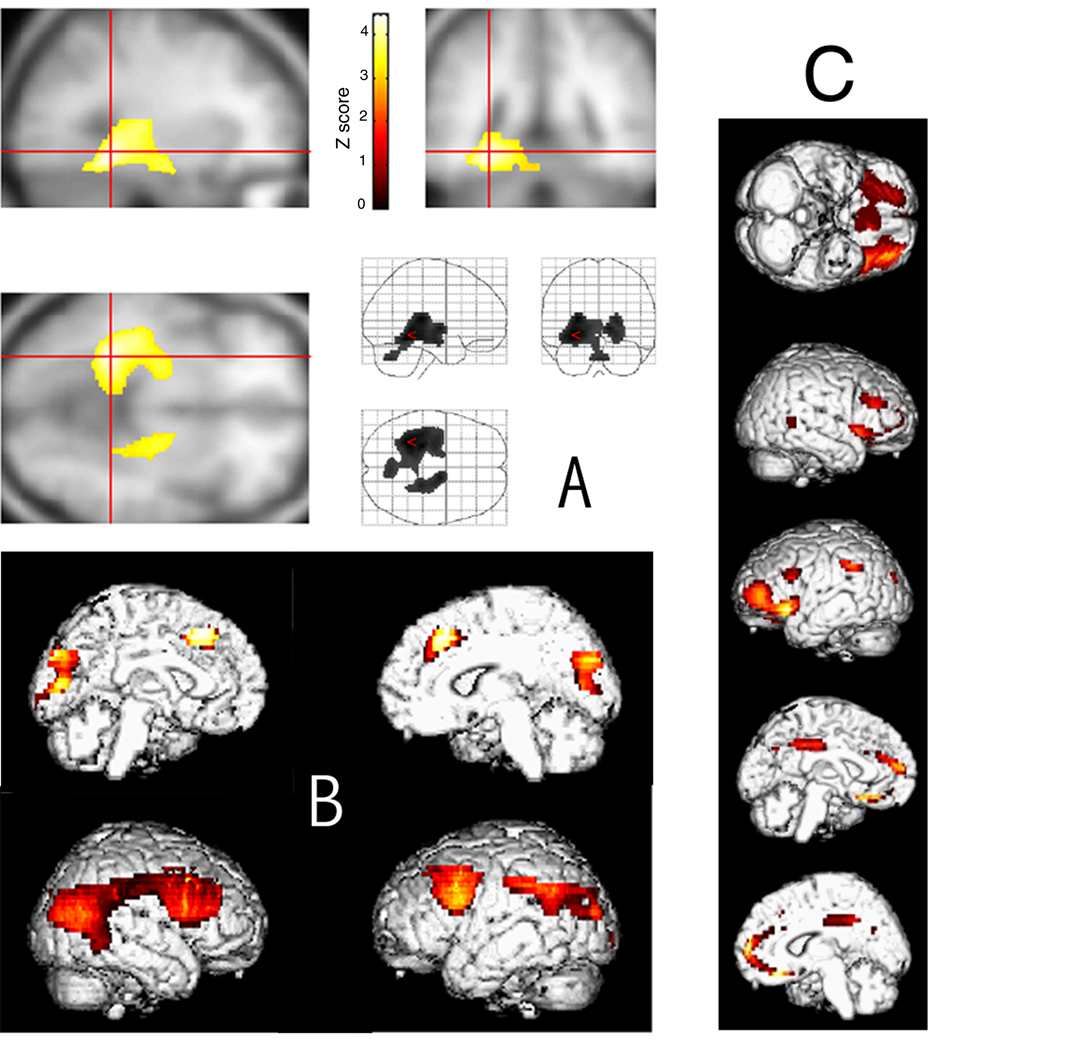
We are investigating the pathophysiological basis of the clinical symptoms in order to gain insights into possible treatment options. We use neuropsychological methods, magnetic resonance imaging and spectroscopy, as well as single photon emission tomography (SPECT) and positron emission tomography (PET).
Neurometabolic complications after transplantation
Between 2008 and 2018, the working group conducted studies as part of the BMBF-funded Integrated Research and Treatment Center for Transplantation (IFB-Tx). Among other things, the influence of hepatic encephalopathy existing before liver transplantation on cognitive performance and professional activity after transplantation was investigated and the possible effects of long-term immunosuppression with calcineurin inhibitors on brain performance were analyzed.
In other projects, the working group is investigating early and long-term neurological complications after liver, stem cell and kidney transplantation and, most recently, the effects of living kidney donation on the cognition, psyche and quality of life of donors. All of these studies have been and are being conducted on an interdisciplinary basis in close cooperation with the relevant internal medicine departments (in particular the Clinical Department of Gastroenterology, Hepatology and Endocrinology, the Clinical Department of Renal and Hypertensive Diseases and the Clinical Department of Haematology, Haemostaseology, Oncology and Stem Cell Transplantation), Oncology and Stem Cell Transplantation) and surgical departments (in particular the Clinic for Visceral and Transplantation Surgery), the Department of Psychosomatics, the Institute of Diagnostic and Interventional Neuroradiology and the Clinical Department of Nuclear Medicine, as well as the Department of Transplantation Immunology. There are also collaborations on this topic with colleagues at Aarhus University Hospital in Denmark and with colleagues at the Imperial College of University Hospitals in London.
CNS infection in hepatitis C infection
In addition to the infection of the liver by the hepatitis C virus, a number of extrahepatic manifestations of the infection can occur. The central nervous system is frequently involved. Those affected complain of pronounced fatigue and reduced mental capacity, which can lead to a severe impairment of their ability to work, among other things. The causes of these disorders have not yet been conclusively clarified. We have characterized the cognitive deficits in patients with hepatitis C infection but normal liver function and have shown that these symptoms are based on objective changes in brain structure, brain metabolism and neurotransmission. We are currently investigating whether the use of new antiviral substances in the treatment of hepatitis C leads to a reduction or even regression of the cerebral complications of HCV infection.
Medical doctorates
A large number of medical doctoral theses and PhD theses have been successfully completed in our research group as part of the Center for Systemic Neuroscience (ZSN) Hannover.
The research group regularly offers doctoral projects as part of the KlinStrucMed program.
We are happy to welcome new PhD students! Prof. Dr. med. Karin Weissenborn will be happy to discuss current topics with you (Tel. 0511-532-3145, weissenborn.karin@mh-hannover.de). In addition to an interest in our research projects, other prerequisites for successful participation in our group are openness, curiosity, enjoyment of independent thinking and working, organizational talent and a sense of humour!
Continuous support for doctoral students is a matter of course for us. The doctoral students are part of our team - with all the legal rights, e.g. regarding congress participation and publications, but also with all the obligations.