Molecular biologist Dr. Mattea Müller discovered data science at the PLRI and is conducting research on personalized dietary recommendations.
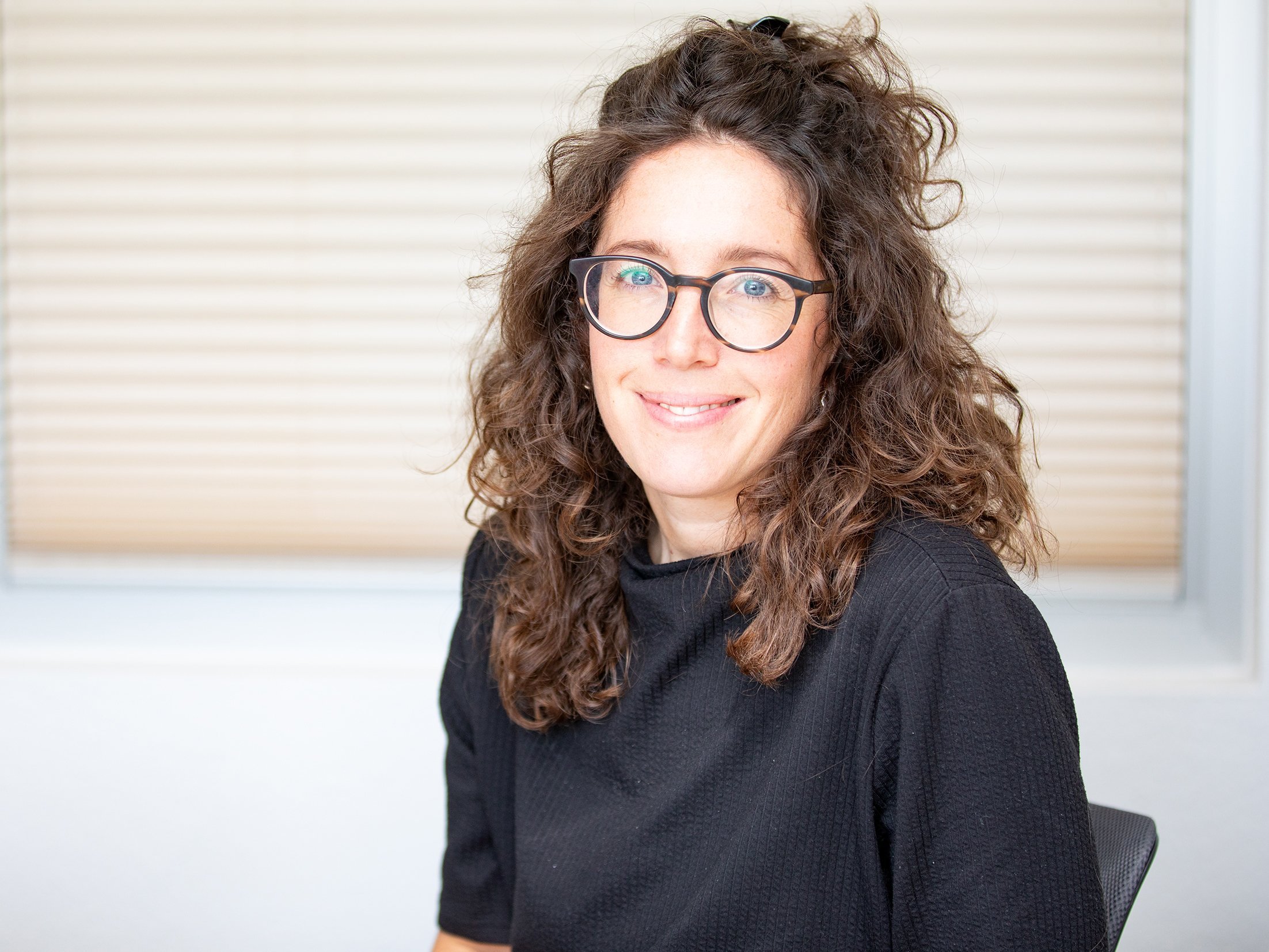
Molecular biologist with a passion for data science: Dr. Mattea Müller Copyright: Karin Kaiser/MHH
What do women need to succeed in science? There are various possible answers to this question. For Dr. Mattea Müller, based on her own experience, there are four key qualities above all: enthusiasm, perseverance, tenacity, and self-confidence. The 37-year-old’s enthusiasm for her research is clearly evident. For example, when she speaks with sparkling eyes and animated gestures about her research group “Computational Precision Nutrition (CPN)” at the Peter L. Reichertz Institute of Medical Informatics (PLRI), with which she aims to develop an AI-based predictive tool for personalized nutritional recommendations for preventive care and treatment.
She has demonstrated perseverance throughout her professional career. To train as a medical technologist (MTA), she first moved from her hometown of Preetz near Kiel to Lübeck. She then began her studies in Osnabrück, transferred to Berlin for her master’s program, and subsequently earned her Ph.D. in Maastricht. Then came the setback: “I had a postdoc position in the works,” she explains. “But then, suddenly and without any explanation, I didn’t get the employment contract—presumably because I had honestly disclosed that I was pregnant.”
It’s not rocket science
This could have meant the end of her scientific career, but it didn’t. Because the molecular biologist is not only persistent but also tenacious. “I then moved to Hanover for family reasons and found a position as a research associate at Leibniz University.” But that wasn’t enough for the ambitious scientist. Alongside her job, she completed a degree in Biomedical Data Science at the MHH. “Being able to analyze the data from my own research myself became increasingly appealing and fascinating to me as my work progressed,” says Dr. Müller. “During my graduate studies, I realized that I just had to dive deep into the subject and that programming isn’t rocket science—it’s actually a lot of fun.”
Goal: a professorship
That leaves the question of self-confidence. “Like many other women, I actually had to develop that first,” she notes matter-of-factly. She received support in this from her mentor at the PLRI, Professor Helena U. Zacharias. “She also encouraged me to write the proposal for my research group and supported me greatly in the process.” The fact that her project is now funded for five years and that she can devote herself fully to her research is both a source of validation and relief for the research group leader. “Before that, I only had one-year contracts,” she explains. “That really takes a toll on your nerves after a while.” With her growing self-confidence and the feeling that she’s in the right place, she now aims to achieve a long-term goal: a professorship that combines both—her first love of molecular biology and her second love of data science.
Text: Kirsten Pötzke