An interprofessional team achieves a nationwide leading result in 2025 thanks to quality-assured processes.
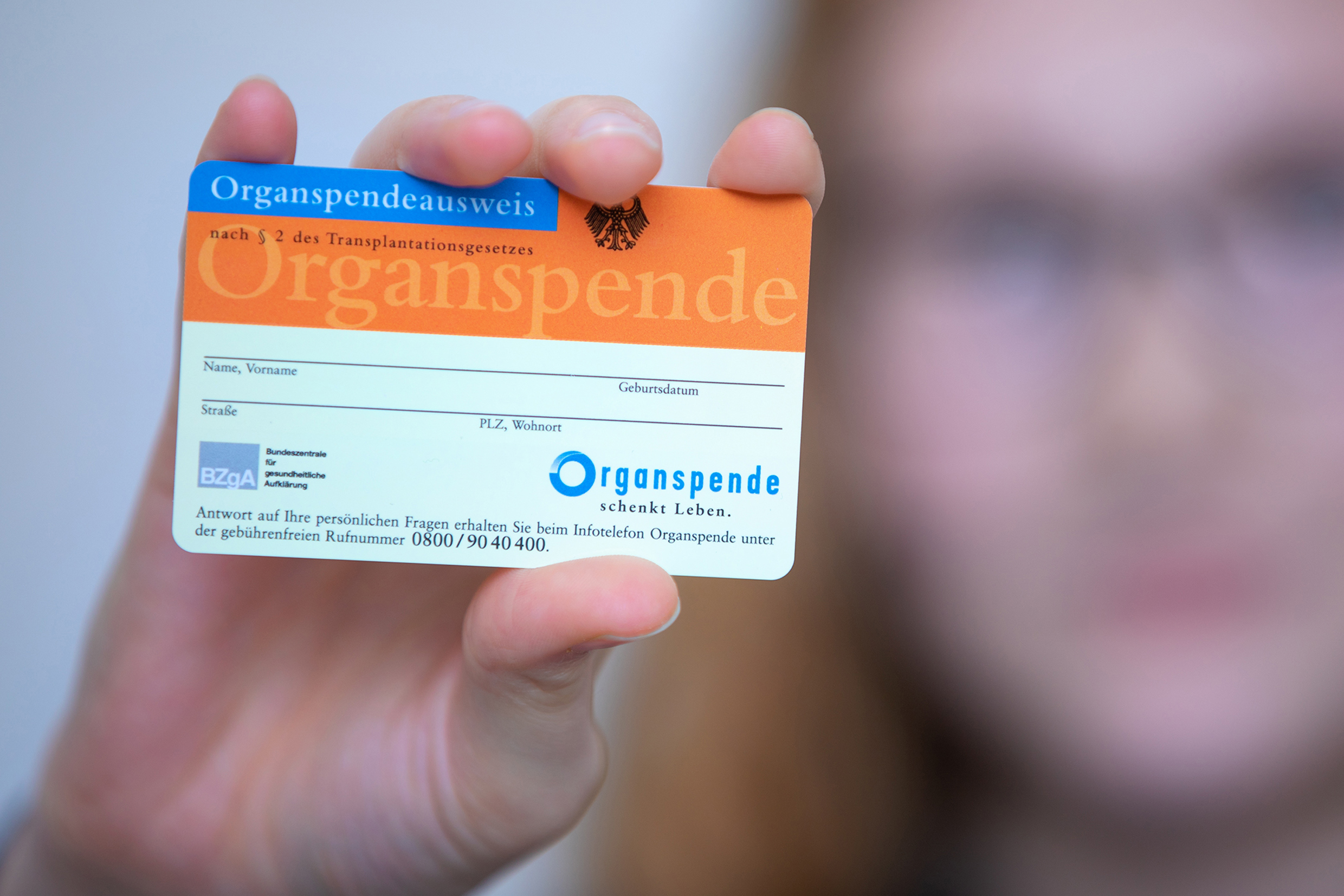
A completed organ donor card saves lives. Copyright: Karin Kaiser/MHH
In 2025, the Hannover Medical School (MHH) was able to fulfill the documented or presumed wish for organ donation in 15 deceased persons. This result significantly exceeds the long-term average figure. The last time MHH achieved comparable donor numbers was over ten years ago. This puts the MHH among the top ten university hospitals in Germany for organ donations. "This result is thanks to the interprofessional team of transplant officers and the staff in the intensive care units and operating theaters," says MHH Vice President Professor Frank Lammert, who is responsible for Patient Care and organ donation counseling at MHH. "With their professional expertise and empathy, they make organ donations possible - a particular challenge in everyday clinical practice. In 2026, the team was already able to carry out two more organ donations."
Rising donor numbers are an important signal, but not an end in themselves
Despite the positive attitude of the population, the German donation rate remains low in international comparison. In the event of brain death, relatives often have to decide alone because the deceased's attitude to organ donation is unknown. "Organ donation begins with listening," explains Dr. Frank Logemann, MHH Transplantation Officer. "The decisive factor for the quality of our work is to implement the wishes of potential donors in compliance with all the prescribed criteria. The focus is on advising relatives and protecting them from additional trauma. They have to come to terms with the loss of a loved one and still make a decision for or against organ donation."
Record your wishes in the organ donor register
In Germany, people are free to decide whether to donate organs. The legislator has introduced measures to provide the population with comprehensive information, to make a personal decision and to record this in the organ donor register or on an organ donor card. "The organ donation register introduced in 2025, in which citizens can record their wishes, is particularly reliable," says Dr. Logemann. In the register, people can specify whether they wish to donate organs, whether relatives should decide and, if so, which organs or tissues may be removed.
In the event of an irreversible loss of brain function, the intensive care units in Germany check whether an entry has been made in the register - and only then is it checked. "We expressly recommend that all citizens register their wishes in the organ donation register. All you need is a smartphone or computer, an activated eID on your ID card or the health insurance app," explains Dr. Logemann. "With the entry, you also relieve your relatives of a potentially difficult situation."
Germany-wide organ donation
According to the German Organ Donation Foundation (DSO), there were 985 organ donations nationwide in 2025, compared to 953 donations in the previous year. More than 8,000 people in Germany are currently on the waiting list for a donor organ. Most of them are waiting for a donor kidney. On average, the organs of one organ donor can be used to help three people on the waiting list through a transplant.
Text: Camilla Mosel