The MHH in conversation
The MHH has many departments, many facets and many interesting topics to offer. Three to four times a year, the MHH-Alumni e.V. therefore invites you to the lecture series "MHH in Conversation" to bring together active and former MHH alumni as well as external interested parties. Participation is free of charge and possible without registration. In cooperation with the MHH Patient University, the events have also been offered as live streams since 2023 and some of them are made available as video recordings afterwards.
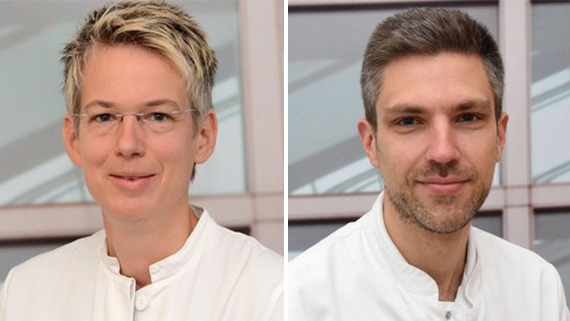
October 9, 2025
Endometriosis affects women of reproductive age and is often accompanied by considerable discomfort - in particular severe pain during menstruation and an unfulfilled desire to have children. The speakers will shed light on various aspects of the development of the disease, symptoms and treatment options. In addition to surgical and drug treatments, special procedures to support unwanted childlessness will also be presented. The latest scientific findings will also be included in the discussion.
You can find a video recording of the event on the MHH Patient University YouTube channel.
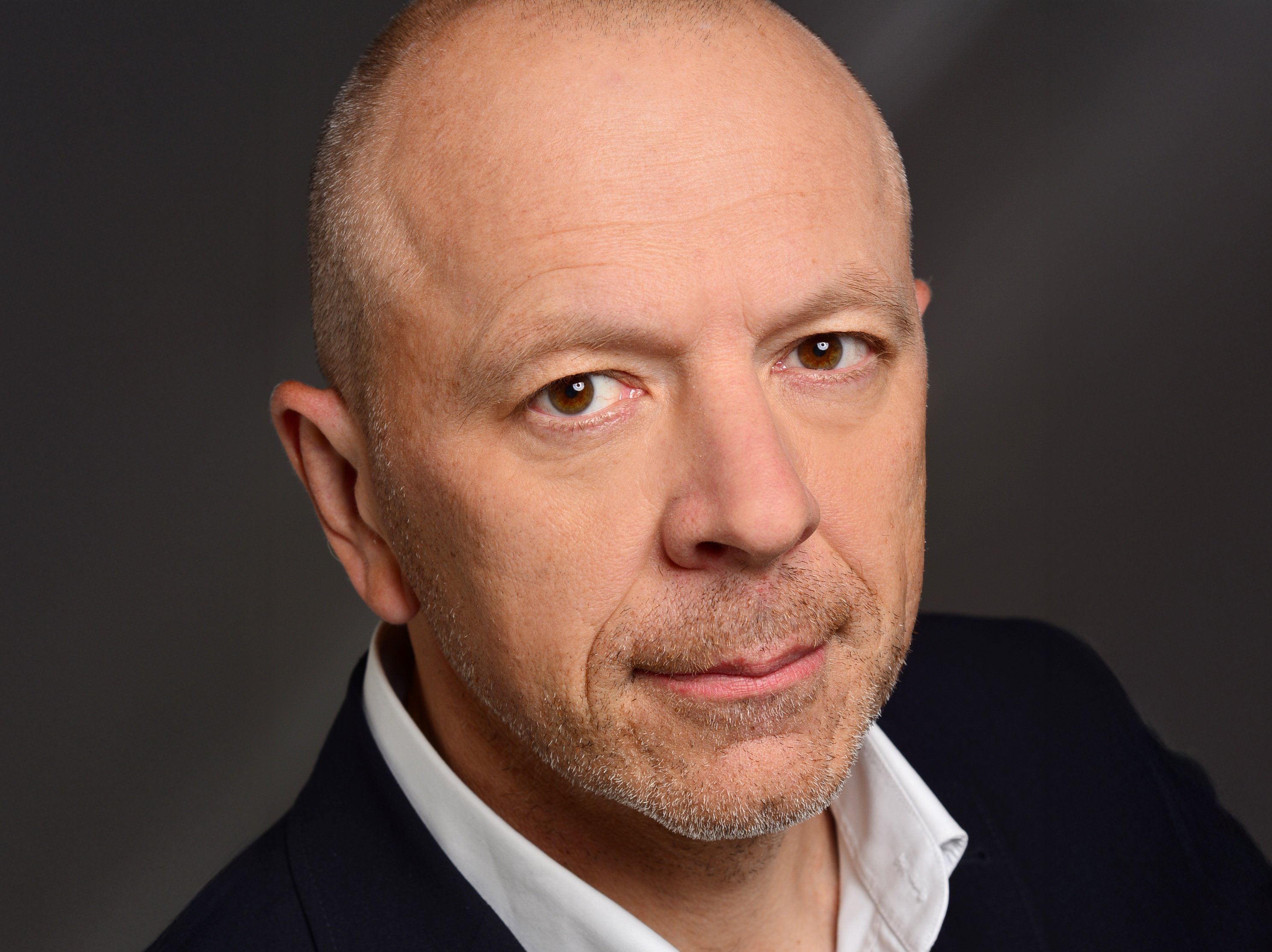
Mini hearts - the magic of pluripotent stem cells
May 14, 2025
Cardiovascular diseases are among the most common diseases worldwide and many of these diseases cannot yet be cured. On the other hand, the heart is the first functional organ during embryonic development and arises in a complex process that is poorly understood. Human pluripotent stem cells could be a key to both: healing "broken hearts" as well as clarifying the poorly understood mechanisms of heart development. In this lecture, PD. Dr. Zweigerdt, group leader at the HTTG/ LEBAO, will shed light on both aspects.

Treatment of severe burn injuries
February 12, 2025
Against the backdrop of global crises, it is essential to have centers with expertise in the treatment of serious injuries caused by fires, explosions and chemical exposure. With its Clinical Department of Plastic, Aesthetic, Hand and Reconstructive Surgery (PÄHW) and the associated Center for Severe Burn Injuries, the MHH has a unique selling point for this type and severity of injury. Clinic Director Prof. Dr. Dr. Peter Vogt will present the injury pattern of severe burns, modern treatment options in plastic surgery and intensive care medicine as well as reconstruction options including current research approaches to improve results.
You can find a video recording of the event on theMHH Patient University YouTube channel.
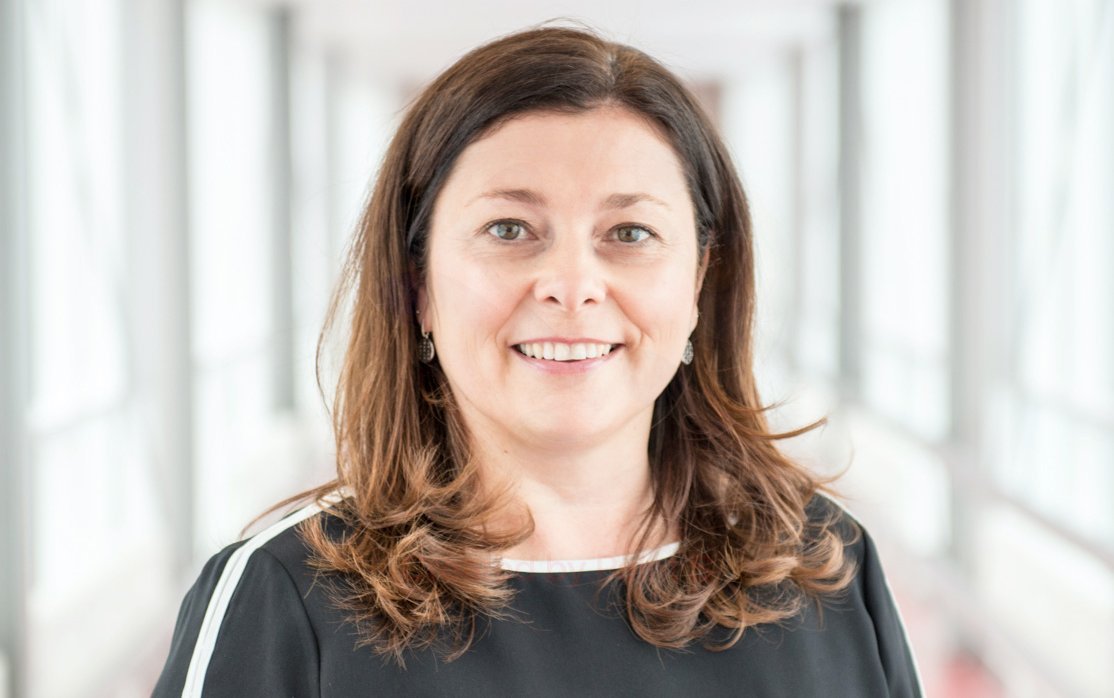
Psycho-oncology: Dealing with the psychological stress of cancer
November 13, 2024
In addition to physical stress, cancer is also associated with psychosocial stress. In addition, not only the patients but also their relatives are affected by the psychosocial consequences. Prof. Dr. Tanja Zimmermann (MHH Clinical Department of Psychosomatics and Psychotherapy) explains the importance of psycho-oncological treatments for cancer patients and their relatives.
You can find a video recording of the event on theYouTube channel of the MHH Patient University.
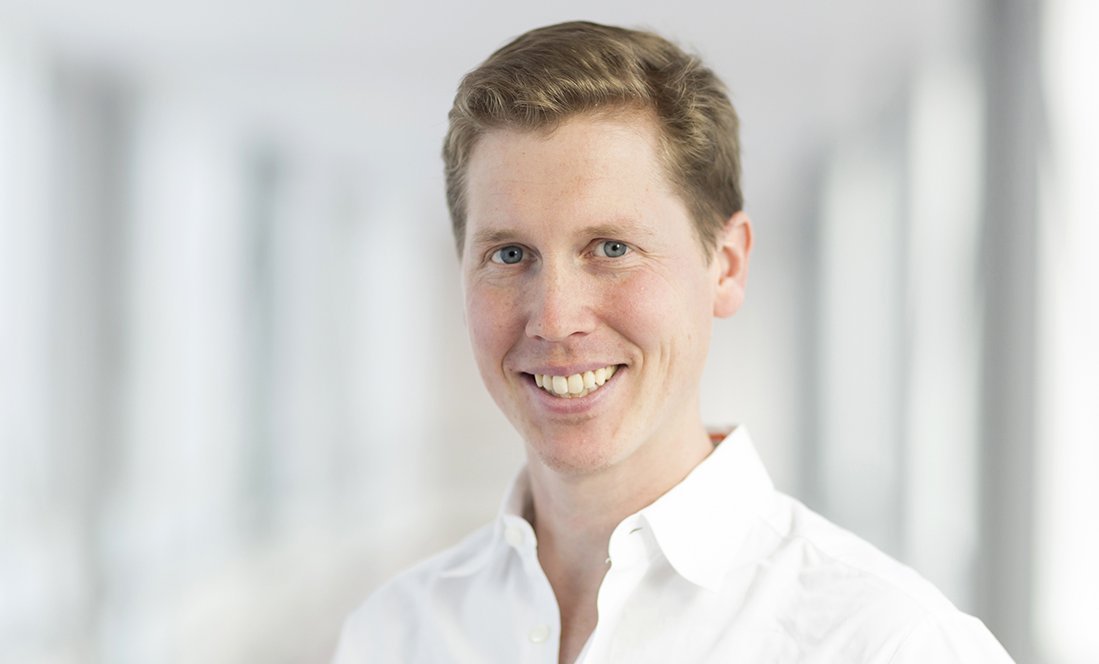
Post-COVID syndrome: diagnosis and treatment options
September 18, 2024
If a new disease occurs, its causes are usually investigated first in order to develop a therapy on this basis. Dr. Christoph Korallus (Clinical Department for Rehabilitation and Sports Medicine) explains why this approach reaches its limits in the case of post-COVID and sheds light on the diverse symptoms and how they are embedded in possible disease mechanisms. In this way, he provides approaches for positively influencing this often highly restrictive disease.
You can find a video recording of the event on theYouTube channel of the MHH Patient University.
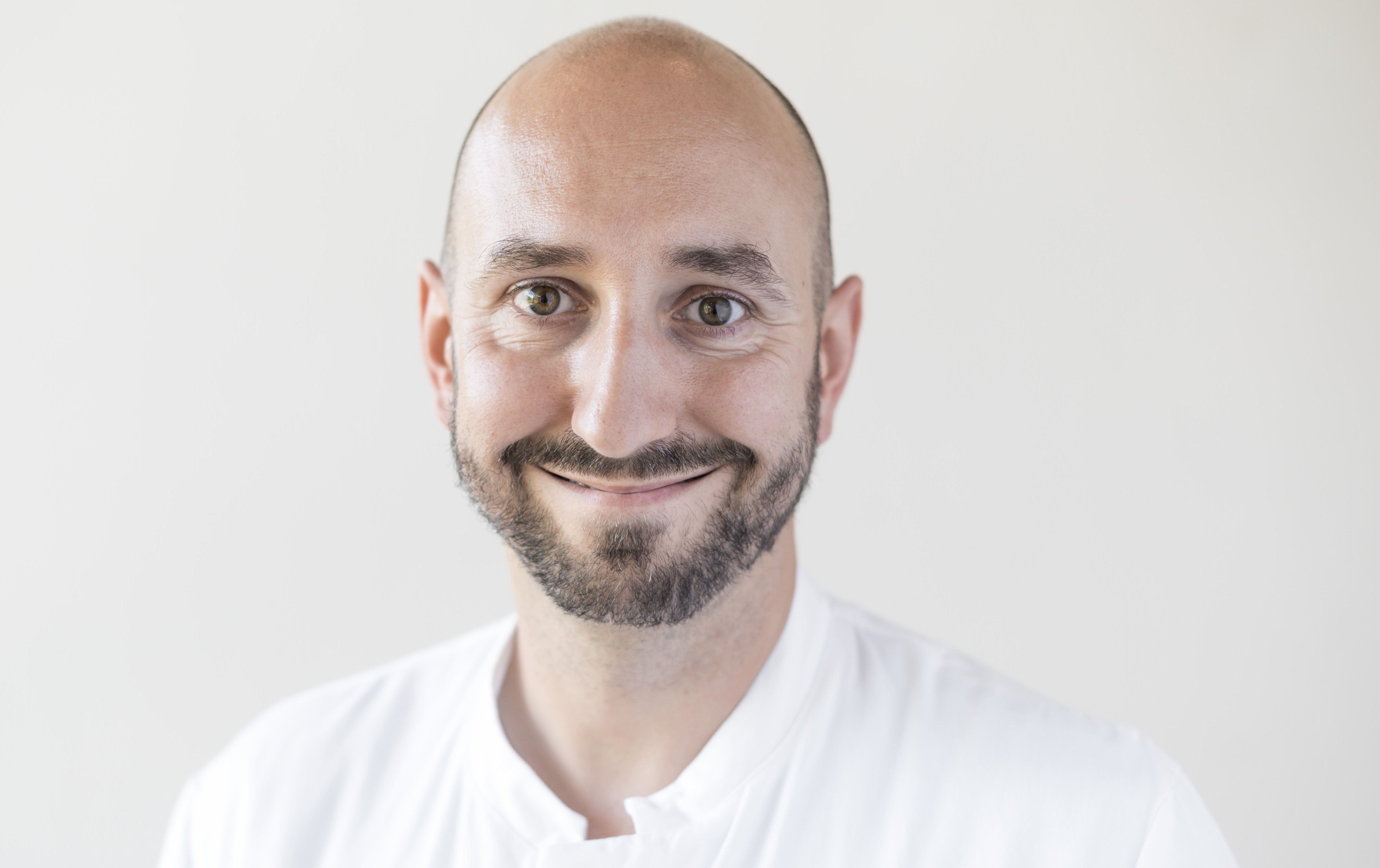
How a sleep disorder can unmask Parkinson's disease
June 5, 2024
Parkinson's disease is the second most common neurodegenerative disease after Alzheimer's dementia. As dead nerve cells cannot simply be restored, the aim is to diagnose the disease as early as possible. MHH researchers are currently investigating one of the early warning signs: disturbed sleep behavior in the REM phase, in which those affected flail around, scream or move more often. PD Dr. Martin Klietz (MHH Clinical Department of Neurology and Clinical Neurophysiology) presents the research project and explains how the sleep disorder is diagnosed and what treatment options are available in this first stage of Parkinson's disease.
You can find a video recording of the event on theYouTube channel of the MHH Patient University.
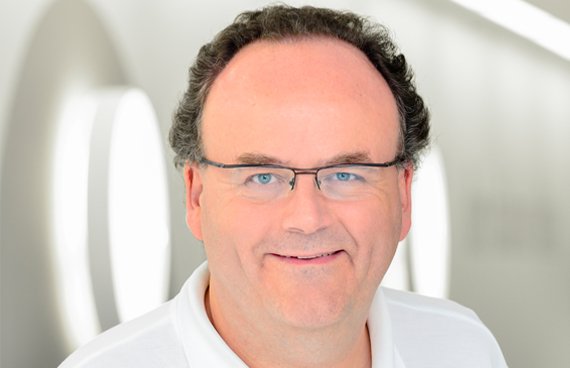
Lyme borreliosis: Bacteria, carriers, Clinical Department and diagnostics
April 3, 2024
Anyone who discovers a tick bite after a trip to the woods usually looks out for a reddening of the skin, as the so-called migratory redness is one of the clearest symptoms of Lyme borreliosis. This infectious disease can take many different courses and is therefore difficult to diagnose. Dr. med. Frank Dressler (Head of Pediatric Rheumatology at the MHH) shows the complexity of the diagnosis, presents current treatment options and explains how you can protect yourself and your children.
You can find a video recording of the event on the YouTube channel of the MHH Patient University.
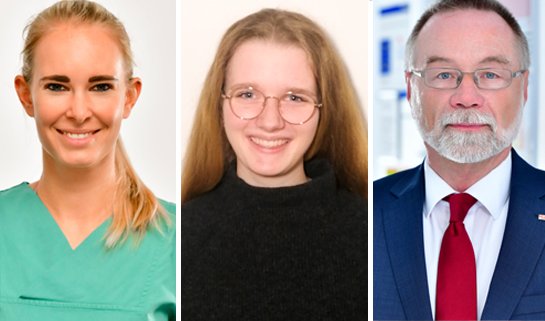
Commitment and practical experience - the MHH student polyclinic
September 6, 2023
In 2019, a student idea became reality and MHH students have now been offering free medical care for people without health insurance once a week in the Caritas premises for three years. This naturally takes place under medical supervision. Not only do they get involved socially, they also gain practical experience that they can count towards their degree. Initiator Maleen Fiddicke, now a junior physician at the MHH, Joana Wrasse, who is currently working on the project as a student tutor, and Dean of Studies Prof. Dr. Ingo Just explain how the project came about, what hurdles had to be overcome and how it is running today.
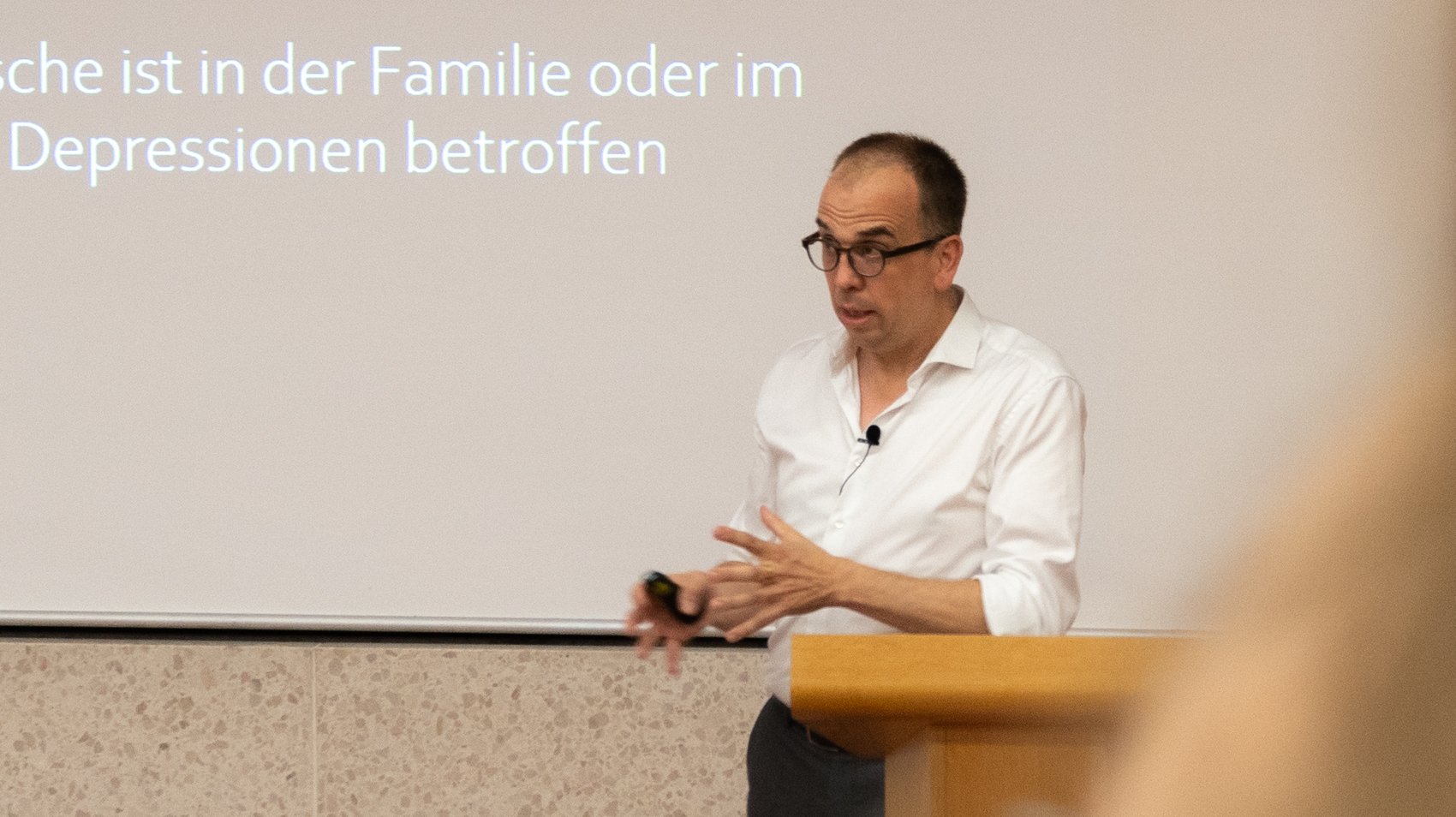
A perfect fit against depression
June 21, 2023
Rarely has a speaker in our "MHH in conversation" lecture series been so bombarded with questions as Prof. Dr. Helge Frieling from the Clinical Department of Psychiatry, Social-psychiatry and Psychological Therapy at MHH. The first lively discussions already relaxed during his introductory section, in which he vividly described why rapid action is just as urgent in the case of depression as it is in the case of a stroke. "Depression can cause lasting damage to the brain if the right treatment is found late or even never," explained Frieling. "Studies show that the longer a depressive episode lasts, the more neuronal plasticity, i.e. the brain's ability to form new connections between its individual cells, decreases." In order to prevent depression from becoming chronic and patients having to struggle with recurring episodes throughout their lives, the right therapy or combination of therapies (e.g. psychotherapy, medication, exercise program, dietary changes or light therapy) must be found for each patient as quickly as possible. However, the reality in Germany is currently very different: Weeks alone pass before you get an appointment and all too often, treatment with an antidepressant is then the first choice. In view of the fact that antidepressants only have any effect at all in around a third of those affected, valuable time is often lost through this approach. A BMBF-funded research network consisting of ten partners under the leadership of Prof. Dr. Frieling is currently working on refined diagnostics that will enable individually tailored therapy in the future. // 2 CME research training points.
You can find a video recording of the event on the YouTube channel of the MHH Patient University.
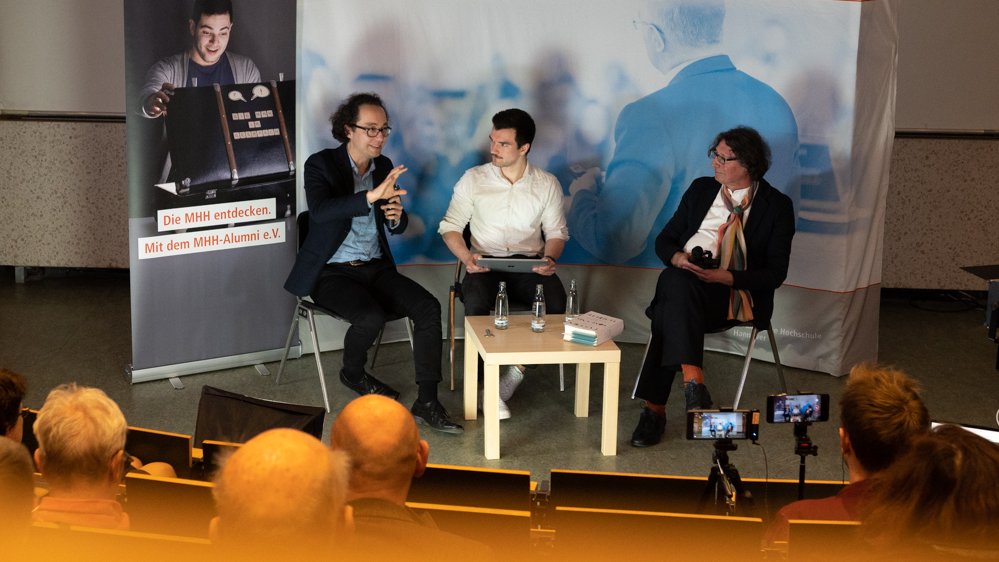
Rhythm in the blood -
What music and medicine have in common
March 15, 2023
How does playing an instrument benefit a surgeon? How does singing affect children's development? And what do professional musicians take to the physician? Prof. Dr. med. Benno Ure (Clinic Director Pediatric Surgery MHH) and junior professor Dr. med. André Lee (Music Physiology and Musicians' Medicine HMTMH) answer these and many other questions in conversation with moderator Matthias Xaver Schlönvogt (medical student MHH). You can look forward to scientific information and interesting anecdotes that will not only appeal to musicians and physicians.
// 2 CME points
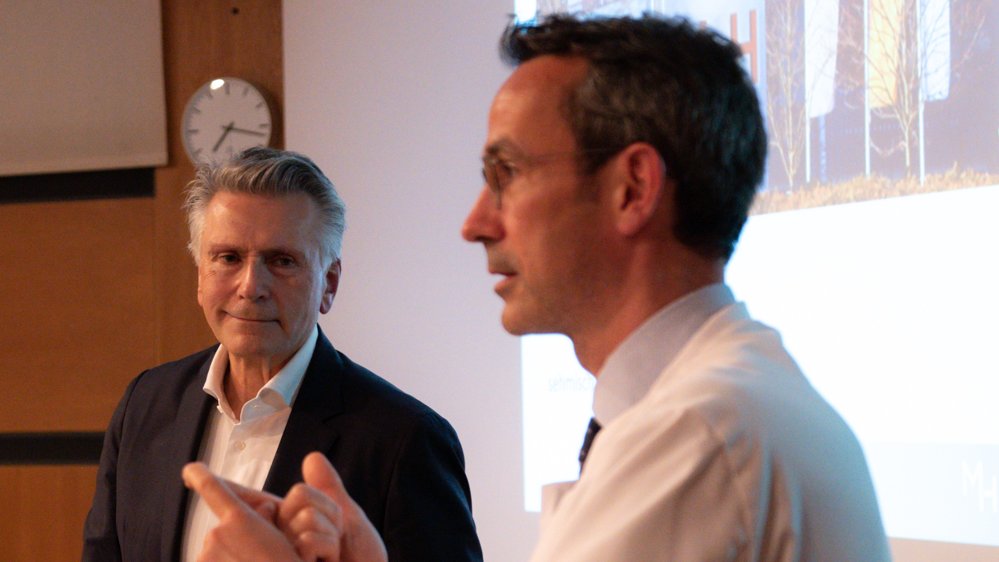
Osteoporosis - silent killer?
May 4, 2022
Around 40 interested people came to the MHH on Wednesday evening to find out about the trauma surgery perspective on the widespread disease osteoporosis. Professor Stephan Sehmisch, Head of the Clinical Department of Trauma Surgery at the MHH, used several case studies to report on a picture that trauma surgeons are increasingly confronted with: "When treating bone fractures in older patients, osteoporosis, which has been undetected and therefore untreated until then, is increasingly causing problems," explained Sehmisch. "In extreme cases, stabilizing the fracture can become a challenge if the existing bone material is already so porous that screws and plates can barely hold." Sehmisch is planning to set up a fracture liaison service to prevent this from happening. The aim is to prophylactically refer patients (aged 50 and over) and patients (aged 60 and over) who are admitted to the trauma surgery department due to a fracture to an osteologist so that, ideally, incipient osteoporosis can be diagnosed and treated.
In setting up the service, Sehmisch can build on the work of his predecessor. Like Sehmisch, Prof. Dr. Chistian Krettek, who organized the lecture evening together with his successor, also focused on the special needs and treatment risks of geriatric patients and initiated a geriatric trauma center at the Clinical Department of Trauma Surgery. "Many people don't even know that, from a certain age, an osteoporosis-related fracture simply has a significantly worse prognosis than cancer," emphasized Sehmisch. Simple measures could reduce the risk of osteoporosis: everyone can incorporate a regular intake of vitamin D tablets and sufficient calcium intake into their daily diet. And: depending on their individual predisposition, women aged 65 and over and men aged 70 and over should have their bone density measured so that osteoporosis can be detected before a fracture occurs. // 2 CME points from äkn

Who is the new head of the MHH's Department of Healthcare?
Prof. Dr. Dr. Frank Lammert has been responsible for Patient Care as MHH Vice President since 1 February 2021. The 55-year-old gastroenterologist and economist came to Hanover from Saarland for this role. In an interview with Alumni Chairman Prof. Dr. Siegfried Piepenbrock, he explains what prompted him to take this step and how he is tackling key challenges such as new buildings, staff recruitment and the pandemic in this new position.
28.04.2021, 6.30 pm | Online event with MS Teams
Registration by e-mail to alumni@mh-hannover.de
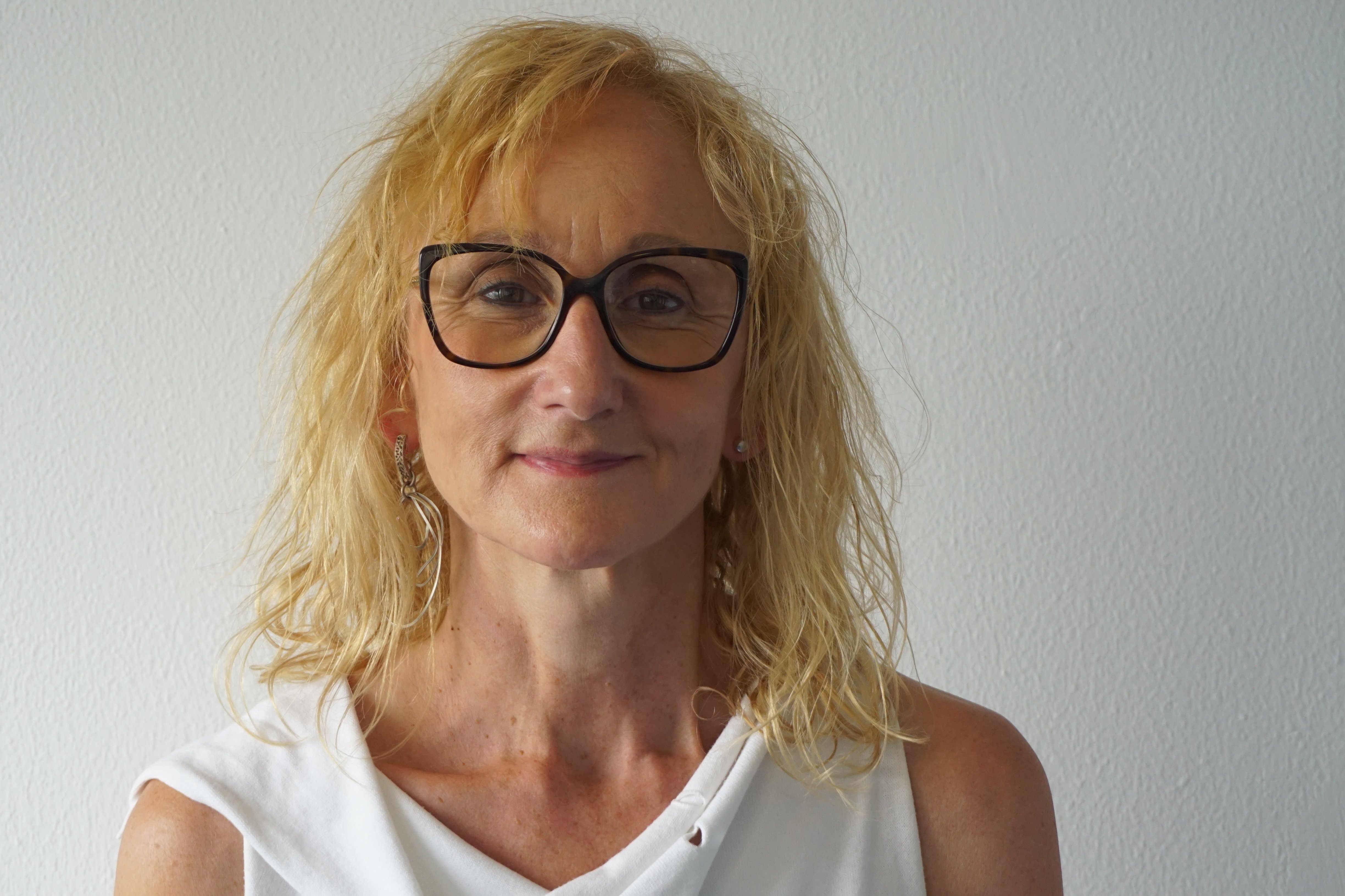
New nutritional trends
The list of possible diets is long: vegan, lactose-free, low-carb, gluten-free. What may sound healthy at first, however, carries risks. It can result in an inadequate supply of nutrients or even lead to a serious eating disorder from the urge to eat healthily. Ms. Sonja-Maria Nothacker (Head of the School for Dieticians at the MHH) will examine the characteristics of new nutritional trends and give tips on how we can prevent ourselves from slowly but surely eating and drinking ourselves sick. // 2 CME points have been requested from the äkn.
04.09.2019, 18.30 hrs | Lecture hall H, Level H0, Building J1 of the MHH
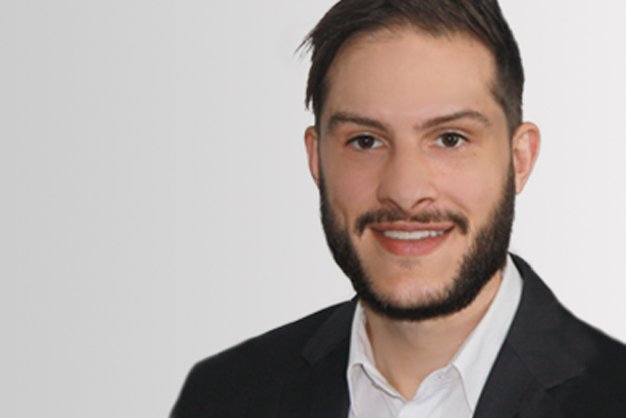
IT security
Data leaks or security gaps in information systems are regularly mentioned in the media, but what is actually behind them? Not only malicious attackers, but also technical failures or carelessness put personal data at risk, sometimes with serious consequences. What are serious threats for private individuals? M. Sc. Stefan Franz (IT Security Officer, Peter L. Reichertz Institute of Medical Informatics, Hannover Medical School) will examine aspects of IT security and explain how you can protect yourself.
15.05.2019, 18.30 hrs s.t. | Lecture hall Q, Level S0, Building J6 of the MHH
Culturally sensitive action in medicine
Treating people who are ill is always a challenge - but if the patients also come from a different culture and speak little or no German, things get really difficult. The lecture by PD Dr. Iris Tatjana Graef-Calliess, Chief Physician at the Clinical Department of Psychiatry, Social- and Psychological Therapy, KRH Psychiatry Wunstorf, and member of the management team of the Working Group Social and Transcultural Psychiatry & Psychotherapy at the Clinical Department of Psychiatry, Social- and Psychological Therapy of the MHH, will deal with this current and socio-politically controversial topic.
The proven expert stands for both research and clinical care in this field. Migration has always been something natural and taken for granted. But it can also go wrong. What do flight and migration do to health? This is a question that the German healthcare system must ask itself. Millions of people around the world are fleeing war and human rights violations. This also poses problems for medical care in Germany. Psychiatry in particular is facing new challenges. One surprising finding is that the time after flight or migration, i.e. after arriving in the new country, is more important for the individual than the phase before migration. The process does not end with arrival in Germany. Even if someone speaks German, this does not mean that they are physically and mentally well.
Regardless of cultural affiliation, prejudices should be avoided when treating a patient. There is no such thing as a Turkish patient, just as there is no such thing as a German patient. It is therefore helpful not only to focus on a person's cultural group, but also to see the subject - i.e. the individual person -, to take an interest in their cultural identity and to make them as a whole the starting point for scientific considerations and clinical action. // Training points have been applied for from the äkn.
March 20, 2019, 6.30 p.m. s.t. | Lecture hall G, level H0, building J1 of the MHH