Expert interview: Colorectal cancer (screening) - myths, fears and concerns
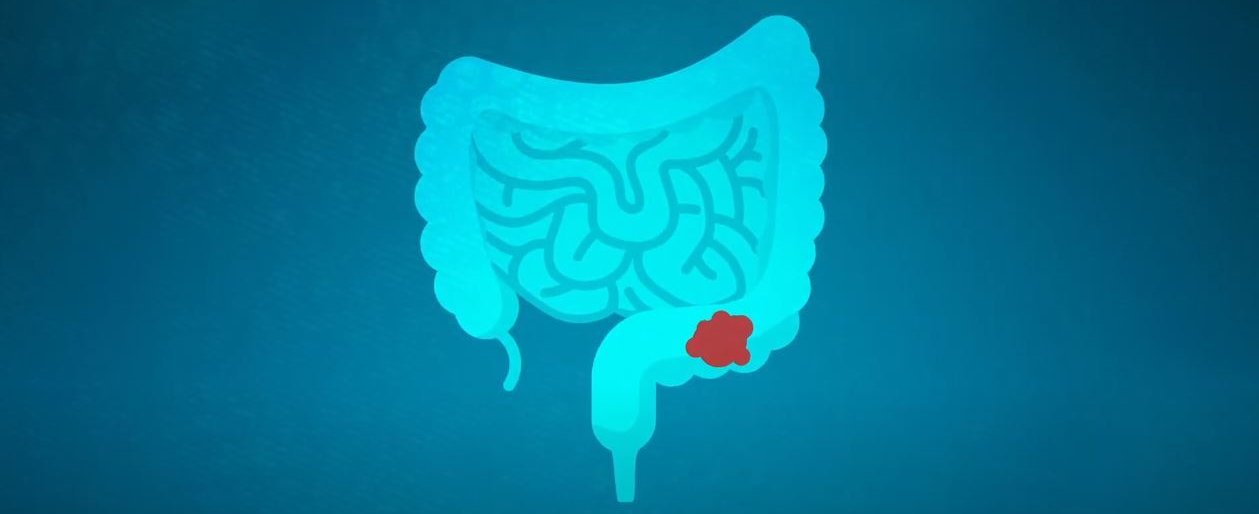
Status: 15.03.2021 We spoke to Prof. Dr. Hans Heinrich Wedemeyer, Director of the Clinical Department of Gastroenterology, Hepatology and Endocrinology at the MHH, about myths, fears and concerns about colorectal cancer and colorectal cancer screening. Myth 1: "As long as I feel fit and healthy, I don't need a screening." "That's definitely not the case! Unfortunately, bowel cancer can affect anyone, even those who feel fit and healthy. Precancerous lesions, known as colon polyps, can be detected during a colonoscopy and removed immediately, long before they become noticeable. It is therefore a real "preventative measure". Colonoscopy is currently the most reliable method for the early detection of bowel cancer. The data is overwhelming and it makes sense to carry it out in every case. Not only is the risk of developing bowel cancer reduced, but overall survival is significantly improved thanks to this screening test." Myth 2: "The preparation and examination is too time-consuming. I don't have time for a colonoscopy." "The truth is that you should take a day off work on the day the colonoscopy is scheduled. As the examination usually involves a short anesthetic - you can sleep peacefully during it! -You are not allowed to drive on the day. The bowel must be completely empty for the examination, which requires some preparation beforehand. After the examination, however, you will be fit and ready to go again the next day. It is by no means the case that you are ill for a week afterwards. What we should be aware of: Colonoscopies are performed every 10 years for men from the age of 50 and for women from the age of 55. It should be possible to find a day every 10 years for your own screening." Myth 3: "A colonoscopy is painful." "A colonoscopy is not painful in any way. An extremely well-tolerated short anesthetic with Propofol is administered so that patients are relaxed and asleep during the endoscopic examination. Afterwards, there may be a slight pinching sensation in the abdomen. But you don't notice anything of the examination itself, you're asleep." Myth 4: "I don't feel comfortable having a colonoscopy." "Colonoscopy is absolutely safe. Hundreds of thousands of colonoscopies are carried out in Germany every year. They are of such a high quality and so well standardized, both by physicians in private practice and by us at the MHH, that patients can have confidence in them. There is no need to be afraid of the examination. The quality and safety of the examination is always checked and evaluated." Myth 5: "Bowel polyps are always cancer." "That's not true. Bowel polyps can develop into cancer. That's why screening is so important, as bowel polyps can be removed directly. In the rarest of cases, however, it is already cancer." Myth 6: "Bowel cancer is not curable." "Bowel cancer can be curable! And bowel cancer is curable, especially if I detect it in time. It can be surgically removed and there are many other concepts beyond that. After surgery at an early stage, we have 5-year survival rates of 70-90 percent for colorectal cancer. Even if I discover the cancer at a stage where it is not completely curable, for example if it cannot be surgically removed, we now have revolutionary cancer therapies at our disposal. These can stop tumor growth, control disseminated colorectal cancer and even cure some late-stage cancers. We have completely new immunotherapies where we take a close look at the cancer and see which genetic changes have actually led to cancer growth. Depending on the mutation, very targeted therapies can then be applied. It really is gigantic what can be achieved today. The detection of tumors is also getting better and better. Artificial intelligence methods are already increasingly being used in everyday life, for example image support that helps the examining physicians to detect polyps or tumors. This is a major development in medicine". What is your personal message to readers? "If you find out that someone in your family has had bowel cancer, go for a screening examination at an early stage. Example: If your uncle or aunt was diagnosed with bowel cancer at the age of 52, you should have a screening at the age of 42. The mnemonic would be minus 10 years. Conversely, if I am affected by bowel cancer myself, it's not just about me, but also about my family and loved ones. That I make them aware and tell them that I probably carry genes that increase the risk of developing bowel cancer. First and second-degree relatives can get screened early and take precautions. This is really close to my heart. |
Colorectal cancer screening - how it works and why it is so important
Prof. Dr. Wedemeyer, Director of the Clinical Department of Gastroenterology.

Colorectal Cancer Awareness Month was proclaimed by the Felix Burda Foundation, the LebensBlicke Foundation and the Netzwerk gegen Darmkrebs e.V. to raise awareness of colorectal cancer screening. This year marks the 21st time that March has been dedicated to colorectal cancer screening throughout Germany.
This might interest you:
Prevention and early detection Interview "Healthy nutrition - what it means and how it can work"Our nutrition experts at the MHH give us their tips on how to stay healthy throughout the day.