Protect against skin cancer and detect skin cancer
Skin Cancer Month May
Status: 03.05.2021
Skin cancer is a collective term for various tumor diseases of the skin. A distinction is made between so-called "black skin cancer" (malignant melanoma) and "light skin cancer". Light skin cancer includes basal cell carcinoma and squamous cell carcinoma, but there are also some rarer forms of skin cancer, such as angiosarcoma, dermatofibrosarcoma protuberans or liposarcoma. Malignant melanoma is the most dangerous type of skin cancer.
The incidence of skin cancer has been rising steadily for several decades. The most important risk factor is UV radiation from the sun and solariums, as the skin is damaged by UV radiation. The higher the UV exposure, the greater the risk of developing skin cancer later on. This effect is intensified by sunburns. It is therefore important to protect the skin when spending time in the sun.
This way you can protect yourself and your children from UV radiation:
| 1 Avoid strong sun, especially at midday. |
| 2. clothing and headgear offer the best protection |
| 3. sunglasses protect our eyes from UV light and prevent eye damage. |
| 4. sun cream: remember to apply to all uncovered parts of the body. For children, a sun protection factor of at least 30 applies, adults need at least sun protection factor 20. If in doubt, it is better to choose a higher sun protection factor. |
| 5 Avoid sunburn! |
| 6. protect children and babies from the blazing sun. |
| 7. also think about protection when bathing in water. Reapply cream after bathing. |
| 8. watch out for side effects of medication in connection with sunlight. |
| 9. avoid tanning beds. |
| 10. be a role model for your children when it comes to sun protection. |
| This advice is based on the recommendations of the Federal Office for Radiation Protection. You can find a complete version here. |
Detect skin cancer at an early stage
The earlier skin tumors are detected, the better the chance of recovery
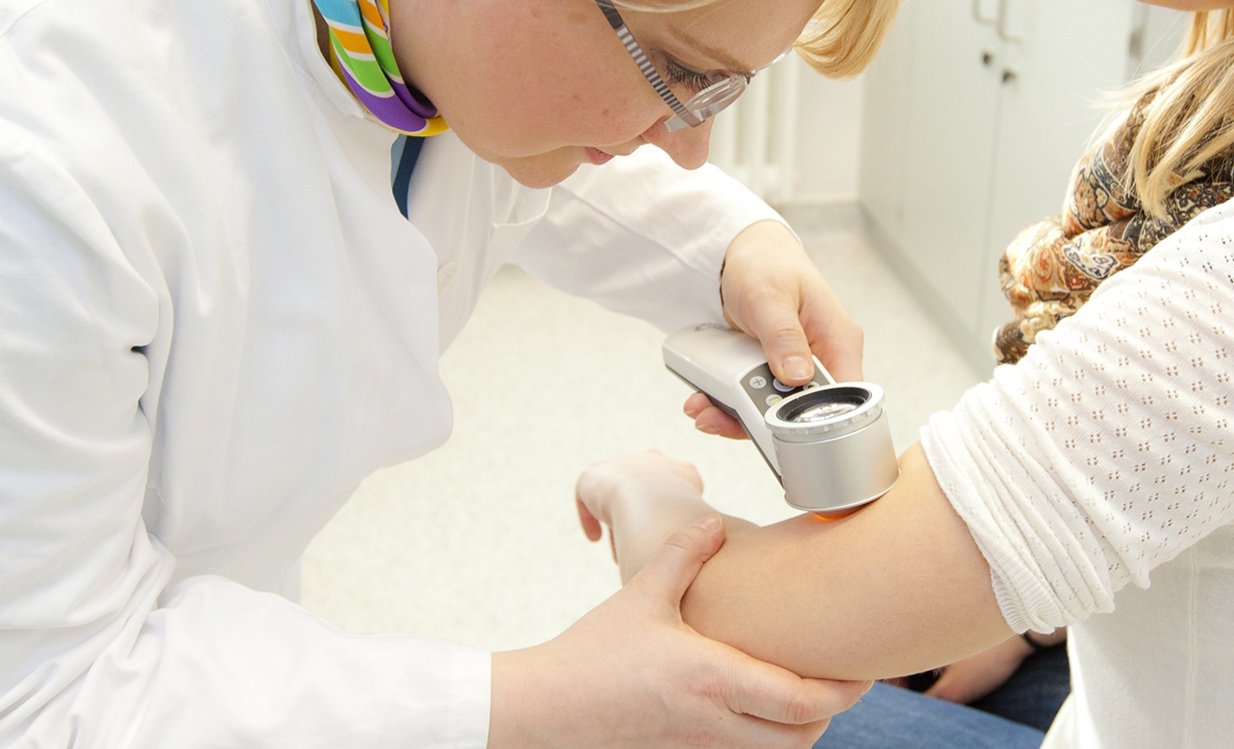
It is therefore important to look out for typical signs of skin cancer. Women and men with statutory health insurance can go for a skin cancer screening every two years from the age of 35 . The screening is part of the statutory early detection program in Germany and is paid for by the health insurance company. The examination is carried out from head to toe. The aim is to detect skin cancer at the earliest possible stage. However, it does not replace self-examination.
As a general rule, if you notice any abnormalities that make you feel uneasy, do not hesitate to seek medical advice.
In the video, Prof. Dr. Alexander Kapp, Director of the Clinical Department of Dermatology, Allergology and Venereology at the MHH, explains which changes you can look out for yourself and how the A-B-C-D-E rule can help.
Skin cancer screening - what changes should I look out for?
Prof. Dr. Alexander Kapp, Director of the Clinical Department of Dermatology and Allergy at the MHH.
Further information can be found here:
The Cancer Information Service
Early detection of skin cancer: moles, birthmarks, pigment spots
German Cancer Society: ONKO Internet portalPrevention and early detection of skin cancer. Expert advice: Prof. Dr. med. Imke Grimmelmann, Head of Dermatooncology at the MHH.
Infothek of the German Cancer AidThe blue guides, leaflets, guidelines: This is where patients, relatives and interested parties can find helpful materials on the topics of cancer treatment, prevention and early detection.