The Surgery Center of the MHH
What is the Center?
The Center for Surgery was founded in 1972 under the name "Department of Surgery of the MHH" and today regulates the distribution and execution of academic and administrative tasks as well as coordinating tasks in patient care within the Center for Surgery of the MHH.
The founding members were the then directors of the four surgical departments of the MHH specializing in Thoracic and Cardiovascular Surgery, Special Surgery and Transplantation, Urology, Trauma Surgery and the General Surgery Department of the Oststadt Hospital.
Since its foundation, the Surgery Center has developed into a mainstay of clinical medicine within Hannover Medical School. Here, top regional and national care is combined with internationally visible clinical and scientific innovation. An outstanding example is transplantation medicine, from which other scientific focal points at MHH such as immunity and infectiology, regenerative medicine and biomedical engineering have been established. In all areas, MHH surgeons have made excellent and internationally recognized scientific contributions and clinical innovations. The importance of the MHH surgical school in terms of the careers of its graduates has been recognized for years. Numerous chairs in Germany and abroad have been and are held by Hanoverian surgeons. As many as 5 of the last 15 Presidents of the DGCH have their roots in MHH surgery. The innovative power of surgery has not only produced 3 research buildings and a series of coordinated large research networks, it has also led to ever new therapeutic procedures in clinical care. In the course of these discussions, MHH Surgery was closely involved in the process of preparing two Science Council papers on the "Future of University Medicine" and its recommendation on the formation of profile centers and on the "Structures and Tasks of University Medicine in Health Care".
Mission statement of the MHH School of Surgery
- Surgery at Hannover Medical School (MHH) is a center of maximum clinical care. We treat the most difficult patients throughout Germany and beyond its borders and are responsible for optimal regional care.
- We are responsible for the entire course of treatment of our patients, from the indication for surgery, through the entire post-operative phase, including surgical intensive care, to rehabilitation and secondary prevention.
- We are successful through intensive cooperation within all groups of our employees and through collaboration with our partner clinics and Facilities or Institutions of the MHH.
- We stand for excellence in training, further education and career development, not only for surgeons, but for all professional groups.
- We promote medical and surgical progress through our science. This science serves the well-being of patients. By integrating basic research and clinical studies, new findings on the prevention, diagnosis and treatment of diseases are transferred responsibly into clinical application.
- The value of our work is measured by the health of our patients. We work sparingly with our resources; profit optimization at the expense of patients contradicts the principles of our surgical school.
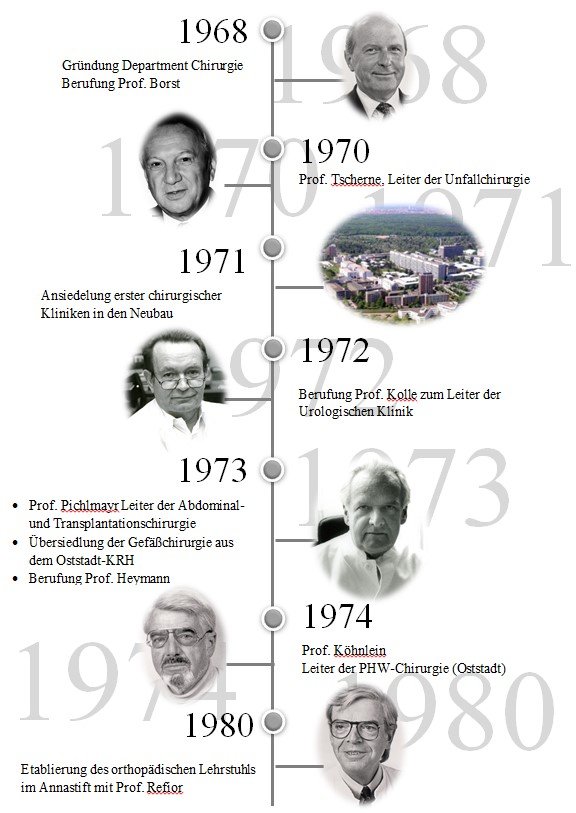
History of the Institute
With the appointment of Hans Georg Borst as Chair of Surgery at the MHH in 1968, an exposed student of the Zenker School came to Hanover. Just two years later, his senior physician Rudolf Pichlmayr was appointed general and visceral surgeon, followed a year later by Harald Tscherne as full professor of trauma surgery. As time went on, this triumvirate of initially junior surgeons, later top surgical staff and the integration of urology, orthopaedics and pediatric surgery into the Center for Surgery complemented each other. Thus, the first appointment to the MHH Surgery Center was a milestone for an innovative management strategy through the sharing of responsibility.
As early as the 1970s, the Center for Surgery achieved not only regional but also national recognition. The reform idea of dividing surgery into chairs for independent units with academic-clinical responsibility for organ-related diseases became established at many other universities. This was also due to the fact that powerful academic personalities were appointed to these chairs, who immediately made their mark in the fields of liver surgery, aortic surgery, organ transplantation, trauma surgery and plastic reconstructive surgery. Hanover soon appeared on the international map as a respected surgical center.
In line with its mission statement, the resulting school today stands for the holistic treatment of patients, including the indication for surgery, its execution and all post-operative care, including intensive care. This holistic concept of surgical care was the foundation for the excellent results in the individual Clinical Departments, but also provided fundamental scientific findings, for example in trauma or transplant research.
trauma and transplantation research. Novel surgical techniques, such as extracorporeal membrane oxygenation, continued from perioperative cardiopulmonary relief throughout the procedure as a bridge to recovery in intensive care. Such innovations, inaugurated in Hanover, have set a worldwide precedent in the treatment of preterminal and terminal organ failure and have also been established in neighboring disciplines.
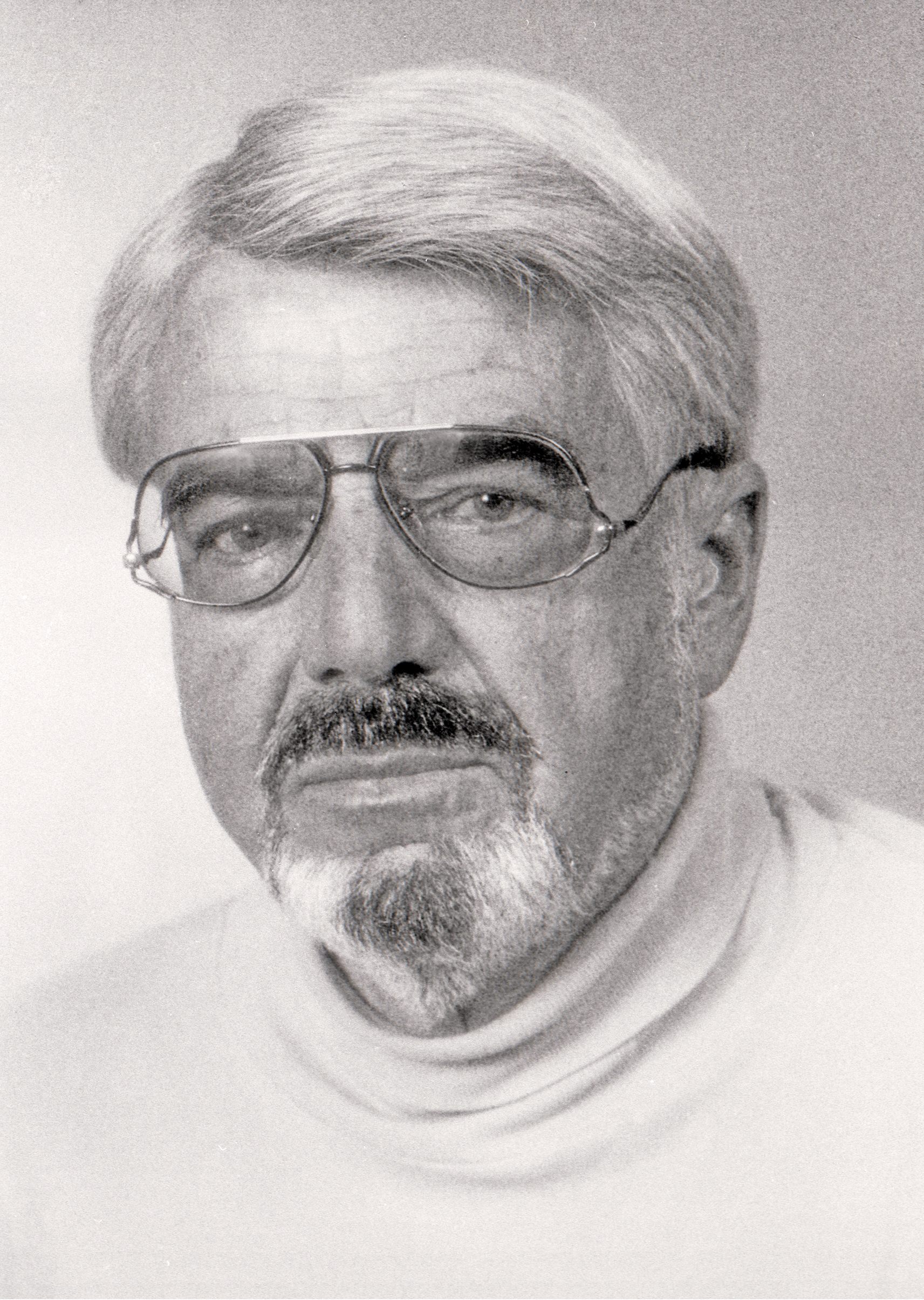
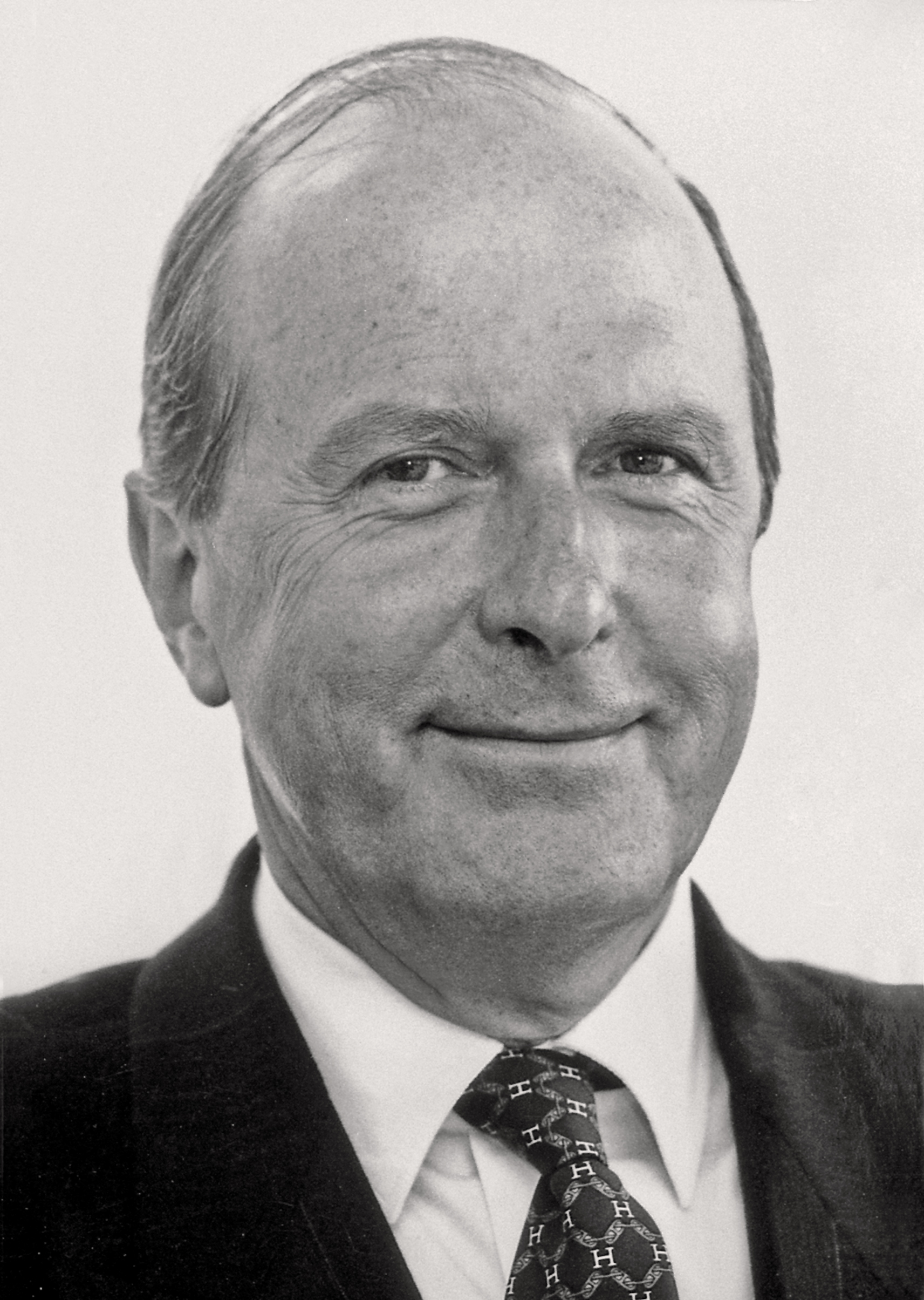
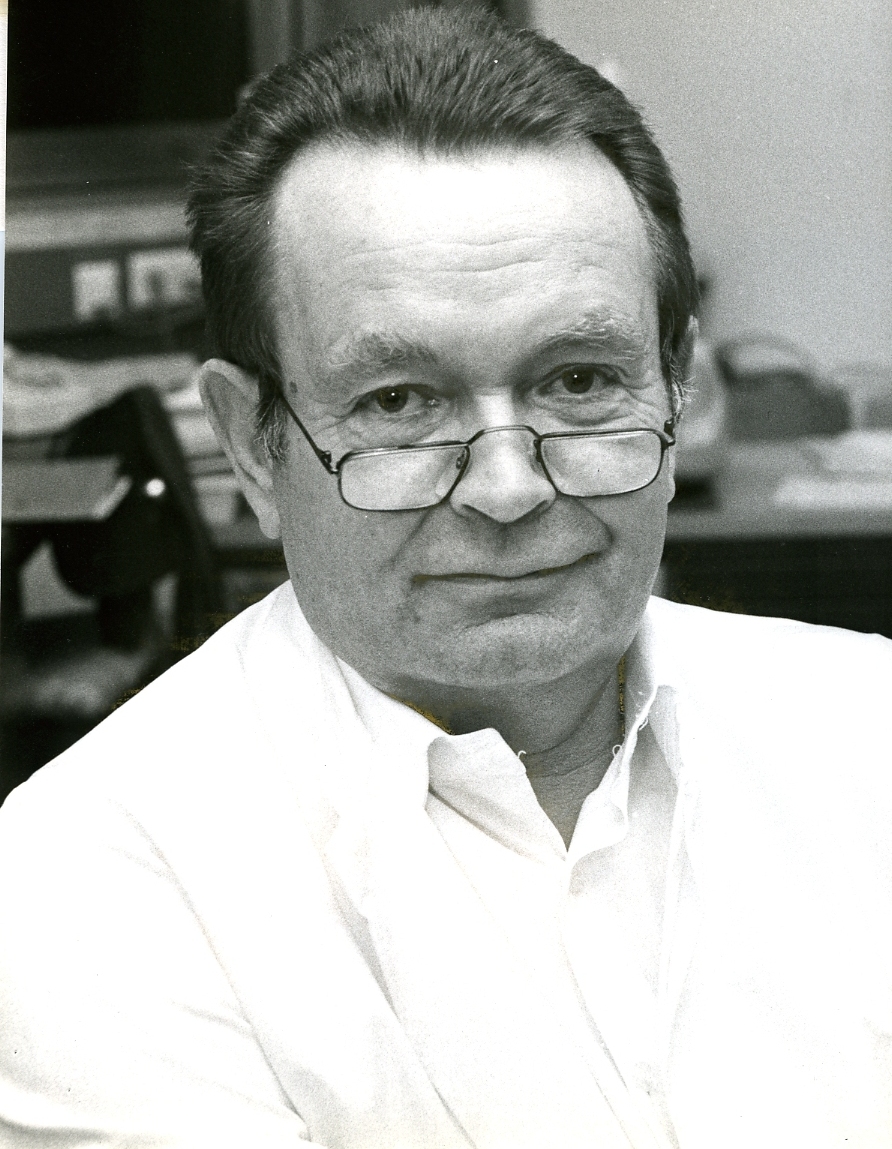
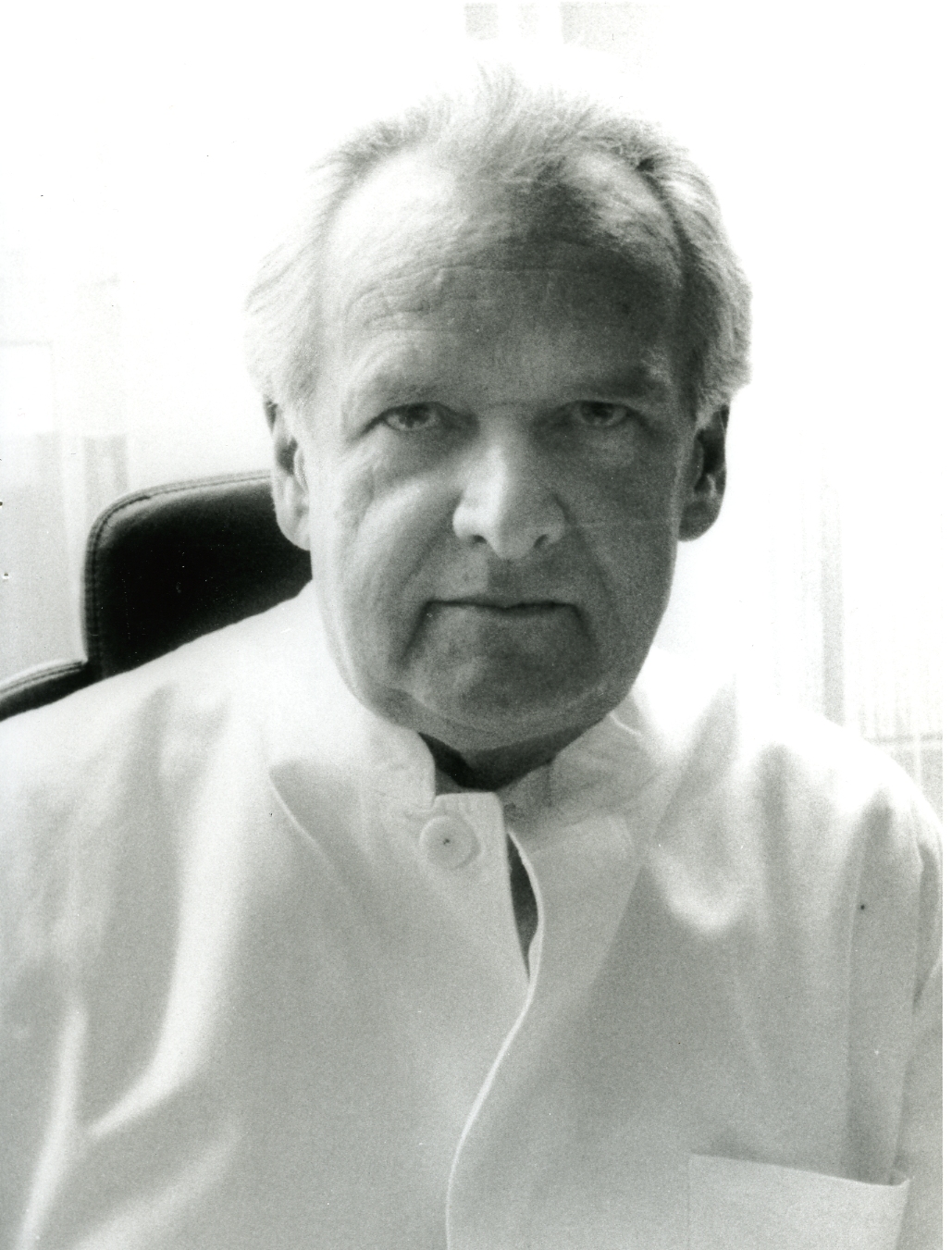
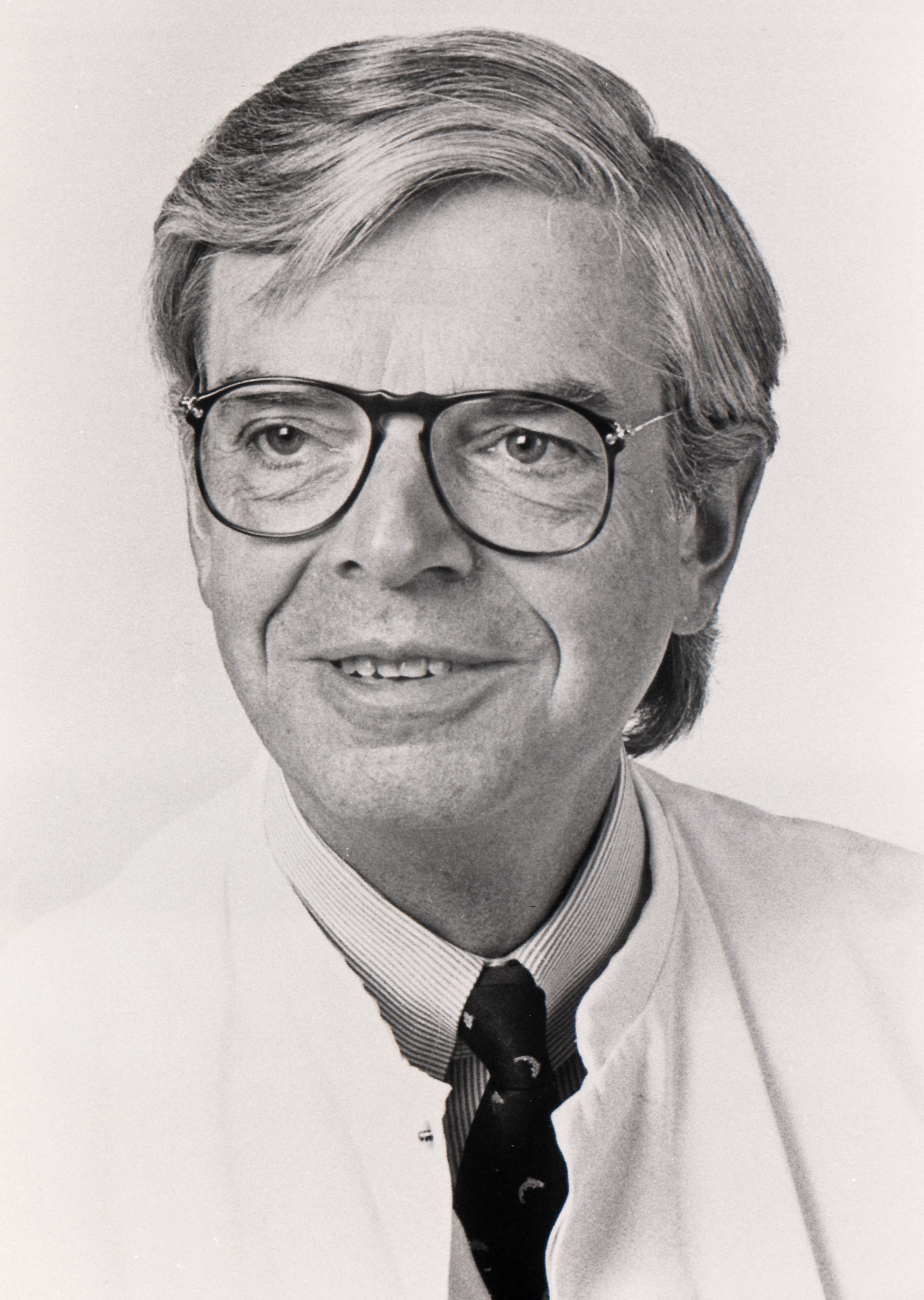
Founding members
The Center for Surgery today
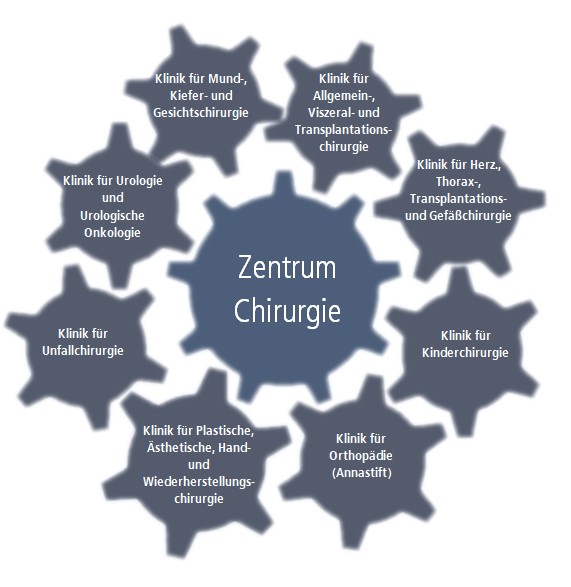
Today, the Center for Surgery consists of eight Clinical Departments,
each representing a surgical discipline, which is also represented as an
as an independent specialist society in the umbrella organization
the German Society of Surgery.
This differentiation essentially corresponds to the structuring of
of surgical disciplines in other Western countries. In the recent past
In the recent past, some Clinical Departments of the Center for Surgery have implemented
implemented within some clinics of the Center for Surgery to meet the requirements of increasing
specialization in medicine. The administrative cohesion
is resource-efficient and promotes cooperation between the individual
individual profile areas. From the point of view of the Center for Surgery, the further development of such a competence-based divisional management system is the optimal path to future-oriented, academically managed surgery.
Chairperson
- Since 13/05/2020 Univ.- Prof. Dr. med. Dr. med. Peter M. Vogt, Director of the Clinical Department of Plastic, Aesthetic, Hand and Reconstructive Surgery
- 04/2008 to 05/2020 Univ. Prof. Dr. med. Axel Haverich, Director of the Clinical Department of Cardiac, Thoracic, Transplant and Vascular Surgery
- 1997 - 03/2008 Univ.Prof. Dr. Udo Jonas, Director of the Clinical Department of Urology and Urulogical Oncology
- 1993 - 08/1997 Univ.-Prof. Dr. Rudolph Pichlmayr, Director of the Clinical Department of Abdominal and Transplant Surgery
- 01.04.1968 - 1993 Univ.-Prof. Dr. Hans-Georg Borst, Director of the Clinical Department of Thoracic, Cardiac and Vascular Surgery