Dr. Henning Herrmann
Senior Physician, Head of Dental, Oral and Maxillofacial Clinic
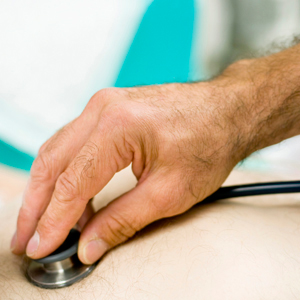
The Department of Anesthesiology cares for around 2000 patients in three operating theaters in the dental clinic who are undergoing surgery or dental rehabilitation. The operations cover a wide and demanding spectrum of soft tissue and hard tissue surgery from cleft lip and palate, osteotomies and implants to extensive tumor resection procedures with flap plasty.
Typical operations are
We see our role as perioperative companions who familiarize themselves with you and your clinical picture before the actual operation, monitor you closely on the day of the operation and are also there for you postoperatively in the recovery room.
The demands on our daily work are, like our patients, very different, so we regularly perform classic general anesthesia as well as concomitant sedation. The different types of anaesthesia result from the operation itself, but also from the patients, who differ in terms of their age distribution as well as their underlying and pre-existing conditions. We care for young children and infants as well as older patients, who often have concomitant illnesses. We have all the facilities of the University Medical Center of the Medical School at our disposal.
You are the focus of our daily work. The aim of our experienced team is to provide you with safe, anxiety-free and pain-free anesthesia care on the day of your operation. After the operation, patients are monitored by our anesthesia team for approximately one to two hours in the recovery room (e.g. breathing, blood pressure, blood sugar, electrolytes). Here you will be given oxygen, painkillers and other necessary medication to help you recover as quickly as possible.
The underlying disease to be treated surgically (tumor, trauma, malformation) often alters the normal anatomical conditions of the upper airways and therefore often makes intubation (insertion of the breathing tube into the windpipe), which is necessary for general anesthesia, more difficult. Special procedures for endotracheal intubation and anesthesia management are therefore often used.
In the case of severely restricted mouth opening and extensive tumors, very often only fiberoptic intubation with the patient awake can be considered. Thanks to our clinical experience with these patients and the combined use of surface anesthesia and appropriate analog dosage, we are also able to perform this procedure safely and gently for our patients. As the surgical site is almost always in the immediate area of the upper airway, particularly close cooperation between the surgeon and anesthetist is required to ensure adequate safety for the patient.
By knowing the respective surgical procedure, its specific risks and requirements, the anaesthetist can help to avoid complications by monitoring vital functions, recognize them in good time and, if necessary, treat them immediately. The anesthesia procedure we use in each case with the latest, easily controllable anesthetics allows you to wake up quickly and pain-free, even after hours of surgery. We therefore regularly use intraoperative EEG monitoring to measure the depth of anesthesia.
For patients with extensive tumor resection or plastic reconstructive procedures, midface fractures and for patients with pronounced cardio-pulmonary concomitant diseases, postoperative monitoring and therapy is available in the anesthesiology intensive care unit (Ward 34/44). In this case, patients are brought to the intensive care unit accompanied by the anesthetist while still under anesthesia and ventilated. As a rule, the patient is transferred back to the monitoring ward (Ward 77c) in the Clinical Department of Maxillofacial Surgery on the second postoperative day.
Please note that you will receive medication before (sedatives), during (anesthesia) and after the procedure (painkillers), which can severely impair your attention, roadworthiness and memory . For outpatient procedures, we therefore ask that you are accompanied by someone who is also available at home in the hours following the operation.
For infants (from the age of 6 months) and children, sedatives are usually administered 30-45 minutes before the procedure. In addition, children should have a pain plaster applied to the back of their hands approx. 45 minutes before the operation to enable an almost pain-free infusion to be applied later. If this is not possible, we prefer to induce anesthesia using a mask, in which the children breathe in a few breaths of an anesthetic gas mixture to enable the pain-free insertion of an infusion needle.
As parents, you may accompany the children directly to the operating theater. Postoperatively, you can also be with your child in the recovery room after the operation (please also bring a soft toy/pacifier or similar).
Outpatients (day patients) are discharged home under escort after consultation with the responsible anesthesiologists and maxillofacial surgeons.