
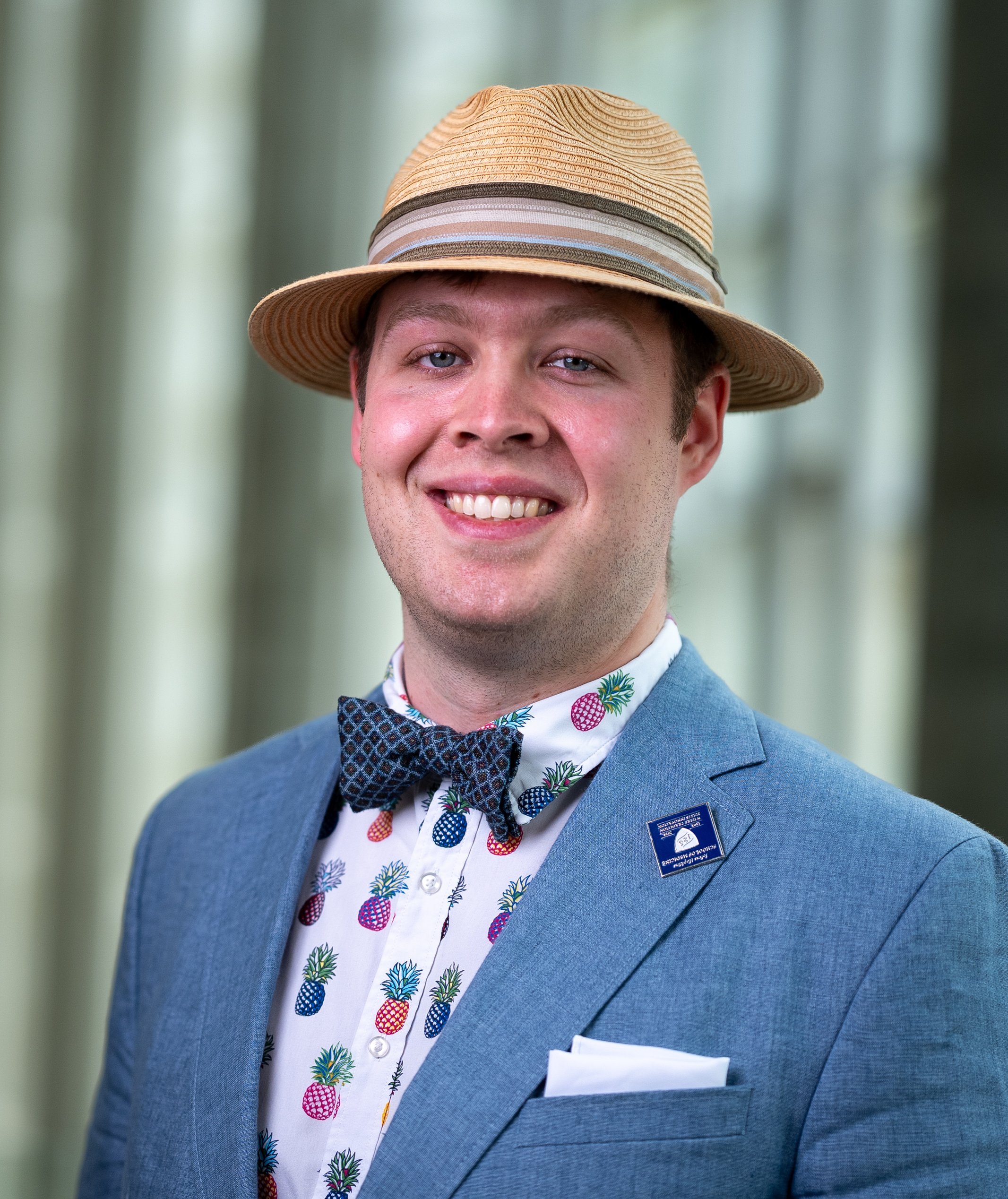
The WBuys lab focuses on myeloid hematopoiesis from human induced pluripotent stem cells (hiPSC). We reprogram primary human hematopoietic cells to clinical-grade hiPSC to 1) develop allogeneic immune cell therapies and 2) model the clonal dynamics and mechanisms of therapy resistance in leukemia with a focus on myeloid leukemia. Our work bridges developmental biology with a focus on mesoderm-derived hematovascular lineages to integrated models of adult hematopoiesis comprising hematopoietic and support tissues of the human bone marrow.
In brief, we take blood cells, reprogram them to a stem cell status that can be amplified indefinitely, and then use these stem cells to produce new blood and bone marrow cells to develop immune therapies against blood cancer.
Current projects
**A collaboration with Prof. Renata Stripecke funded by the INKUBATOR program of the Comprehensive Cancer Center Niedersachsen.**
CAR T-cell therapies have revolutionized the treatment of lymphoid blood cancer but have so far not been very successful against myeloid blood cancer. This is caused by the large variety between individual myeloid blood cancer cells, making it hard to find one treatment that works against all of them, as well as by the cancer corrupting the hosts bone marrow to protect itself. To test new therapies, myeloid leukemia is commonly modeled by either 1) mixing leukemia cells and immune cells in a "test tube", which is simple and fast but lacks interaction with other cell types of the bone marrow environment, or 2) in time-consuming, logistically and ethically challenging animal experiments. Recently, three-dimensional bone marrow-like "organoids" have been developed that can both be produced in large numbers and can model some 3D interaction of leukemic cells, healthy blood cells, and the surrounding support tissues. In this project, we propose to advance this concept by integrating healthy and leukemic cells during the whole organoid development process. To do so, we will first take patient cells and reprogram both healthy and leukemic to a stem cell status in which we can amplify them indefinitely. We will then mix leukemia-based and healthy stem cells before developing them back into blood-forming and support tissues inside hematopoietic organoids. We will then use these organoids to test how well a CAR T immune cell therapy directed against the cellular target CD70 kills leukemic cells and whether it spares healthy cells. This project will help us understand how blood cancer corrupts the bone marrow to protect itself from host immunity and will serve as a basis for developing new immune therapies relying not only on the blood-forming tissue but also on the surrounding bone marrow environment.
Different pluripotent stem cell lines produce blood cells with vastly different, often unsatisfying efficiency, which makes derived cell therapies unreliable and prohibitively expensive. During his postdoc, Willem Buys has developed a method to produce blood cells, such as myeloid immune cells or red cells from hiPSC using a clinical-grade modified version of the published TIRN stem cell protocol developed at the Zambidis lab, JHU. This method produces myeloid immune cells at a 5-50-fold greater efficiency and is more robust to using different cell lines than using regular "primed" pluripotent stem cells. This work, which ties into the ATMP GMP DU's focus on translating new cell therapies, aims to make myeloid immune cell therapies, such as CAR macrophage therapies, more economically feasible; especially when produced from existing cell banks with variable differentiation efficiencies.
**A collaboration with Dr. Indira Paddibhatla.**
Many aspects of the blood-forming system are similar even between distantly related species. Because it is much easier to work with large numbers in small, shortlived, and less biologically complex animals, many of the most fundamental findings in immunology have been made in the fruit fly D. melanogaster. In this collaboration, we have identified new pathways by which an old cancer drug, methotrexate, regulates chronic cellular inflammation. We are currently using this model to identify new cancer drivers to identify putative treatment targets for human blood cancer.
Publications
W. Buys ORCID W. Buys Pubmed
Current Team
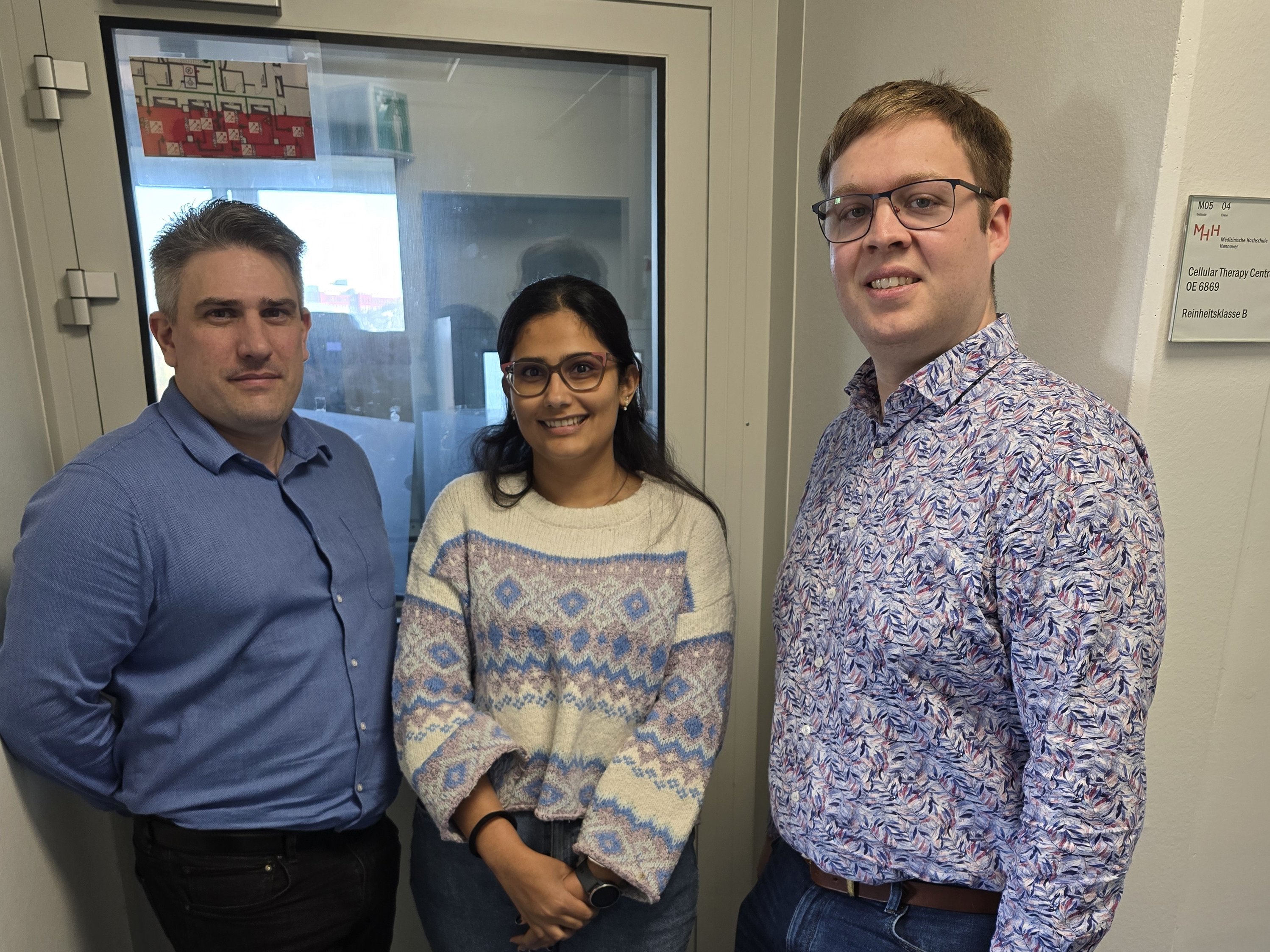
Vincent Coger
Dipl. Bio., has >15 years of primary mammalian cell culture experience both in the academic and private sectors before joining the WBuys lab in Sep 2026. He is primarily responsible for the WBuys cell bank and animal research, as well as serving as the WBuys lab's equipment and research material officer.
Hetavi Zaveri
M.Sc., graduated as a Master of Biochemistry and Molecular Biology from the Johns Hopkins Bloomberg School of Public Health in 2024. She served as a research specialist in the Johns Hopkins Institute for Cell Engineering until summer 2026, when she joined the WBuys lab as a Ph.D. student. Hetavi Zaveri's thesis work focuses on reprogramming hiPSC from leukemic patient donors and re-differentiating them towards hematopoietic organoids.
Connect using the links below!
If you are looking for an M.D. or Ph.D. position, please also review the funding opportunities provided by the Hannover Biomedical Research School and the German Academic Exchange Service (DAAD).
Collaborators
Renata Stripecke
Clinic for Hematology, Hemostaseology, Oncology and Cell Therapy, Hannover Medical School
Andrea HoffmannLower Saxony Center for Biomedical Engineering, Implant Research and Development (NIFE)
Elias T. ZambidisJohns Hopkins Institute for Cell Engineering & Sidney Kimmel Comprehensive Cancer Center
Indira PaddibhatlaJohns Hopkins School of Medicine & University of Hyderabad