Gentle cooking technique
Now with roast pork instead of smoked pork
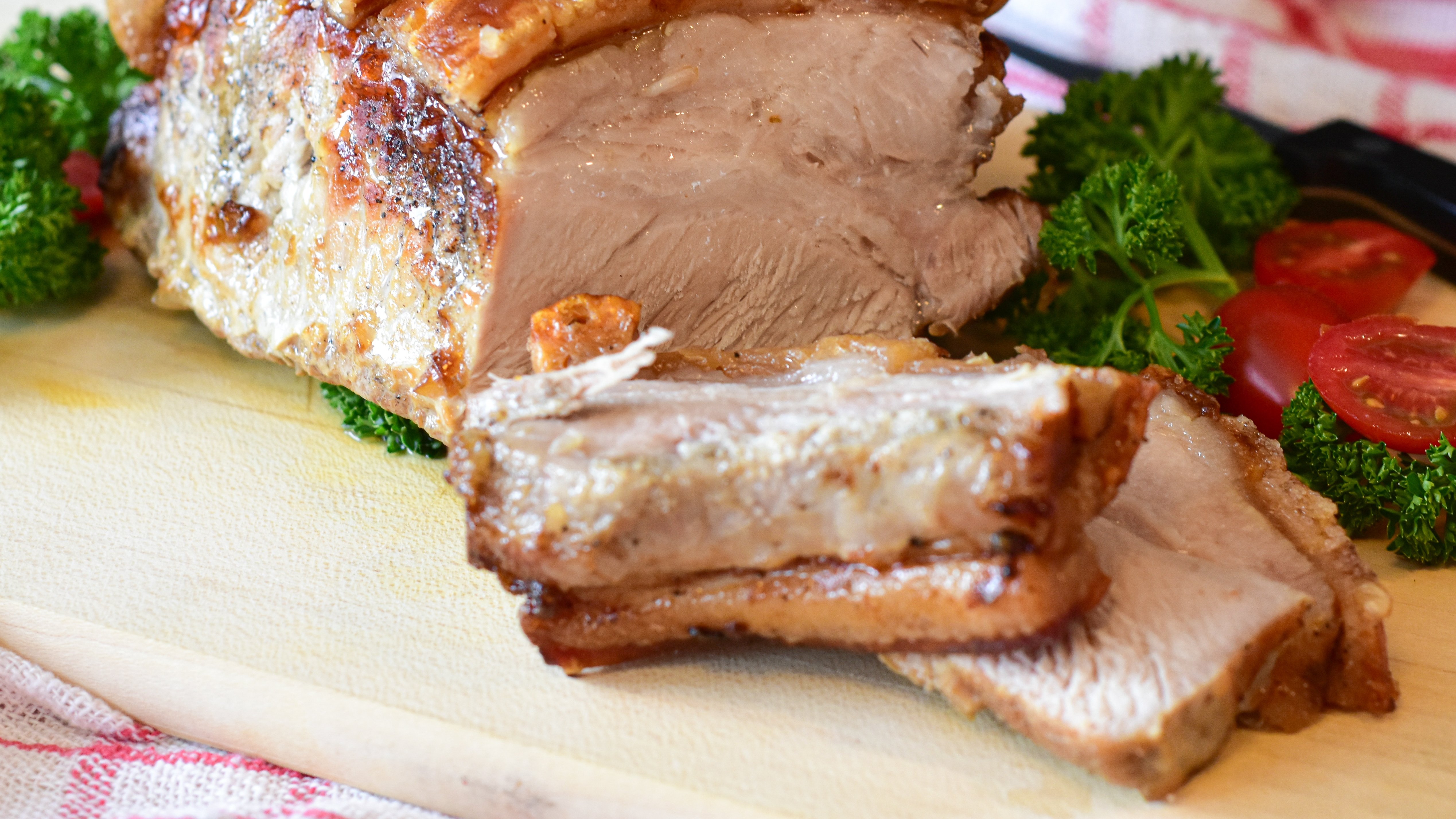
The Kasseler roast has been replaced by a pork loin roast, but why?
In contrast to the pork loin, the pork roast is not cured, which means that the salt content is lower.
In addition, harmful substances (nitrosamines) can generally be produced when cured products are cooked.
The roast pork is gently cooked in our kitchen at low temperatures for a longer period of time.
This gentle process can prevent the formation of nitrosamines.
Did you know?
The Canteen kitchen sources its meat from a butcher near Hanover. This butcher works closely with farmers in the region and always ensures high quality.
Hungry for more - Click here for science
Secondary plant substances
Bell pepper, tomato, raspberries
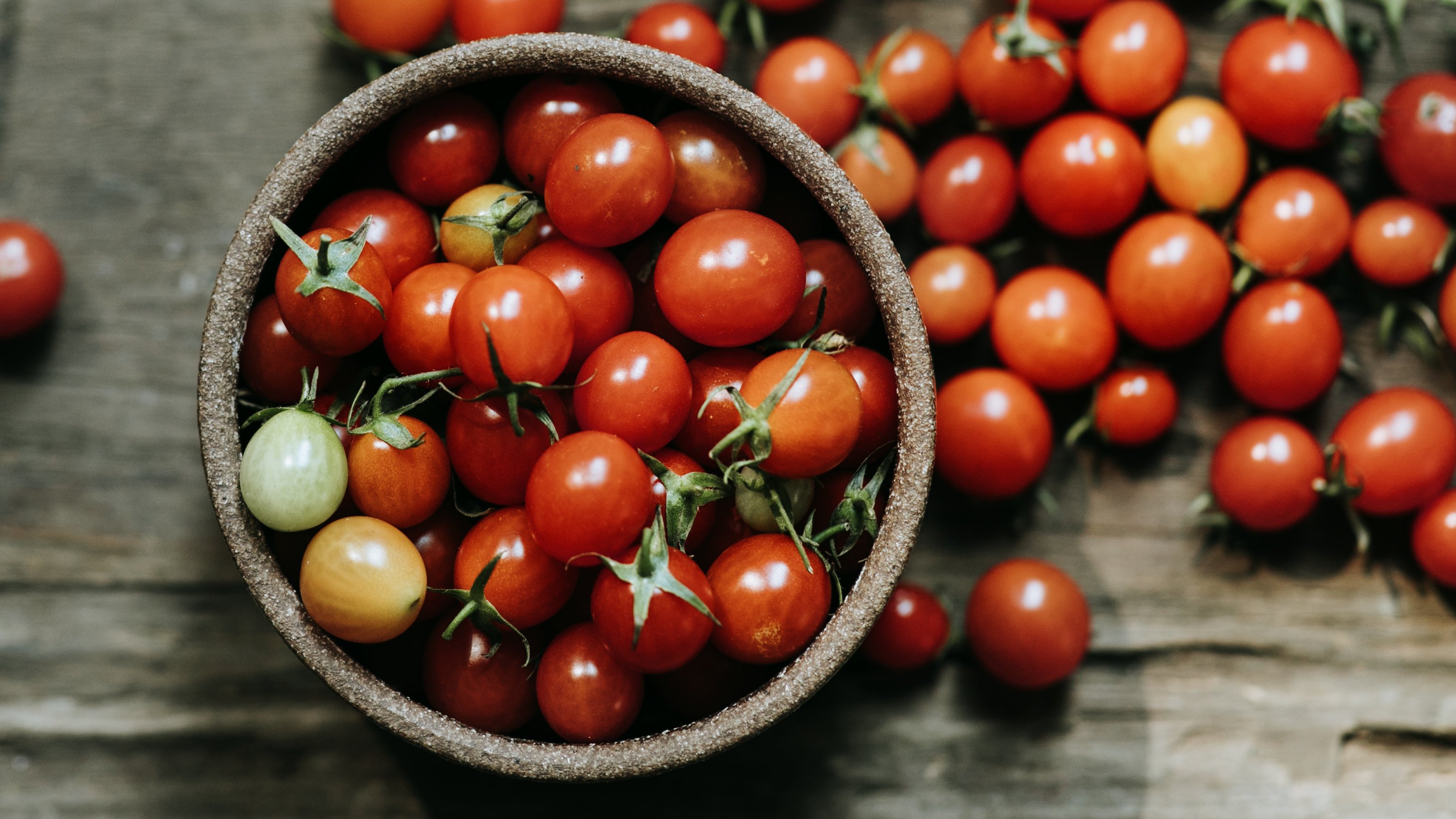
Secondary plant substances are natural components in plant foods that serve plants as colorants, fragrances and flavorings. In humans, they have an anti-inflammatory effect, lower cholesterol, protect against free radicals, strengthen the immune system and have a preventive effect against cancer or cardiovascular diseases such as high blood pressure or thrombosis.
A plant-based diet therefore has many benefits: The more colorful a plant-based food is, the more phytochemicals it contains.
Red peppers and red tomatoes are rich in carotenoids such as lycopene or beta-carotene, these secondary plant substances protect our cells from oxidative stress, among other things.
Hungry for more - Click here for the science
Herbs
Rosemary
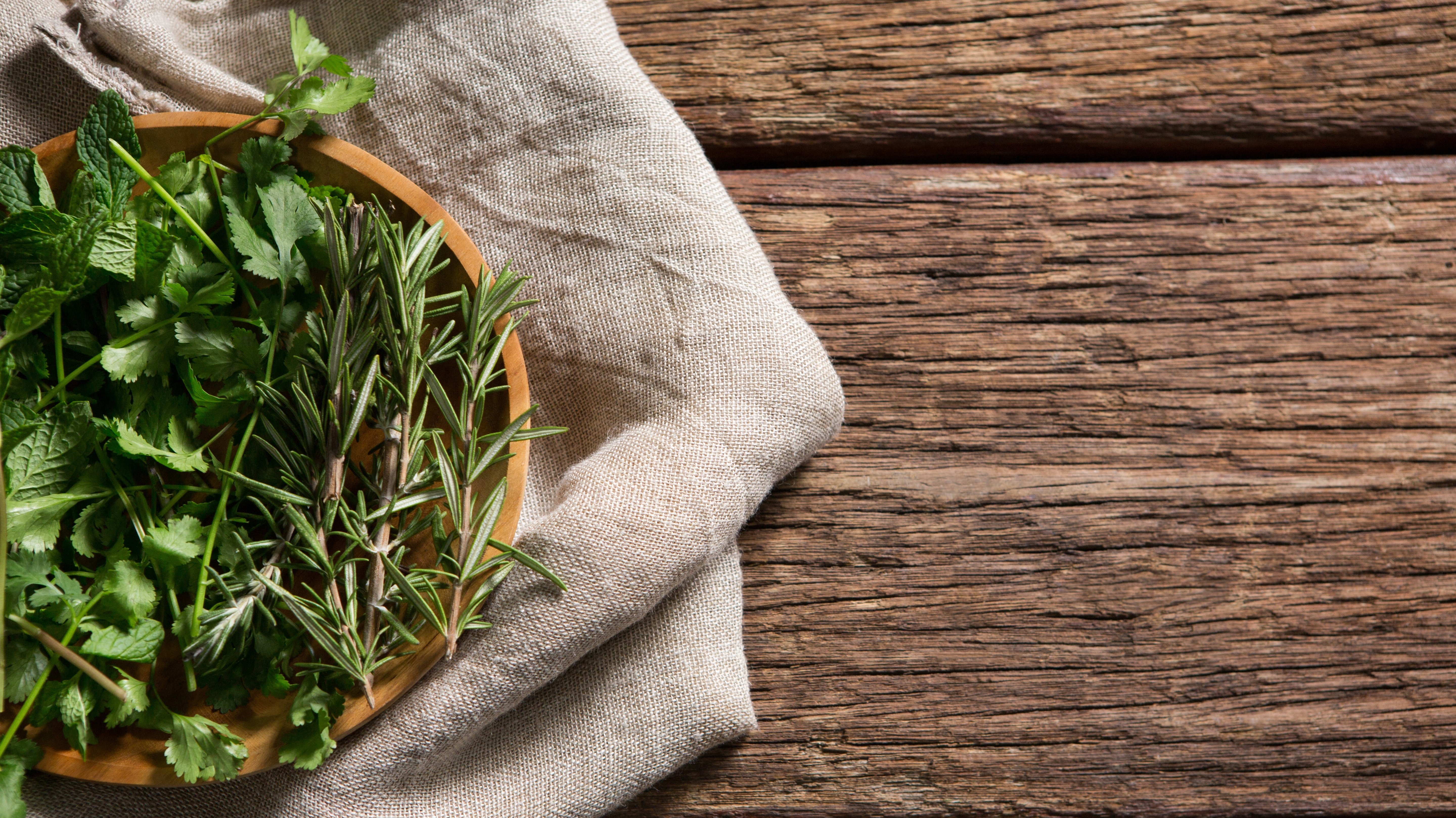
Rosemary is a particularly important medicinal plant and has antibacterial, anti-inflammatory and even analgesic properties.
Rosemary is not called "a plant for the brain" for nothing - the herb helps to calm the nerves and focus.
Whether fresh or dried, rosemary is an all-rounder in the kitchen.
The needle-like leaves are used, which have a sweet, camphoraceous and spicy taste.
Did you know?
The MHH Green Office has planted a herb bed in front of the Canteen, where a few berry bushes grow alongside thyme and mint. Go on a voyage of discovery: feel, smell and taste the delicious variety.
Hungry for more - Click here for science
Spices
Curry, turmeric, cumin, cayenne pepper, coriander, chili
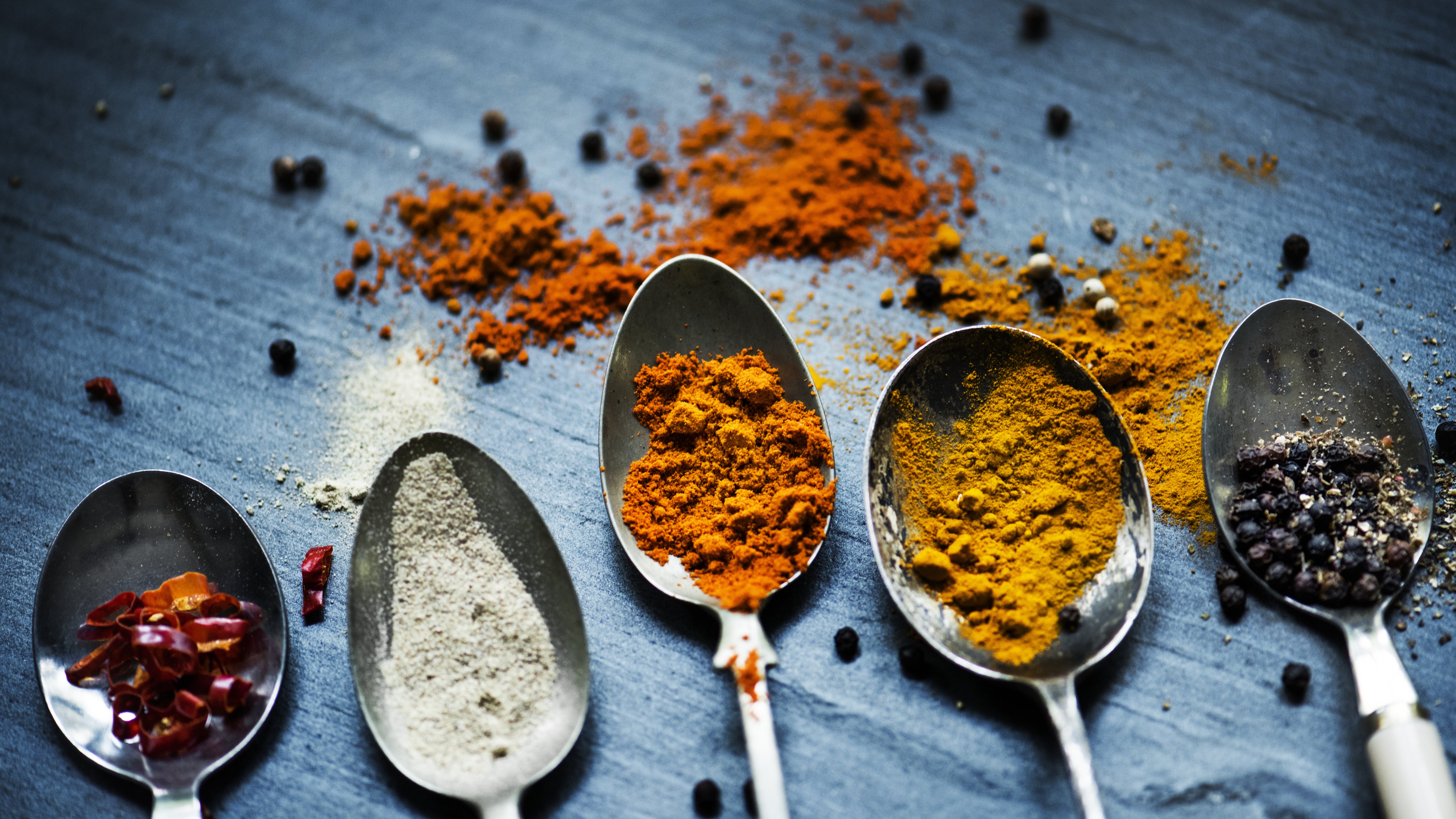
"Something different" - Indian dishes bring exotic variety to the menu and also contain an extra pinch of healthy spices.
Seasoned with cumin, cayenne pepper and coriander instead of just salt. This strengthens your love of vegetables and pulses.
Coriander has an antibiotic, anti-inflammatory and circulation-promoting effect, while cumin strengthens the immune system and has a decongestant effect.
"Hot stuff" - The ingredient capsaicin makes the chili pepper fiery and also has antibacterial, anti-inflammatory and immune-boosting properties.
Turmeric contains many essential oils and the special active ingredient curcumin, which gives the root its anti-inflammatory effect.
Hungry for more - Click here for the sciencet
Iodine
The most important trace element for our thyroid gland
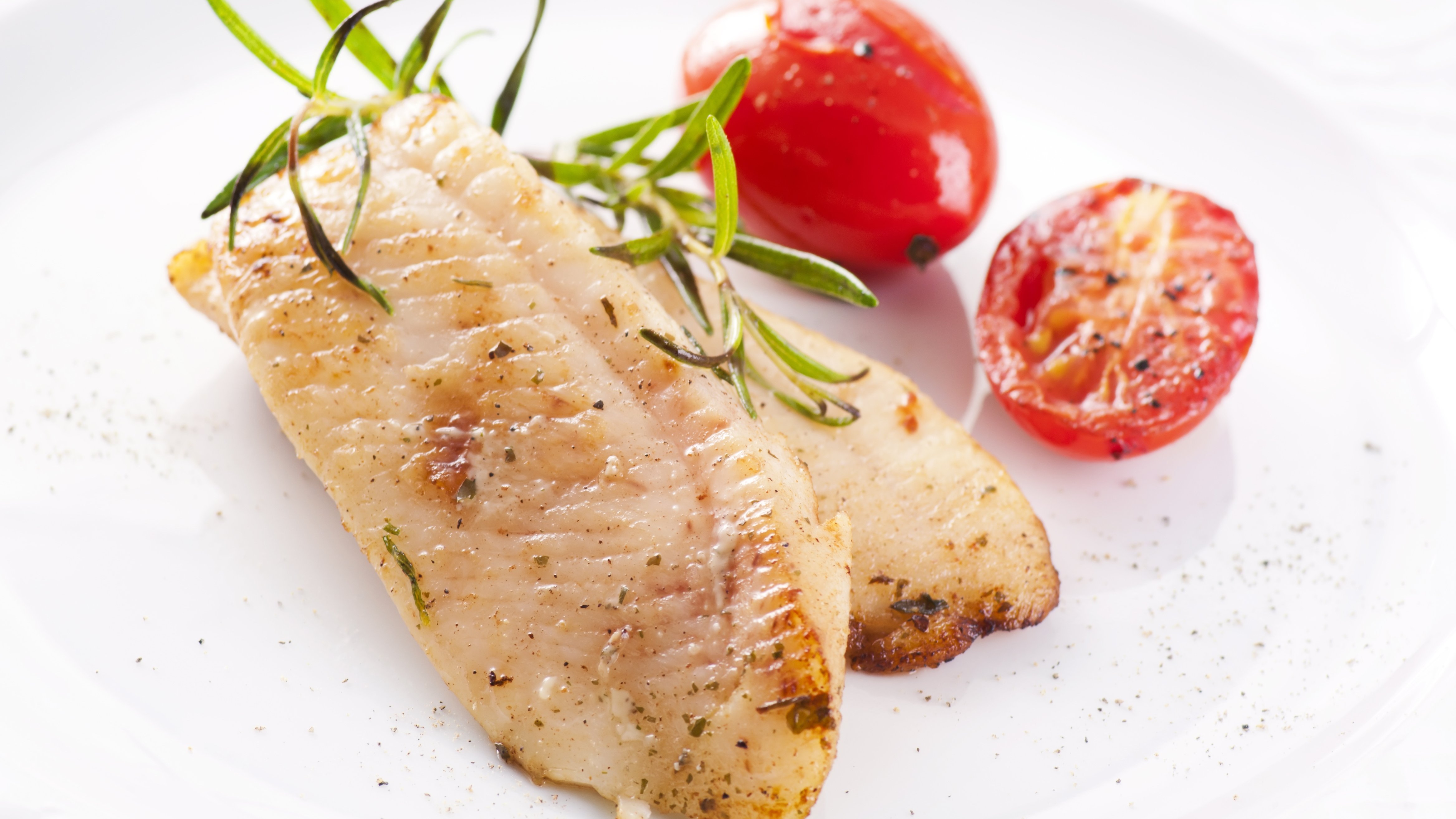
The mineral iodine is required in the body for many metabolic processes, such as in the nervous system and the thyroid gland. In addition to the well-known iodized table salt, sea fish is also an important source of this vital trace element. For example, 200 g of hake provides 240 µg of iodine, which is well above the daily requirement of 180-200 µg for adults. The nutrient-preserving steamed hake is a low-fat sea fish and we offer it unbreaded, which means that its fat content does not change.
Did you know?
The DGE recommends 2 portions of fish per week, one of which should be low-fat and one high-fat. This means you have already covered one of the recommended portions. Examples of fatty fish with plenty of omega-3 fatty acids are sea fish such as salmon, herring and mackerel.
Hungry for more - Click here for the science
Hungry for more - Click here for science
Gentle cooking methods
Impact of Cooking, Storage, and Reheating Conditions on the Formation of Cholesterol Oxidation Products in Pork Loin
Secondary plant substancesTomato and lycopene supplementation and cardiovascular risk factors: A systematic review and meta-analysis
RosemaryA Review of the Anti-Inflammatory Effects of Rosmarinic Acid on Inflammatory Diseases
TurmericCurcumin, Cardiometabolic Health and Dementia
IodineDevelopment of Databases on Iodine in Foods and Dietary Supplements