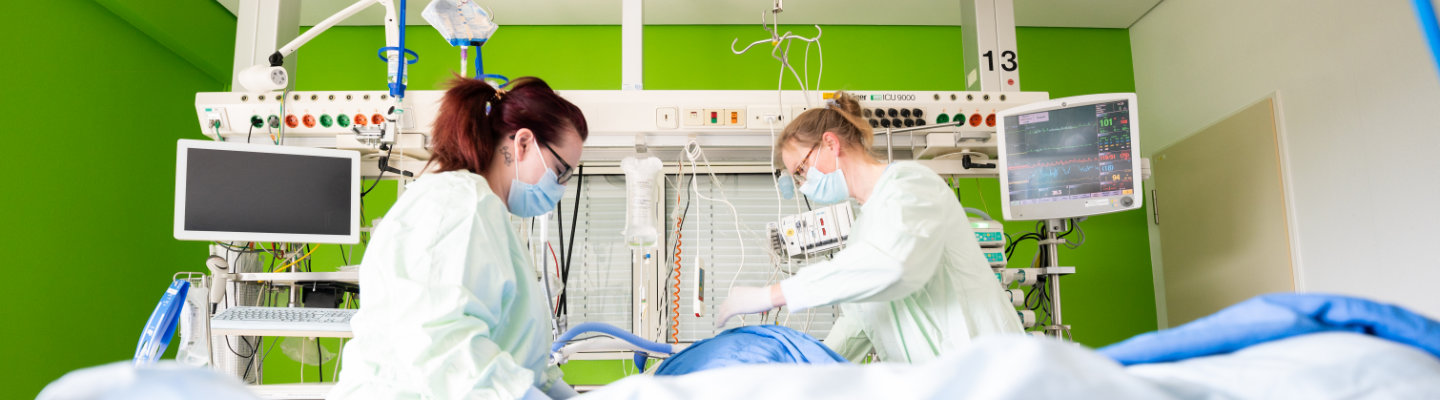
Intensive care unit for cardiac, thoracic, transplant and vascular surgery
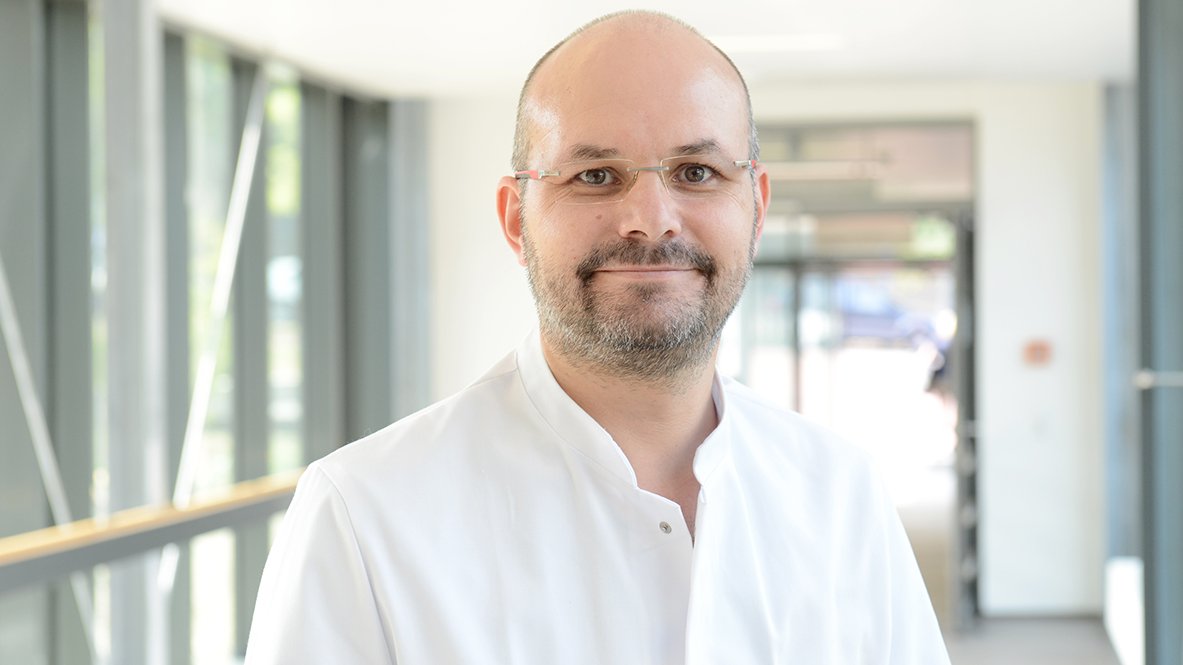
Dr. Martin Hinteregger
The intensive care unit of our Clinical Department for HTTG Surgery has 21 beds and is available for the post-operative monitoring of around 1600 patients per year following cardiac, thoracic or vascular surgery as well as lung, heart, heart-lung and other combined transplants. Emergency patients with life-threatening heart conditions are also admitted to our intensive care unit for intensive medical monitoring and treatment before an operation is required.
As a rule, the majority of patients are transferred to our normal wards or to our intermediate intensive care unit the day after the operation. If the intensive care course is stable, the patient may be transferred back to the referring hospital on the first or second day after the operation.
Due to the increasing complexity of many patient cases, a prolonged stay in intensive care with long-term ventilation and the possible need for extended intensive care procedures, such as the use of temporary heart and lung support systems, a renal replacement procedure, etc., may become necessary. In addition to excellent knowledge, these procedures require a high level of time commitment from the responsible nurses and physicians. With the established care of two intensive care patients by one intensive care nurse in our intensive care unit, 1:1 care may be necessary in critical situations, which means that one nurse cares for a single, very complex patient. Intensive long-term therapy is supported by a team of respiratory therapists and a "primary nursing" nurse in combination with colleagues from physical therapy and speech therapy. In addition, a large interdisciplinary team from Hannover Medical School is available in the event of complex illnesses and the need for further diagnostics and therapies.
In order to care for the 21 intensive care beds, which are spread over 3 units (Ward 74 A, 74 B, 74 C), the intensive care team works in three shifts, each with 10 intensive care nurses, three to four ward physicians and two senior physicians/intensive care specialists during the day and two night duty nurses and one senior physician on call at night.
Availability:
Relatives can call 0511-532 7688 from 6 p.m. on the day of the operation to enquire about the progress of the operation and the patient's condition. As a rule, we try to inform the contact person named by the patient about the progress of the operation by telephone after the patient arrives in our intensive care unit. Please understand if this is not always possible.
The ward physicians are available to answer medical questions during the entire intensive care stay. You can also contact the senior physicians. We ask for your understanding if there are longer waiting times until the responsible physician has time for you.
To avoid having to provide the same information several times, we ask you to choose one person from your family to take over Communications with the physicians and then inform other relatives/friends. For legal reasons, nursing staff are not allowed to provide information over the phone.
Visiting times during the COVID-19 pandemic, current regulation from 26.3.2021:
Visits are a fundamental part of recovery for patients. In this context, it is important to always adapt the frequency and duration of patient visits to the current situation and the patient's needs:
- It is not possible to visit our intensive care unit on the day of an operation. Patients are usually still in an artificial sleep at this time, making it difficult or impossible for relatives to make contact. For this reason, we only allow visits from the day after the operation.
- Due to the COVID-19 pandemic, different visitor regulations apply: From the first post-operative day in the intensive care unit , two people are allowed to visit in accordance with the 3-G rule with a daily corona rapid test .
- Visits can take place between 14:00 and 19:00.
- If you are traveling from further away, we recommend that you call beforehand to find out whether your relative is undergoing a longer examination or is not on the ward due to an examination.
- We would urge you to refrain from visiting your relative in intensive care if you have signs of a cold or feel ill.
Our intensive care unit 74 is located on the 7th floor of building K5 and can be reached via the E-junction. Before entering the intensive care unit, please register by telephone in the unit (74 A, 74 B, 74 C) in which your relative is lying. There is an intercom in the anteroom to the left of the ICU entrance door. If you do not know the unit, select one of the three options. The nursing staff will inform you whether you can enter directly and then open the door for you. If an application is made to your relative at the same time, you will be asked to call again after a specified time. We ask for your understanding in the event of a delay. We ask you to disinfect your hands hygienically before approaching the bed. Disinfectant dispensers are available for this purpose in the intensive care entrance area after the first door and in the respective intensive care rooms. If your relative is required to isolate themselves, you will be informed of the necessary measures by the nursing staff.
The intensive care units can be contacted by telephone:
- Intensive care unit 74 A: 0511-532 4399
- Intensive care unit 74 B: 0511-532 4285
- Intensive care unit 74 C: 0511-532 4688
Availability of physicians by telephone:
- for cardiac, thoracic and vascular surgery patients: 0511-532 7688
- for patients after transplantation, with ECMO and artificial heart support: 01761-532 4401
Spectrum of patients treated in intensive care:
- after coronary intervention
- after single or multiple valve surgery
- after aortic surgery
- after combination interventions
- after aneurysmectomy
- after pericardectomy
- after pulmonary thrombendarterectomy
- after acute pulmonary arterial embolectomy
- after lung surgery
- after vascular surgery
- after solid organ transplantation:
- Single, double lung transplantation
- Heart-lung transplantation
- Heart transplantation
- Lung transplantation with
- combined liver transplantation
- Combined kidney transplantation
- Heart transplantation with
- combined liver transplantation
- combined kidney transplantation
- after artificial heart surgery: left ventricular assist device (LVAD), biventricular assist device (BiVAD)
- after surgery in adults with congenital heart defects
Spectrum of advanced intensive care procedures and therapies:
- Comprehensive non-invasive and invasive monitoring to monitor difficult hemodynamic situations
- Full range of drug-based circulatory support including inhaled NO therapy
- Passenger heart and lung support systems:
- Veno-arterial (va) extracorporeal membrane oxygenation (ECMO) therapy with/without left heart unloading using VENT or Impella pump
- Passenger right heart bypass therapy
- Veno-venous (vv) ECMO therapy
- Venoarteriovenous ECMO therapy
- Centralized va-ECMO therapy
- Mobile ECMO therapy as bridging for transplantation
- Intra-aortic balloon pump
- Awake ECMO therapy
- Intensive therapy of transplant patients:
- Treatment of acute cellular and humoral rejection
- Infectiologic challenges:
- Cystic fibrosis-specific infections with MR pathogens
- CMV infections
- Invasive aspergillosis
- Use of a respiratory therapy team (first Department at MHH with established respiratory therapists):
- Use of AnaConDa®, respiratory gas conditioning, nasal high-flow therapy
- Evaluation of the patient regarding the need for the use of special respiratory therapies using Triflo®, Acapella®, EzPAP®, Ventumask®, Cough-Assist, PariPEP®
- Monitoring of aspiration behavior through repetitive blue swallowing tests during long-term intensive care
- Application of continuous subglottic suctioning
- Development of complex ventilation weaning strategies
- Use of renal replacement procedures without/with special filter procedures
- Use of plasmapheresis procedures
- Advanced measures for paralytic ileus using PD catheter insertion, colonic decompression tube insertion
- Duodenal tube insertion and insertion of a PEG with jejunal extension
- Calorimetry in long-term intensive care
- Special mobilization procedures: Use of the bed bike already in the early ICU phase, ventilation in the standing bed/chair, mobilization to standing and walking on the ventilator, mobilization with ECMO therapy, pronation positioning
- Establishment of a high-care program for intensified and holistic care of ICU long-stay patients in line with the "Primary Nursing" concept
- Monitoring the depth of anesthesia and seizures by means of continuous monitoring
- Use of CO2 baths for reduced blood flow to the extremities
- Treatment of complex diseases in an interdisciplinary approach with the diversity of other Departments at Hannover Medical School
Availability of physicians by telephone:
- for cardiac, thoracic and vascular surgery patients: 0511-532 7688
- for patients after transplantation, with ECMO and artificial heart support: 01761-532 4401
Contact person in our intensive care unit:
Head of Intensive Care Unit: Dr. Martin Hinteregger
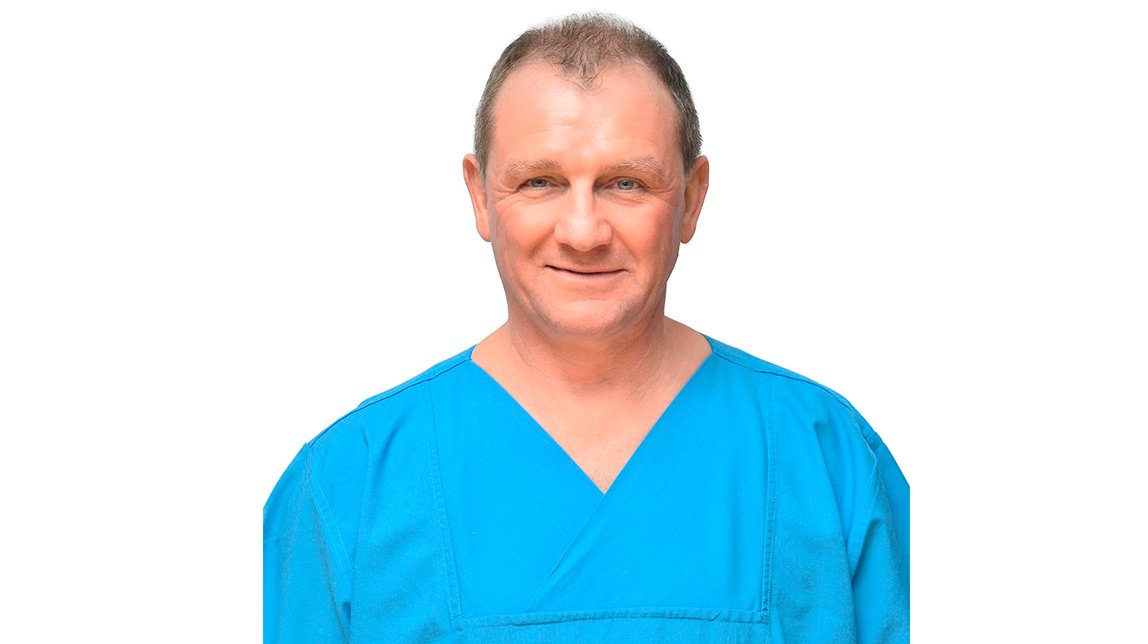
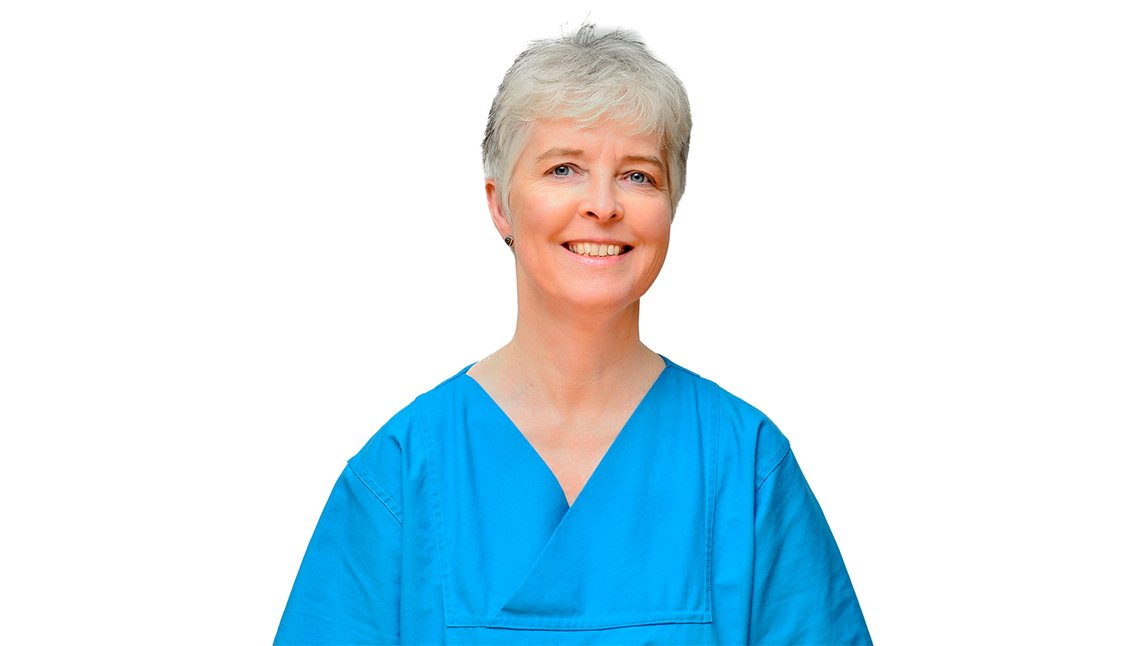
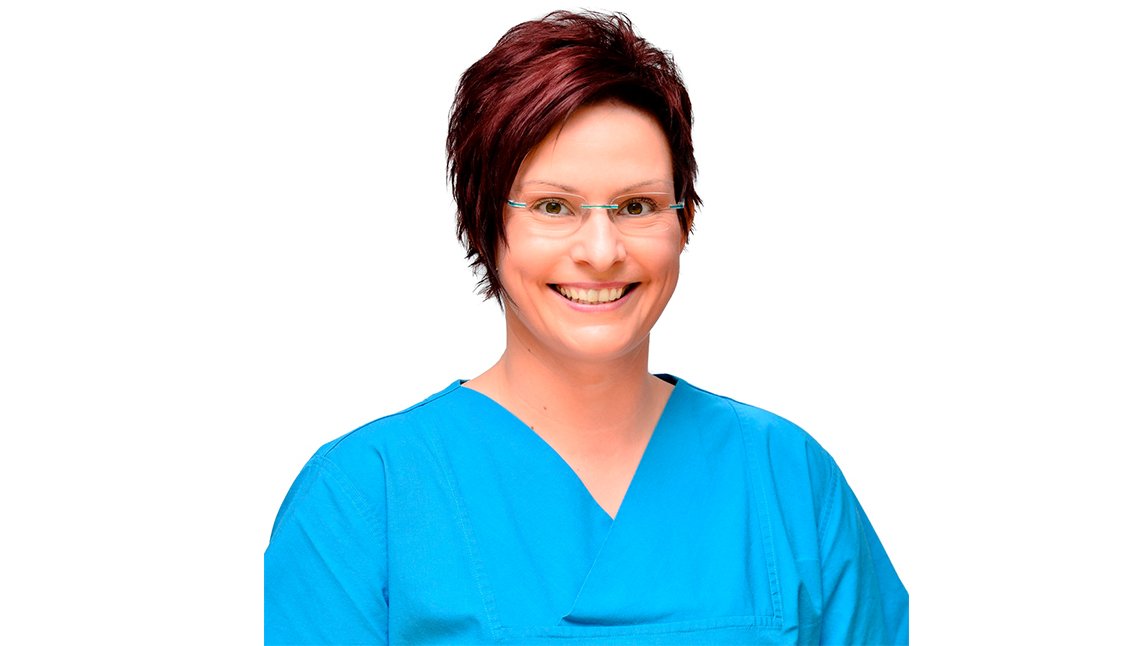
Ward manager of the nursing team: Mr. Peter Baroke | Ms. Britta Meeder | Ms. Kerstin Harstick
Availability: 0511-532 4300
Doctors can be contacted by telephone:
- for cardiac, thoracic and vascular surgery patients: 0511-532 7688
- for patients after transplantation, with ECMO and artificial heart support: 01761-532 4401