Teaching in HTTG surgery
The MHH offers its students a good insight into the diversity of surgery during their studies. In addition to general and visceral surgery (VCH) and trauma surgery (UCH), more specialized disciplines such as plastic, aesthetic, hand and reconstructive surgery (PÄHW) and cardiothoracic, transplantation and vascular surgery (HTTG) are also represented at the university. During the course of your studies, there are various opportunities to take a closer look at the subject of surgery.
Surgery in the 4th and 5th year of study
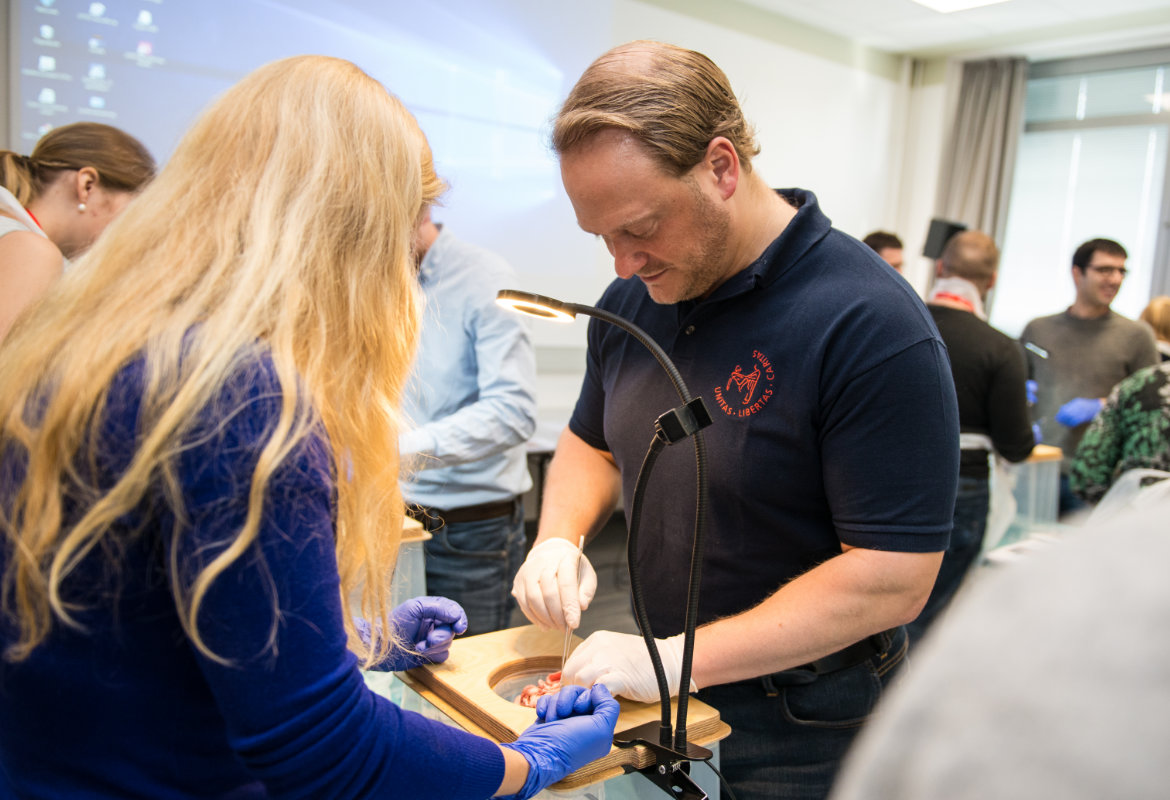
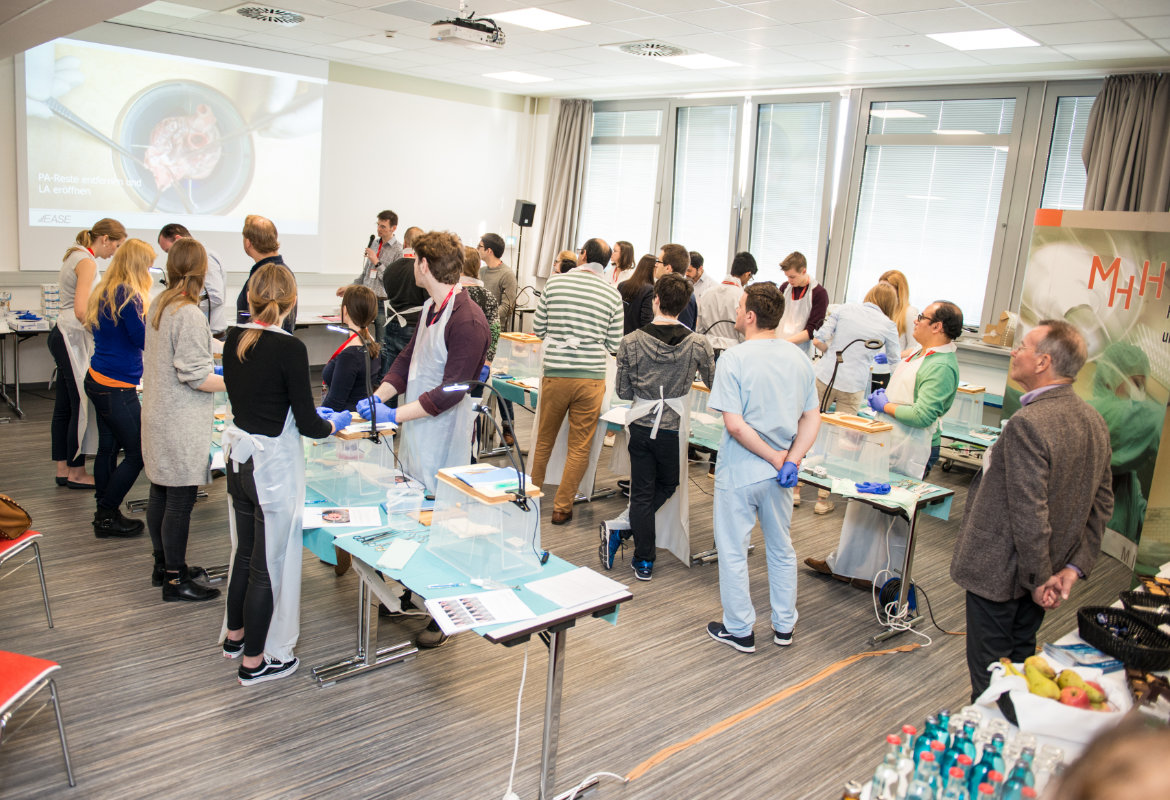
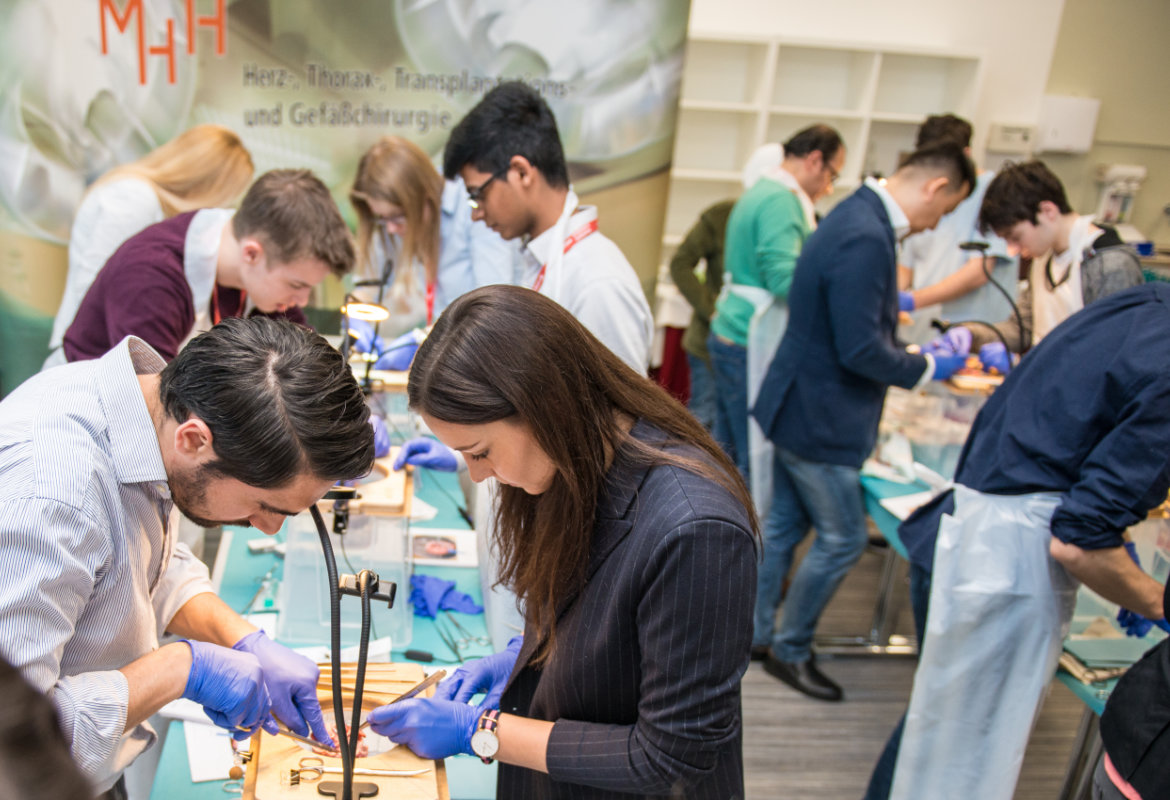
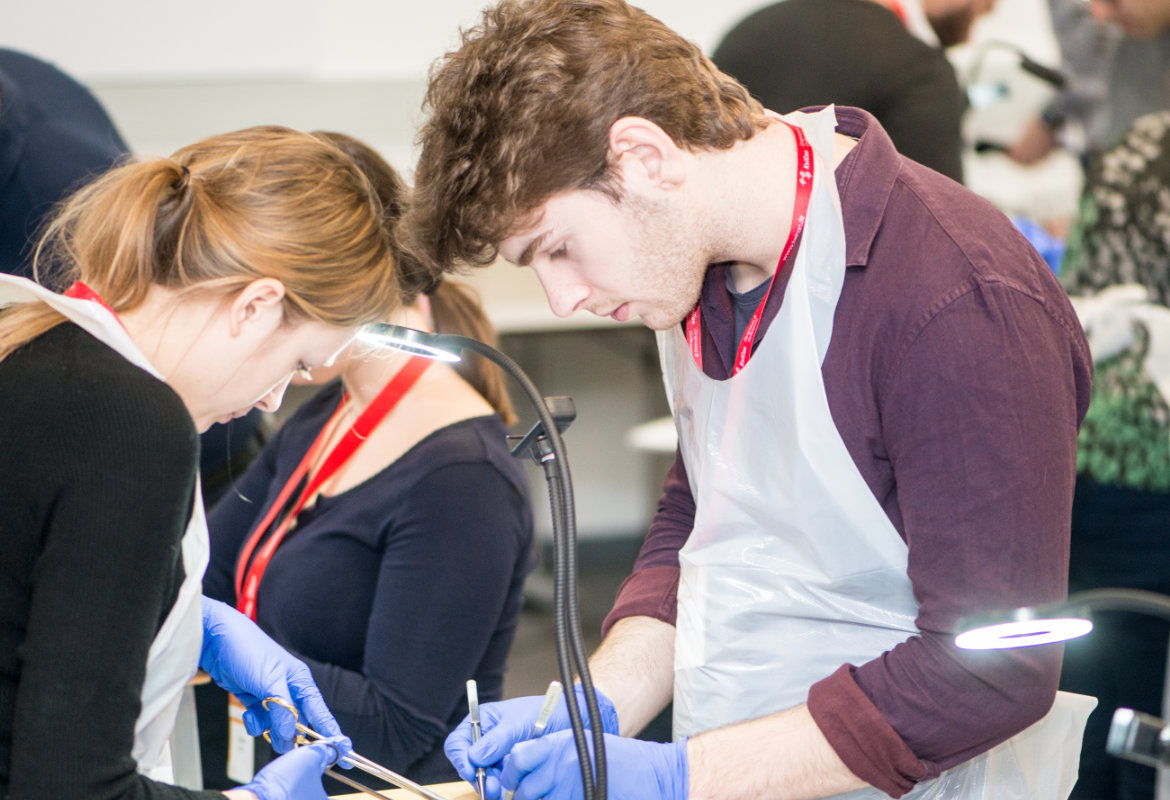
At the beginning of surgical teaching in the 4th year of study, lectures are held on the most important topics of the surgical disciplines. The knowledge imparted there serves as the basis for the practical part of the student's training. Practical courses teach the basics of suturing and knotting techniques as well as instrument knowledge and behavior in the operating room, so that students are optimally prepared for surgical internships.
Block internship
Theoretical and practical skills can be developed during a 14-day block internship in the 5th year of study. For this purpose, students are supported by a medical tutor with whom individual learning objectives can be implemented. Students have the opportunity to participate in the pre- and post-operative care of patients on the normal wards of the Clinical Department for HTTG Surgery. In addition, each student has the opportunity to assist in operations. During these two weeks, each block trainee is assigned a medical tutor who is responsible for their training during this period. The aim is to integrate the students into everyday working life and to awaken their interest in the subject of surgery.
Bedside teaching and U-courses in the HTTG
Bedside teaching and the U-app courses are used alongside the block placement in surgery to teach students practical medical skills. In small groups, various contents such as anamnesis/visits to the normal/intensive care unit and echocardiography basics are taught. There is also the opportunity, for example, to learn how to insert chest drains or perform pleural punctures.
Clinical traineeships at the HTTG
For interested students, we offer the opportunity to get to know one of our sub-specialties at any time as part of a clinical traineeship. Here, too, everyone is assigned a medical contact person with whom individual learning objectives can be formulated and implemented.
If you are interested, please do not hesitate to contact us.
Practical Year (PJ) at the HTTG
Before the start of the PJ tertial, a structured curriculum with learning objectives is drawn up together with the Department's teaching staff according to the respective interests. The individual areas of our surgical department, including the outpatient clinics, our intensive care unit and the operating theater, offer a wide variety of training opportunities. A deeper insight into the respective sub-areas (thoracic, vascular and cardiac surgery) can be provided through an individual rotation plan. In addition, practical skills are deepened as part of suture and knot courses. Our specially trained wound management team also offers the opportunity to learn the basics of wound care. This means that the surgical PJ tertial at the HTTG can also be attractive for students who are not aiming for further training in surgery. It goes without saying that we can flexibly adapt the working hours for PJ students (e.g. due to childcare commitments).
Surgery - not for me!
The colloquium "Surgery - not for me!?" was launched at the HTTG Surgery Department in 2011.
This project is intended to help prospective physicians who cannot quite imagine surgery as a future field of activity to make a decision: It teaches interested medical students in their middle semesters the basic workings of surgery using patient examples. Intensive care issues are addressed, sometimes controversial (surgical) decisions are discussed and common concepts of aftercare are presented. In addition, students will again have the opportunity to gain impressions and experience during a wide variety of operations.
- Contact and application
EASE - early surgical exposure and assessment
Surgical training like in competitive sports, is that possible?
Scientifically validated training methods that are used on a daily basis in competitive sport and in the training of professional musicians are not used in surgery.
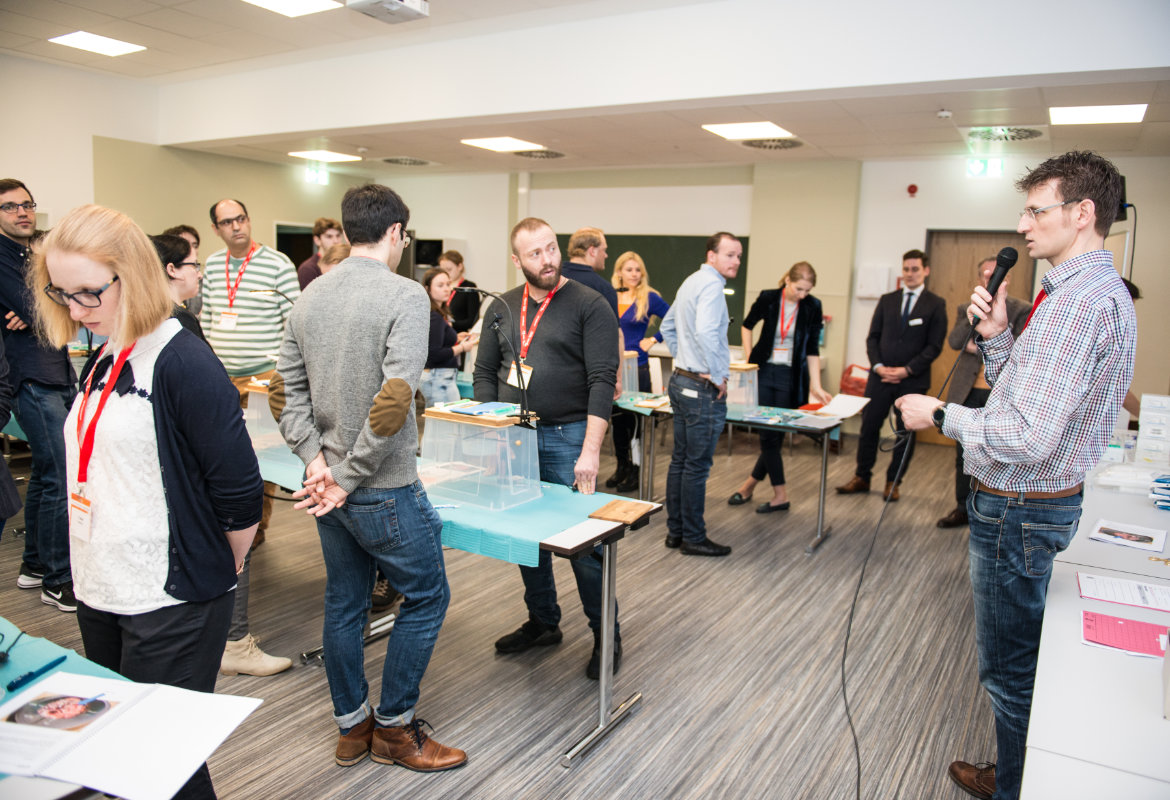
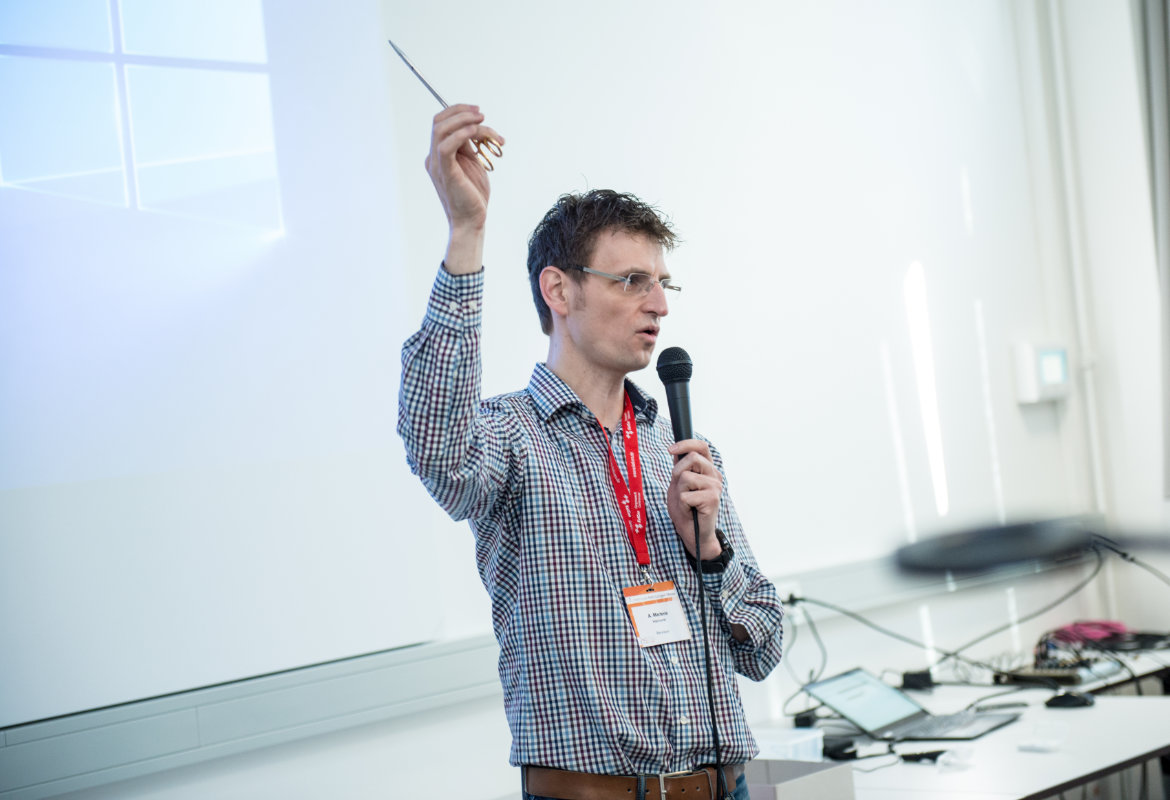
We were able to show in preliminary studies that the technical surgical skills of postgraduate trainees and students can be trained to specialist level within a few weeks using a targeted simulation program.
This is achieved using training protocols based on the principles of deliberate practice1,2 and a high repetition rate. In this way, more coronary stitches, for example, can be practiced in a short time than are performed in a complete specialist training course.
In addition to a CABG module, we have now developed a surgical training course for aortic root surgery. It is aimed at all surgeons who want to specifically improve their surgical skills and at surgical teachers who would like to set up a comparable program in their Clinical Departments.
Training content:
- Myectomy n. Morrow
- Extension plasty n. Manouguian
- Mechanical flap-supported conduit
- Modified Cabrol shunt / coronary ostium reconstruction
- Performance criteria: Surgical quality, time