Open teaching materials on animal ethics
(Open Educational Resources - OER)
Research with animals or the human use of animals plays a role in many fields of study. There is therefore an interest in basic questions of animal ethics. These topics should also be presented in such a way that they are accessible to different students without a background in philosophy.
In two projects funded by the Ministry of Science and Culture (MWK) of Lower Saxony, teaching materials were developed in cooperation with the University of Veterinary Medicine Hannover (TiHo) that provide a concise and comprehensible introduction to basic concepts of animal ethics. All materials are freely available via the OER portal Twillo . In the following, we list those materials in which the working group has been significantly involved in the creation (for further materials, which were mainly developed by the TiHo, see Twillo):
Ethics of animal experimentation
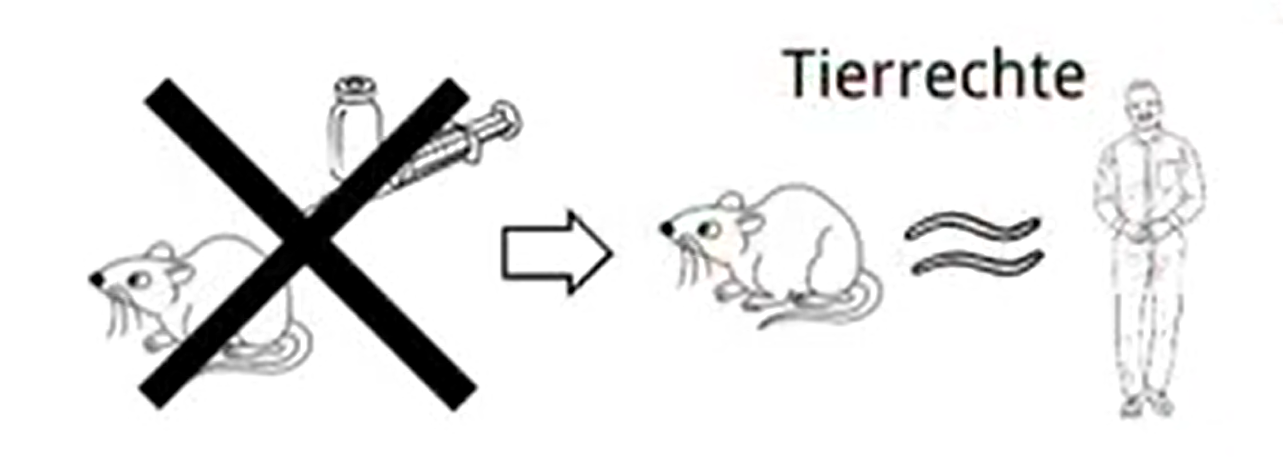
Animal research ethics: an introduction
What does animal research ethics deal with? The video presents the most important questions in this field of ethics and explains key concepts.
(Video by Felicitas Selter, Marcel Mertz and Ines Pietschmann)
The moral status of animals
What does it mean that animals have a moral status? What are the different understandings of their moral status? The video introduces these fundamental questions of animal ethics.
(Video by Felicitas Selter, Ines Pietschmann and Marcel Mertz)
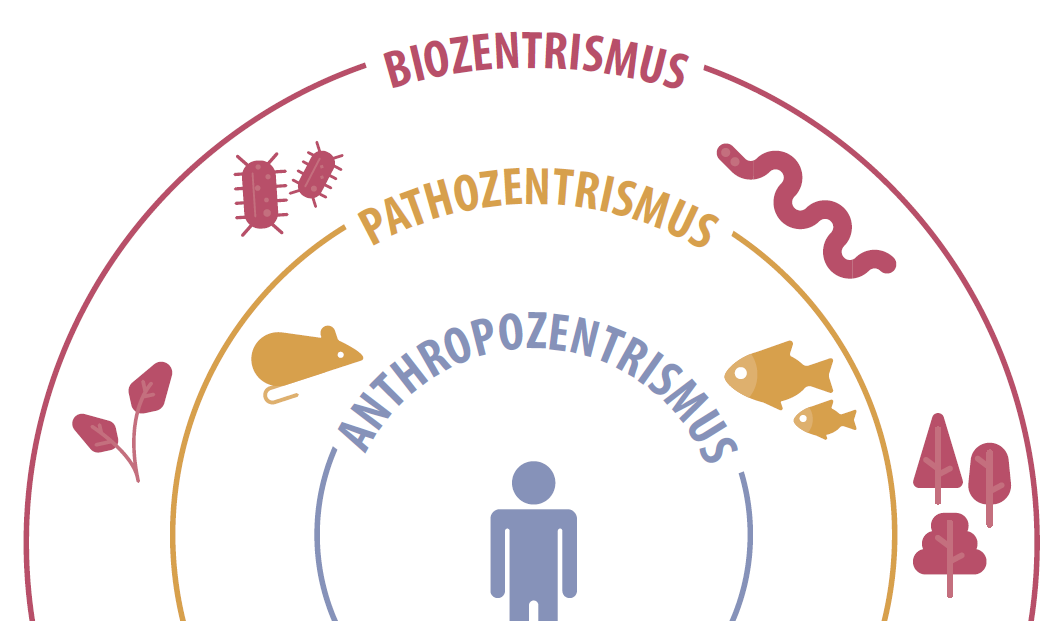
What does... anthropocentrism mean? Pathocentrism? Biocentrism?
Three central positions in animal ethics and their representatives
In ethics, there are various positions on the question of which beings should be considered in morality for their own sake: according to anthropocentrism, only humans; according to pathocentrism, all beings capable of suffering, including many animals; and according to biocentrism, all living beings in general. The text explains the three positions on the basis of their representatives Immanuel Kant, Jeremy Bentham and Albert Schweitzer.
(Text document by Felicitas Selter and Ines Pietschmann)
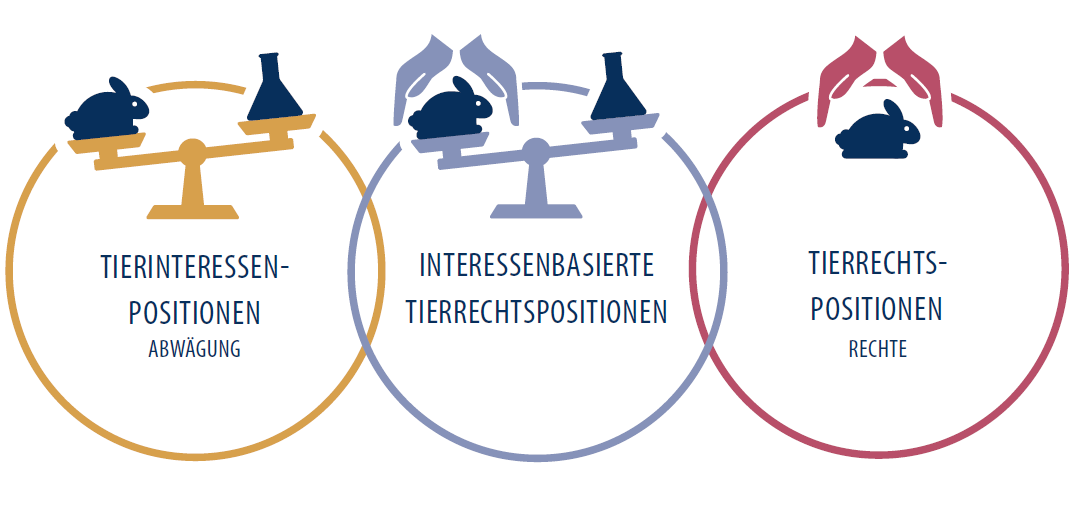
Animal interests and animal rights positions
From the dichotomy to the convergence of two classic approaches in animal ethics
What moral rights do animals have? One well-known position states that the interests of animals and humans have equal weight - with a balancing of these interests taking place. Another position is that animals have legal rights that cannot be weighed against the interests of others. The text sheds light on these two approaches.
(Text document by Felicitas Selter, Marcel Mertz and Ines Pietschmann)
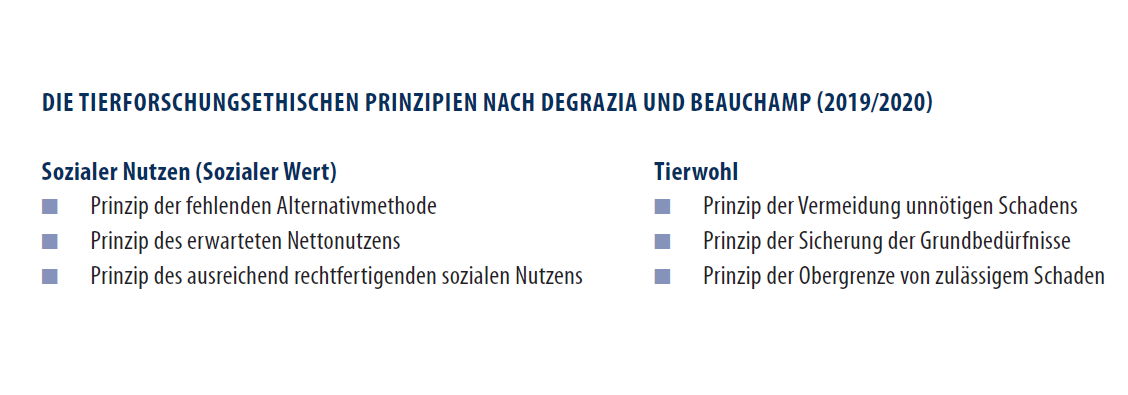
Animal research ethical principles - social benefit and animal welfare
The approach of David DeGrazia and Tom Beauchamp
Under what conditions are animal experiments ethically justified? DeGrazia and Beauchamp's approach provides a set of principles to answer this question. The text explains the essential elements of this approach.
(Text document by Marcel Mertz and Felicitas Selter)
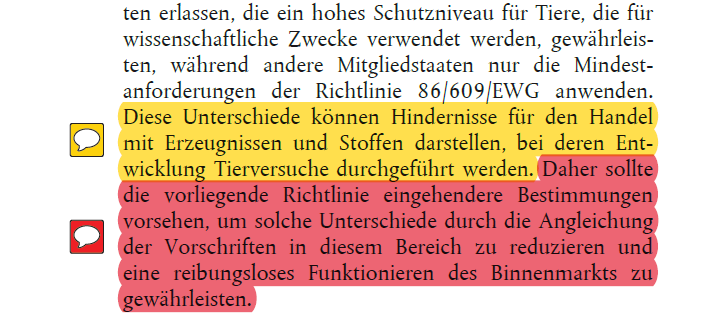
EU Directive 2010/63/EU - German Animal Welfare Act TierSchG - Swiss Animal Welfare Act TSchG
Three legal texts relevant in Europe for animal experiments and how they deal with the moral status of humans and animals
This document contains annotated legal texts on animal experiments. The laws were examined to determine the degree to which they protect different animal species and what moral status they ascribe to them. It turns out that the moral status according to the laws depends not only on the abilities attributed to an animal species, but also on the relationship we have with the animals, the purpose they fulfill for us, the context in which they were born and the environment in which they live.
(Document by Ines Pietschmann and Tatiana Hetzel)
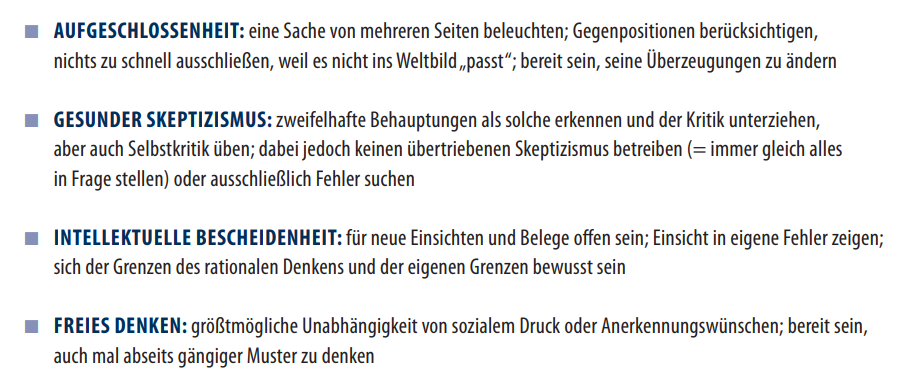
Discussing ethical topics
"Ethics of (ethical) discourse"
Controversial positions clash in debates on ethical topics such as animal testing. In order for such debates to be conducted in an argumentative manner, participants should endeavor to adopt a number of attitudes that are central to critical thinking. They should also adhere to basic rules of discourse. The text introduces this ethics of ethical discourse.
(Text document by Marcel Mertz)
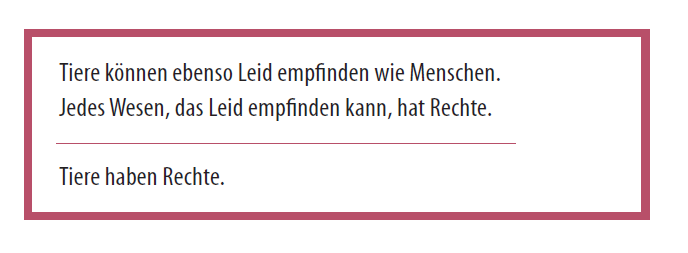
Basics of argumentation
Recognizing and evaluating arguments (with exercises)
Rational discussion in a debate requires argumentative skills. This includes recognizing and critically examining arguments. This text introduces these basic elements of informal logic.
(Text document by Matthias Katzer and Marcel Mertz)
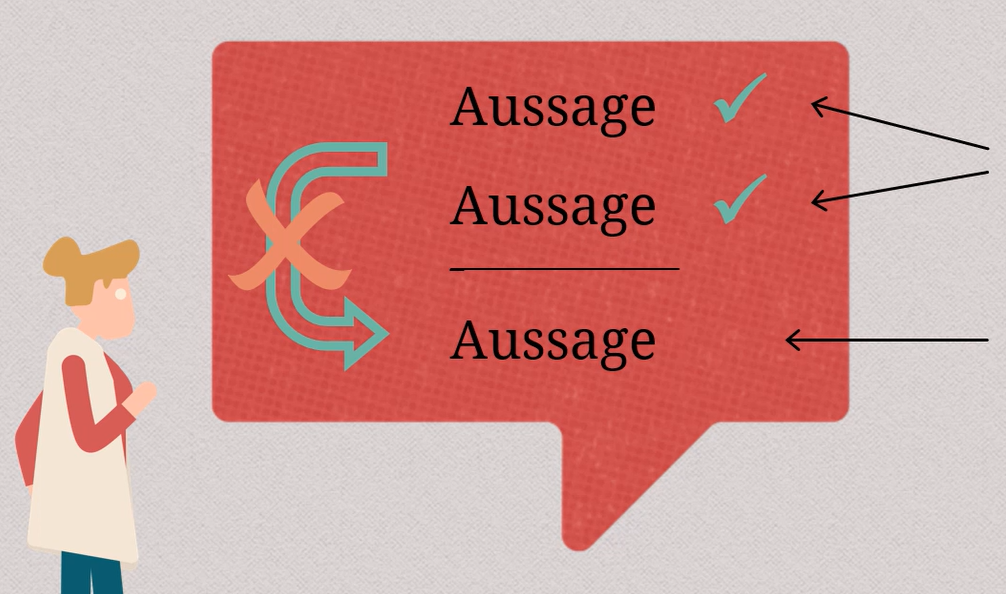
Four known fallacies in reasoning
False conclusions are systematic errors that we sometimes make when we want to justify an opinion in an argument. They look like convincing arguments, but on closer inspection do not turn out to be good reasons. This video presents four well-known fallacies and shows the problems we need to be aware of when arguing.
(Video by Matthias Katzer and Marcel Mertz)
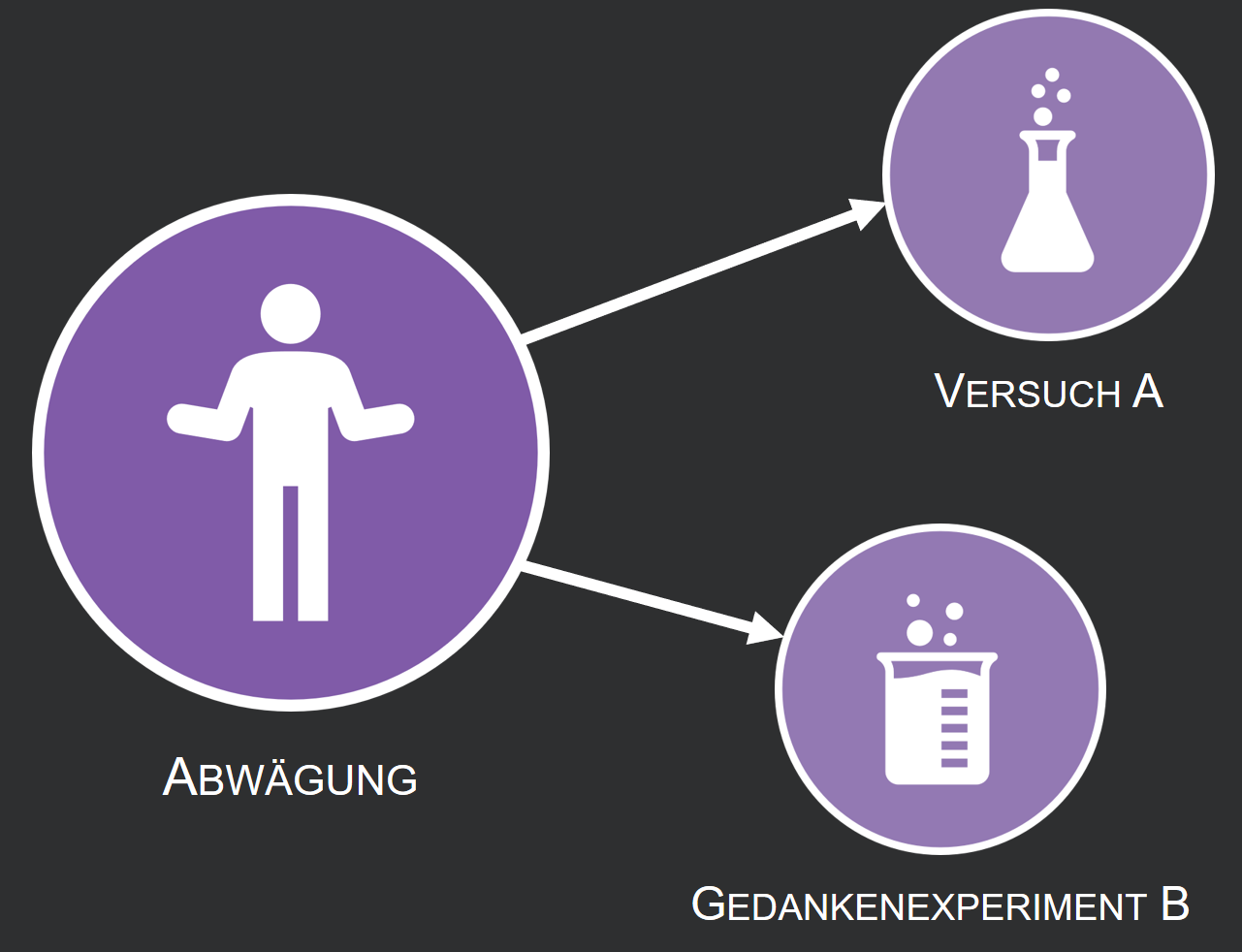
Ethical considerations when planning animal experiments - What should I think about?
An aid to reflection
When planning an animal experiment, it is important to consider whether the required findings can also be obtained without the use of animals. Often there is no simple way to answer this question; rather, the animal experiment must be compared with possible alternatives and various ethical considerations must be made. This interactive document gives an overview of the questions that need to be asked in this process.
(Interactive PowerPoint by Tatiana Hetzel, Felicitas Selter and Marcel Mertz)
Farm animals and One Health

What is 'good' for animals?
Ethical positions on animal welfare - with a focus on farm animals
It is often claimed that farm animal husbandry takes animal welfare into account, at least in some forms of husbandry. But what does animal welfare actually mean? Different answers to this question have been developed in philosophy. There is broad agreement that subjective sensations such as pain and pleasure are relevant. Some positions claim that objective goods such as a species-appropriate lifestyle are also part of welfare. It is disputed whether animals have an interest in their mere survival. This text introduces the philosophical positions and encourages reflection on them.
(Text document by Matthias Katzer and Marcel Mertz)
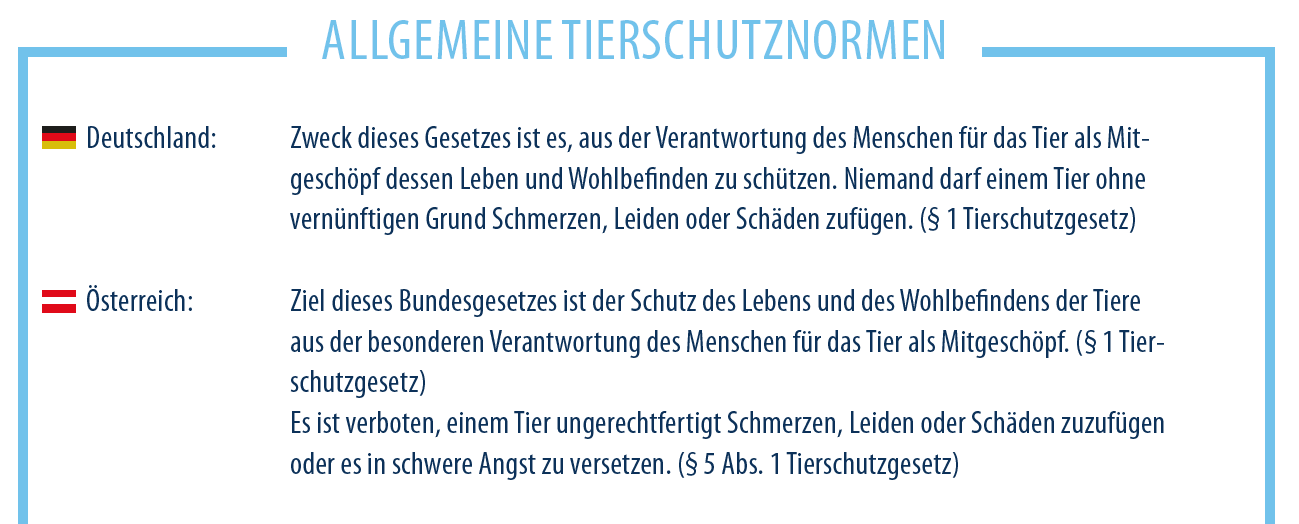
Is animal law contradictory?
Criticism of the position of animals in the law
In many countries, farm animals are subject to limited legal protection, even if the law generally allows people to use them for their own purposes. But can the various legal provisions on animals be reconciled at all? Some voices in law and philosophy dispute this. This text presents the arguments that are intended to prove contradictions in the legal situation. It also explains basic elements of the legal situation in order to enable an independent examination of the arguments.
(Text document by Matthias Katzer and Andrea Nelke)
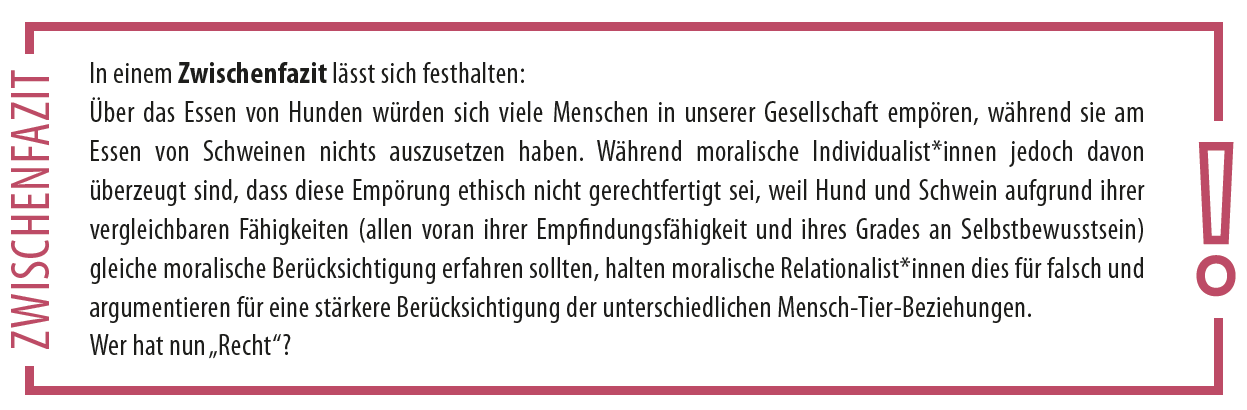
Stroking pigs, eating dogs - or was it the other way around?
An introduction to moral individualism and relationalism
We regard cattle and pigs as farm animals that we use to obtain food. We regard dogs and cats, on the other hand, as personal companions and would never think of slaughtering and eating them. But is it possible to reconcile these views? After all, all these animals are mammals with comparable sensations and cognitive abilities. According to the widespread philosophical position of moral individualism, the moral status of a being depends only on its individual characteristics. According to this position, all the animals mentioned should have a similar status. In contrast, the opposing position of relationalism states that the moral status of a being also depends on its relationship to us. This would justify the special status of animals with which we have established a personal relationship. This text introduces this philosophical controversy and encourages us to reflect on our treatment of animals.
(Text document by Felicitas Selter)

Is the future vegan?
Attitudes towards animals in the light of philosophical theories of moral progress
Could animal husbandry as practiced today be morally frowned upon in the future? According to some philosophical theories, morality does indeed have a tendency towards progress: they consider it logical that animals should be given a higher status. This text first uses a few examples to show how the idea that we should respect animals for moral reasons has developed since ancient times. Various philosophical theories on moral progress are then presented.
(Text document by Matthias Katzer, Tatiana Hetzel and Marcel Mertz)
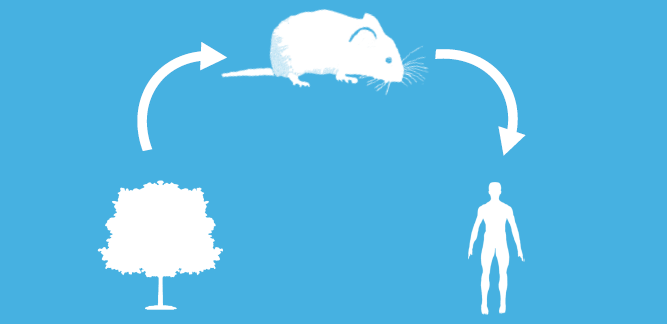
Farm animals in the context of One Health
An ethical consideration
The One Health approach examines the interactions between human, animal and environmental health in order to contribute to the health of all. The veterinary treatment of farm animals has always taken such interactions into account, as it not only aims to improve animal health but also to prevent the infection of humans. But are the measures taken to prevent infection always ethically justified? This text introduces the One Health approach with a focus on zoonoses, describes common measures to combat animal diseases and raises ethical questions about these measures.
(Text document by Andrea Nelke, Felicitas Selter, Matthias Katzer and Marcel Mertz)