More news on the homepage
Interdisciplinary exchange at the highest level
The content of the 36th Wilsede Workshop was organized by the MHH (05/26)
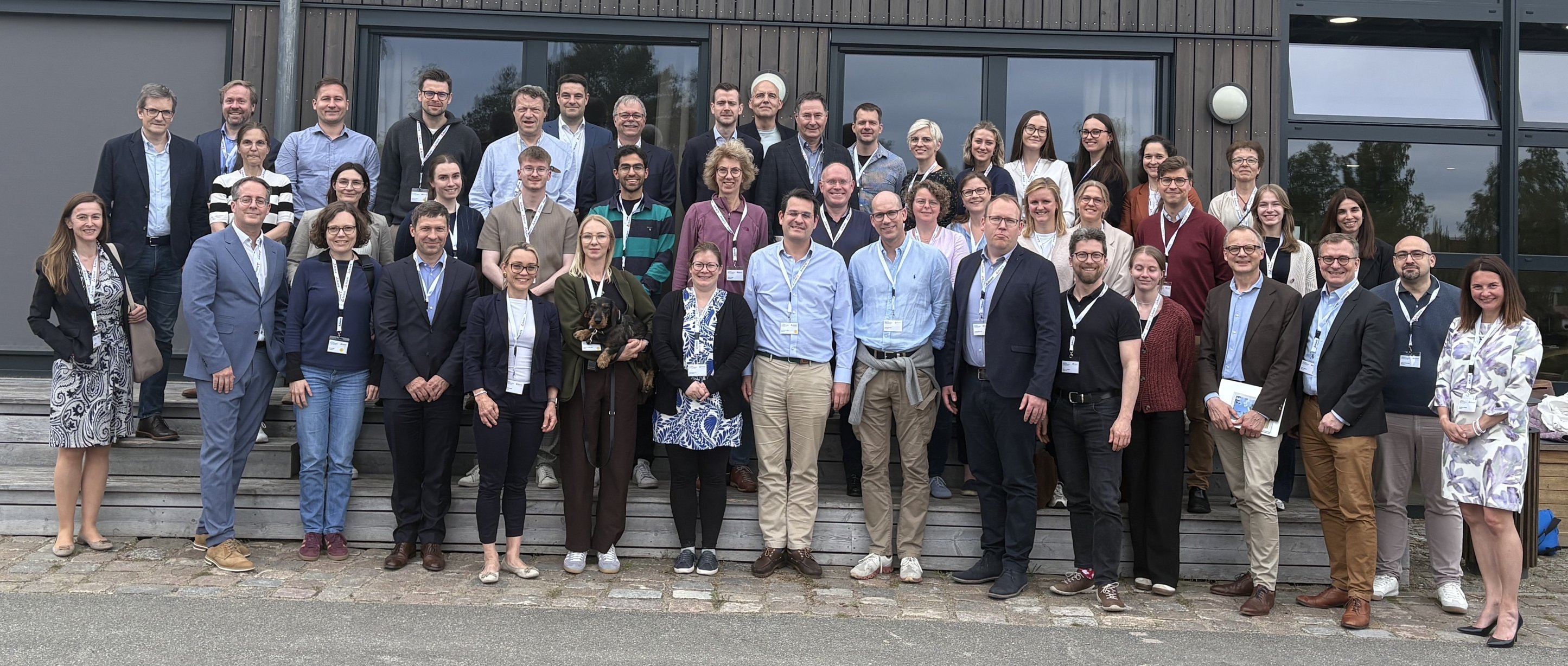
From May 20 to 22, 2026, the 36th Biotest Wilsede Workshop on “Personalized Therapy for Liver Diseases” took place at the Hotelcamp Reinsehlen in Schneverdingen. This year, the long-standing event was organized by the Hannover Medical School (MHH). Under the leadership of Prof. Dr. Richard Taubert and PD Dr. Philipp Felgendreff, experts from the fields of transplant medicine, hepatology, surgery, and immunology gathered to discuss current developments in the treatment of liver and intestinal diseases.
For decades, this long-standing workshop series has been regarded as one of the most important German-language platforms for scientific exchange in the field of transplant medicine. In 2026, the focus once again was on promoting interdisciplinary collaboration. Set against the unique backdrop of the Lüneburg Heath, the workshop provided a space for in-depth discussions, scientific networking, and new impetus for research and clinical care.
From the MHH’s perspective, this year’s workshop sent a strong signal regarding the importance of translational research and modern therapeutic concepts in hepatology and transplant medicine. Topics of focus included personalized immunosuppression, immune monitoring following liver transplantation, viral infections in the peri- and post-transplant settings, and strategies for expanding the donor pool. In addition, current developments in living donation among children and adults, as well as innovative machine perfusion techniques, were discussed in depth. A particular highlight was the international case reports on living donation and organ donation following cardiac death from Switzerland, Canada, and the United Kingdom, which provided important insights into different clinical approaches and healthcare systems.
The close exchange between experienced clinical departments, early-career researchers, and international speakers was particularly enriching. The MHH specifically used the workshop to share current research approaches and clinical experiences from Hanover while simultaneously initiating new collaborations. The high quality of the lectures and poster presentations once again underscored the scientific relevance of the format. Young scientists also had the opportunity to present their work to a high-caliber professional audience.
The event impressively demonstrated how important interdisciplinary collaboration, scientific innovation, and personal exchange are for the further development of modern therapies.