The university intends to place greater emphasis on wholesome, plant-based nutrition. It is participating in the “Healthy Hospital Food” initiative.
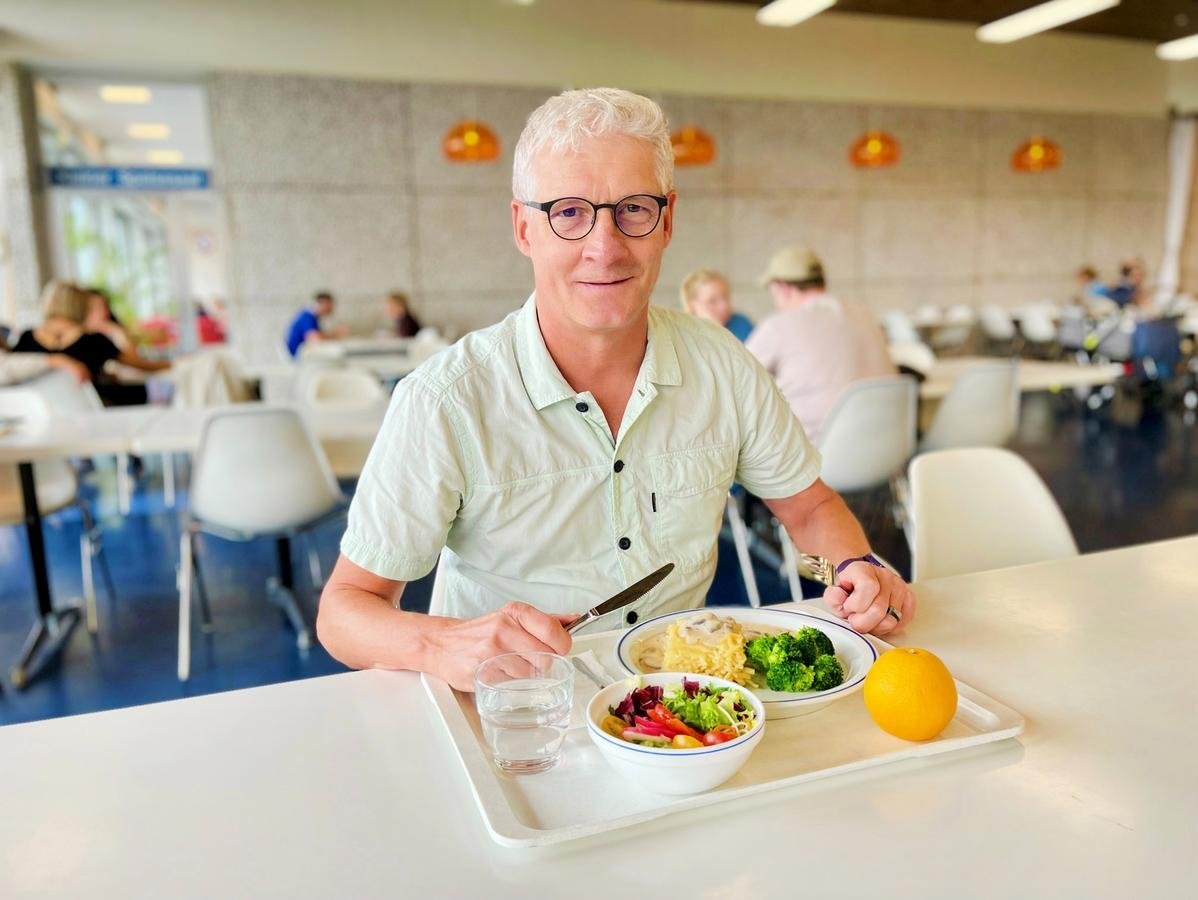
Healthy and sustainable: plenty of plant-based foods on your plate. Copyright: Karin Kaiser/MHH
A balanced diet is important for health: it helps people stay fit and prevent disease. With this in mind, the central kitchen at Hannover Medical School (MHH) has always focused on providing a varied and healthy diet. The “Healthy Hospital Food” project is now set to give the menu a fresh boost. The goal is to combine health, taste, and sustainability. “By shifting our food offerings toward a more plant-based approach, we want to promote the health of our patients, employees, students, and trainees while also contributing to environmental and climate protection,” explains Prof. Dr. Frank Lammert, MHH Vice President and head of the Department of Patient Care.
Protecting human health and the environment
Approximately 2,800 meals are prepared daily in the MHH’s central kitchen. “Quality and enjoyment are at the heart of our food offerings,” says Stefan Birnfeld, head of the central kitchen. “We prepare the meals in a way that preserves as many nutrients as possible. The selection of foods and the proportions of the individual components are based on the quality standards of the German Nutrition Society (DGE) as well as the recommendations of the Planetary Health Diet.” Vegetarian and vegan options, as well as the regional sourcing of ingredients, have long played a significant role in the Canteen and in patient meals. Most of the vegetables and fruit come from farms in the greater Hanover area that practice sustainable and certified agriculture. Fresh meat and sliced poultry also come from regional slaughterhouses. The same applies to the fresh rolls. “This allows us to avoid long transport routes, lower CO2 emissions, and reduce packaging waste,” explains Stefan Birnfeld.
Plant-based, nutritious meals
Health promotion and sustainability are now set to be expanded even further. To this end, the MHH has joined the “Healthy Hospital Food” initiative. This is a project of the Physicians Association for Nutrition Deutschland e.V. (PAN). The nonprofit organization supports participating Clinical Departments in implementing the project. For the MHH, this means a gradual expansion of its existing food service offerings. “Plant-based and wholesome meals will become increasingly important in the future,” says Julius Zeuschner, a dietician and sustainable nutrition consultant in the Hospital Management Devision. “This doesn’t mean that everything will become vegetarian or vegan, but rather that the proportion of plant-based foods will increase and the proportion of animal products will decrease.” A lunch plate will then consist of 75 percent plant-based components—such as grains, vegetables, and legumes—and 25 percent animal-based components. Examples include a wild mushroom ragout with a wild rice blend and iceberg lettuce, or spiral pasta with a bell pepper and onion sauce, shepherd’s cheese, and leafy greens. Renate Woike, deputy head of the central kitchen, contributes these and many other ideas. Together with the production team, she adapts the menu to the new direction. “We’ll also be offering more 100 percent vegetarian and vegan options in the future. Patients who require special dietary meals will, as always, receive varied, professionally prepared, and individually tailored meals,” emphasizes Renate Woike.
Guests’ needs are the priority
Chefs, dieticians, bakers, butchers, and numerous other staff members working at conveyor belts in the dishwashing area and in food distribution are involved in the practical implementation of the project in the MHH’s central kitchen. Every day, they work together to serve tasty and healthy meals to patients, employees, students, and trainees. “The needs of our guests are our top priority,” says Stefan Birnfeld. This is the case today and will remain so in the future. “New recipes are developed in-house, tested, and then introduced once they meet high-quality standards and are suitable for everyday use.”
Text: Tina Götting