ExTENd creates a central platform that connects researchers in Lower Saxony and facilitates access to omics technologies, biobanks, and expertise.
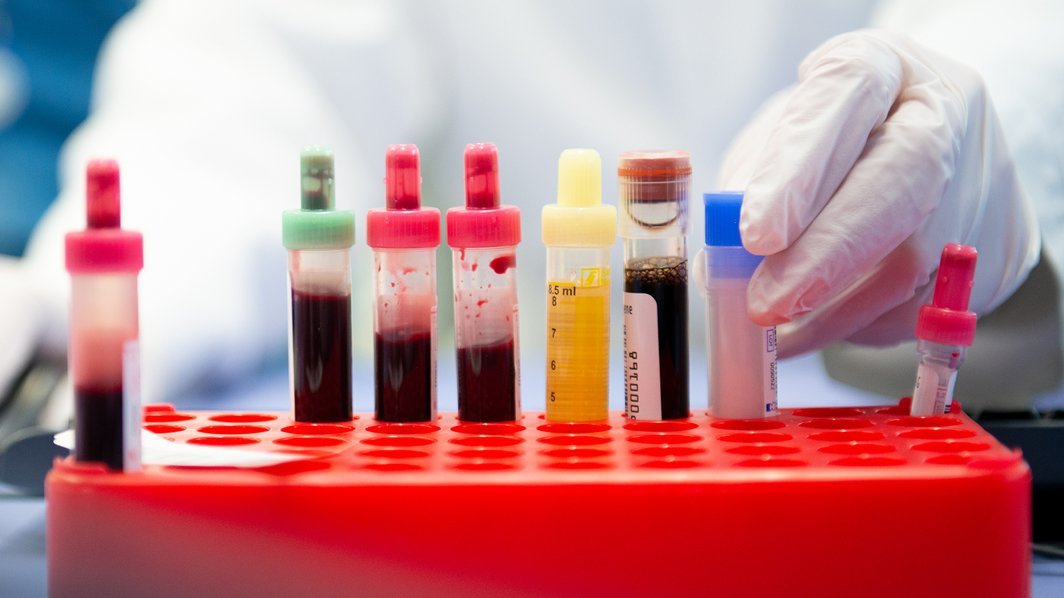
Biological samples such as blood and urine are important materials in research. Copyright: medJUNGE
A central digital platform called “Expertise & Technology Exchange Niedersachsen” (ExTENd) is currently being developed for researchers in Lower Saxony. It is intended to make it easier to network, jointly utilize highly specialized technologies, and collaborate across disciplines. The Lower Saxony Ministry of Science and Culture (MWK) and the Volkswagen Foundation are funding this project with approximately 800,000 euros as part of the zukunft.niedersachsen program.
ExTENd launches with omics technologies
The project will initially focus in particular on omics technologies—that is, methods for comprehensively analyzing groups of biological molecules. These include genomics, transcriptomics, proteomics, and metabolomics, which can be used to study DNA, RNA molecules, proteins, and metabolic molecules. In addition, ExTENd also encompasses bioinformatics, data analysis, and data management. A key component of the project is its integration into existing scientific and innovation structures in Lower Saxony. The project is scheduled to run from September 2026 to August 2029.
“The platform can make an important contribution to using existing resources more efficiently and providing targeted support for translational research. By bringing together expertise, technologies, and key contacts, ExTENd creates new opportunities for scientific collaboration and innovation,” says Prof. Dr. Thomas Illig, Director of the Hannover Biobank HUB at the Hannover Medical School (MHH). “With ExTENd, we are creating a joint, cross-institutional structure that makes research infrastructure and scientific expertise in Lower Saxony more visible and accessible. This not only facilitates access to technologies but also strengthens collaboration across locations and disciplines,” explains Project Manager Dr. Sara Haag of the Translational Alliance in Lower Saxony (TRAIN). The MHH and TRAIN took the lead in submitting the proposal for ExTENd. The University Medical Center Göttingen (UMG) and the Leibniz Institute DSMZ – German Collection of Microorganisms and Cell Cultures GmbH (DSMZ) are also participating in the project. Lower Saxony’s life sciences network, “Niedersachsen.next BioRegioN,” supports the initiative.
How ExTENd connects researchers in lower saxony
In the future, the new platform will offer researchers a clear entry point via a website to find suitable technologies and contacts and to initiate cross-site collaborations. This involves not only equipment, software, and services, but also the associated methodological and scientific expertise. Following its launch in the omics sector, the platform is to be gradually expanded to other technological fields. The long-term goal is a sustainable, modular ecosystem for research infrastructures that permanently links science and application in Lower Saxony.
Omics technologies
Omics technologies are methods used to comprehensively analyze groups of biological molecules. The goal is to understand their function, interaction, and influence on the organism. The main areas of omics technologies are Genomics—the entire DNA, including genes—transcriptomics—all RNA molecules, to understand gene activity—proteomics—the totality of proteins—and metabolomics—all metabolic products, to map biochemical activities and metabolic pathways. The overarching goal is to be able to study biological processes in detail in order to better understand complex diseases such as cancer, improve diagnoses, make more reliable prognoses, and select therapies in a more targeted manner.
Text: Bettina Bandel