Transplant researchers in the Clinical Department and laboratory
In memory of the immunologist Prof. Dr. Kurt Wonigeit
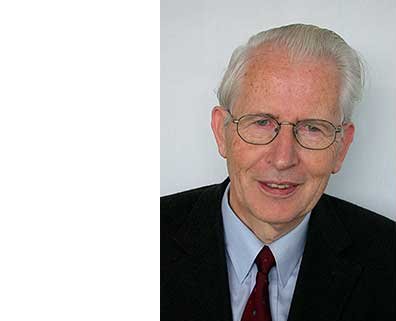
His work shaped transplant medicine at the MHH and beyond: In more than 30 years (1973 to 2007), Prof. Dr. Kurt Wonigeit established transplant immunology as a subject with a national and international reputation at the MHH and accompanied the introduction of immunosuppressants into the Clinical Department. He died in Hanover in August 2019 at the age of 77. Transplantation research was at the heart of his work - to gain knowledge and for the benefit of patients.
Kurt Wonigeit was born in Königsberg on March 21, 1942. After studying medicine at the LMU Munich, he worked as a medical assistant at the MHH from 1969 to 1970. In his dissertation at the LMU under the supervision of Prof. Dr. Rudolf Pichlmayr, he focused on the effects of antilymphocyte sera on the immune system. He went to the Max Planck Institute for Immunobiology in Freiburg on a DFG scholarship and then to the Department of Pathology at the University of Utah, Salt Lake City.
In 1973, he began working with Professor Pichlmayr at the MHH. Wonigeit's working group for transplantation immunology became the Clinical Department's central research unit and scientific training center as the "Transplantation Laboratory". In 2001, Kurt Wonigeit accepted the appointment to the "Rudolf Pichlmayr Endowed Professorship for Transplantation Medicine" at the MHH.
Kurt Wonigeit was firmly convinced that only the integration of clinical and basic research could advance transplantation medicine. His transplantation laboratory was always a place of close collaboration between physicians and scientists. Through his passionate commitment, he succeeded in inspiring both the next generation of surgeons and young scientists. He was a dedicated teacher under whose supervision a number of medical and scientific dissertations were written. The atmosphere in the transplant laboratory was open, pleasant and characterized by scientific exchange, in which people enjoyed working.
Kurt Wonigeit had a broad spectrum of research interests. In close cooperation with the Clinical Department, he was involved in the introduction of immunosuppressants such as Ciclosporin A, FK506 and Rapamycin. It was important to him to ensure safe drug monitoring in patients using precise measurement methods.
In addition to his work on immune regulation and xenotransplantation, experimental immunogenetics was a major focus of his basic transplantation research. He established genetically defined rat models and was able to elucidate the role of certain MHC genes and NK cell receptors in transplant rejection or the development of tolerance.
Kurt Wonigeit was one of the driving forces behind the establishment of a special research area with a focus on transplantation at the MHH. He was an honorary member of the German Transplantation Society for his many services.
His colleagues and staff will remember Kurt Wonigeit as a highly esteemed person, competent teacher and constant supporter. We will honor his memory.
Prof. Dr. Jürgen Klempnauer and Prof. Dr. Reinhard Schwinzer
Clinical Department of General, Visceral and Transplant Surgery and Transplant Laboratory