His organ donor card allowed Burghard to accept a donation
After suffering from a rare cancer, he received a new liver at the MHH 20 years ago
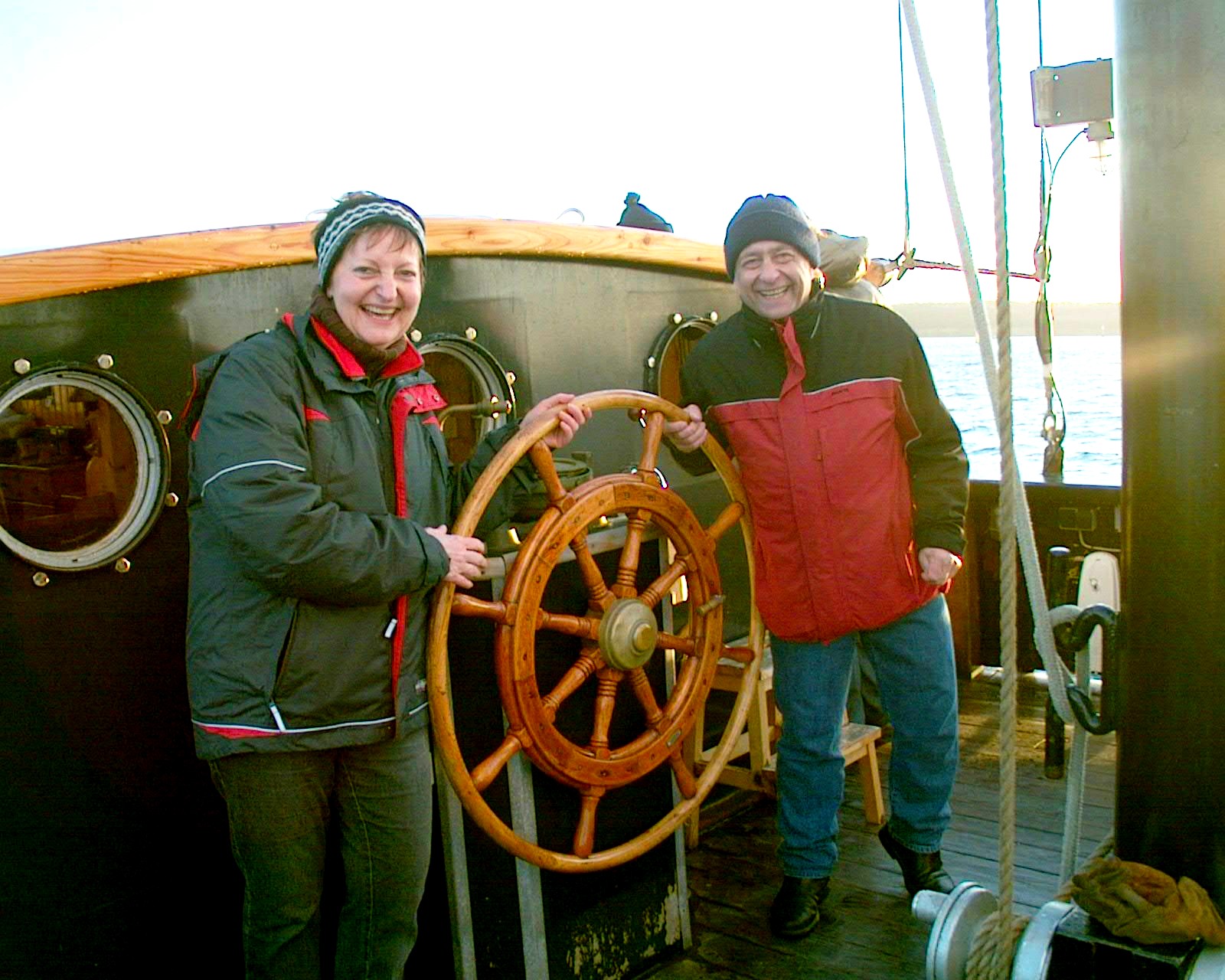
At the beginning of March 2004, my phone rang in the morning. A physician from the MHH was on the line. "Come to the Clinical Department. Your transplant is on its way. You will be transplanted today." A call I had been waiting for over a year.
I had been having problems since 2002. Increasingly severe diarrhea, stomach cramps, I was no longer as resilient as before. During an examination, three to 12-centimeter ulcers were found on my liver. They suspected hemangiomas. To rule out cancer completely, Professor Jürgen Klempnauer, who was Head of the Clinical Department of General, Visceral and Transplant Surgery until 2022, decided to remove the hemangiomas surgically. A decision that saved my life. I went under the knife in December 2002.
When I woke up from the anaesthetic, Professor Klempnauer informed me that these were not hemangiomas, but NET, neuroendocrine tumors, a very rare cancer. In addition, the liver was littered with small metastases and it was suspected that there were well over a hundred other NET metastases in the liver. That day I was put on the waiting list for a liver transplant.
Few donor organs for so many waiting patients
A time of anxiety and hope began. Time and again, the media reported how few organ donors there were for so many patients on the waiting list for a transplant. A fact that worried me a lot. I was closely monitored at the MHH. If new metastases had formed outside the liver, I would have been removed from the waiting list.
A difficult and stressful time
The more time passed, the greater the psychological strain on me. My liver values got worse and worse. I was burdened by the thought that I, my family and my friends were waiting for someone to die so that I would have the chance to live another life. These reservations were subjective. Of course, no one dies so that other people can live on. But it was my organ donor card, which I had carried with me since my 18th birthday, that ultimately gave me the legitimacy to accept a donation. I would have done the same for other people. It was a difficult and stressful time for me and my family.
Until the phone call came.
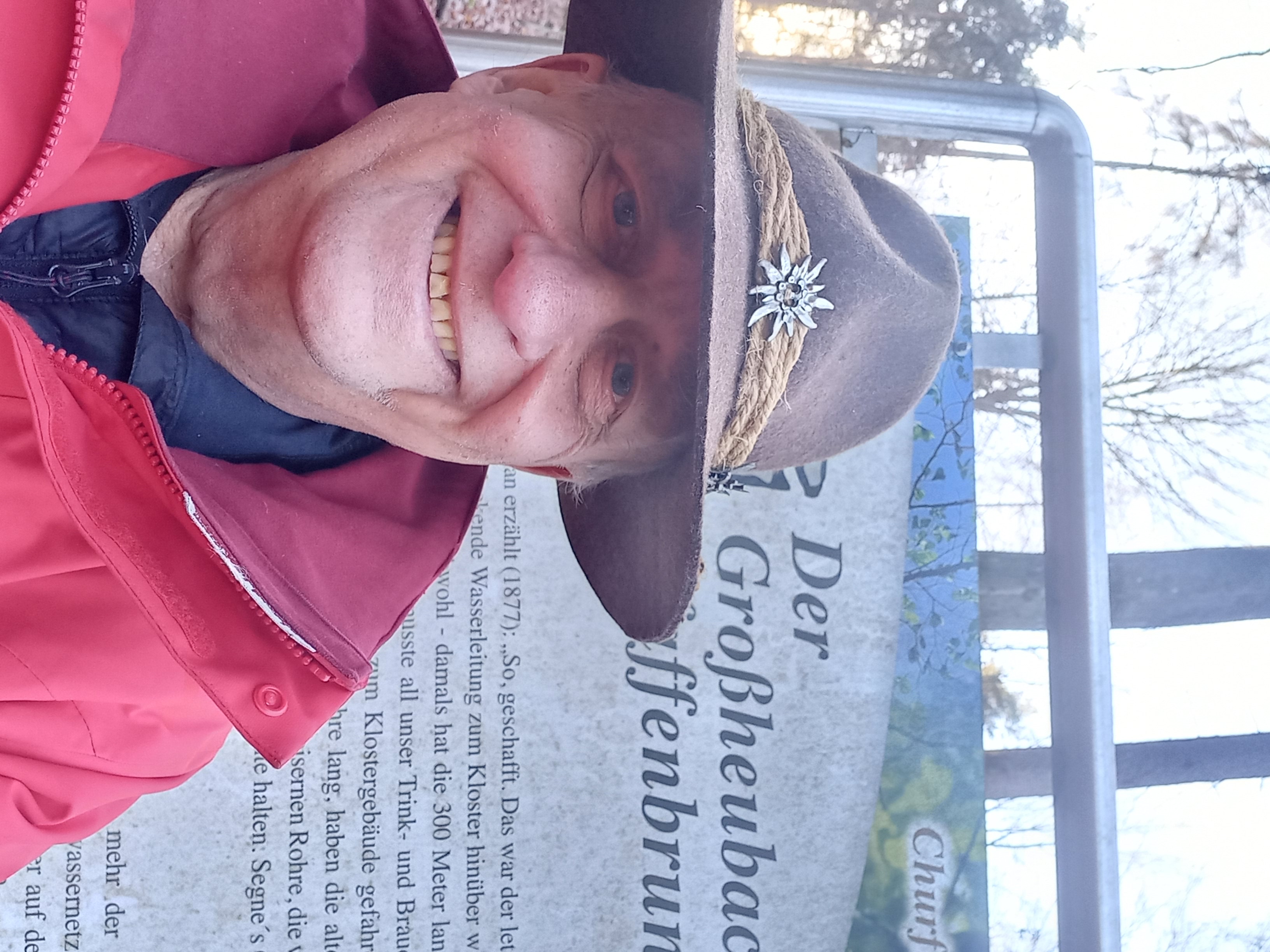
After the transplant, I was in the MHH for about six weeks. During this time, I regained most of my mobility thanks to the excellent work of the physicians and nursing staff. I am still very grateful to all of them for the good job they did back then and which continues to this day in the care and regular check-ups provided by the liver transplant outpatient clinic at the MHH.
In the Clinical Department, I learned how to adjust the medication.
To prevent the transplanted organ from being rejected by the immune system, I have to take medication every day for the rest of my life. During my time in the Clinical Department, I was trained by the nurses to prepare my medication myself. After all, there is no nurse at home. After just a short time, I began to see taking my medication regularly as a routine and this has remained the case to this day. These medications guarantee that I can go on living and do not affect me in any way.
Love, children and eight grandchildren
Today I am 66 years old. And thanks to the transplant and the second life it gave me, I was able to experience great love again, share in my children's success and am now the grandfather of eight grandchildren, with a ninth on the way.
In addition to other hobbies, I enjoy hiking and still ride my motorcycle today.
So life goes on, and goes on well. Hopefully for a long time to come.
THANK YOU.