Microbiology | Virology | Parasitology
The breeding and keeping of laboratory animals of different species and origins requires the solution of numerous hygiene problems. Possible solutions include structuring the animal housing units according to the hygiene risks, separation into different barrier systems and quarantine. Furthermore, the introduction of infectious agents that can influence experiments must be largely prevented. Sanitized stocks also require permanent monitoring. Routine diagnostics are required for the regular monitoring of these systems.
The diagnosis of infectious diseases in laboratory animals is therefore an independent field of work that requires specific procedures and in-depth knowledge of infections. Animal health monitoring not only attempts to prevent falsification of animal test results due to unrecognized infections in the test animals, but also aims to avoid health risks for the experimenter due to zoonoses. Commercially available laboratory rodents usually meet high hygiene requirements (SPF status), but this does not apply to special strains from the laboratories of most experimenters. The numerous transgenic strains in particular are a reservoir for undesirable microorganisms, endo- and ectoparasites.
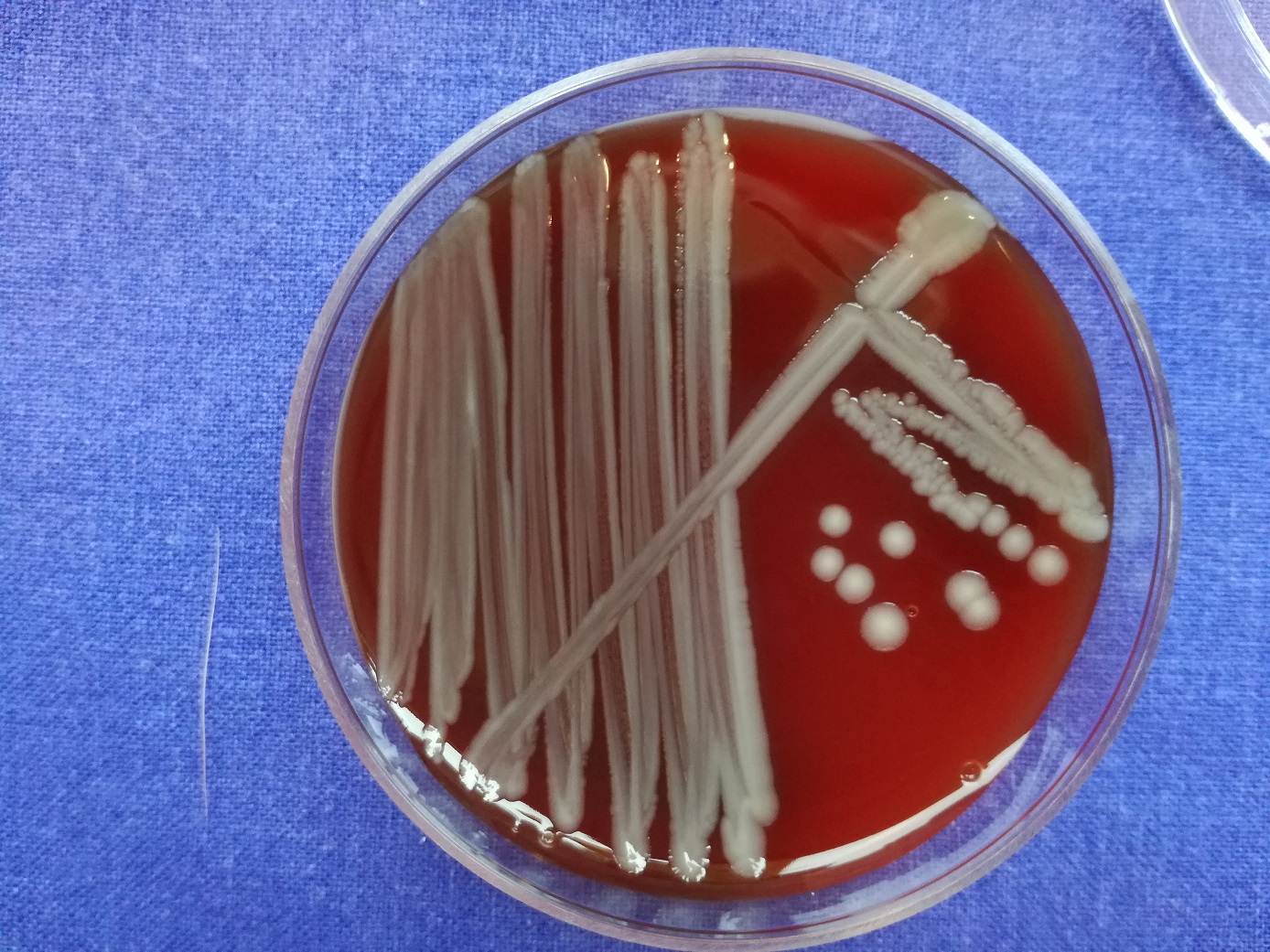
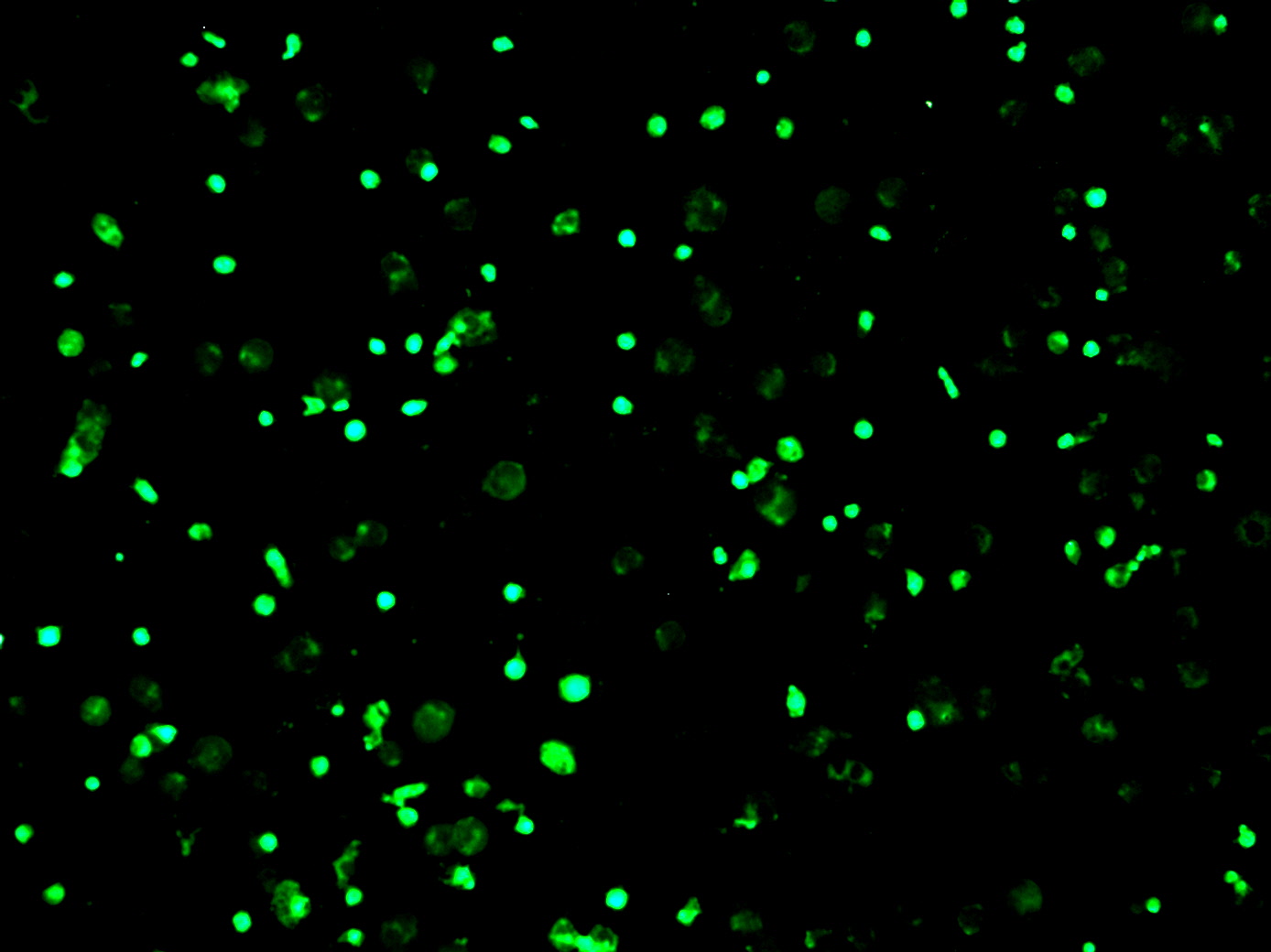
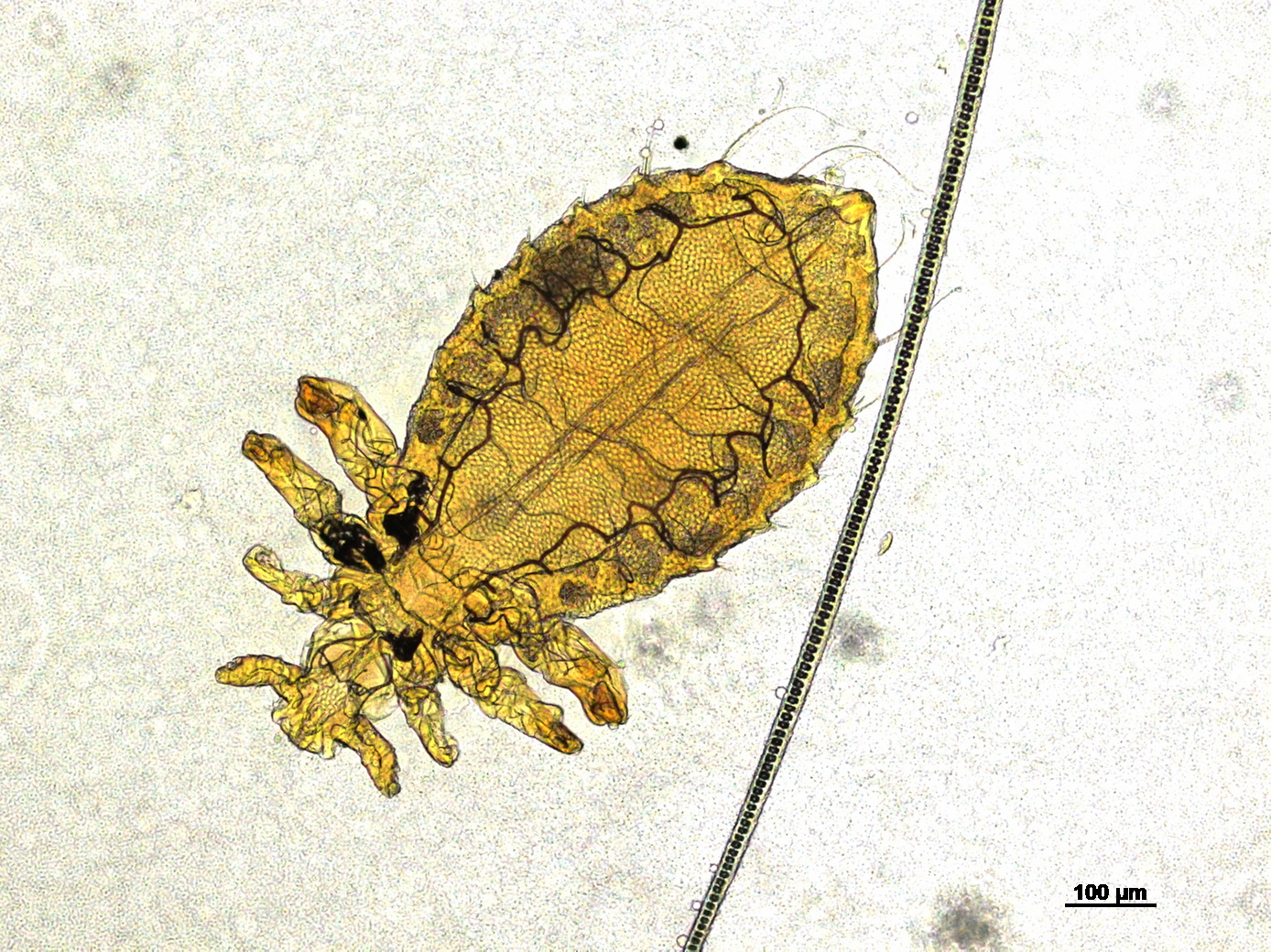
At the ZTL, all new arrivals and sentinels from all animal husbandry areas are examined microbiologically, parasitologically and virologically at regular intervals. In order to guarantee a high standard and enable comparability of the hygiene status across institutes, work and testing is carried out in accordance with the FELASA regulations.
Recommendations
Notes on importing animals (Intranet only) Recommendations for health monitoring of cats, dogs and pigs (1998) Recommendations for health monitoring of experimental units of calves, sheep and goats (2000) Recommendations for health monitoring of non-human primate colonies (1999) FELASA recommendations for the health monitoring of mouse, rat, hamster, guinea pig and rabbit colonies in breeding and experimental units (2014)
Your contact persons
Dr. med. vet. Stephanie Buchheister
+49 511 532-8714
Buchheister.Stephanie@mh-hannover.de
Laboratory Microbiology | Parasitology
Susann Rösel-Birk
Birthe Heinemann
Yvonne Koleczek
Saliha Gürsoy
+49 511 532-3714
ZTL.Mikrobiologie@mh-hannover.de
Laboratory Molecular Biological Pathogen Diagnostics
Regina Eisenblätter
+49 511 532-3712