Current
Events
Details
Webinar program:
- Tourette syndrome:symptoms, diagnosis, current treatments
- Gemlapodect:an investigational drug and PDE10A inhibitor
- Allevia 2 clinical trial:safety and efficacy of Gemlapodect in patients with Tourette syndrome
For the fourth year, the Bundesverband pharmazeutischer Cannabinoidunternehmen e.V. and the Arbeitsgemeinschaft Cannabis als Medizin e.V., together with leading experts, will present a symposium that combines the latest scientific findings, legal developments and practical applications of medicinal cannabis.
In addition to the established presentations on practical topics and legal principles, this year's focus will be on geriatrics.
Publication
on the subject of Tourette syndrome
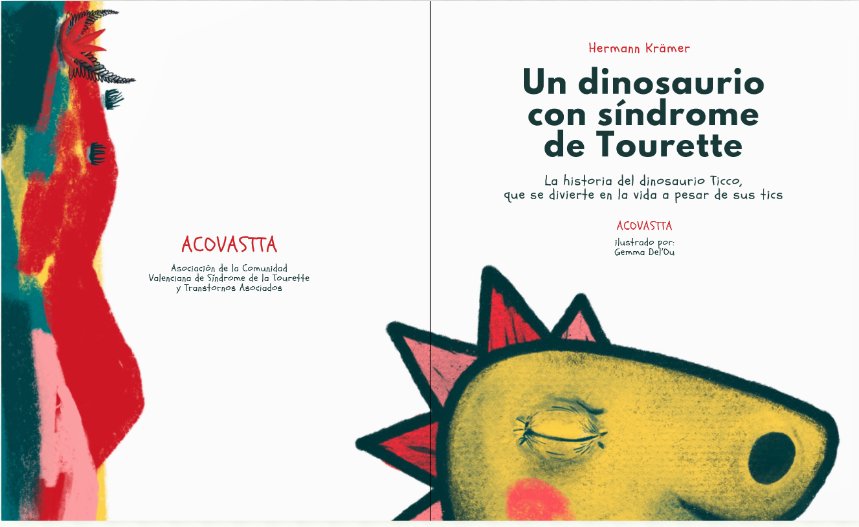
When Tourette's creative sensibility and energy are aligned, they can result in authentic works of art. Hermann Krämer and Gemma del Ou, although not yet personally acquainted, have already created a deep bond through their art.
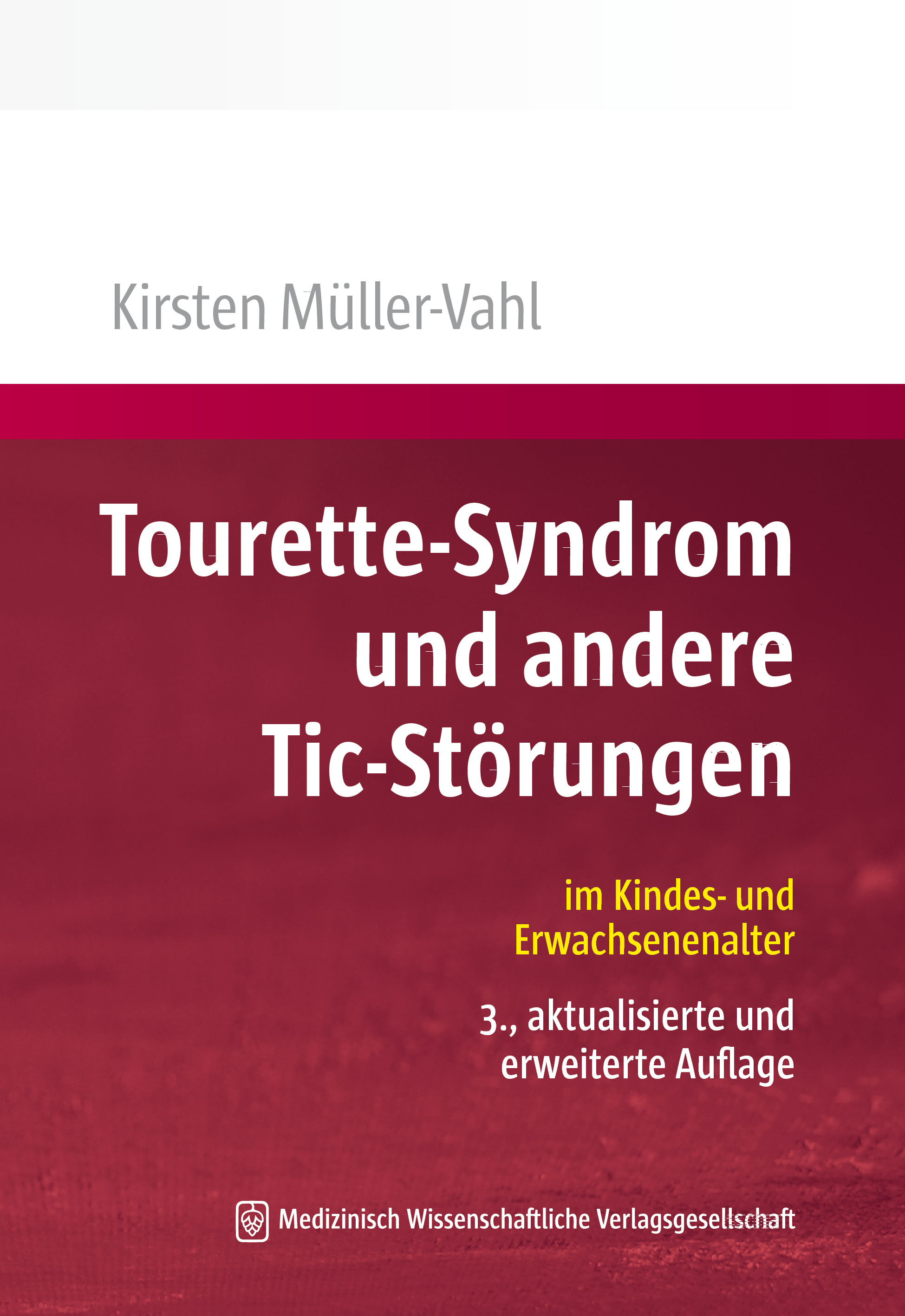
Fully updated: Counseling, care and treatment of children and adults with Tourette syndrome and other tic disorders
The diagnostic classification of tic disorders and differentiation from other disorders such as functional disorders as well as the assessment of available treatment options are not possible without specific knowledge.
The new edition of this standard work comprehensively conveys the current state of knowledge from science and practice on the diagnosis, differential diagnosis and treatment of Tourette syndrome and other tic disorders. Particular attention is paid to the differential diagnosis of functional tic-like movements, which have increased significantly in frequency with the onset of the COVID-19 pandemic.
This study aimed to show characteristics of this phenotype, which presents as an outbreak of "mass social media-induced illness" (MSMI), and to investigate predisposing factors.
A publication about the first outbreak of a novel sociogenic mass disease that, in contrast to all previously reported episodes, is spread exclusively via social media.
More and more influencers are pretending to be Tourette's patients online. However, the signs of their disorders can be easily distinguished from symptoms of the real disease.
Authors:
Kirsten R. Müller-Vahl1 - Natalia Szejko2,3,4 - Cara Verdellen5,11 - Veit Roessner6 - Pieter J. Hoekstra7 - Andreas Hartmann8 - Danielle C. Cath9,10
Abstract
In 2011 a working group of the European Society for the Study of Tourette syndrome (ESSTS) developed the first European Guidelines for Tourette syndrome (TS) published in the ECAP journal. After a decade ESSTS now presents updated guidelines, divided into four sections: Part I: assessment, Part II: psychological interventions, Part III: pharmacological treatment and Part IV: deep brain stimulation (DBS). In this paper, we summarize new developments described in the guidelines with respect to assessment and treatment of tics. Further, summary findings from a recent survey conducted among TS experts on these same topics are presented, as well as the first European patient representative statement on research. Finally, an updated decision tree is introduced providing a practical algorithm for the treatment of patients with TS. Interestingly, in the last decade there has been a significant shift in assessment and treatment of tics, with more emphasis on non-pharmacological treatments.
Authors:
K.R. Müller-Vahl,a,*, N. Szejkoa,d,h,i, A. Saryyeva,b, C. Schrader,c, D. Krueger,a, A. Horn,e ,A.A. Kühn,e,f,g, J.K. Krauss,b
- a Clinic of Psychiatry, Socialpsychiatry and Psychotherapy, Hannover Medical School, Germany
- b Department of Neurosurgery, Hannover Medical School, Germany
- c Department of Neurology, Hannover Medical School, Germany
- d Department of Neurology, Medical University of Warsaw, Poland
- e Department of Neurology, Movement Disorders and Neuromodulation Unit, Campus Charite Mitte, Charite-Universitätsmedizin Berlin, Berlin, Germany
- f Berlin School of Mind and Brain, Charite-Universitätsmedizin Berlin, Berlin, Germany
- g NeuroCure, Charite-Universitätsmedizin Berlin, Berlin, Germany
- h Department of Neurology, Yale School of Medicine, New Haven, USA
- i Department of Bioethics, Medical University of Warsaw, Warsaw, Poland
In the 16th edition of the book "Therapie psychischer Erkrankungen. State of the Art", the authors Prof. Dr. med. Kirsten R. Müller-Vahl and Prof. Dr. med. Irene Neuner address the topic of "Tic disorders and Tourette syndrome" in article 28.
The book can be ordered directly from the publisher. link
Production and technical realization: Florian Winterfeld
Book and text: Hermann Krämer
Music: Jean-Marc Lorber
Thanks to the Tourette-Gesellschaft Deutschland e.V.
Project by and with Tourette sufferers
The story of the dinosaur "Ticco", who has fun in life even with tics. Katto, Ticco's dad (quote): "
It may happen from time to time that you meet people who don't understand and tease you.
The important thing is that you don't question everything, yourself, your life and your future." (Author: H. Krämer)
Encouraging story for children with Tourette's.
Listen free of charge:
https://tourette-gesellschaft.de/wp-content/uploads/2020/11/ESMTS-Das-Hoerspiel.mp3
Several possibilities to listen to Ticco's story on different online platforms:
https://tourette-gesellschaft.de/ticco-ein-saurier-mit-tourette-syndrom-in-neuem-gewand/
He used to squeak, now he sings in a band
People with Tourette's syndrome emit sounds and make involuntary movements, but there are therapies
In recent years, large-scale behavioral therapy studies have initiated a trend reversal in the treatment of Gilles de la Tourette syndrome. Habit Reversal Training (HRT) in particular has proven to be effective. Based on the clinical phenomenology and neurobiological foundations of the psychotherapeutic treatment of Tourette's syndrome, with a focus on HRT, this book offers a practical manual for adults.
First patient dosed in Phase 2 trial to evaluate the efficacy of ABX-1431 in treating adult patients with Tourette Syndrome
SAN DIEGO, October 16, 2018 - Abide Therapeutics, a clinical-stage biopharmaceutical company focused on developing novel therapeutics targeting the serine hydrolase family of enzymes, today announced the initiation of Phase 2 clinical development of ABX-1431, a first-in-class investigational monoacylglycerol lipase (MGLL) inhibitor, in patients with Tourette Syndrome (TS). TS is a neurodevelopmental disorder characterized by sudden, involuntary movements and vocal tics.
In this video, Tim Howard - a renowned world soccer player and former U.S. national team keeper - a celebrity who deals publicly with his Tourette's diagnosis - gives a Skype interview in the form of a question and answer session with young people who suffer from chronic tic disorders:
https://www.facebook.com/TouretteSyndrome/videos/10155467819511965/
The BBC Two documentary EMPLOYABLE ME follows people with neurological conditions such as autism, Asperger's autism, tic syndrome and Tourette's syndrome as they seek, find and develop their special skills and talents.
The uniquely positive program proves that these clinical pictures, regardless of their severity and despite their sometimes unpleasant symptoms in the public perception, do not necessarily have to be a reason for long-term unemployment. Quite the opposite: EMPLOYABLE ME shows that people with such a diagnosis can have outstanding abilities and represent real added value for employers and colleagues. Now the German version is coming to TV.
This publication details the previously announced results of the recently completed Phase 1b exploratory study in Tourette syndrome (TS) with ABX-1431, an investigational monoacylglycerol lipase (MGLL) inhibitor. In this randomized, double-blind, placebo-controlled, crossover study in adults, patients receiving a single dose of ABX-1431 consistently showed a positive impact on key TS symptoms.
on the subject of cannabis
At the beginning of 2025, the city of Hanover will launch the first model project on cannabis use in Germany. The project is being supported medically and scientifically by the Clinical Department of Psychiatry, Social- and Psychological Therapy at Hannover Medical School (MHH).
Further information can be found here:
https://x.com/Pharmacopsy/status/1796580356726096354
https://www.instagram.com/womeninmedicine.thieme/
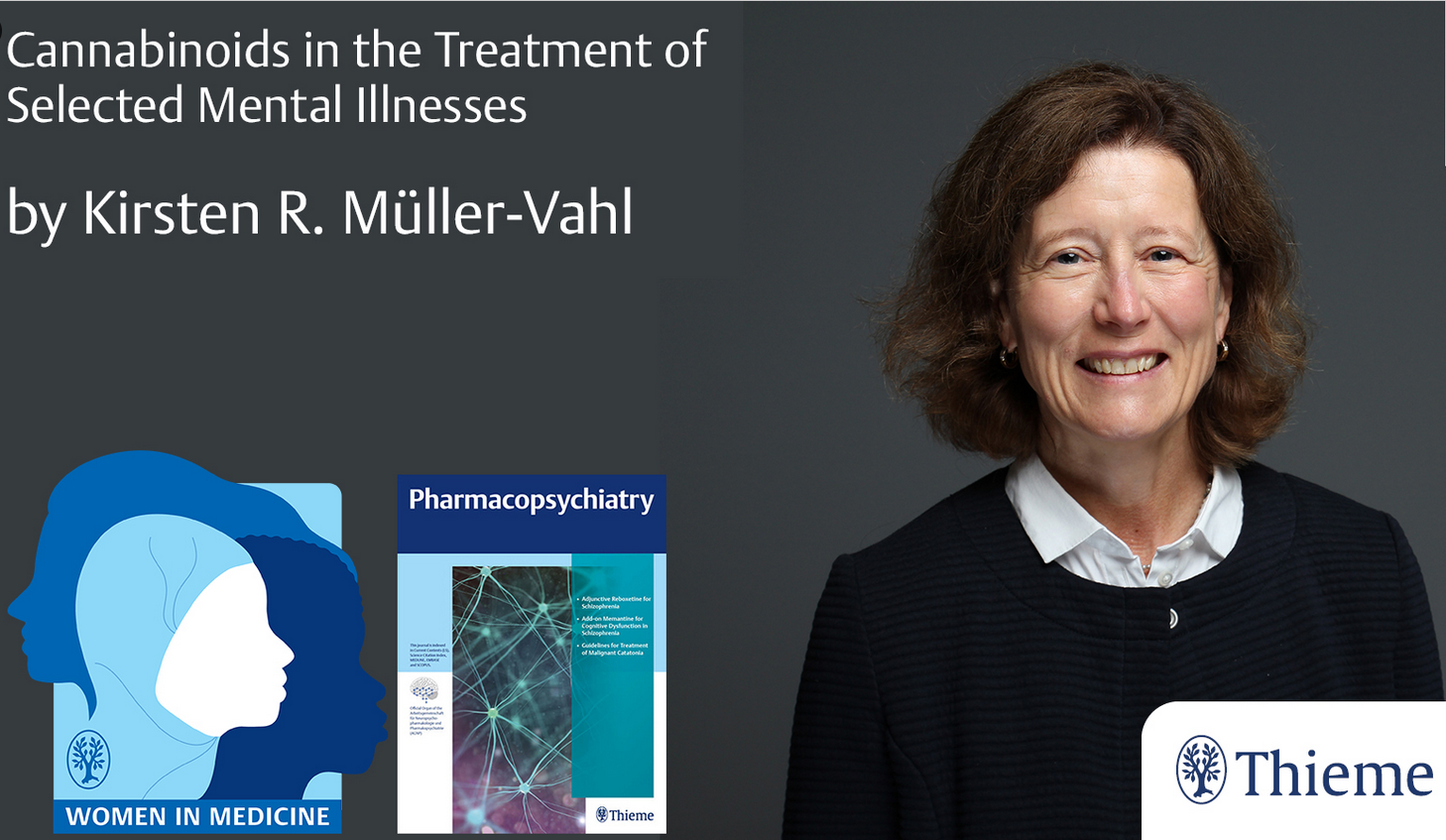
Since the 1990s, there has been an extra-parliamentary movement in Germany campaigning for the legal use of cannabis as medicine. This initiative was supported by numerous groundbreaking court decisions. However, the issue has also been repeatedly taken up by parliamentarians from all parties - from the SPD, Die Linke, Bündnis 90/Die GRÜNEN, CDU/CSU to the FDP - and the respective governments.
Whether as flowers, teas, capsules, sprays or oils. CBD has long been regarded as a miracle cure with a positive effect on the human body and psyche - supposedly without any side effects. But how effective are CBD oils really? Professor Kirsten Müller-Vahl is a specialist in neurology and psychiatry at Hannover Medical School and has been working with cannabis-based medicines for 25 years. Read more
Members of the Bundestag and scientists are calling for improvements
Science is currently working on drugs for the symptomatic treatment of Covid-19 diseases.
Cannabis has also come into focus as a medicine. Cannabis medicines not only have a modulating effect on the immune system, but also have a positive effect in terms of increasing resistance to viral infections and thus reducing the patient's risk of infection.
The entire documentary includes an interview with Prof. Dr. Dr. Kirsten Müller-Vahl and can be viewed at the following link:
Prof. Dr. Dr. Kirsten Müller-Vahl from Hannover Medical School (MHH) is an expert with more than 20 years of experience in this field. In the Fachbuchblog interview, she reports on indications, medications and active ingredients as well as the prescription of cannabis.
Cannabis extracts have become an indispensable part of the therapeutic portfolio for patients seeking treatment with cannabinoids. The full-spectrum extract THC5:CBD20 is the first reimbursable therapeutic option with a dominant CBD (cannabidiol) content. The extract is particularly suitable for the treatment of patients who require therapy with a drug with a high CBD content.
An article by Gesa Riedewald in the science portal Leafly.
Cannabis products have been used for therapeutic and cultic purposes in many cultures for centuries [1] . In Europe, they were used particularly in the second half of the 19th century to treat pain, spasms, asthma, sleep disorders, depression and loss of appetite.
In the first half of the 20th century, these drugs lost almost all of their importance. It was only after it was possible to determine the chemical structure of the ingredients of the cannabis plant (Cannabis sativa L.) that interest in the medical use of cannabis products increased again in leaps and bounds worldwide over the past two decades. In the factual discussion about the medical use of cannabis preparations, it is hardly relevant today that cannabis has also been a widespread intoxicating drug for recreational use since the 1960s.
Since the "Cannabis Act" came into force in March 2017, cannabis flowers can be prescribed by a physician in Germany. This raises the question of the indications for which cannabis-based medicines are indicated more than ever before. In addition to theoretical principles, this article provides many practical tips on prescribing cannabis-based medicines.
Social media
Cannabis is the most trafficked drug in Germany. Now the weed grows legally in the service of medicine. A young industry in a gold-rush mood.