Clinical Ethics Committee

The possibilities of modern medicine, especially at a university hospital, can help many patients to restore their health or even save their lives. However, some treatment situations raise ethical questions, e.g. which medical or nursing measures are still appropriate. This often concerns people who are suffering from a serious illness.
We provide advice and support...
Who?
Patients and their relatives and caregivers, physicians, Nursing staff and therapists.
Where?
In the event of ethical conflicts or conscience issues in patient care at the MHH, for example if
- you have a living will, the implementation of which is causing problems
- you as a relative do not know whether the patient would still have wanted the treatment
- you, as the attending physician, have the impression that the patient or relatives are demanding a treatment that you do not consider appropriate from a medical point of view
- If you, as a nurse, have an ethical problem with continuing or ending a therapy
- As parents, you are no longer sure whether it is reasonable for your seriously ill child to continue therapy
Ethics counseling at the MHH
Ethics counseling only takes place at the request of those affected and supports those seeking advice in a conflict of judgment.
In an ethics consultation, the CEC does not make its own decisions, but helps in the search for a professionally appropriate, humanly responsible and, from the patient's point of view, sensible treatment decision.
This takes place either in a confidential one-to-one discussion or with the treatment team and the patient or relatives concerned.
Responsibility for the medical and nursing treatment always remains with the treatment team.
Management of the Clinical Ethics Committee
Carl-Neuberg-Strasse 1
30625 Hanover
Tel: (0511) 532 - 4267
The management is currently not occupied. The telephone number will be forwarded automatically.
Chairman of the CEC (Dr. Gerald Neitzke) :
Tel: (0511) 532 - 4271
email to G.Neitzke
Frequently asked questions
If you have an inquiry to the CEC, please contact our managing director Ms. Freund (Tel: 532-4267) or the chairman of the CEC Dr. Neitzke (Tel: 532-4271) by telephone. We will then clarify with you whether your ethical conflict can be resolved in a confidential consultation or whether a case consultation with all parties involved would be appropriate.
If you cannot reach anyone on the above telephone numbers, please contact another CEC member. You will find the telephone numbers in our flyer, which you can obtain on the ward or at the gate of the ward block.
A personal (e.g. telephone) consultation is almost always possible promptly during the week. However, a large case consultation on the ward can also be held at short notice if it is urgent, but there is often enough time to hold a consultation with all those involved (physicians, nurses, therapists, patients or relatives) the next day or in the following days.
In most cases, the question is how to continue a therapy for a seriously ill patient. This always involves the question of whether a treatment goal specified by the treating medical team can still be achieved, and determining the patient's wishes: Can the patient decide for themselves? Is there a living will or expressed treatment wishes? What would be the patient's presumed will?
During a case consultation on the ward, the patient is accompanied by relatives or authorized representatives or carers as well as members of the treatment team: physicians, nurses and therapists (physiotherapy/occupational therapy). This often involves patients who are unable to make their own decisions because they are unconscious.
The CEC advisory team is usually made up of a physician, a colleague from the nursing or administrative area (e.g. social services) and an external CEC member (pastoral care, patient representative).
Most CEC members have attended seminars on clinical ethics consultation, and some members have additional training as consultants for ethics in healthcare. Moderation techniques are regularly practiced in role plays as part of internal training. The chair of the CEC, Dr. Neitzke, is also a trainer for ethics consulting (AEM) and a lecturer for the "Ethics consulting in hospitals" qualification program of the Centre for Health Ethics at the Evangelische Akademie Loccum (ZfG).
The goal of a case consultation is the consensus of all those involved in the consultation. This consensus is recorded in a protocol which is sent to the ward team and, if requested, to the relatives and filed in the patient's file.
Agreements reached by consensus with all participants at the meeting should be adhered to, as they have been made as a joint decision. The binding nature of the CEC therefore does not result from its position, but from the persuasiveness of the jointly developed solutions.
Patient decree
Frequently asked questions
Precautionary planning Inauguration "DankeMal"Members of the CEC

Dr. Gerald Neitzke (Chair),Trainer for Ethics Consulting (AEM, K3), Institute of History, Ethics and Philosophy of Medicine
Tel: (0511) 532-4271

Prof. Dr. Dr. Bettina Bohnhorst (Deputy Chairwoman), Center for Pediatrics and Adolescent Medicine, Neonatology, Ward 69

Ms. Hannah Tönsfeuerborn (Deputy Chairwoman), specialist nurse for paediatric intensive care, consultant for ethics in healthcare (AEM, K1). Healthcare (AEM, K1) Children's Hospital, Ward 67

PD Dr. Lars Brodowski, Clinical Department of Gynecology and Obstetrics

Ms. Stephanie Deest-Gaubatz, Clinical Department of Psychiatry, Social-psychiatry and Psychological Therapy

PD Dr. Silja Ebeling, MBA, Consultant to the Board of Directors for Patient Care

Ms. Stefanie Hefner M.A., Clinical Department of Anaesthesia and Intensive Care Medicine

Dr. Martin Hinteregger, Clinical Department of Cardiothoracic, Vascular and Transplant Surgery
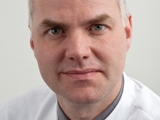
Prof. Dr. Wolfgang Koppert, Clinical Department of Anaesthesiology and Intensive Care Medicine

Ms. Doris Kost, Nursing Department, Stoma Therapy

Dr. Kathrin Matthias, Clinical Department of Haematology, Haemostaseology, Oncology and Stem Cell Transplantation, Palliative Care Unit 60

Ms. Katharina Rösner, Social Services

Mr. Andreas Vietgen, Catholic Pastoral Care, Coordinator f. Ethics Counseling in Health Care (AEM, K2)

Mr. Ulrich Dencker, Hanover Local Court
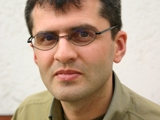
Mr. Ali Türk, Institute for Transcultural Care (ITB)

Ms. Marlies Thuneke-Hartmann, self-help (children and adults)