Workshop on Improving Emergency Care
April 7, 2026
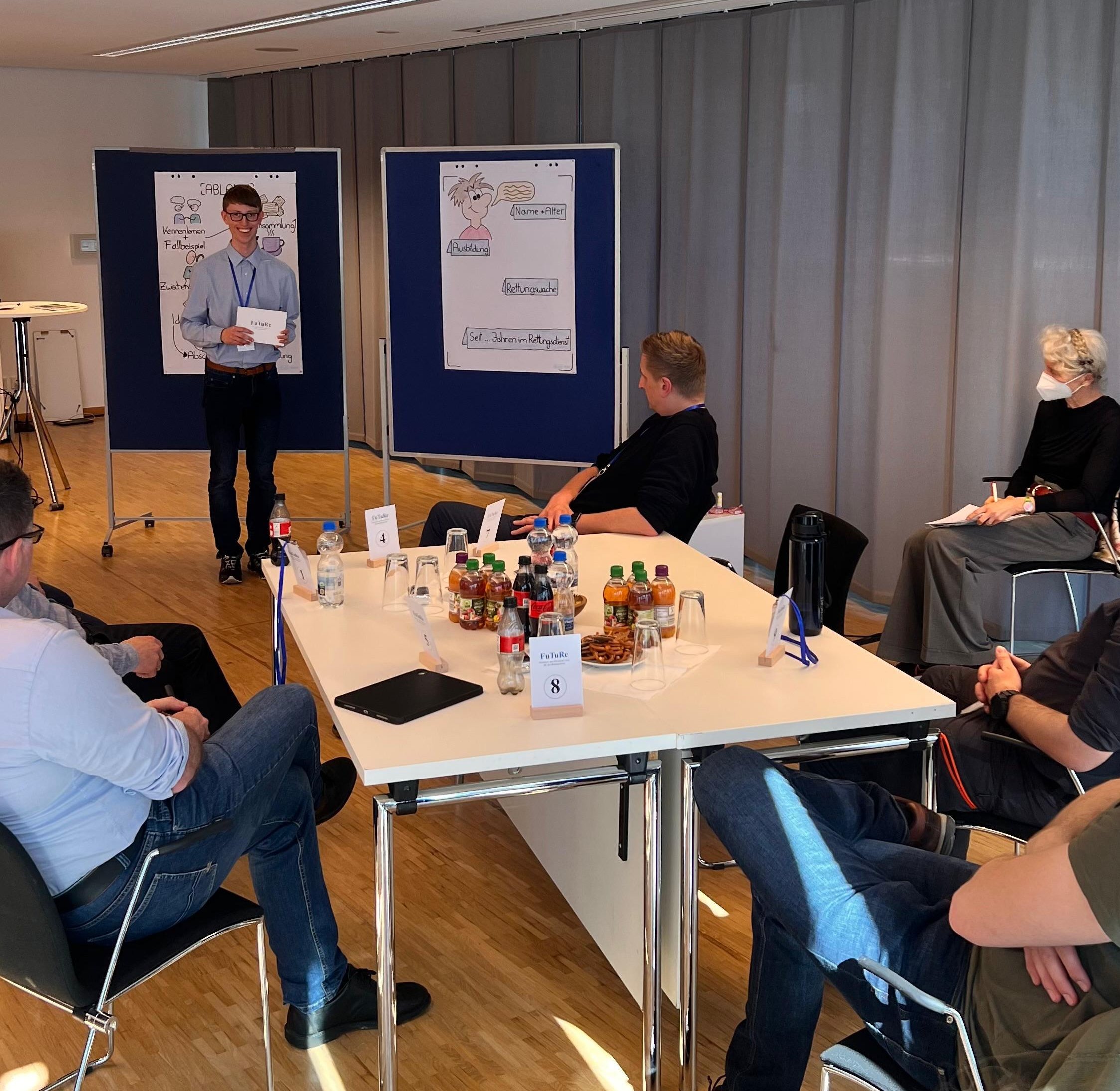
Paramedics, emergency physicians, and hospital staff gathered in Koblenz last year to exchange ideas at the German Interdisciplinary Emergency Medicine Congress (DINK). The common goal of the congress is to further improve life-saving care for emergency patients. The FuTuRe team (Feedback and Reporting Tool for Emergency Medical Services), represented by Jonas Siegel and Heidrun Lingner, introduced participants to the topic of “emergency medical services reporting systems” during a workshop, which also served as a focus group for a research project on this topic. Ideas, experiences, and suggestions were shared, and in particular, the question of under what conditions feedback regarding initial care on-site and in the ambulance could be specifically integrated into communications between hospitals and emergency medical services was discussed in depth. Particularly encouraging: The workshop brought together a group of highly motivated paramedics, PhD students, and emergency medical service managers who wish to continue collaborating and exchanging ideas on the topic of feedback for first responders. This sustainable networking not only benefits research and the MHH but will also increase the visibility of the topic in the future. This successful first workshop was made possible by financial support from the Society of Friends of the MHH. Four additional focus group sessions have already taken place and are now being evaluated.
Awards for Master’s graduates
February 20, 2026
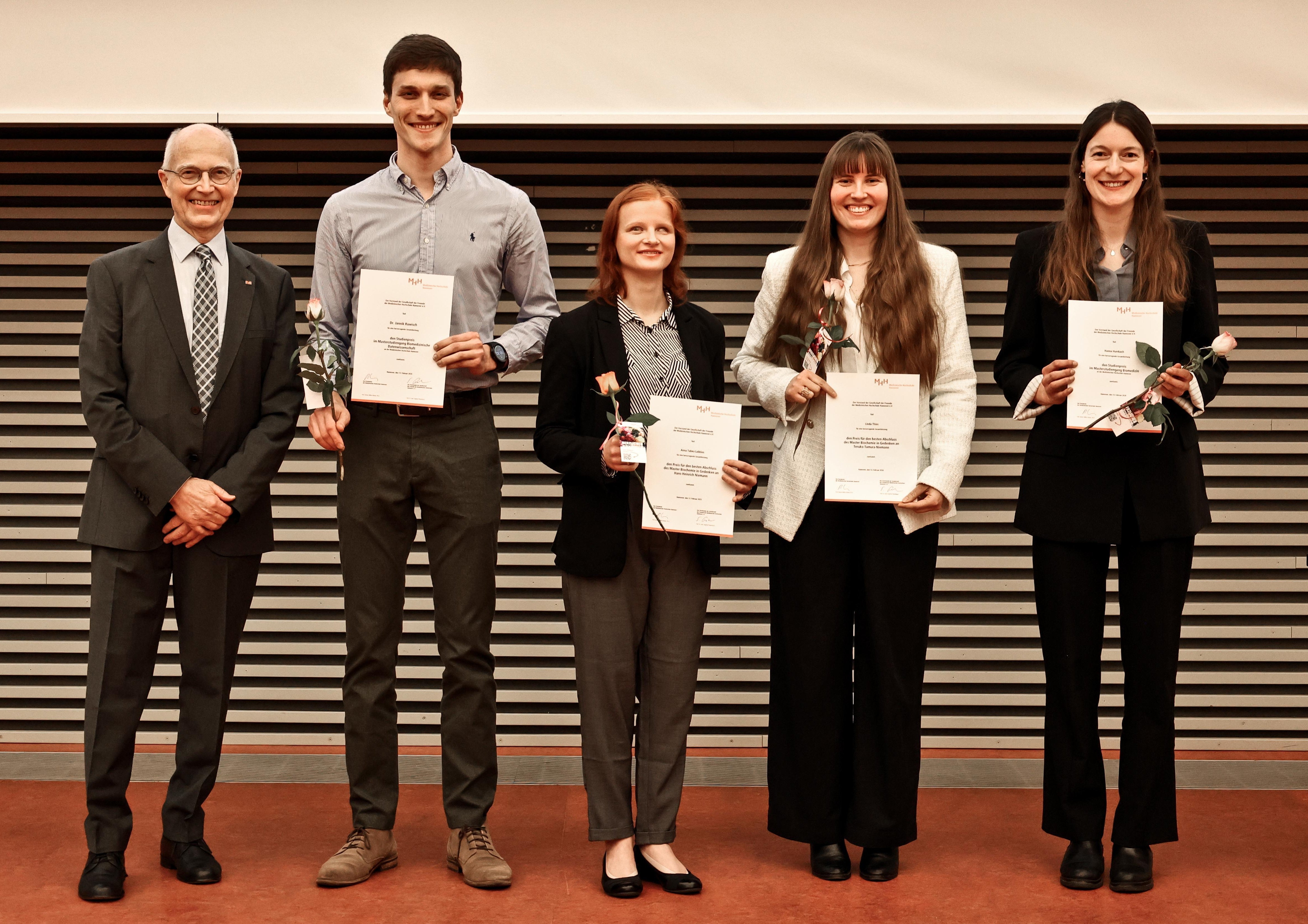
Last Friday, GdF Chairman Professor Siegfried Piepenbrock once again had the honor of recognizing outstanding graduates from the master’s programs in Biochemistry, Biomedicine, and Biomedical Data Science. The graduation celebration for the 44 new graduates, featuring atmospheric music and festive speeches, provided a fitting setting for the Society of Friends of the MHH to honor the top graduates. Dr. med. Jannik Ruwisch and Hanna Humbach, as the top graduates in Biomedical Data Science and Biomedicine, respectively, each received 300 euros. Linda Thies was awarded the Teruko Tamura Niemann Memorial Prize for her achievements, while Anna Tabea Labbies was presented with the Hans-Heinrich Niemann Memorial Prize. The latter two prizes are awarded for the best graduation performance in Biochemistry during the summer and winter semesters, respectively, and are each endowed with 1,000 euros.
Insights into Modern Cardiology
January 7, 2026
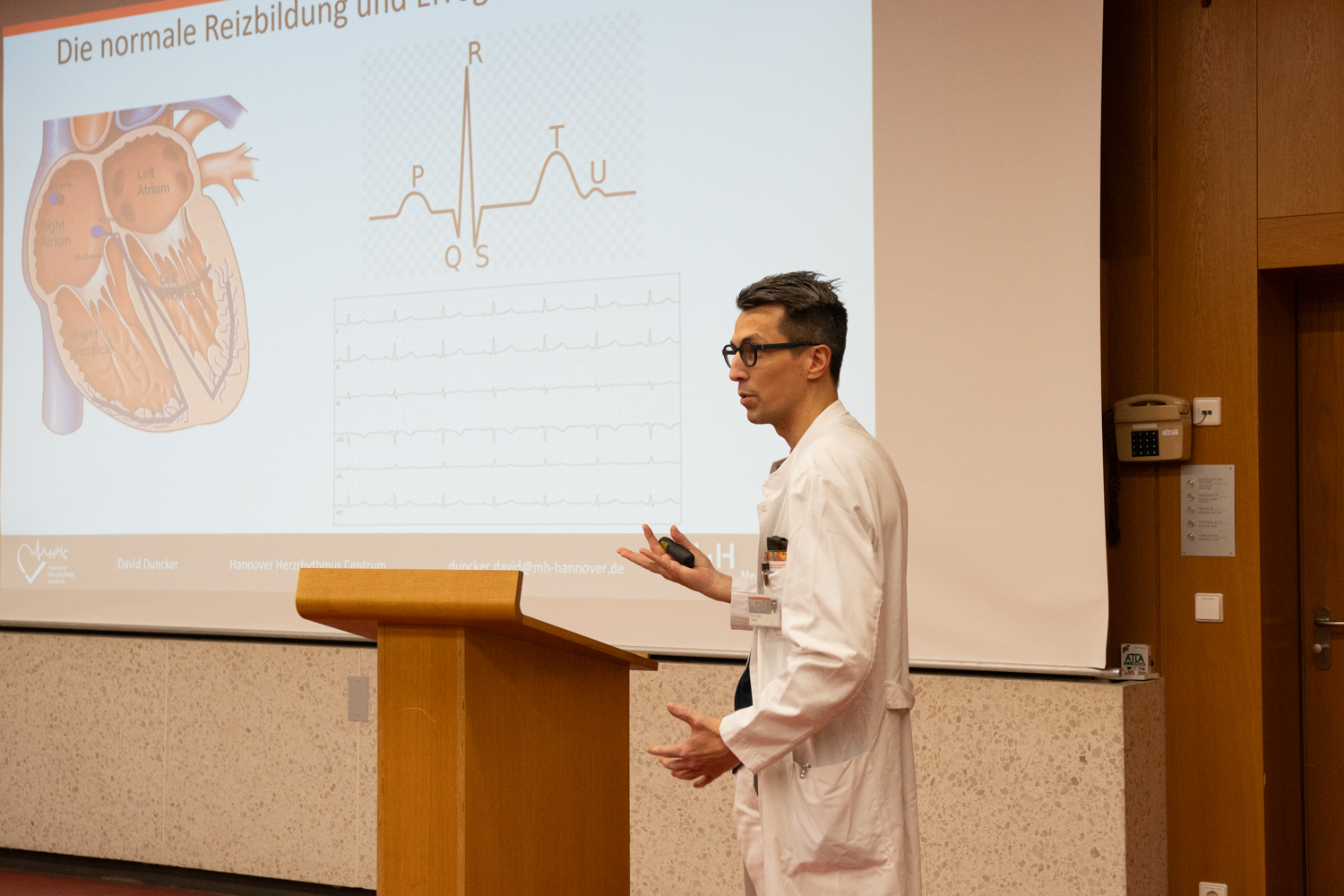
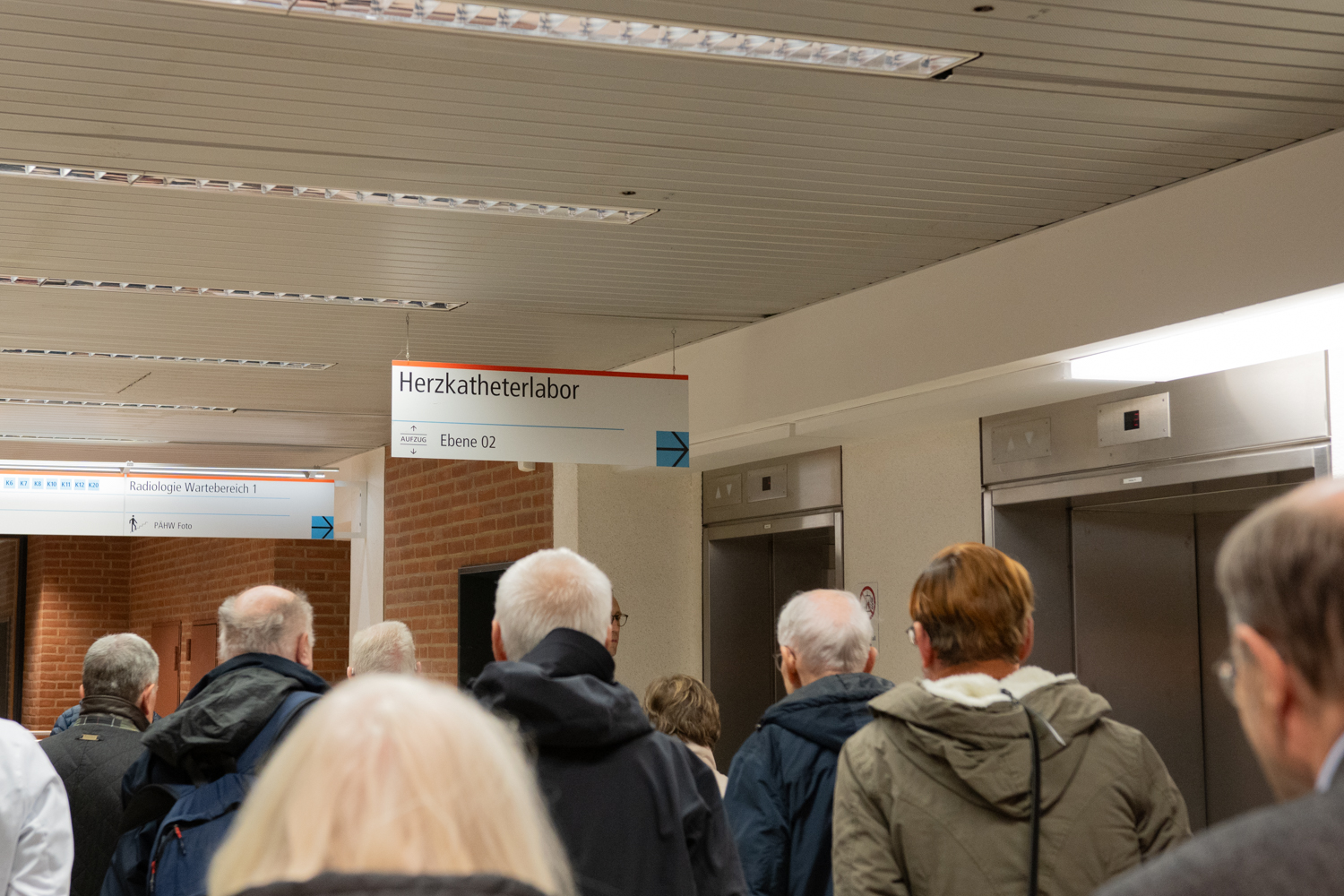
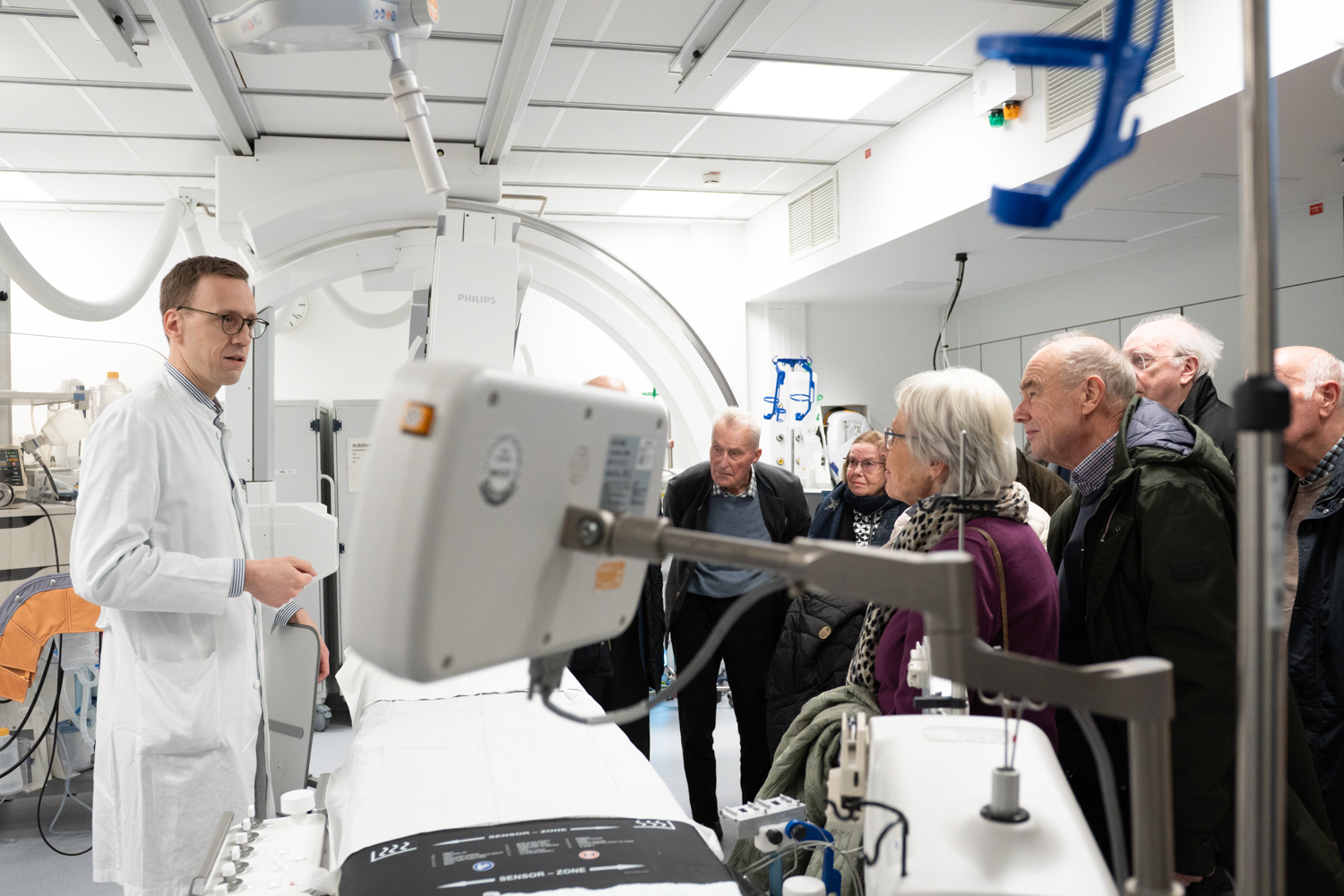
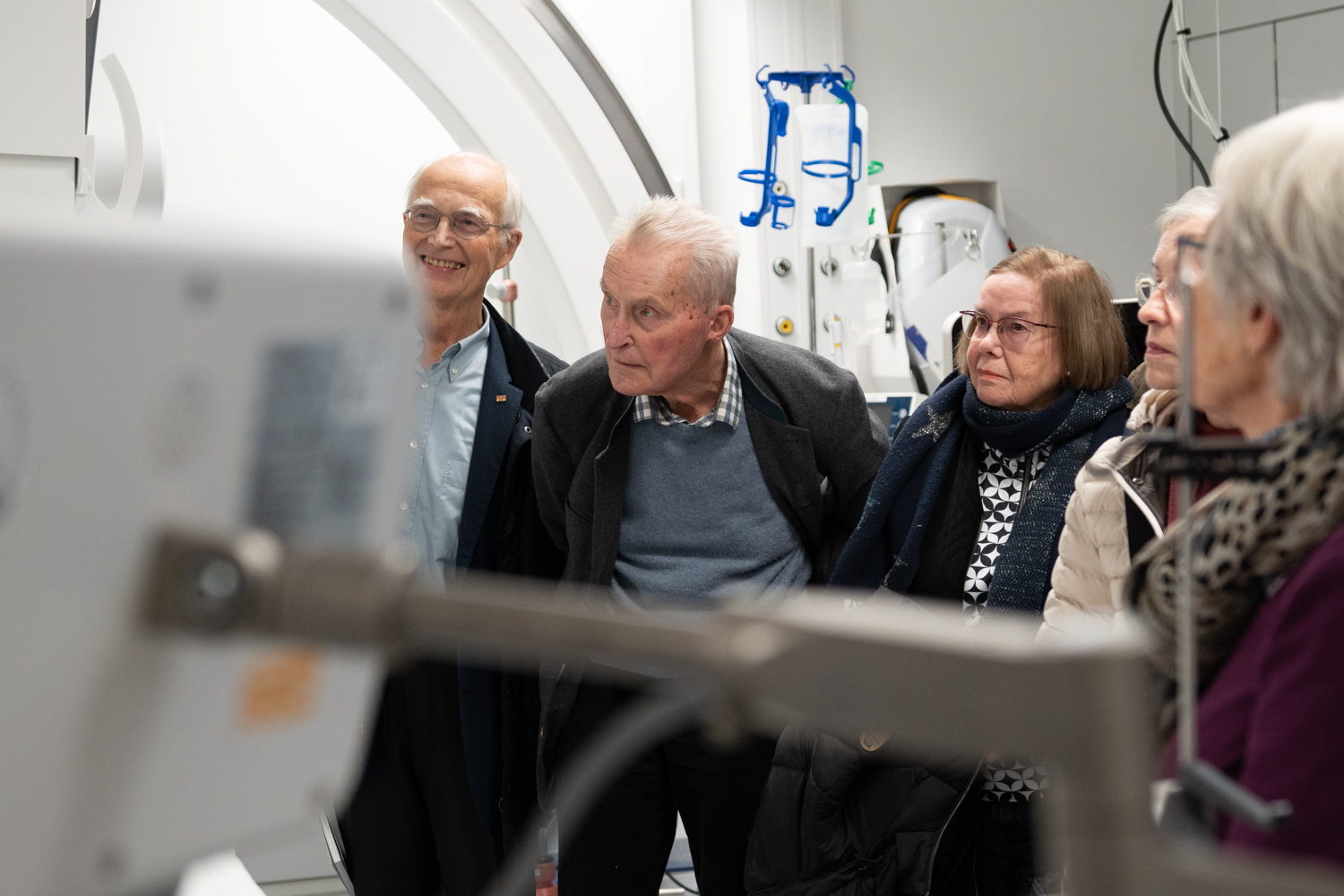
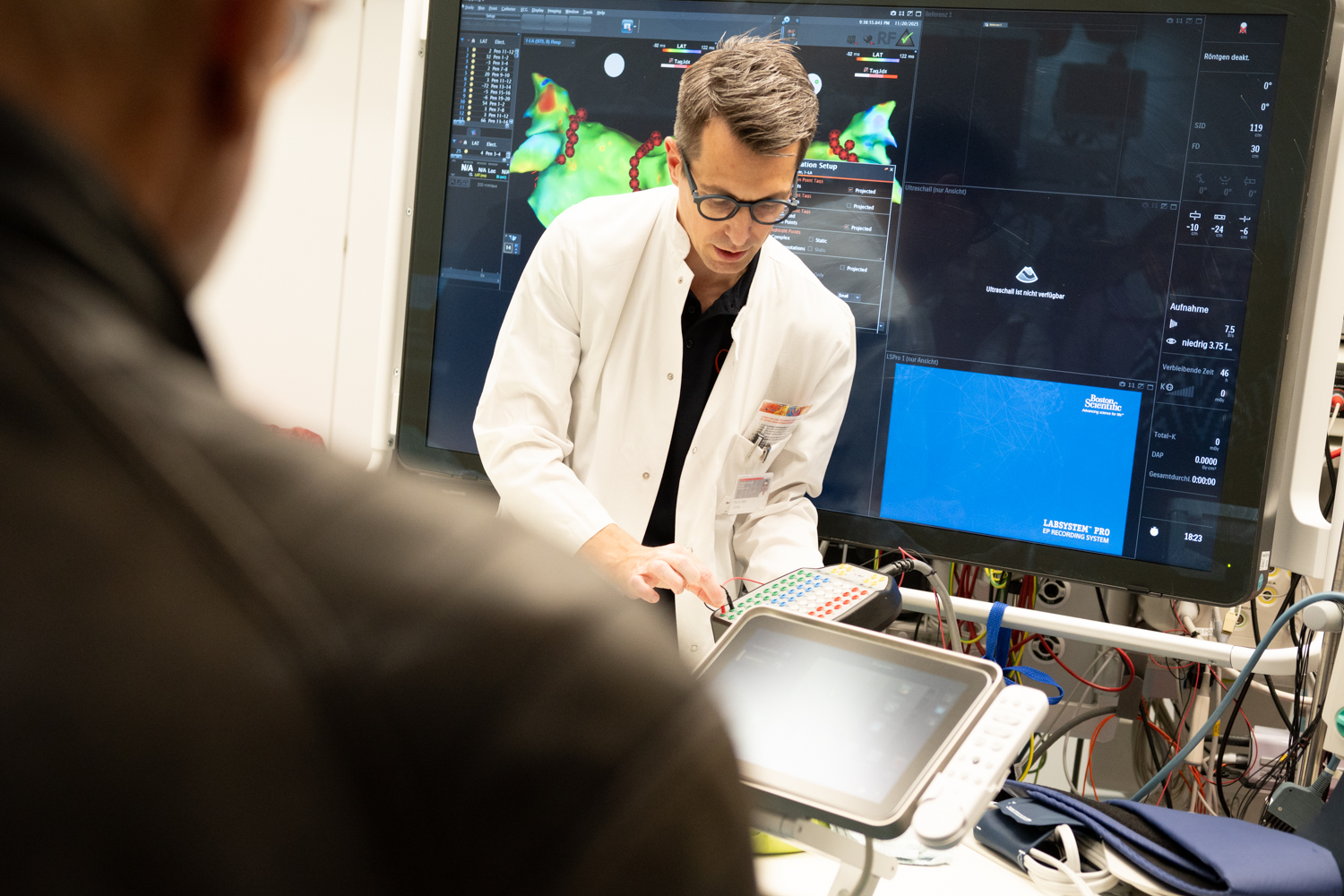
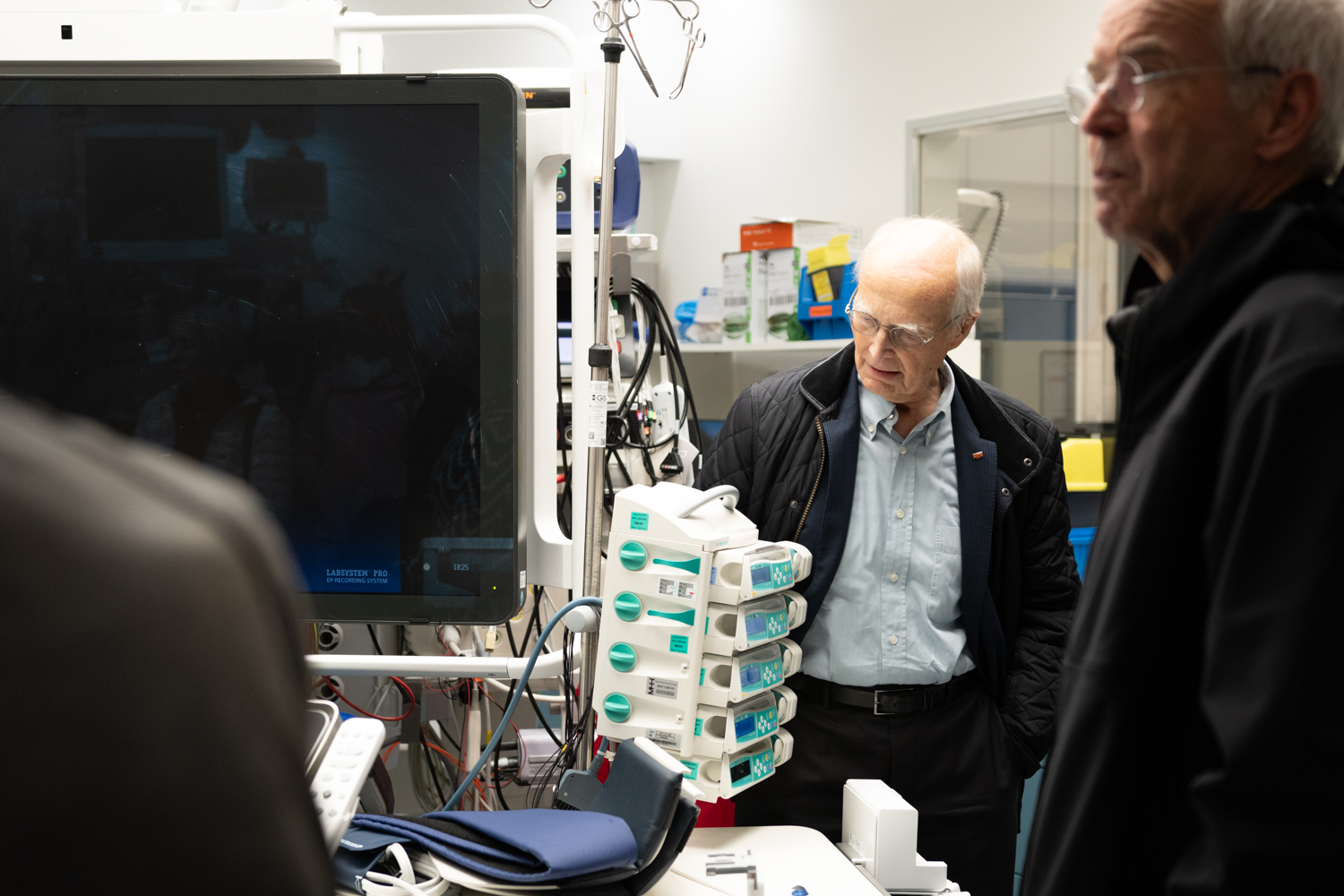
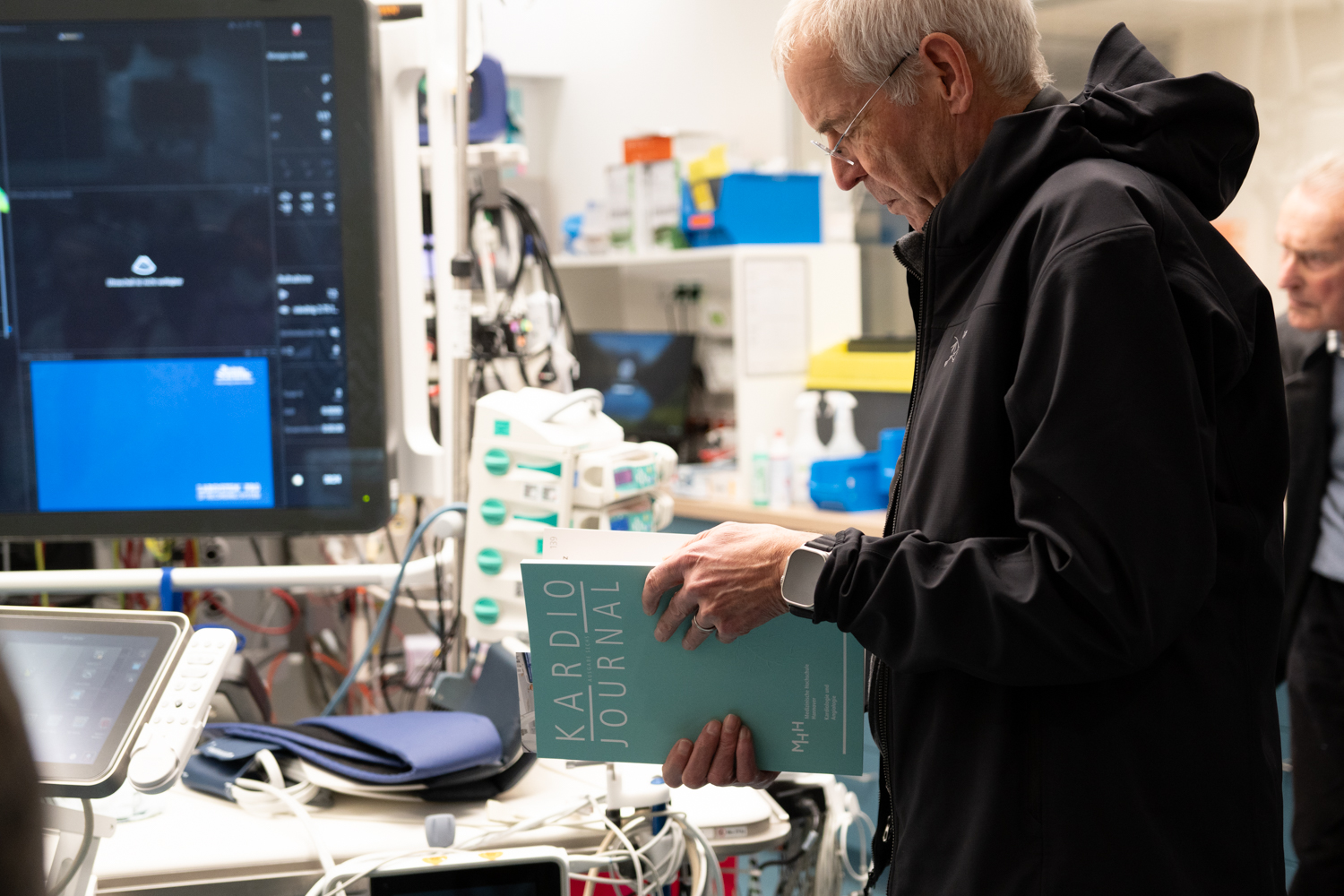
Minimally invasive procedures are becoming increasingly important in modern medicine. They have also become indispensable in the diagnosis and treatment of cardiovascular diseases. During a tour of the modern cardiac catheterization labs at the Clinical Department of Cardiology and Angiology, members of the Friends’ Association were able to gain an impression of the precision and technology used today to treat heart diseases. In catheterization labs, diseases of the heart and coronary arteries are examined and treated using thin, flexible catheters. These are advanced to the heart via a vascular access point, usually at the wrist or in the groin, and allow for the precise visualization of vascular abnormalities and, in many cases, direct treatment. Hospital Director Prof. Dr. Johann Bauersachs highlighted the importance of the three recently modernized labs. Thanks to the excellent image quality and the reduction in X-ray radiation, precise procedures can be performed more effectively and, above all, with greater patient comfort. Dr. Tobias König, Head of the Cardiac Catheterization Lab, showed visitors how modern equipment is used in interventional cardiology to treat narrowed or blocked coronary arteries by inserting a fine stent. Particularly impressive: The labs can now treat not only blood vessels but also heart valve defects using minimally invasive techniques. Prof. Dr. David Duncker, Director of the Hannover Heart Rhythm Center, also provided the group with insights into rhythmology, a field in which cardiac arrhythmias are visualized using electrophysiological examinations. Professor Duncker’s team also uses cardiac catheterization for this purpose to precisely identify areas in the heart that trigger or sustain arrhythmias and often treat them directly during the same procedure. Fascinated by today’s technical advancements in cardiac medicine, which enable particularly gentle and safe treatment even for complex conditions, the members of the Friends’ Association finally bid farewell to the cardiac catheterization labs. Thank you very much for these unique insights into modern cardiology!
Scientific Exchange on Immunotherapies
December 10, 2025
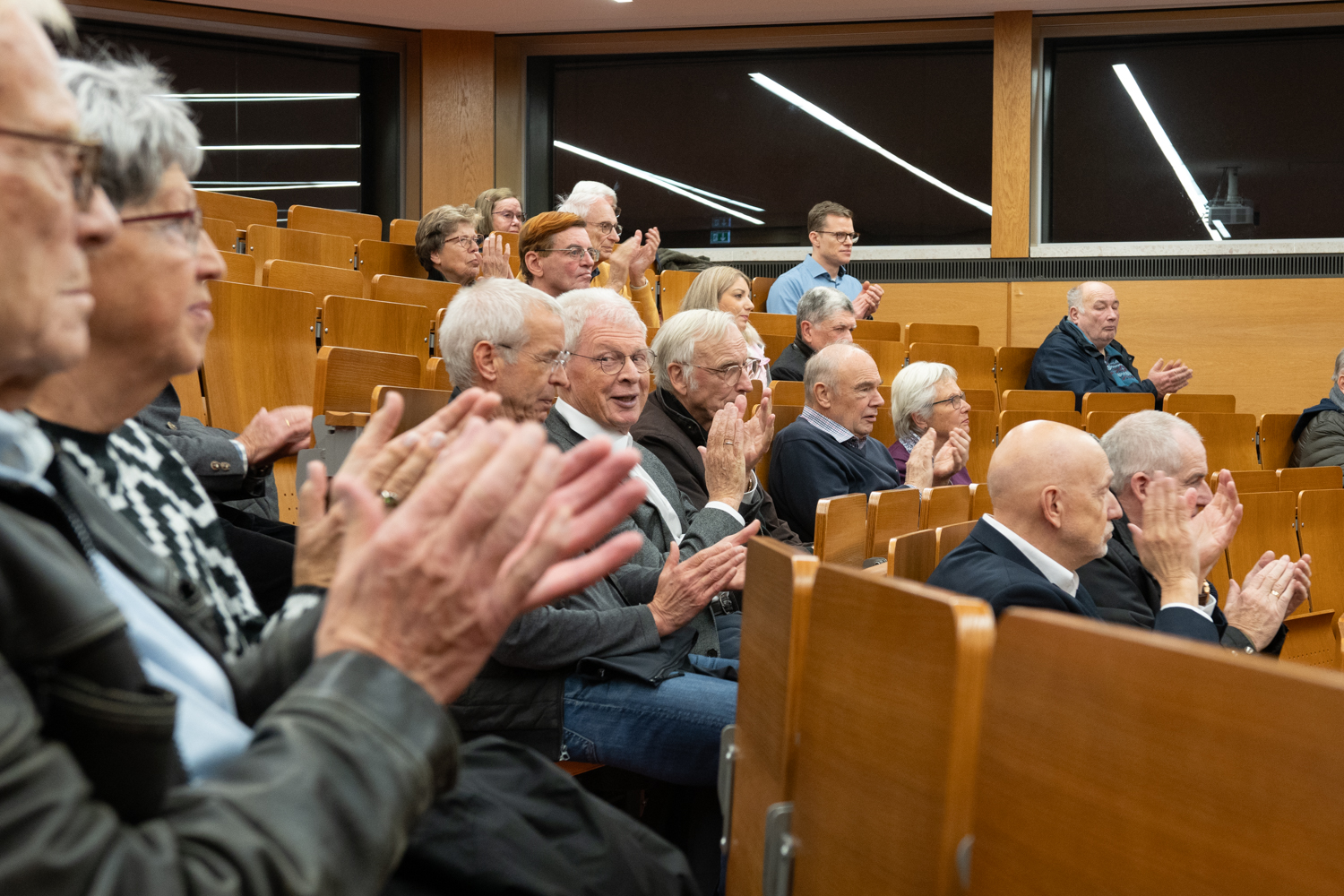
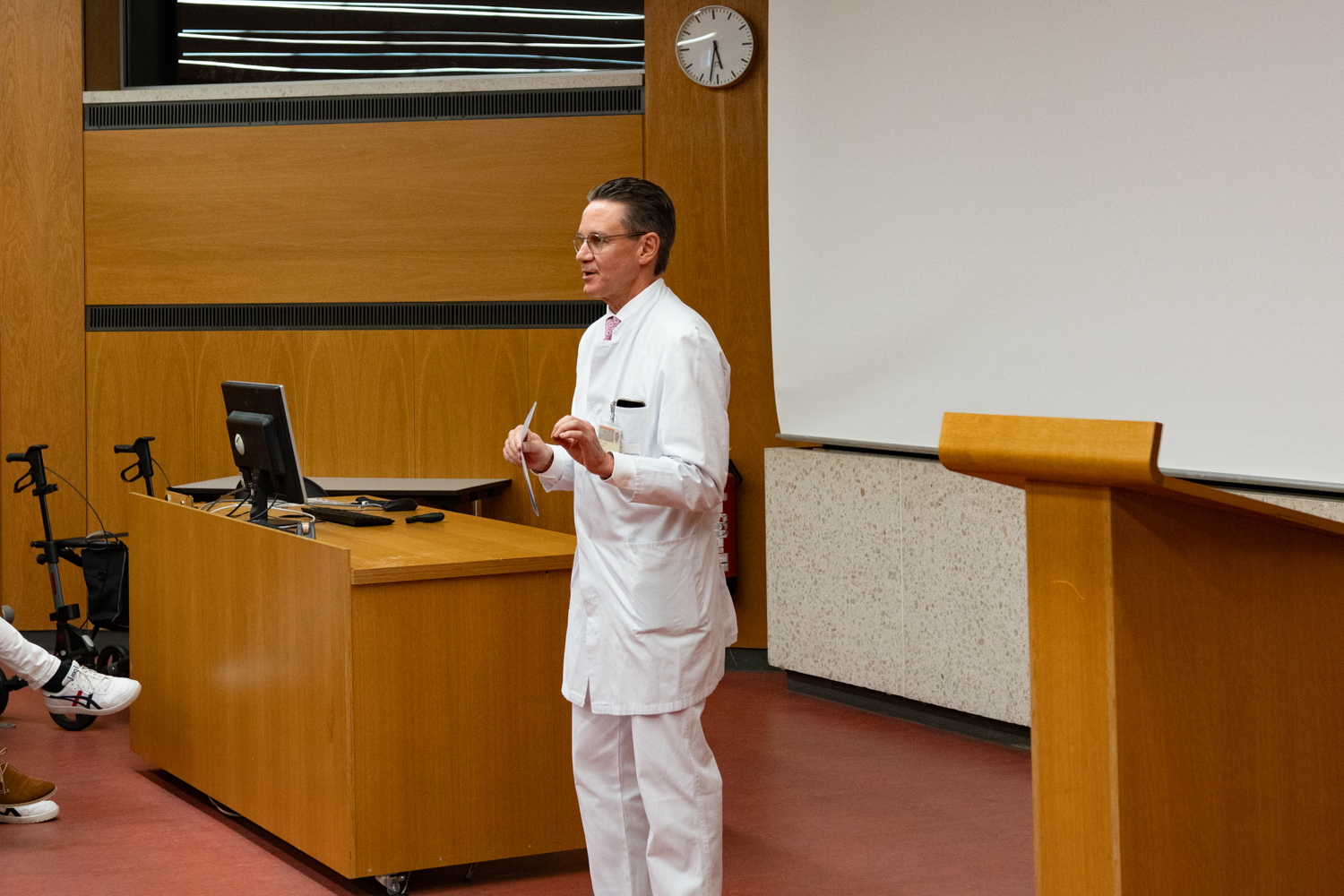
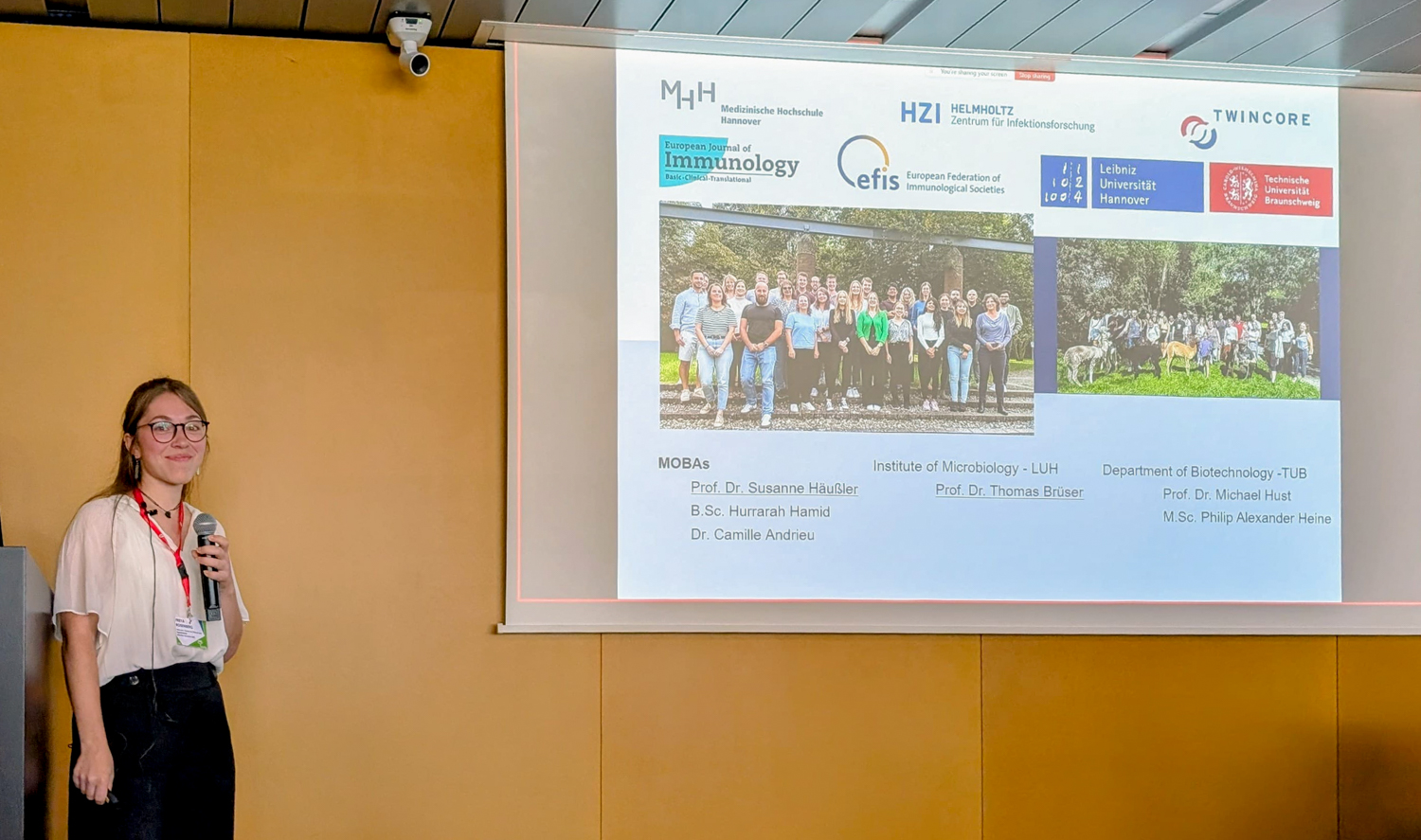
Freya Rosenberg is currently pursuing her Ph.D. at TWINCORE (Center for Experimental and Clinical Infection Research), a joint facility of Hannover Medical School and the Helmholtz Center for Infection Research. As part of a conference scholarship from the Society of Friends of the MHH, she attended the 4th Immunotherapy for Infectious Diseases Conference (ITID) in Bellinzona, Switzerland, in October 2025. The international conference brought together around 135 researchers working collaboratively on new immunotherapeutic strategies against infectious diseases. In her scientific work, Rosenberg focuses on the bacterium Pseudomonas aeruginosa, which causes chronic and often difficult-to-treat lung infections, particularly in people with cystic fibrosis. The goal of her research is to better understand which bacterial structures trigger particularly strong inflammatory responses in the immune systems of this patient group. This knowledge could contribute to the development of more precise therapeutic or diagnostic methods in the long term. At the conference, she presented initial results from her project in a lecture and also took advantage of numerous opportunities for professional exchange on innovative immunotherapies. Particularly valuable for Rosenberg was the dialogue with teams that are also conducting research on Pseudomonas aeruginosa or related bacterial pathogens. These contacts are to be maintained beyond the conference in the future and could spark new collaborations. For the young scientist, the conference was a great enrichment both professionally and personally—an opportunity to raise the international profile of her research and to gain crucial inspiration for her future project work.
Society of Friends Awards Two Doctoral Prizes
December 3, 2025
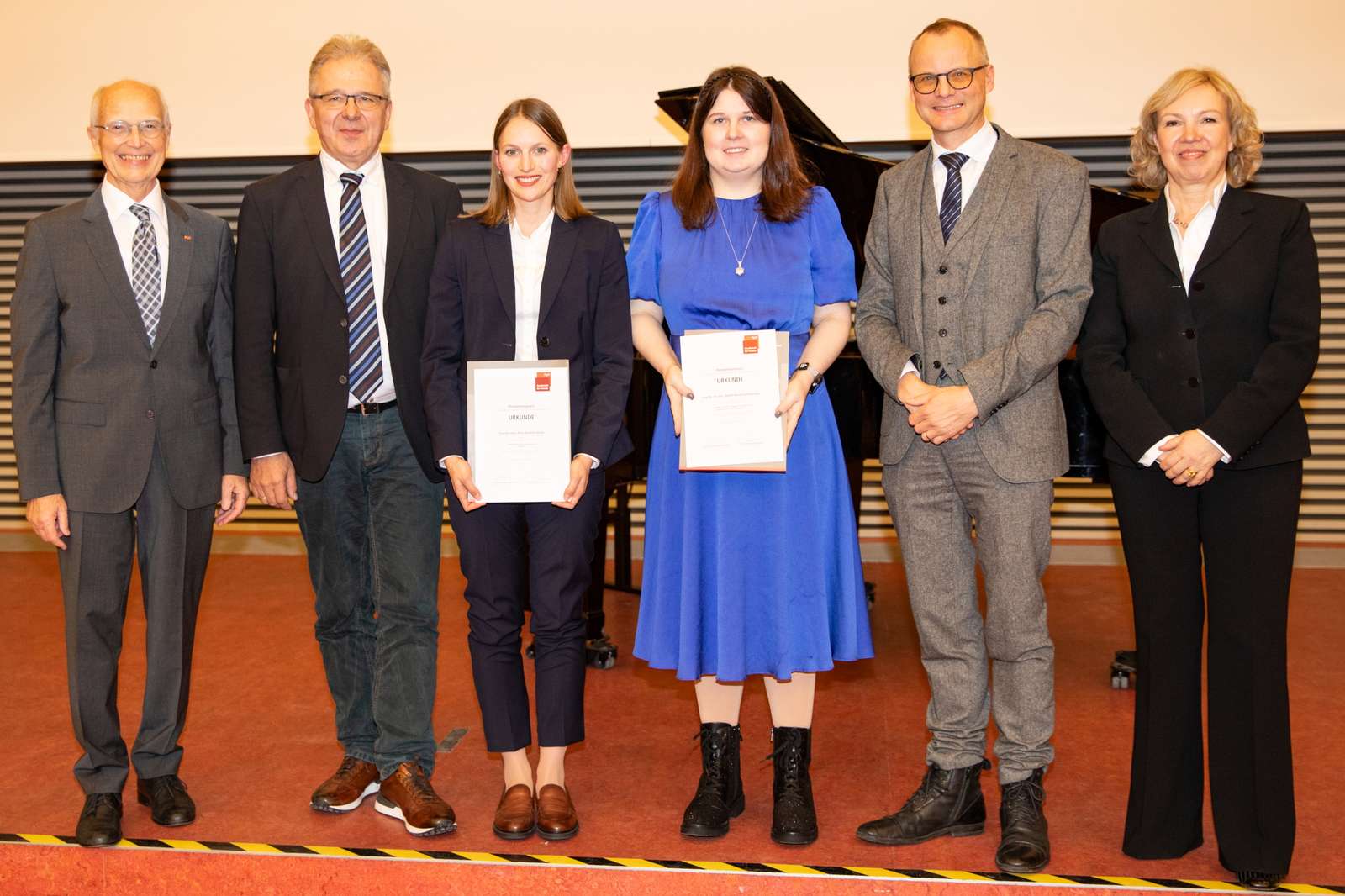
The Society of Friends of the MHH honors two outstanding doctoral candidates twice a year. At the doctoral graduation ceremony last Friday, Prof. Dr. Siegfried Piepenbrock, Chairman of the Gesellschaft der Freunde der MHH e. V., and Dean of Research Prof. Dr. Meike Stiesch presented the award, worth €2,500, to Dr. rer. nat. Sophie Anna Engelskircher and Dr. med. Elisa Marlene Henze. With her work on the effects of hepatitis C on the immune system and potential long-term consequences, Engelskircher, who completed her doctorate at the MHH Clinical Department of Gastroenterology, Hepatology, Infectious Diseases and Endocrinology, impressed the selection committee. Dr. med. Elisa Marlene Henze contributed to a more detailed understanding of the viral entry routes of herpes viruses with her doctoral thesis. >> Read the full report
Rapid test versus late diagnosis
November 18, 2025
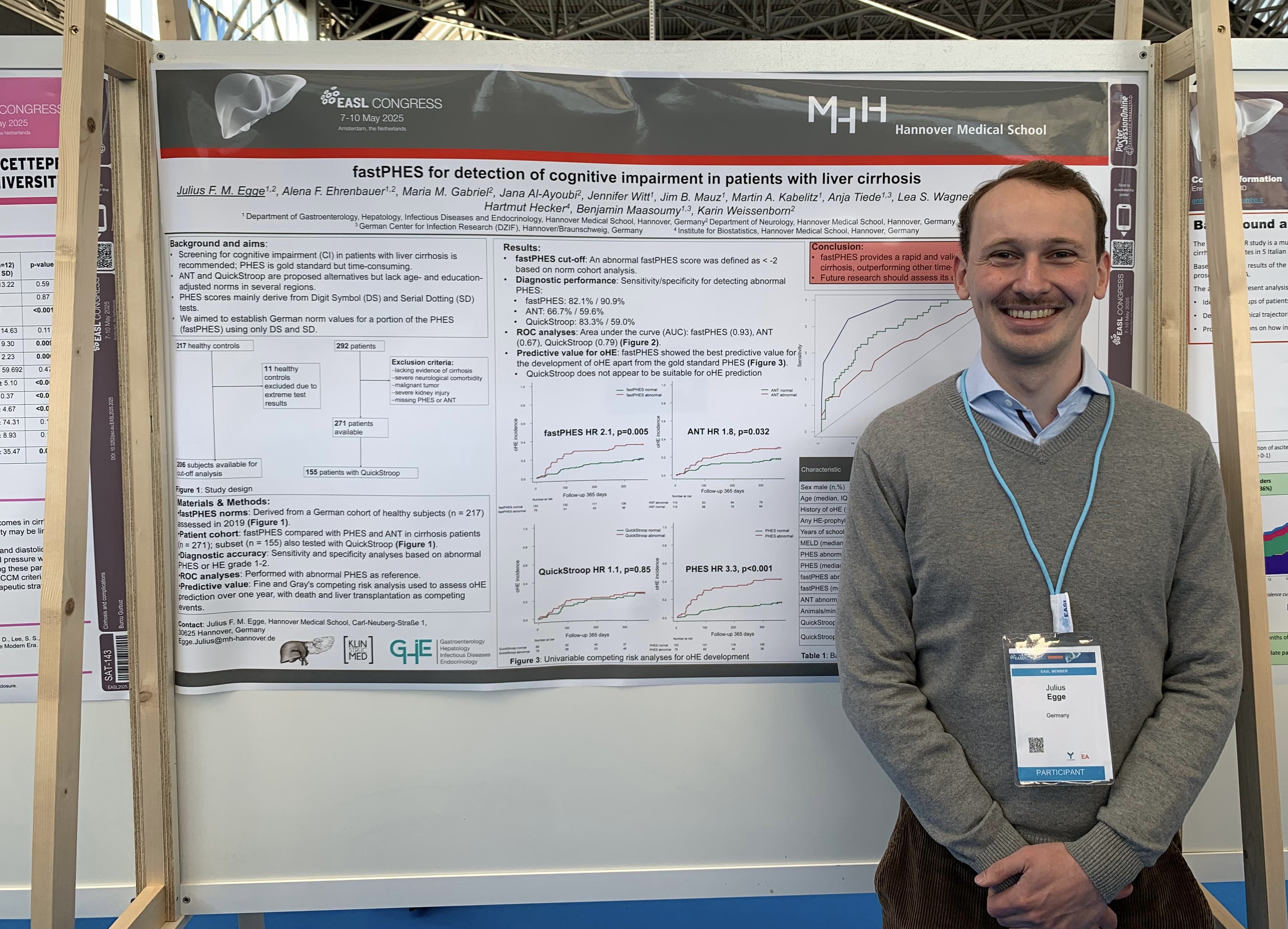
If the liver is not functioning properly, this can also affect the brain. However, the process often progresses insidiously and is difficult to diagnose, especially in the early stages. Thus, the signs of minimal hepatic encephalopathy, a neurological disorder that can occur in cirrhosis of the liver, are often subtle and are frequently masked by the symptoms of other neurological diseases. The result: The neurological disorder is usually detected only late—namely, when it has already significantly worsened. Yet a relatively simple test, developed at MHH some 20 years ago, could help detect the disease early. However, the test takes 15 to 20 minutes and is therefore rarely used in the hectic daily routine of a Clinical Department. Julius Egge, currently a PhD student in a collaborative project between the Department of Neurology and the Clinical Department of Gastroenterology, Hepatology, Infectious Diseases and Endocrinology, is therefore working on a shortened version of the test that is intended to be just as informative as the original. “We are currently testing whether the test remains just as effective if we perform only two sub-tests instead of the previous five,” explains Egge. “This saves time and could help ensure that this diagnostic method is routinely performed in the future.” Thanks to a conference grant from the Friends’ Society, he was able to present his findings to date in May 2025 in Amsterdam—at Europe’s largest hepatology conference, which brought together over 7,500 participants from 119 countries. There, the 26-year-old also established contacts with researchers from France who will participate in the international validation of the abbreviated test in the future. “These contacts are truly invaluable and can only be made in this way at major professional conferences. That’s why I’m very grateful to the Friends Association for this enriching experience,” said Egge.
Virology on the Adriatic coast
August 5, 2025
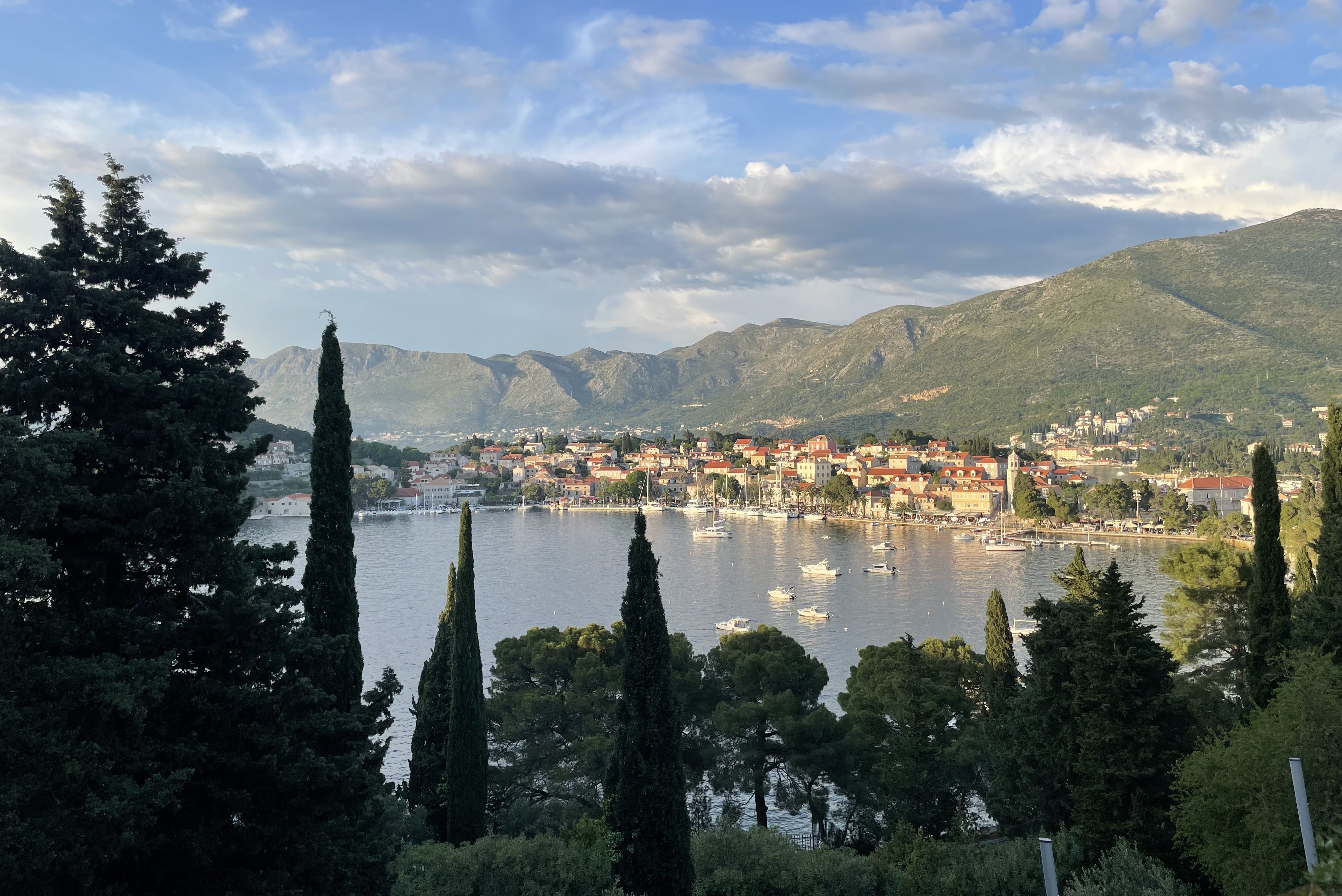
In April, the European Conference on Virology (ECV) was held for the ninth time in picturesque Cavtat, Croatia. There, Natalie Köhler and Frauke Lange from the Institute of Experimental Virology at TWINCORE had the opportunity to present their PhD projects to an international audience thanks to the financial support of the Friends of the MHH. Köhler is working on the identification and characterization of new antiviral agents against coronaviruses as part of her doctoral thesis. Lange presented her research on the hepatitis D virus at the four-day congress. On the Adriatic coast, the two Twincore doctoral students also discussed the latest findings in virology with international researchers. "There were many good conversations and food for thought, and despite the short time, we were able to get in touch with many other scientists," Lange reports on her unforgettable experience.
Cycling for the MHH pediatric cardiology department

June 23, 2025
This year, PSD Bank Hannover eG is once again supporting MHH's pediatric cardiology department with its "HerzFahrt" fundraising campaign and is donating 20 cents to the Society of Friends of MHH for every kilometer cycled as part of the campaign from 6-13 July 2025. In 2024, over 20,000 euros were raised in this way! Anyone and everyone can help to ensure that the result in 2025 is similar or even better, because taking part is very easy: all you need is a bike and the free "PSD HerzFahrt" app (Android & iOS), which measures the distance cycled. If you took part last year, you or your team will still be saved in the app. If not, you can simply download the smartphone app now, register and start cycling happily from 06.07.2025 - with family, friends or colleagues too! By the way: At www.psd-hannover.de/herzfahrt you will not only find all the information and the app, but also suggestions for beautiful bike tours in and around Hanover.
On the trail of antibiotic-resistant bacteria
June 16, 2025
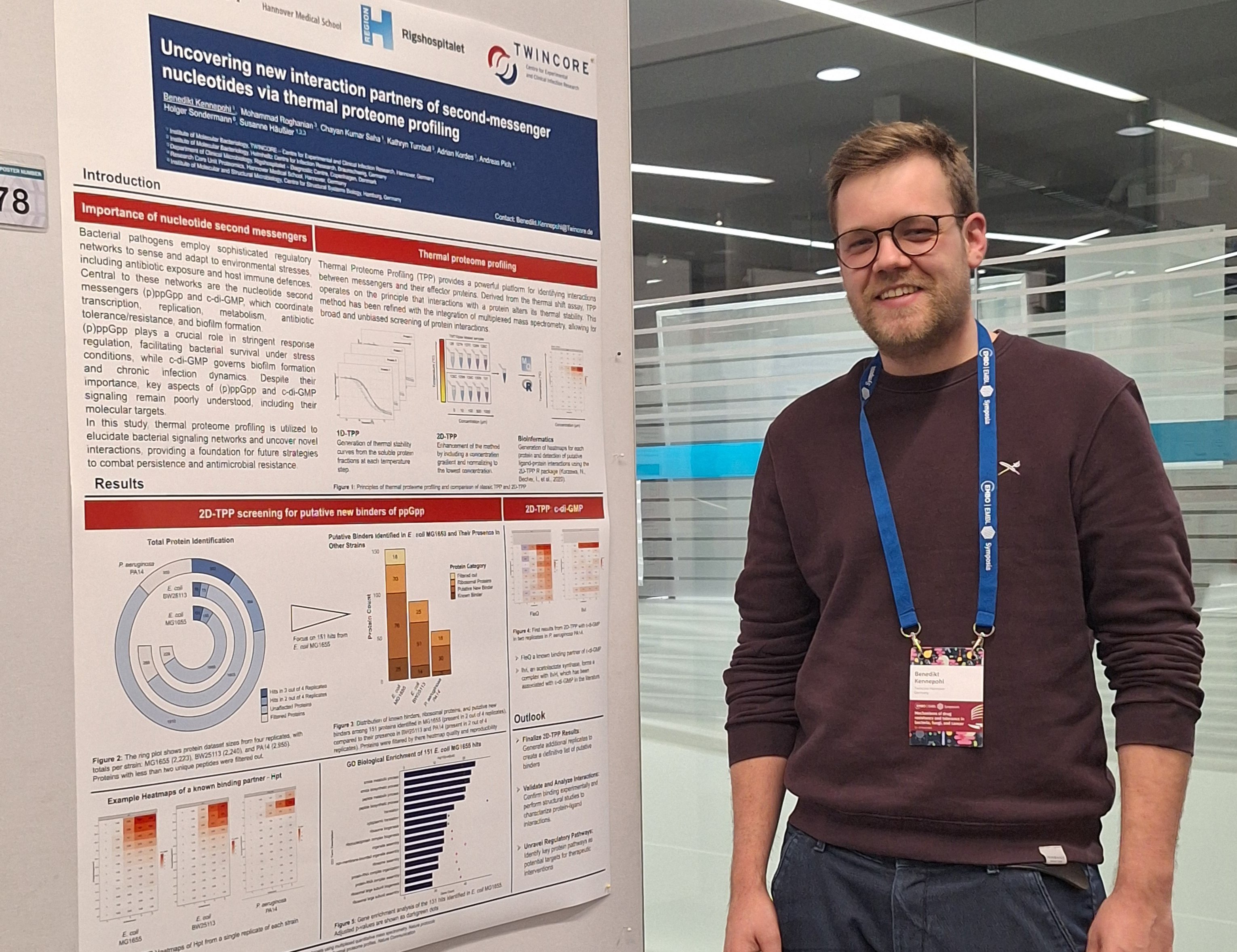
The interdisciplinary conference "Mechanisms of Drug Resistance and Tolerance in Bacteria, Fungi, and Cancer" brought experts from the fields of microbiology, oncology and mycology to Heidelberg in March. The participants spent four days in intensive discussions on the molecular mechanisms of resistance and tolerance. Benedikt Kennepohl, PhD student at TWINCORE (Center for Experimental and Clinical Infection Research), also reported on his research findings in a flash talk and a poster session. His participation in the congress was financially supported by the Society of Friends of the MHH. Kennepohl is investigating new interaction partners of an alarm molecule that plays a central role in the stress response and antibiotic resistance of bacteria. By exchanging ideas with other researchers and gaining insights into the work presented at the conference, he was able to place his findings in a broader biological context. "Although the groups of organisms treated - bacteria, fungi and cancer cells - are very different, it was impressive to see how fundamental resistance mechanisms can overlap," explains Benedikt Kennepohl.
Society of Friends awards two doctoral prizes
June 11, 2025
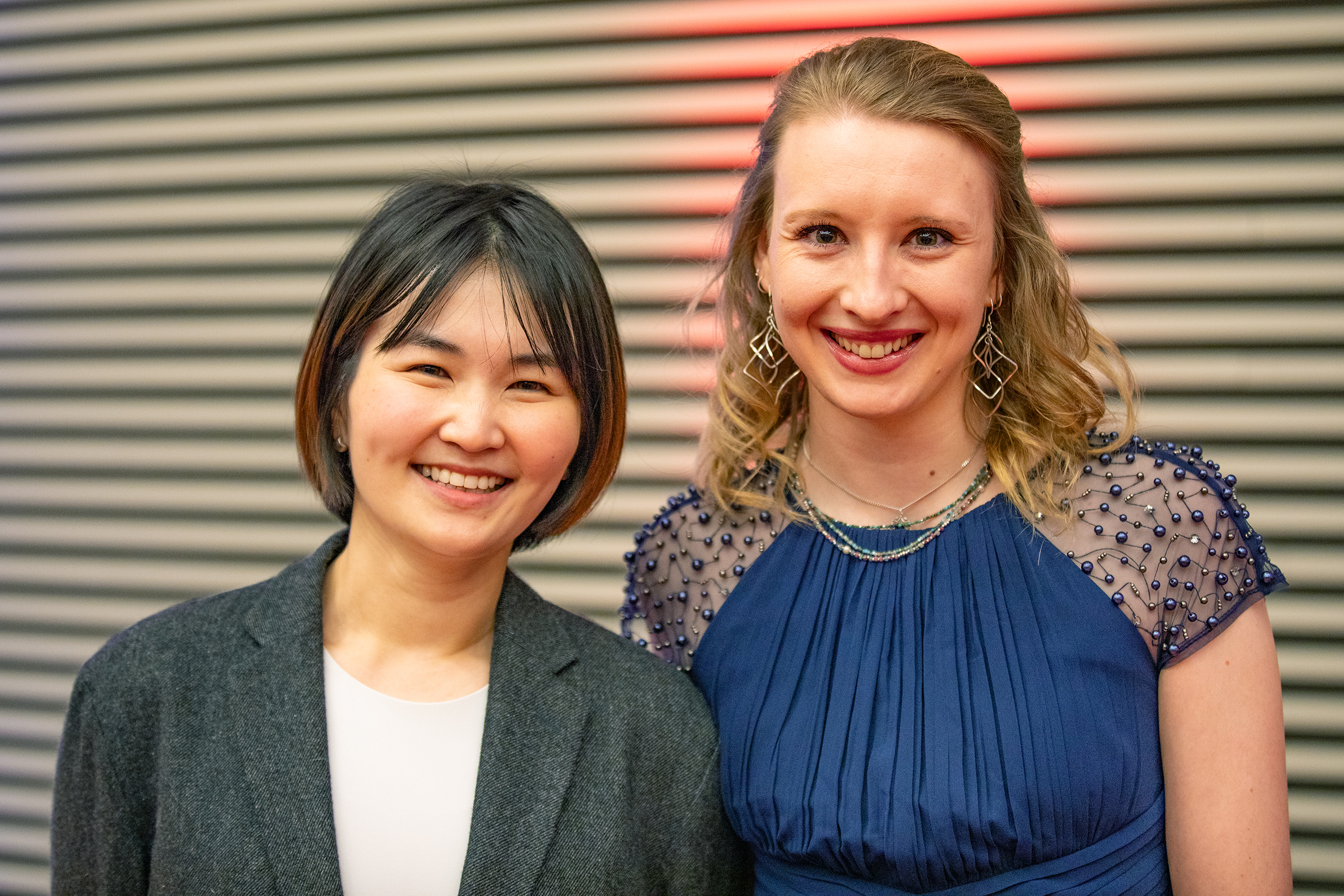
Twice a year, the Gesellschaft der Freunde der MHH honors two outstanding MHH doctoral candidates. Prof. Dr. Dr. Siegfried Piepenbrock, Chairman of the Gesellschaft der Freunde der MHH e. V., presented the awards, each worth 2,500 euros, Dr. med. Shen Zhong, who completed her doctorate at the Institute of Pharmaco- and Toxicogenomics Research at the MHH, impressed the selection committee with her new approaches to personalized, gender-specific therapies for lung cancer. Dr. rer. nat. Linda Steinacher worked on the development of so-called immune organoids, which can recognize the immune-mediated side effects of new active substances at an early stage and will therefore play a role in the development of even more effective drugs. >> to the detailed report
Honorary citizenship for Prof. Dr. Dr. Siegfried Piepenbrock
May 28, 2025
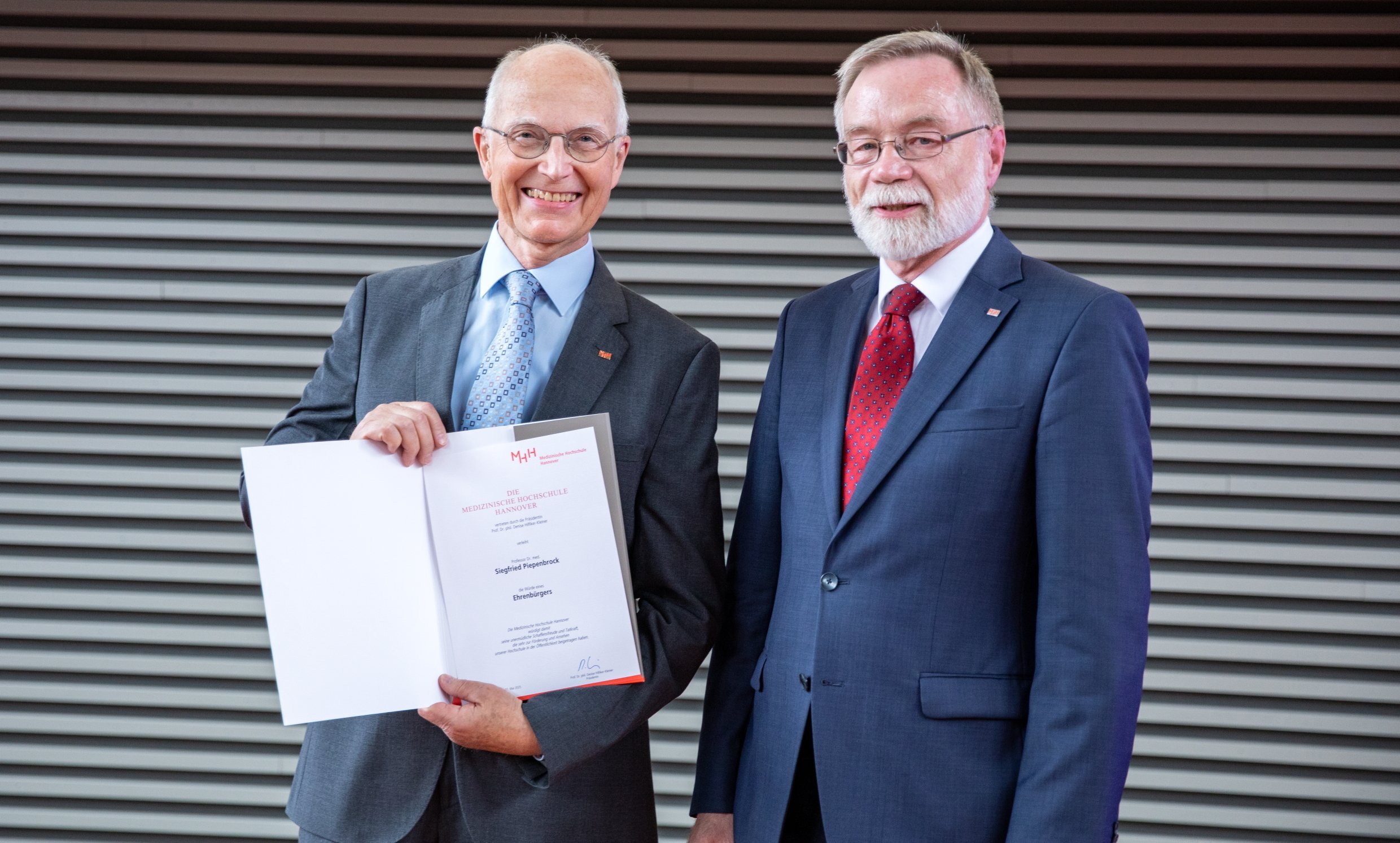
Professor Siegfried Piepenbrock has been committed to networking students, alumni, teaching staff, researchers and external sponsors in a variety of ways for decades. He has now been awarded honorary citizenship of the MHH for this extraordinary commitment and service to the university as part of the 60th anniversary celebrations. A lively university network with all its benefits was always a priority for Prof. Piepenbrock - even or especially across association boundaries. During his 19-year tenure as Chairman of MHH-Alumni e.V., he advocated closer cooperation between MHH-Alumni e.V. and Gesellschaft der Freunde der MHH e.V. and personal networking between the two board committees. In 2021, he himself was elected Chairman of the Board of the Gesellschaft der Freunde der MHH e.V.. He was also involved in the establishment of the Förderstiftung MHH plus foundation in 2009 and is still active on the foundation board as deputy chairman. As Chairman of the Board of the GdF, he oversaw the strategic realignment of the association. The event series "New Minds - New Perspectives" was introduced in cooperation with the Hanover district office of the Lower Saxony Medical Association and the clinic tour format, which gives members exclusive insights into different areas of MHH, was taken up again. Prof. Dr. Piepenbrock has always been particularly concerned about the next generation of scientists and physicians. This is why the congress scholarship from the Gesellschaft der Freunde e.V. offers doctoral students financial support to present their research at national and international congresses. We are delighted that our first chairman has been made an honorary citizen!
Young bioinformatician researches hospital bacteria
May 14, 2025
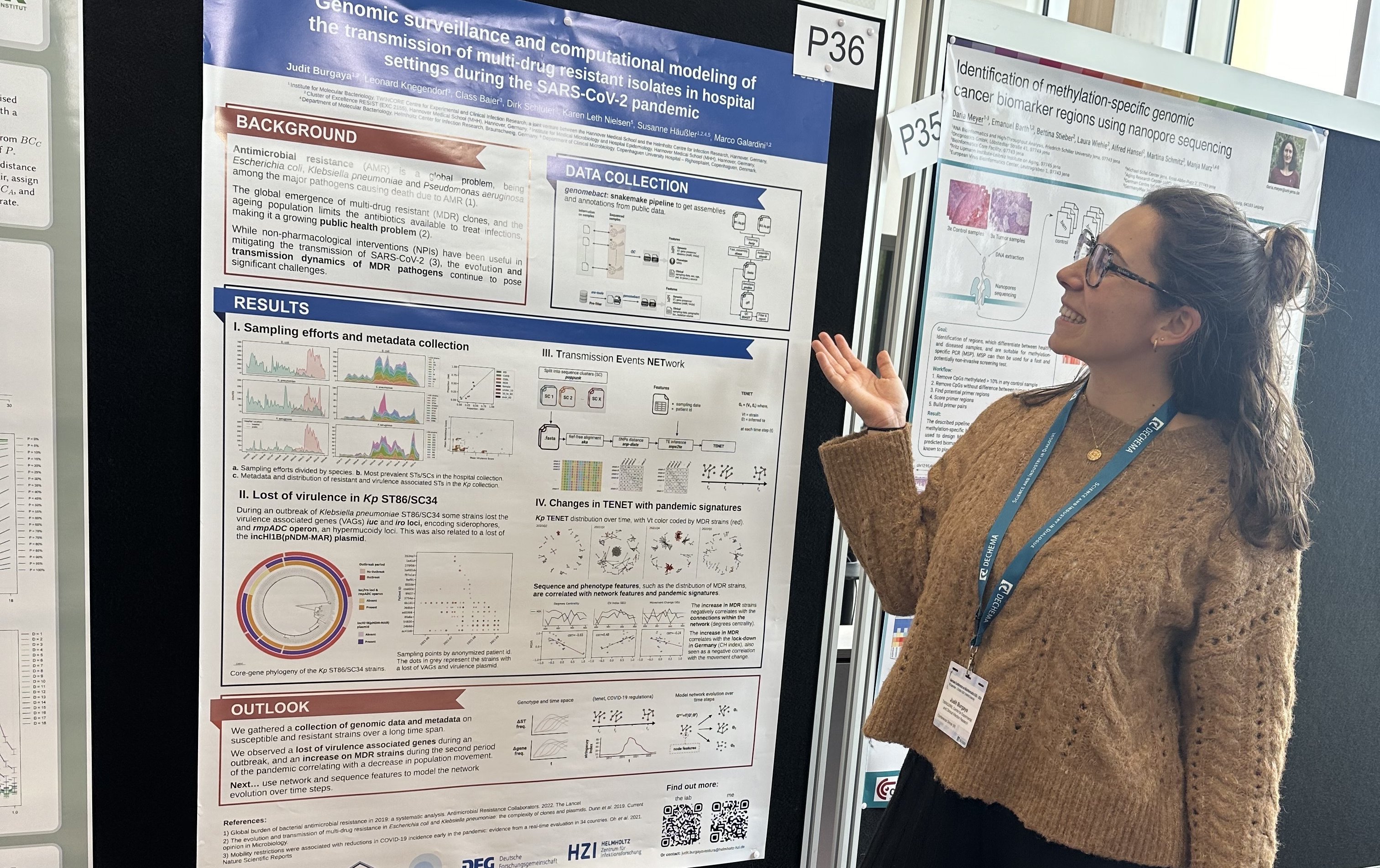
At the German Bioinformatics Conference in Bielefeld, over 250 researchers from all areas of bioinformatics came together to discuss the latest developments in this field. Among them was Judit Burgaya Ventura from the Institute of Molecular Microbiology at Twincore. Thanks to a congress grant from the Society of Friends, she had the opportunity to present a poster on her research work at the conference. Burgaya Ventura is investigating how bioinformatics can be used to understand the behavior of bacterial communities in hospitals. In particular, Burgaya Ventura is interested in their ability to cause disease, their spread and their strategies for adapting and surviving in a hospital environment. The doctoral student received valuable feedback for her work at the conference. "The exchange with other researchers opened up many new perspectives and gave me interesting ideas," says Burgaya Vendura.
Young scientist presents research in L.A.
April 04, 2025
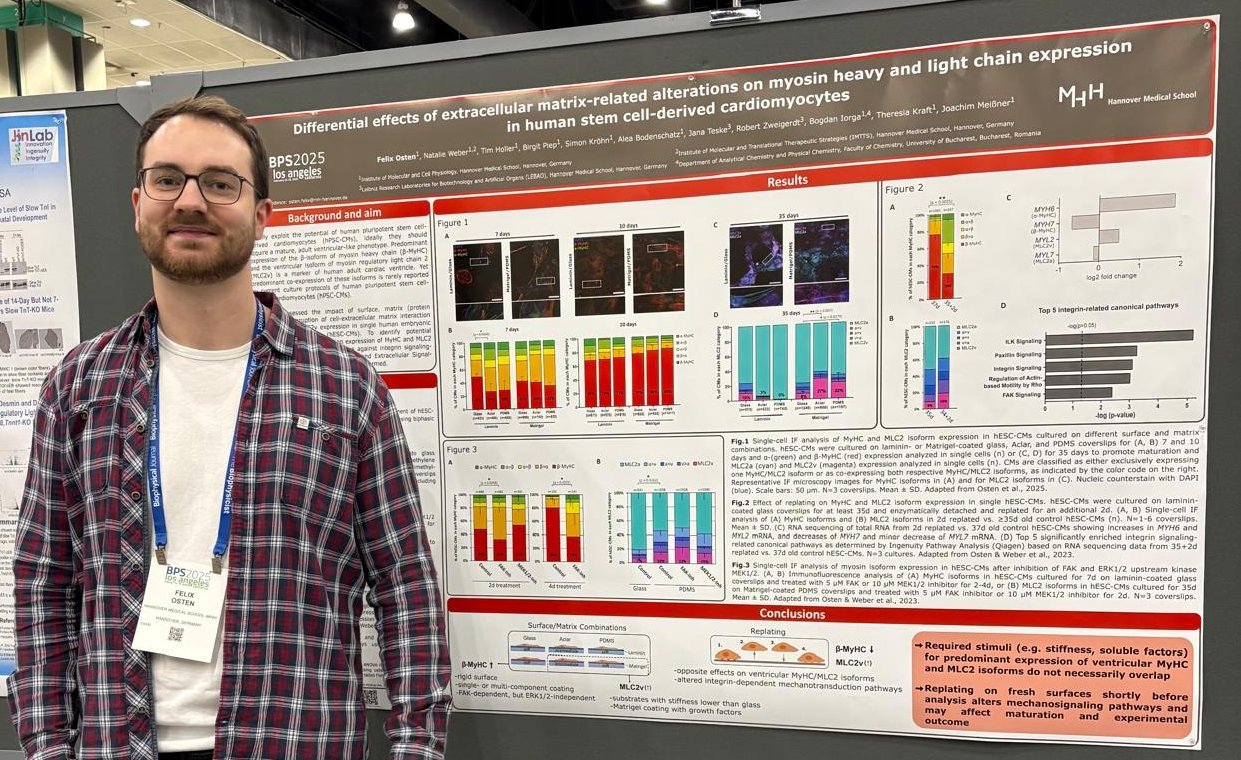
Around 5,000 scientists from the fields of biosciences, physics and computer science met in February at this year's interdisciplinary Biophysical Society Annual Meeting in Los Angeles. Dr. Felix Osten from the Institute of Molecular and Cell Physiology at MHH also travelled to the USA, supported by the Society of Friends, to present a poster about his research. He is investigating the role of the cell environment in the formation of certain heart muscle proteins, the so-called myosin proteins in heart muscle cells. Myosin ensures that the human heart contracts and is therefore the molecular motor that drives heart contraction. Osten's investigations showed that the interaction of the cells with their environment plays an important role in the production of different myosin variants. This finding helps to further optimize models of heart muscle cells from stem cells. Such models are crucial for research into the biology and pathology of the heart and for the development of new therapeutic approaches. Thanks to the interactive nature of the numerous poster sessions, Osten was able to gather many impressions, discuss research results with other scientists and benefit from other perspectives and approaches. "Through the discussions with other scientists, we were also able to make valuable contacts that offer potential for future collaborations," says Dr. Felix Osten.
Choir and orchestra rehearse for anniversary concert
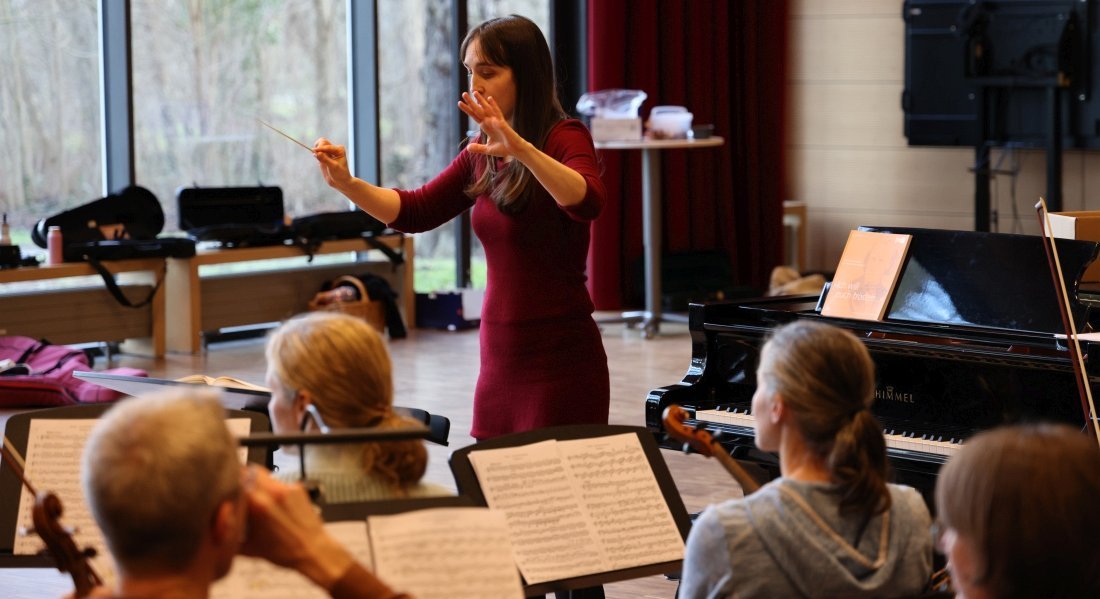
March 28, 2025
To celebrate 60 years of MHH in style, the MHH Choir and the MHH Orchestra are joining forces once again for a special concert experience. On March 30, they will present famous works from the Romantic period as part of an anniversary concert in the Neustädter Hof- und Stadtkirche. In preparation for this special project, the choir and orchestra went on a rehearsal weekend together for the first time. The members of the ensembles came together at the Landesakademie Niedersachsen in Wolfenbüttel in March to work on the anniversary program in peace and quiet.
>> to the full report on the choir and orchestra and the rehearsal weekend.
Awards for the best Master's degrees
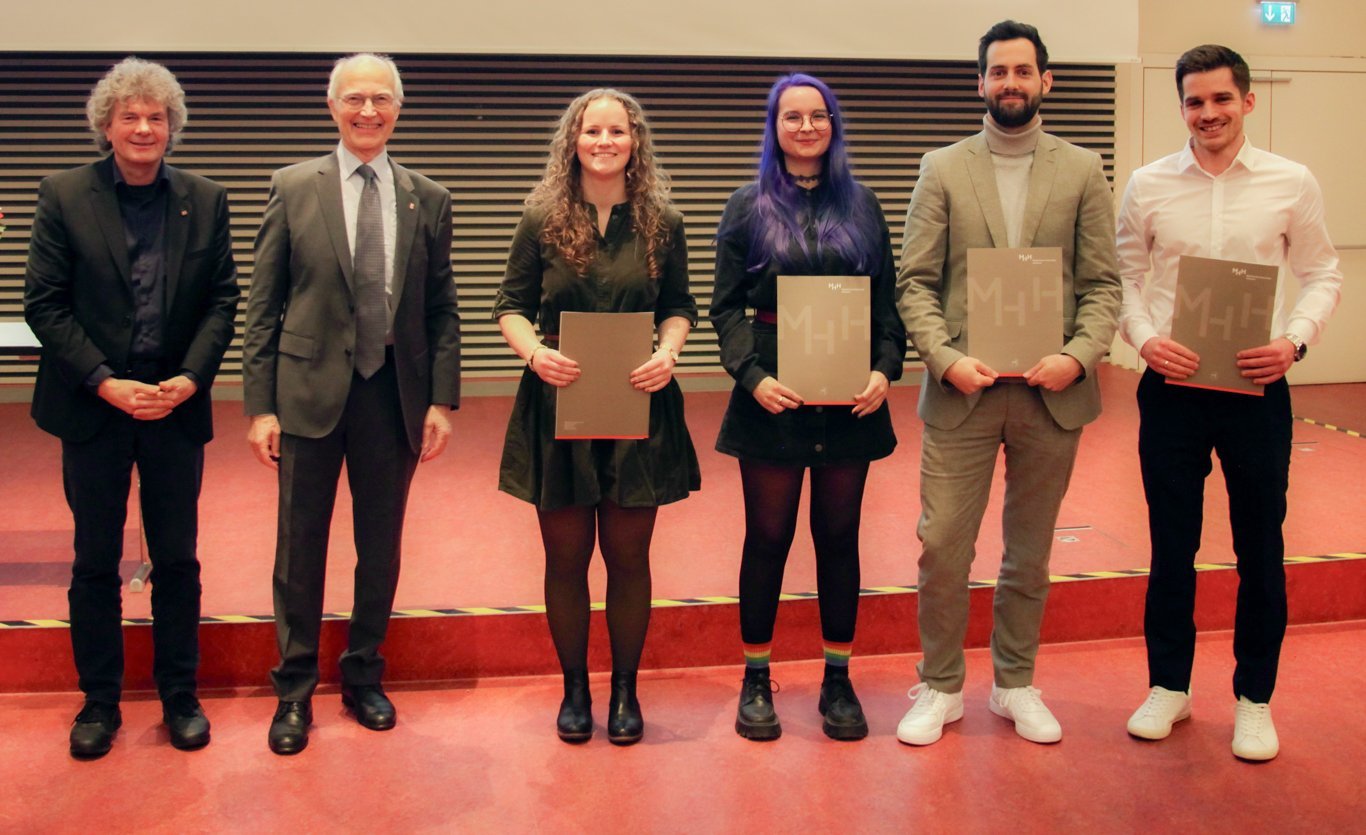
February 13, 2025
Last Thursday, 43 graduates of the Master's degree programs in Biochemistry, Biomedicine and Biomedical Data Science celebrated their graduation with family and friends in Lecture Hall F. The event with around 200 guests, atmospheric music and celebratory speeches was also a successful setting for the award ceremony for the best graduates by the Society of Friends of MHH. Jan-Phillipp Gerhards and PD Dr. Stephan Traidl were delighted to receive 300 euros each as the best graduates in Biomedicine and Biomedical Data Science respectively. Vanessa Vollmer and Jule Hupfeld shared the Teruko Tamura Niemann Memorial Prize with equal achievements. The Hans-Heinrich Niemann Memorial Prize was awarded to Niklas Viohl, who was unfortunately unable to attend the award ceremony. The latter two prizes are awarded for the best degree in biochemistry in the summer and winter semesters and are endowed with 1,000 euros each. The certificates were presented by GdF Chairman Prof. Siegfried Piepenbrock and his deputy Dr. Eckhard Schenke.
GdF awards two doctoral prizes
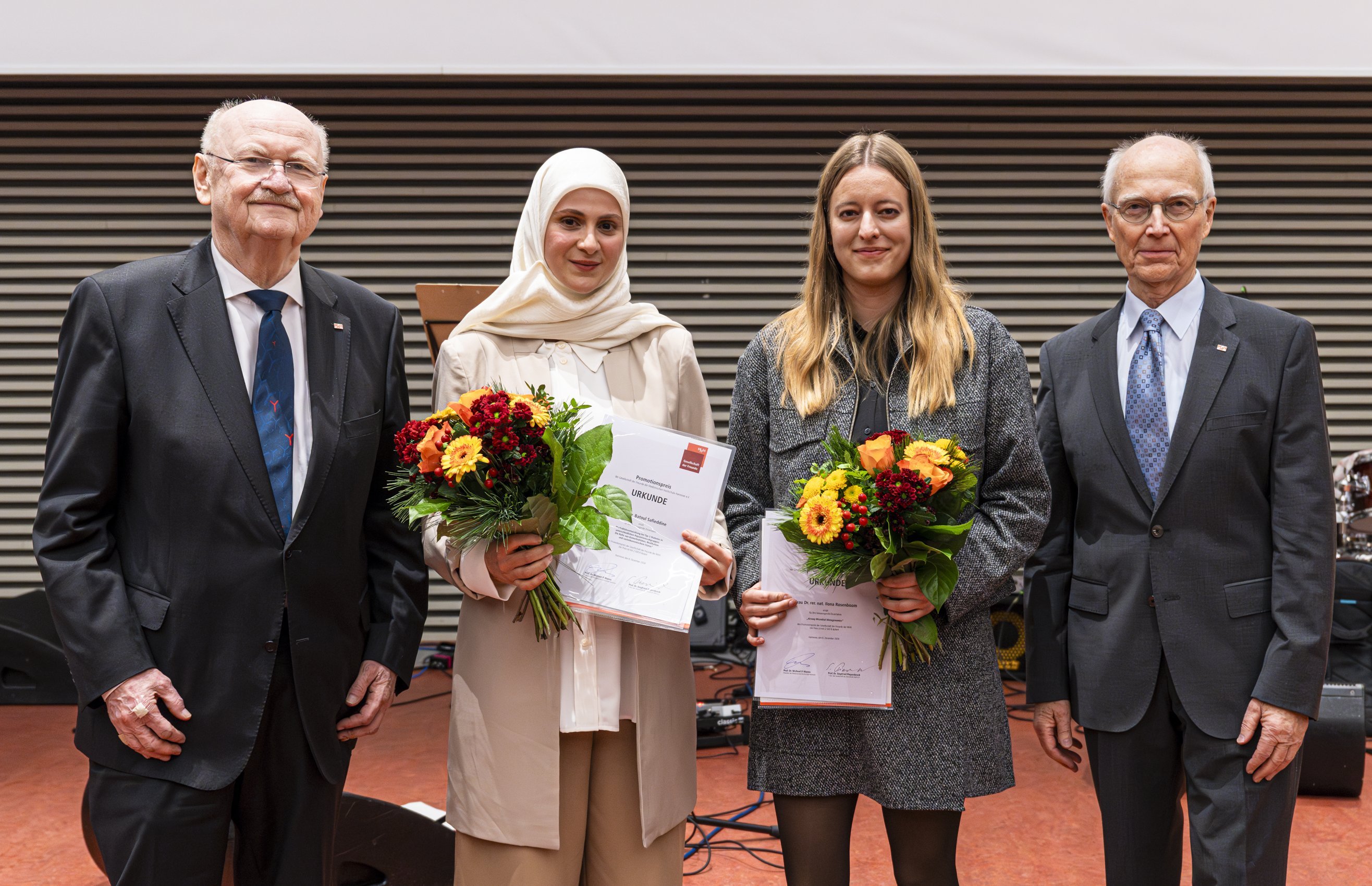
December 11, 2024
Twice a year, the Society of Friends of MHH honors the two best doctoral candidates at MHH. This time, MHH President Prof. Dr. Michael Manns and GdF Chairman Prof. Dr. Siegfried Piepenbrock honoured biochemist Dr. Ilona Rosenboom and Dr. Batoul Safieddine, who completed her doctorate at the Institute of Medical Sociology, at the MHH doctoral ceremony. While Rosenboom convinced the selection committee with the development of a comprehensive software package for the quantitative detection of viruses, bacteria and fungi at species level, Safieddine had investigated the development of morbidity in people with type 2 diabetes (T2D) in Germany. Both scientists prevailed in a highly competitive field of ten applications. The two doctoral prizes are endowed with 2,500 euros each. >> to the detailed report
14,000 euros for Parkinson's research
December 5, 2024
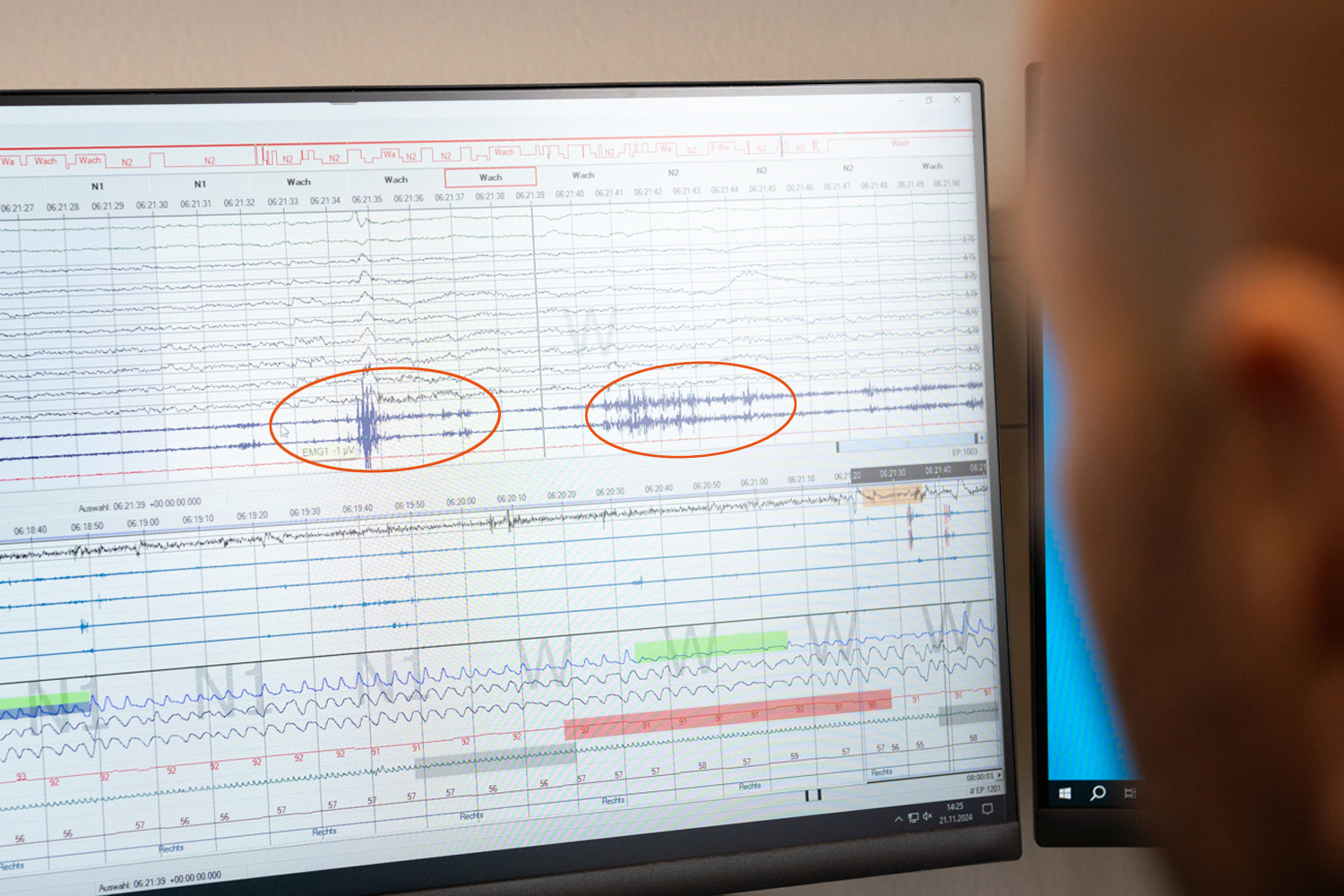
In order to track down the causes of Parkinson's disease, which is currently incurable, it is important to be able to examine and observe patients at the earliest possible stage. But this is precisely where the major challenge lies. The diagnosis is usually only made when significant neurological deficits have already occurred. For this reason, the Society of Friends of the MHH provided 14,000 euros last year to support the establishment of a cohort of patients with REM sleep behavior disorder. After all, if you move around excessively during REM sleep, fidgeting or even thrashing about, this can be an early sign of Parkinson's disease. Dr. Martin Klietz and Dr. Matthias Höllerhage from the Clinical Department of Neurology are taking advantage of this fact to identify suitable test subjects for a Parkinson's study.
"Those affected usually make initial contact with us via our website," explains Dr. Klietz. "We explain what REM sleep behavior disorder is all about and provide a self-test." Anyone who answers "yes" to more than five of the questions is encouraged to have their own sleep behavior checked for one night using video polysomnography. "To do this, we fit the test subjects with a measuring device that uses a whole series of electrodes to record eye movements, brain waves and muscle tension, for example. We also install a camera that documents movement behavior in the dark," says Dr. Klietz. During REM sleep, the muscles should actually be completely relaxed. However, during this phase, those affected show clear muscle tension, which can be seen in the curves even when no movement is visible on the camera images.
Five to ten people currently register via the website every month. Around one in two is invited to observe their sleep. "It was different in the initial phase, when we didn't yet have the website and the self-test," says Dr. Klietz. "Only around 10% of those who contacted us really matched our criteria catalog." Dr. Klietz has already been able to identify 20 patients with a confirmed diagnosis of REM sleep behavior disorder in just under a year. Once a diagnosis of REM sleep behavior disorder has been made, those affected are offered a detailed medical assessment in the Clinical Department of Neurology. In addition, participants are asked to provide biosamples for research so that further tests can be carried out in the laboratory. It is hoped that this will one day enable the causes of Parkinson's disease to be determined and approaches to a cure to be identified.
Two PhD students attend conference in Finland
November 29, 2024
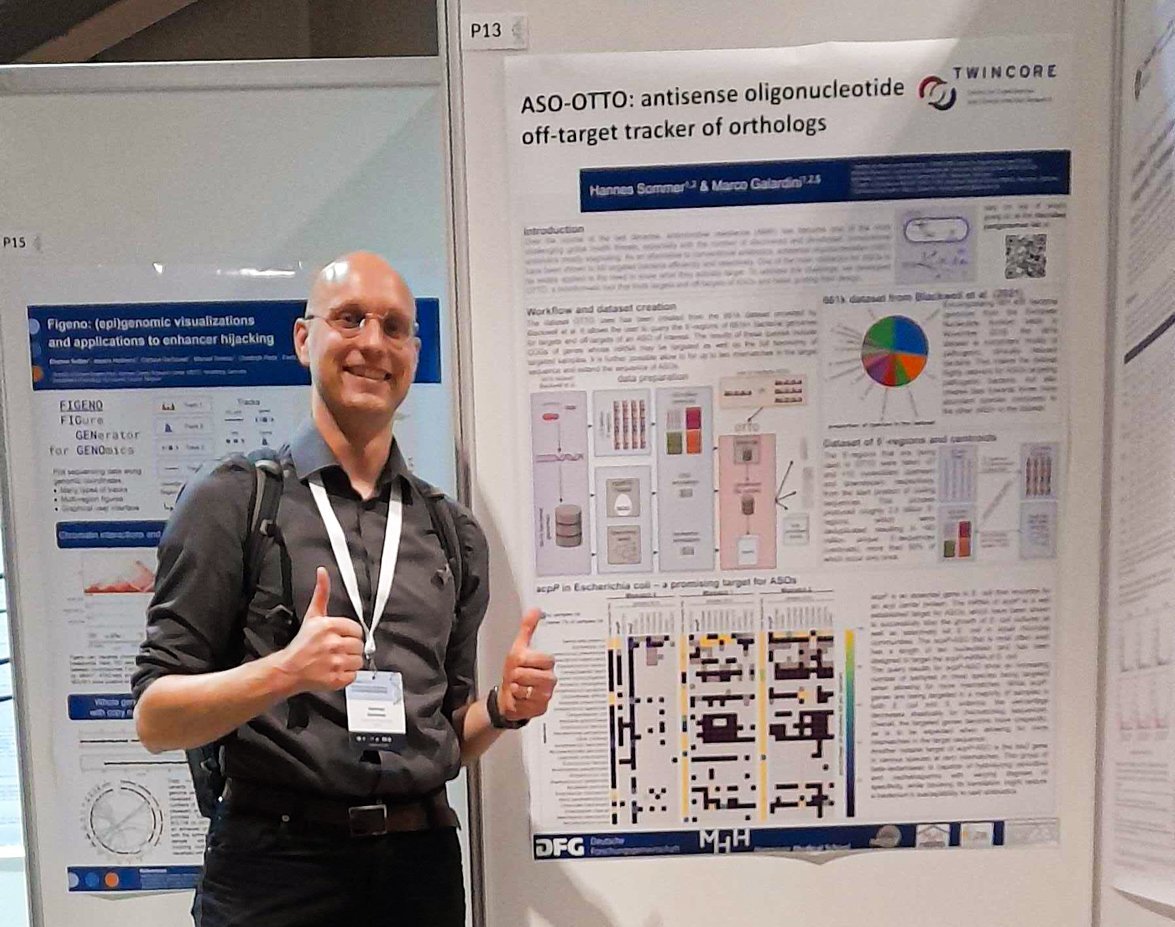
With more than 400 posters on display, the European Conference on Computational Biology (ECB24), which took place in Turku in September, offered more than 750 scientists from over 50 countries a diverse overview of the latest algorithmic developments in medicine and biology. The two PhD students Nicolai Böker and Hannes Sommer also traveled to Finland to present their research. They received financial support from the Society of Friends of the MHH. They received financial support from the Society of Friends of MHH. Nicolai Böker from the Institute of Computational Virology (TWINCORE) presented his doctoral project, which focuses on the discovery of new RNA viruses, to the congress participants. Part of his research involves training a deep learning model to identify new viruses in mass data. Deep learning, a branch of machine learning, involves processing large amounts of data in order to recognize patterns and gain insights and predictions. The multi-layered neural networks used in this process are modeled on the way the human brain works. Hannes Sommer from the Institute of Molecular Bacteriology (TWINCORE) also presented his current research at the congress, which focuses on antisense oligonucleotides (ASO). These are being developed as an alternative to conventional antibiotics, as they are also able to kill bacterial pathogens. However, as certain ASOs only ever work against certain bacteria, Sommer is developing a computer program that identifies the "pairings". Sommer and Böker both returned to Hanover highly motivated, with new ideas and food for thought in their luggage. Böker looks back particularly positively on the encounters with like-minded researchers. "No one holds back their knowledge, everyone is curious and receptive to new things, regardless of their origin or background. That's why conferences, where you can exchange ideas and meet all these people, are perhaps the best part of the doctorate," says Böker.
Stem cell research under the Greek sun
November 15, 2024
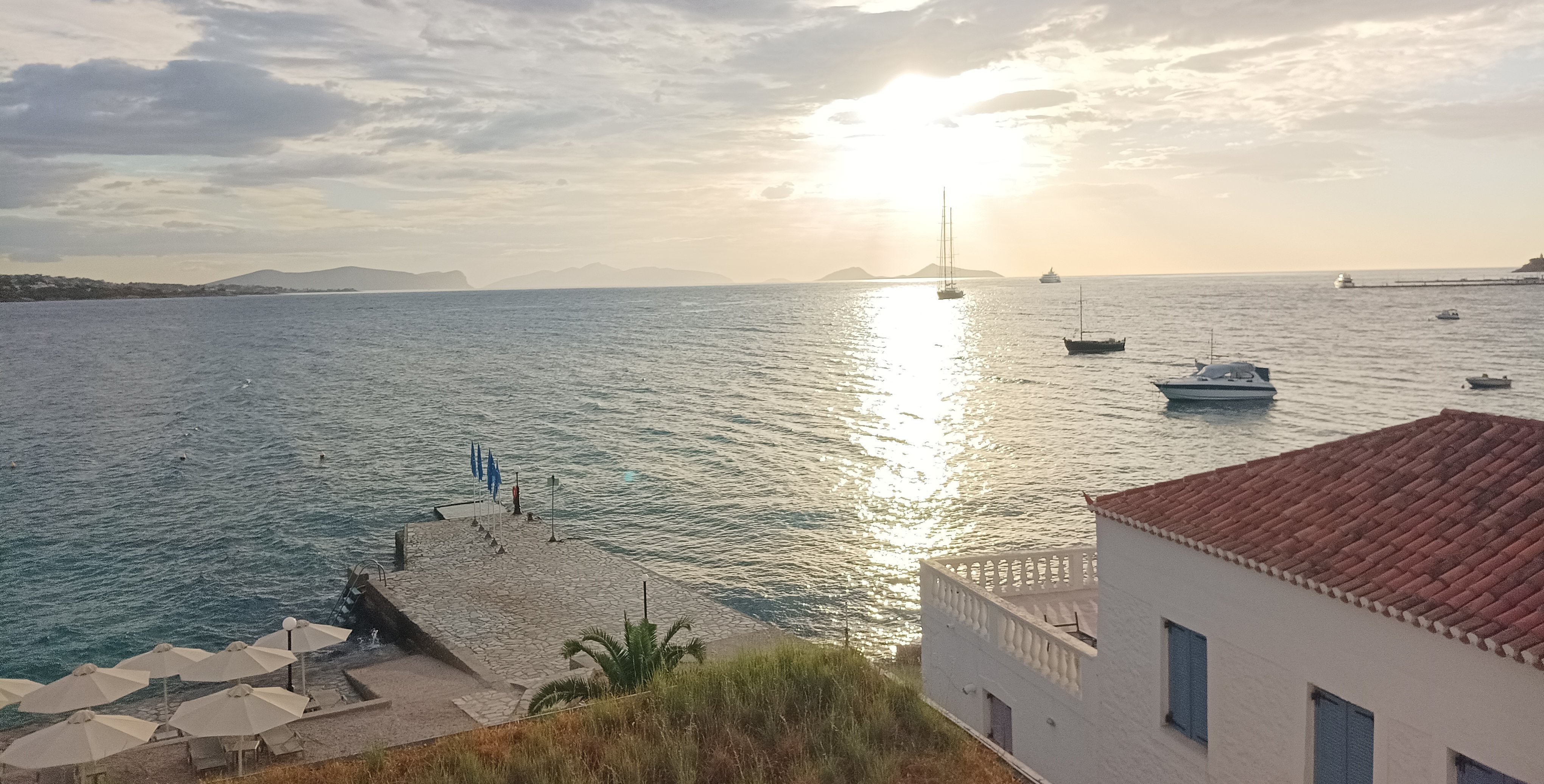
In September, the "European Summer School on Stem Cell Biology and Regenerative Medicine" took place for the 19th time on the Greek island of Spetses. However, the sun and sea were almost a minor matter, as the 52 participating PhD students and postdocs had one thing in mind above all: to spend a week learning about the basics and latest developments in the field of stem cell research from leading researchers. Ayse Boese, who is currently doing her doctorate at the Institute for Molecular and Translational Therapies at the MHH, also traveled to Greece with the help of a congress scholarship from the Society of Friends. Boese is researching how heart damage caused by chemotherapy can be treated effectively and was able to present her findings at the Summer School. She has since returned to Hanover highly motivated. "The exchange with the participants and the insights into their research results were inspiring. There was also an informal atmosphere and plenty of opportunities to discuss your own research with the lecturers. That was really helpful," says Boese. "I am glad that I was able to have this unique experience and make important contacts in the field of stem cell research."
Clinic tour in radiotherapy
November 12, 2024
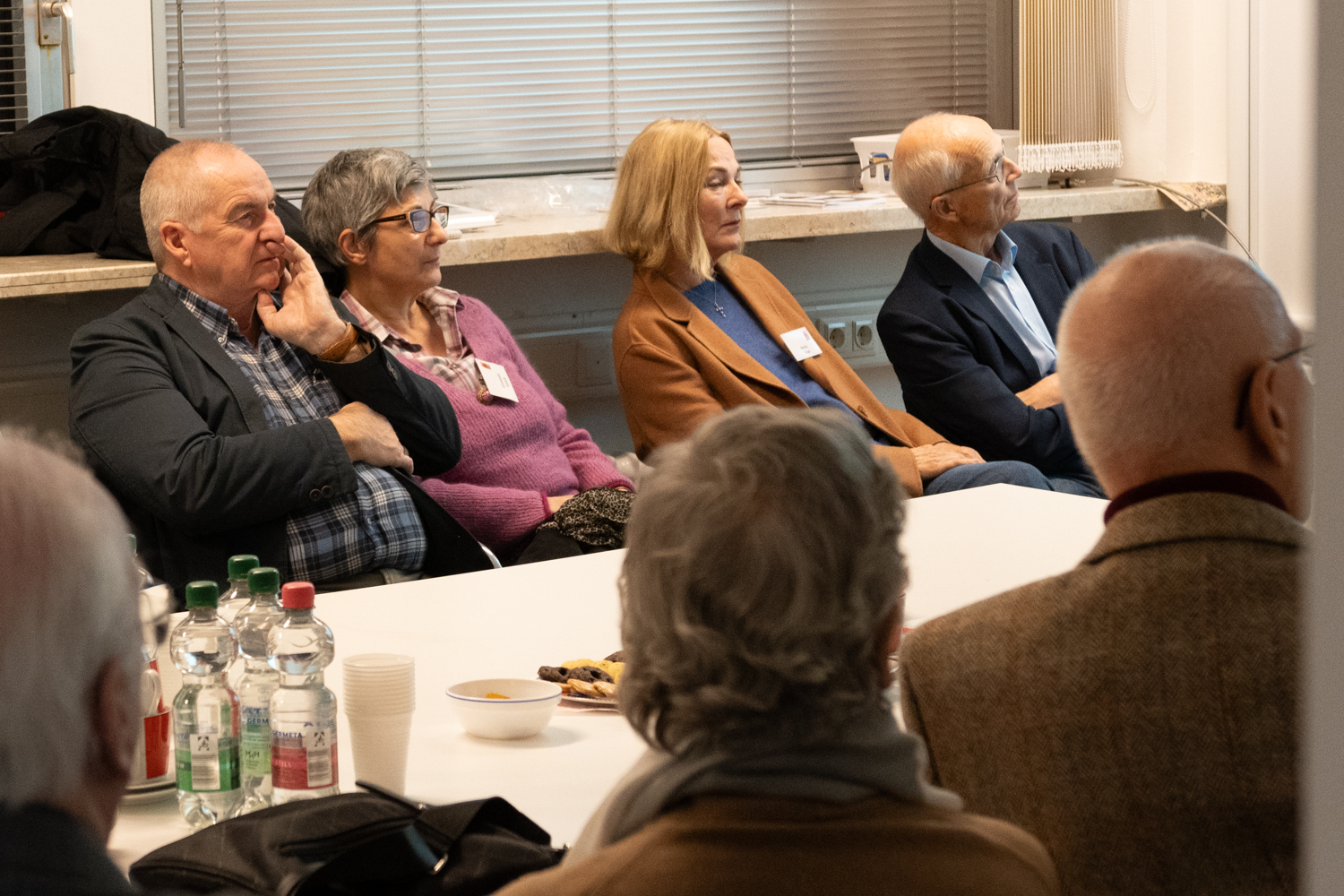
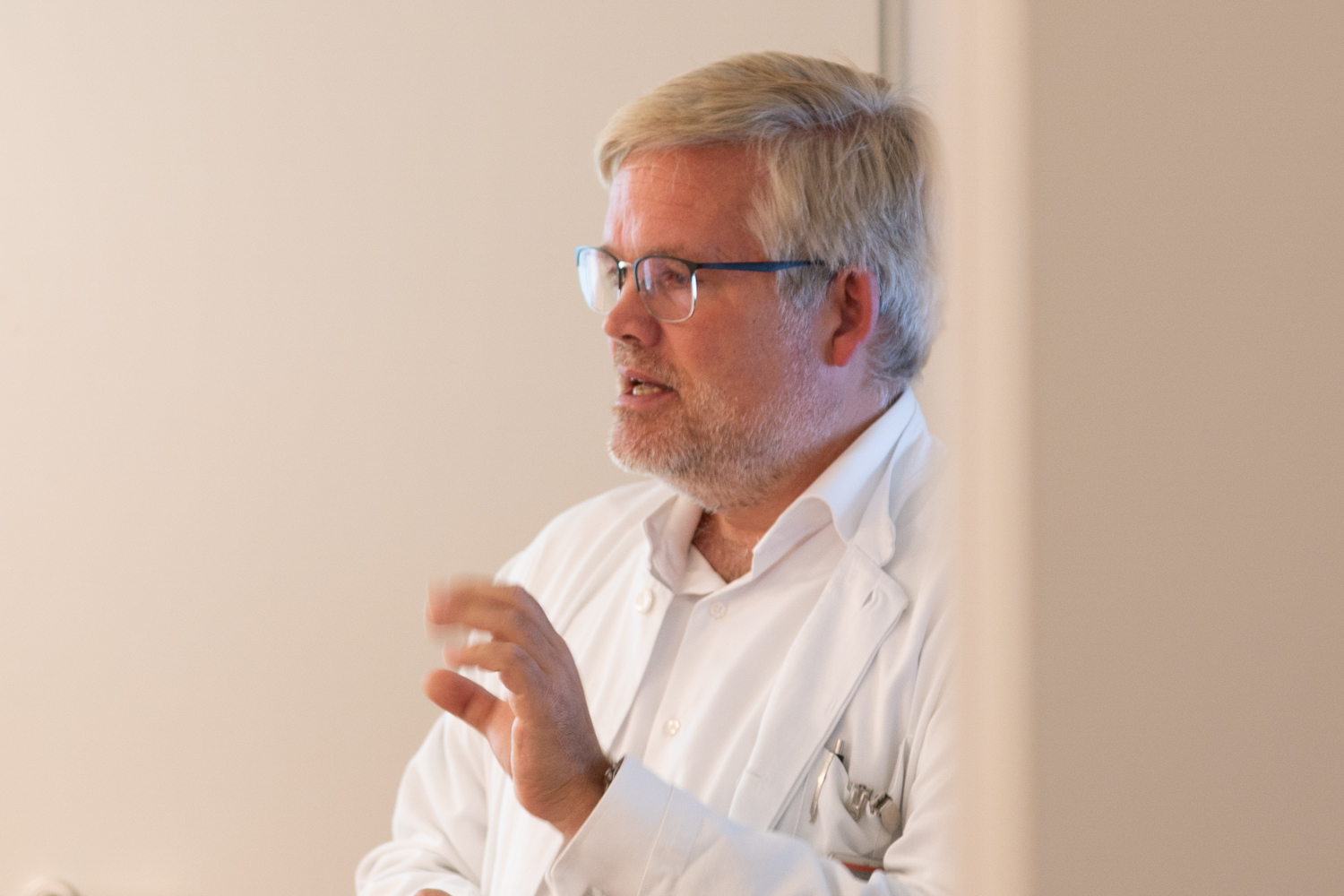
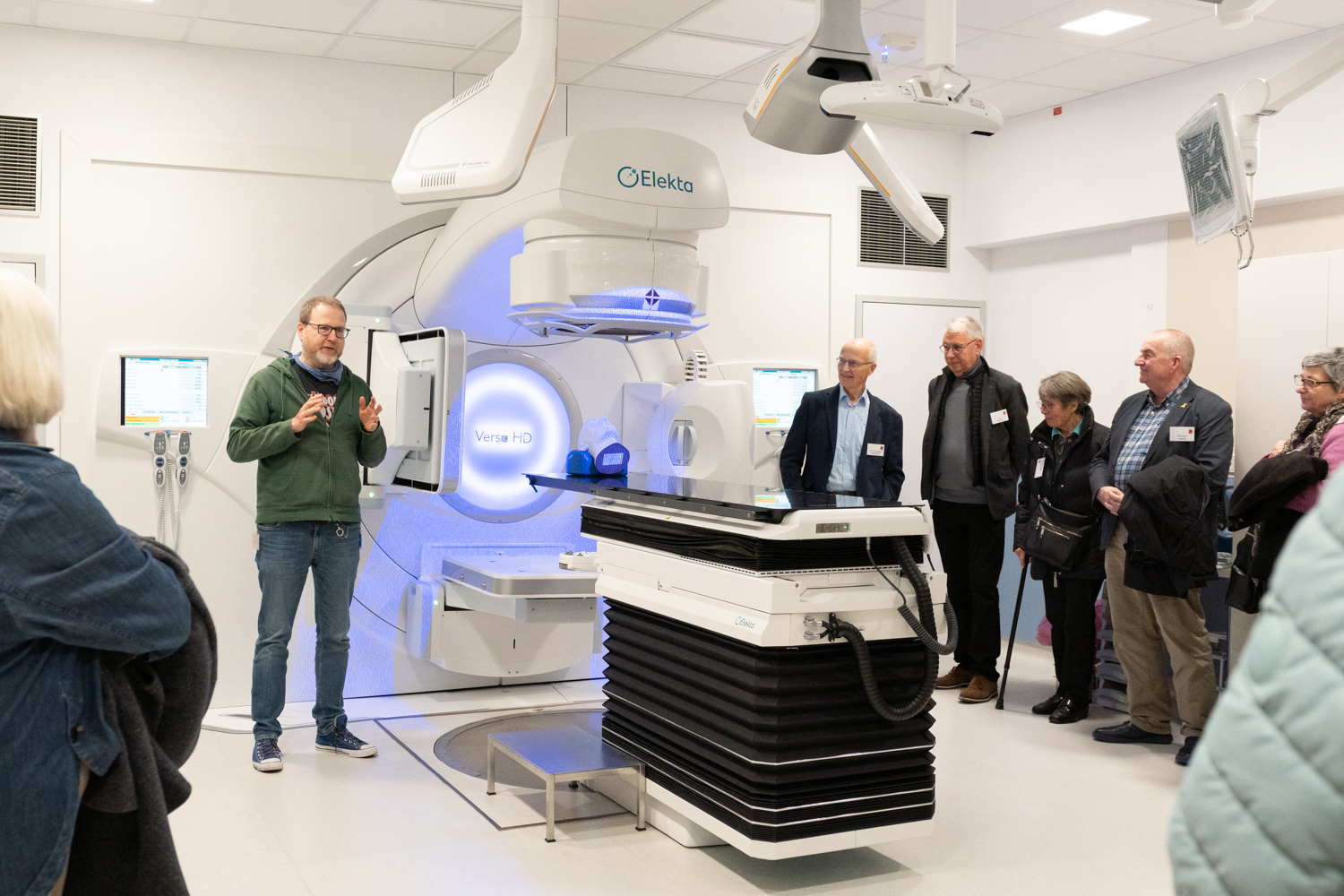
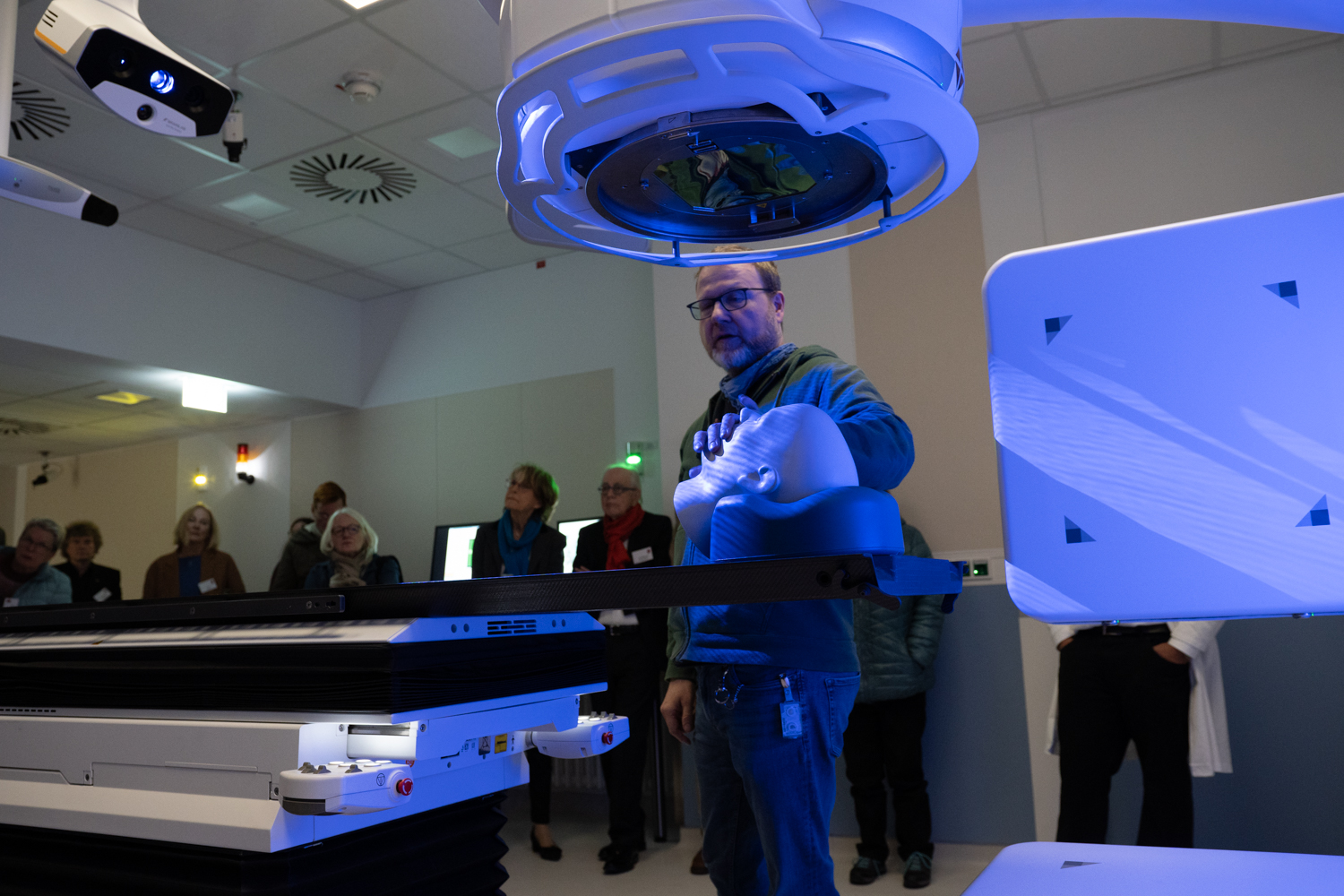
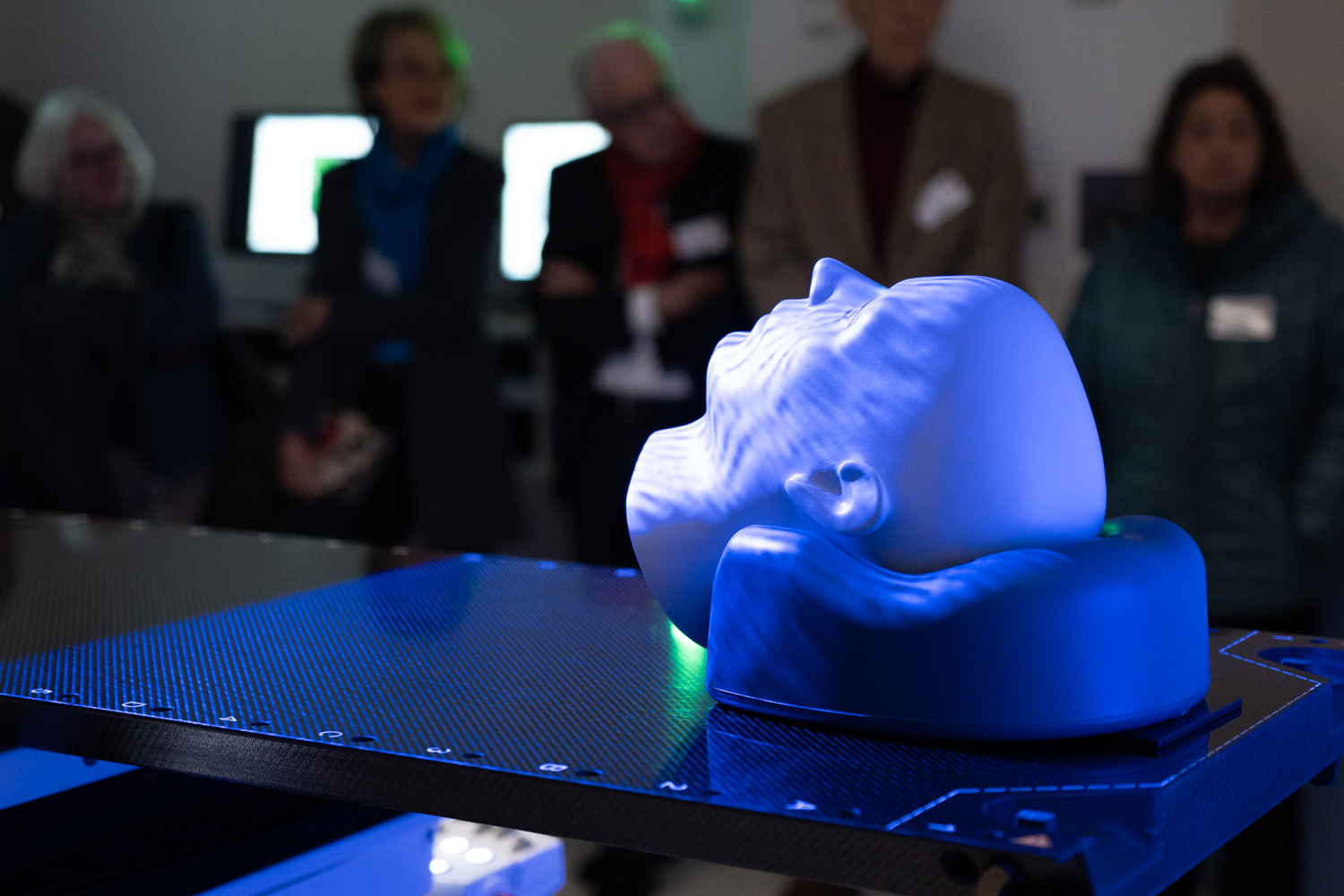
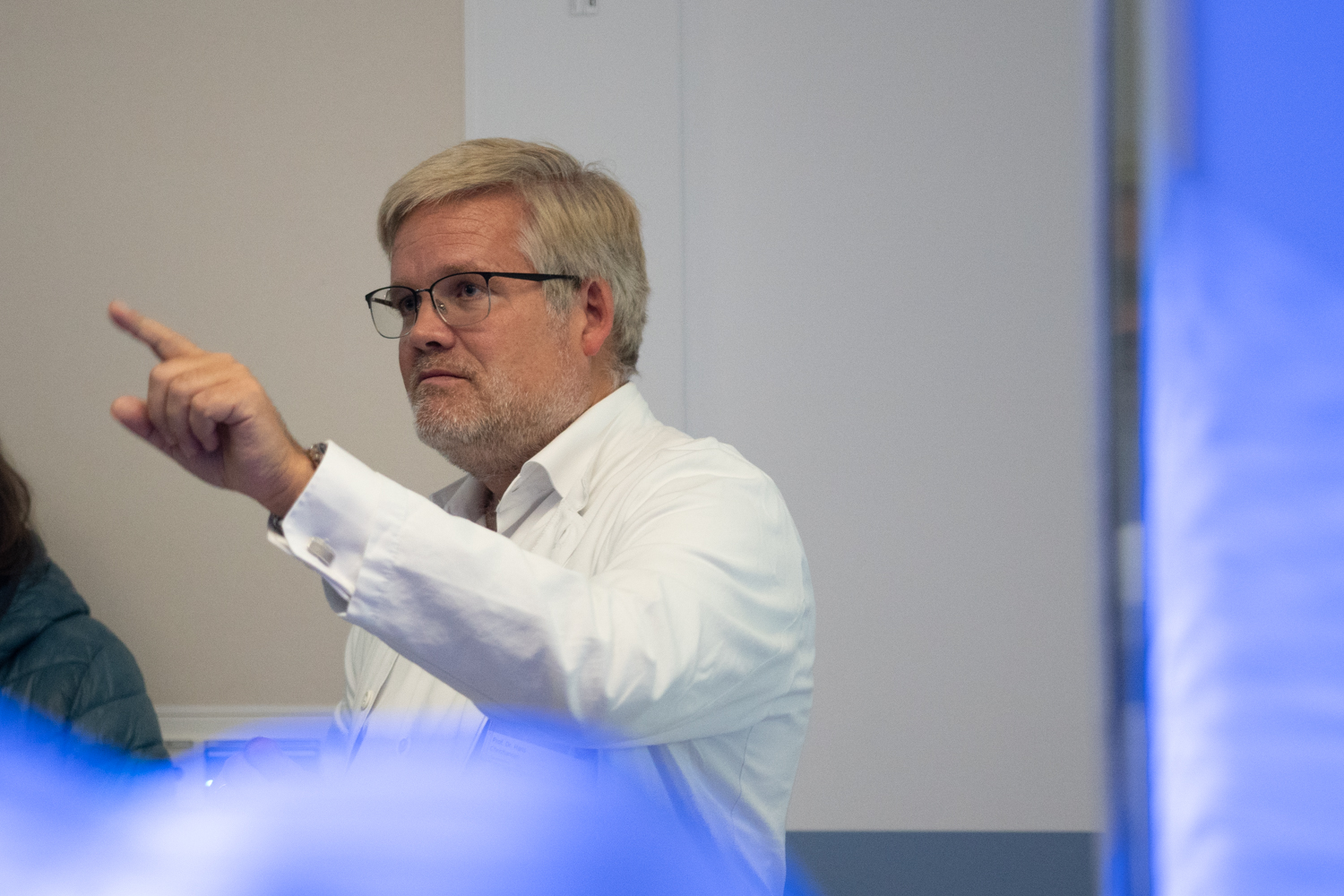
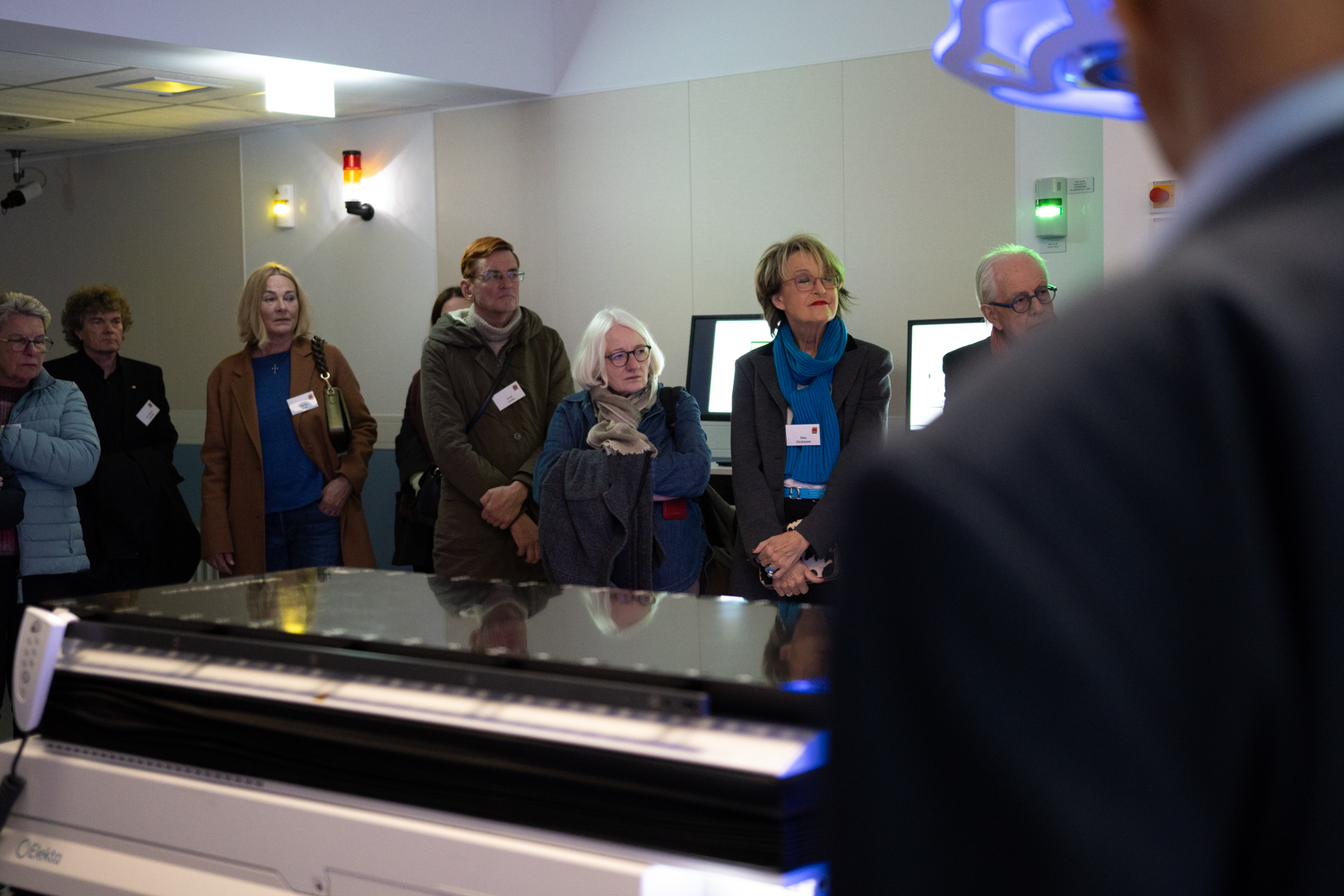
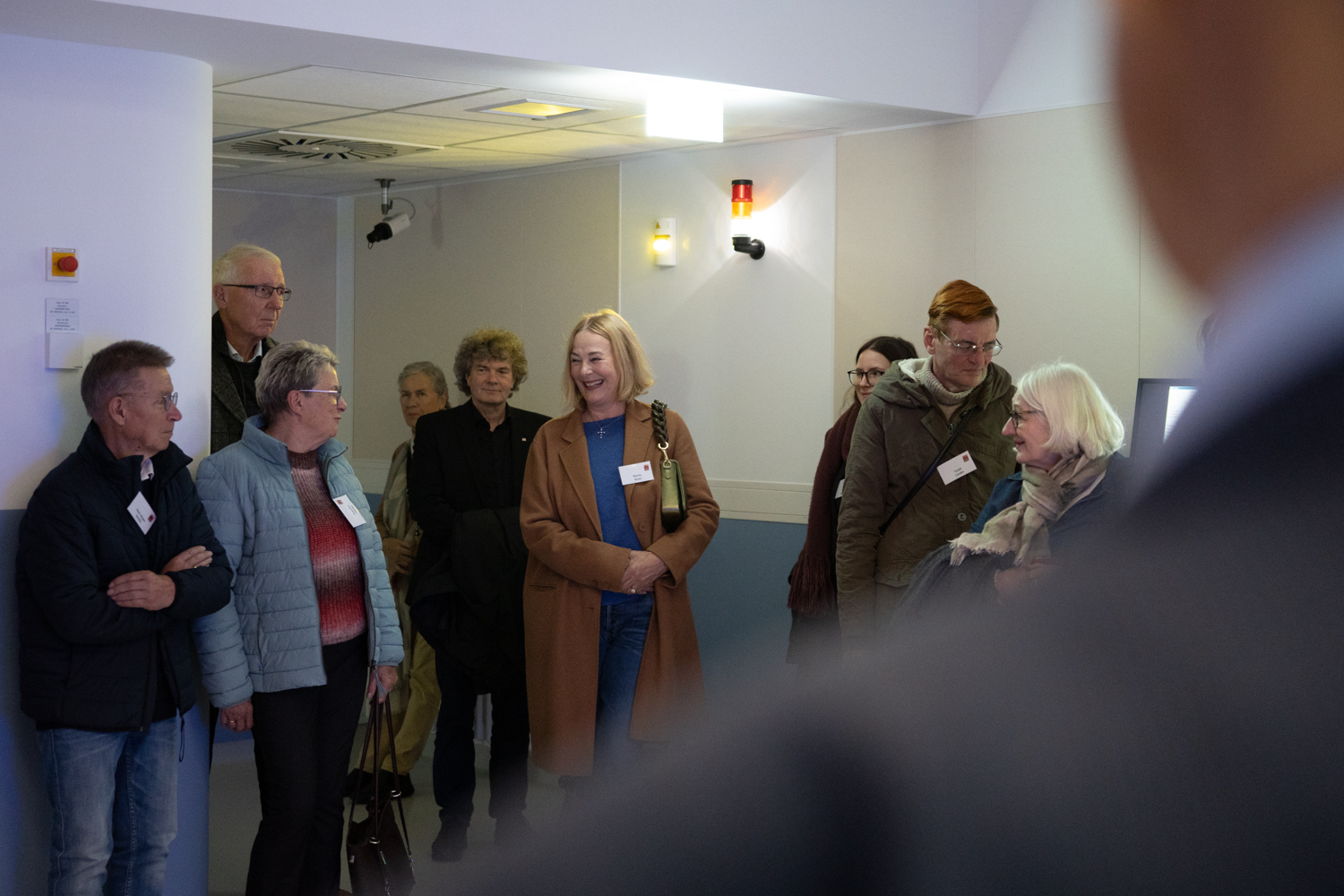
When you think of X-rays, many people probably think of conventional X-rays that can be used to detect bone fractures. But at the Clinical Department of Radiotherapy and Special Oncology at MHH, the same rays are used to treat cancer, albeit with up to 100 times more energy. Members of the Society of Friends had the opportunity to learn more about radiotherapy from Clinic Director Prof. Dr. Hans Christiansen during a tour of the clinic. The participants were particularly fascinated by the fact that nowadays surrounding organs and healthy tissue can be spared as much as possible during radiotherapy. Medical physicist Dr. Martin Werner demonstrated how this is possible using a new linear accelerator. The device rotates around the patient during irradiation and can change both the shape of the irradiation field and the intensity of the radiation very precisely. To ensure that this targeted type of treatment works, a complex, individualized radiation plan is created after a planning computer tomography. Once the responsible specialist and medical physics expert agree that the plan meets the high requirements, it undergoes a trial measurement on a model. Only after the plan has successfully passed this test run does the actual irradiation of the patient begin. Supplied with this and other information, the members of the Society of Friends finally left the Clinical Department after around an hour and a half - not without a hearty round of applause for Prof. Christiansen and Dr. Werner.
The Society of Friends would like to thank Prof. Dr. Hans Christiansen and Dr. Martin Werner for the lecture and the tour of a modern linear accelerator in the Clinical Department of Radiotherapy and Special Oncology.
GdF supports conference participation in Doha
October 25, 2024
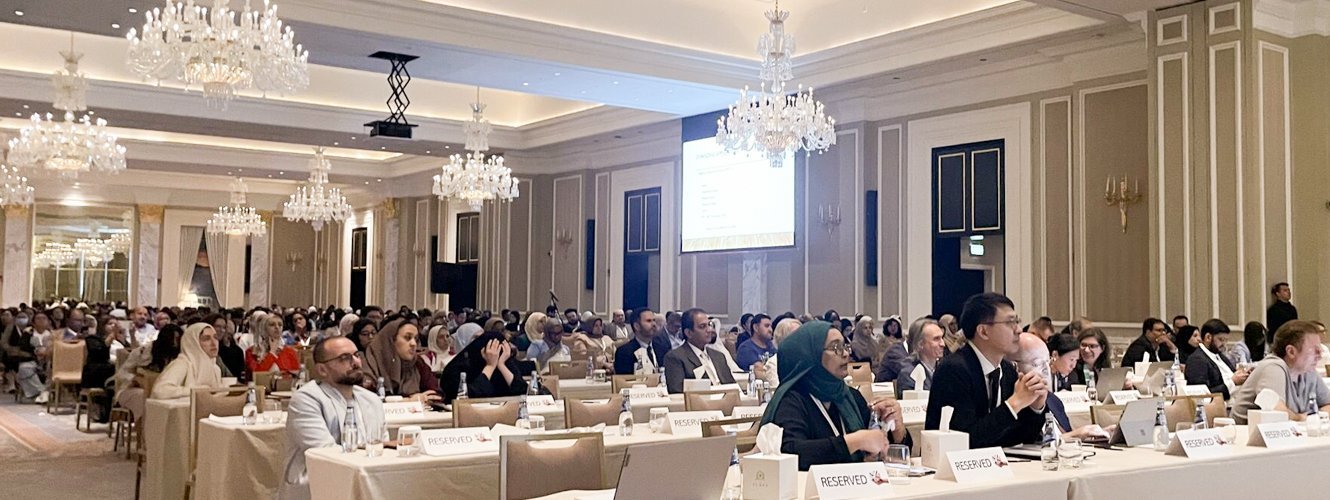
Around 800 scientists came together in September at the Middle East and North Africa Human Microbiome Conference (MENA Microbiome) in Doha, Qatar. Under the motto "From biomarkers discovery to Microbiota-based therapeutics", they presented and discussed the latest advances in microbiome research. In recent years, the relationship between the microbiome, the totality of all microorganisms (e.g. bacteria and viruses) in the human body, and diseases such as cancer and diabetes has become increasingly clear. Targeted manipulation of the microbiome could therefore play a key role in the treatment and prognosis of various diseases.
Thanks to the support of the Society of Friends, which subsidized his trip with €750, Dr. Abdulhadi Suwandi was also able to present his research findings at the congress. At the Institute of Cell Biochemistry at the MHH, he is investigating how bacteria influence infections caused by salmonella. His findings provide insights into the possible application of microbiome-based drugs. The presentation was followed by positive feedback and discussions with other conference participants. "These interactions not only deepened my understanding of the field, but also opened up avenues for potential collaboration with researchers who share similar interests," says Suwandi. Dr. Abdulhadi Suwandi returned to Hanover full of enthusiasm. "I look forward to applying the knowledge I have gained and furthering my research in the field of microbiome science."
KlinStrucMed scholarship holder completes her doctorate with the help of the GdF
October 17, 2024
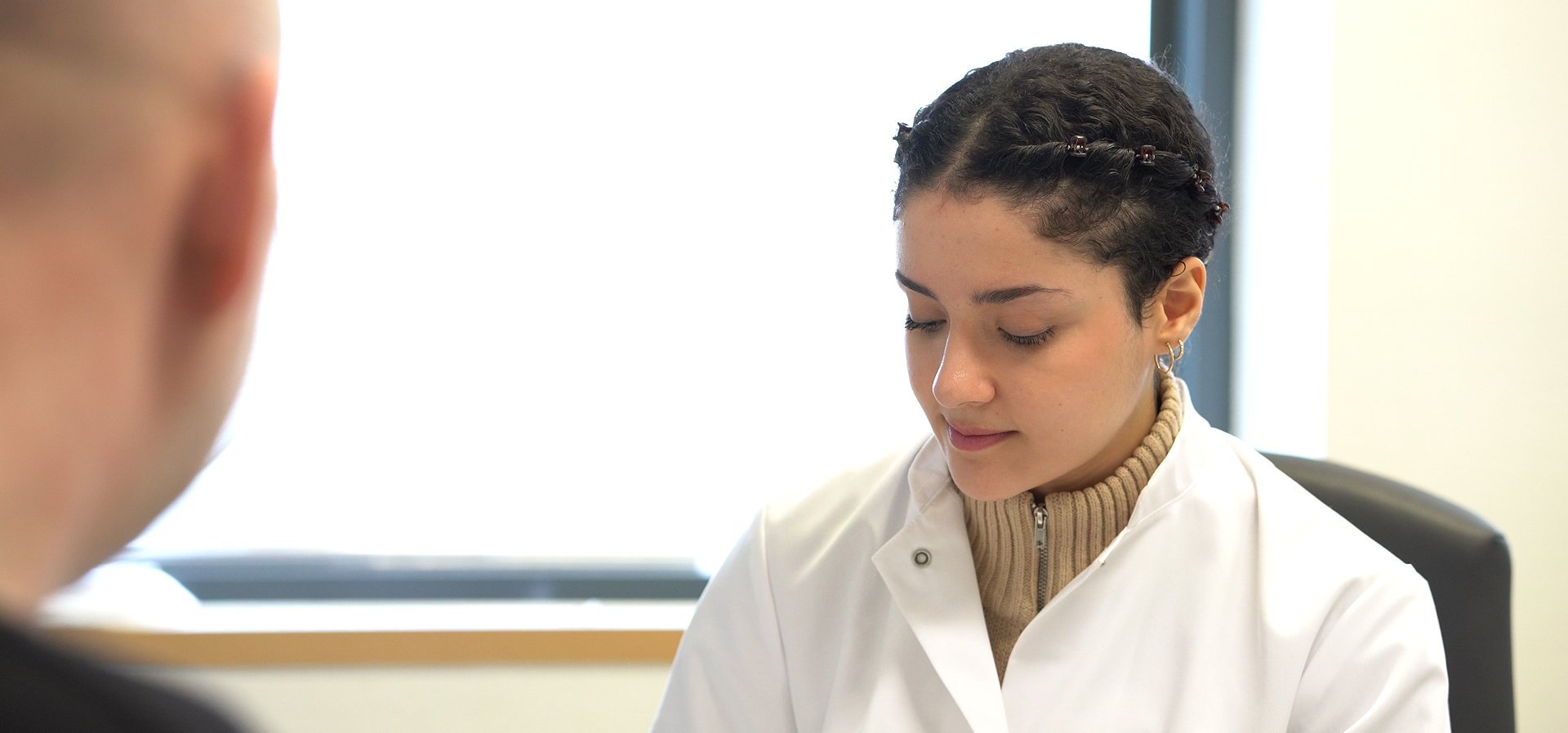
In early summer, we followed medical student Sanja Shah on camera. She suspended her regular studies for a year to complete her doctorate as part of the KlinStrucMed program with the help of a scholarship from the Society of Friends of MHH. You can find out how interdisciplinary and clinically relevant her research is, what her supervisors particularly appreciate about her work and why the program has a real benefit for the participating Clinical Departments in the video that emerged from the accompaniment. It was first shown at the GdF anniversary celebration and can now also be viewed online on YouTube.
Young scientist researches antimicrobial resistance
September 3, 2024
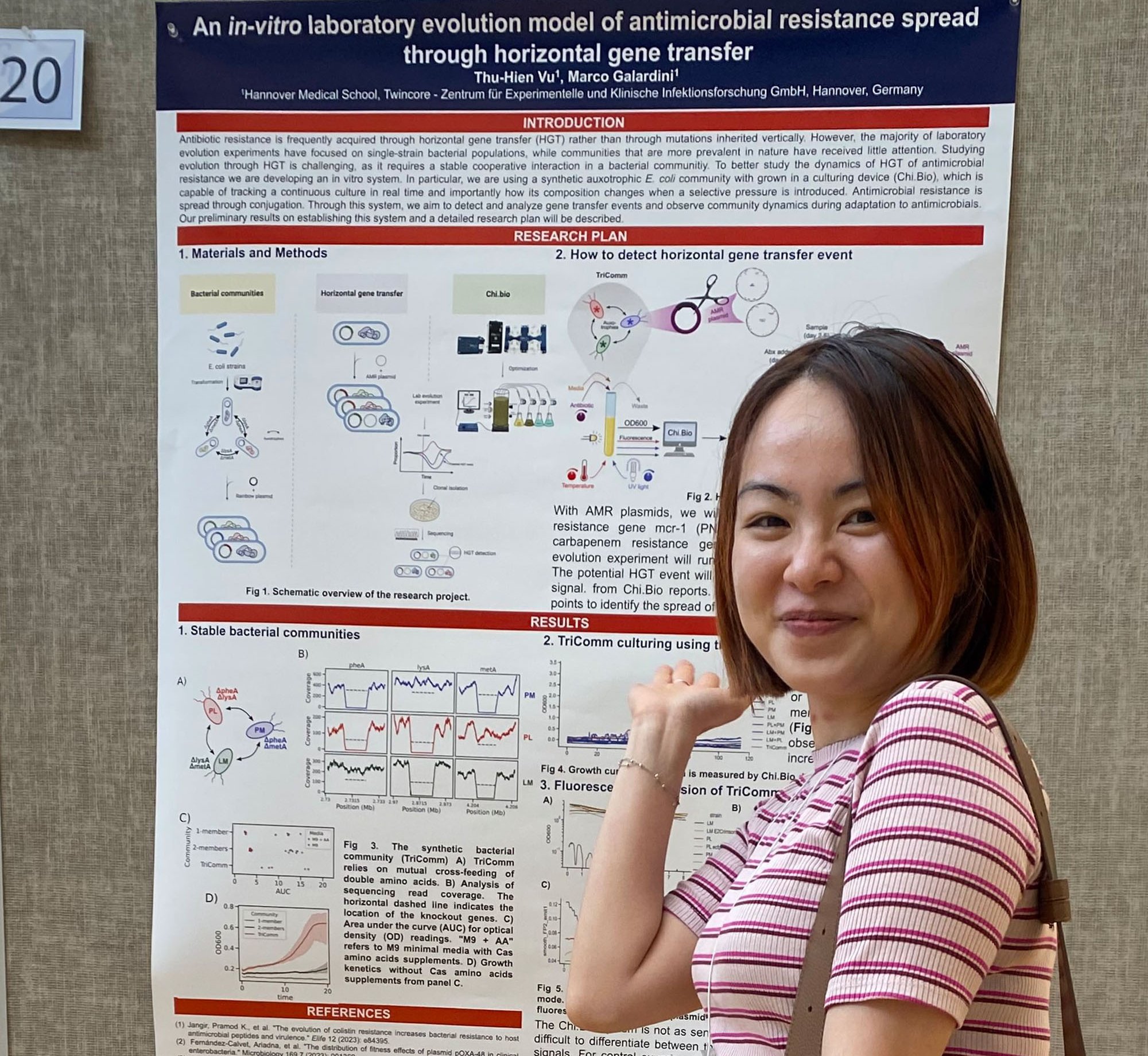
Antibiotic resistance is one of the greatest risks to the public health system today. Around 70 scientists researching how such resistance arises and how it can be prevented met at this year's Gordon Research Conference "Drug Resistance: Shared Principles in Drug Resistance Across Diverse Biological Systems" at Bryant University (Rhode Island, USA) in June 2024 to present their findings and exchange ideas. One of them was Thu Hien Vu from Vietnam, who is currently doing her doctorate at the Institute of Molecular Bacteriology (TWINCORE). She is investigating how resistance is passed on between bacteria and was able to present a poster on her previous work at the conference. She received financial support from the Society of Friends, which subsidized the trip with 750 euros. "Attending the conference was incredibly enriching for me," says Vu. "Not only did I get great feedback for my research, but I also got to know American scientists. These contacts are very valuable for me because new perspectives and potential opportunities for collaboration can significantly advance my research. I would like to thank the Freundesgesellschaft once again for this!"
PSD-HerzFahrt 2024 exceeds previous year's result
July 22, 2024
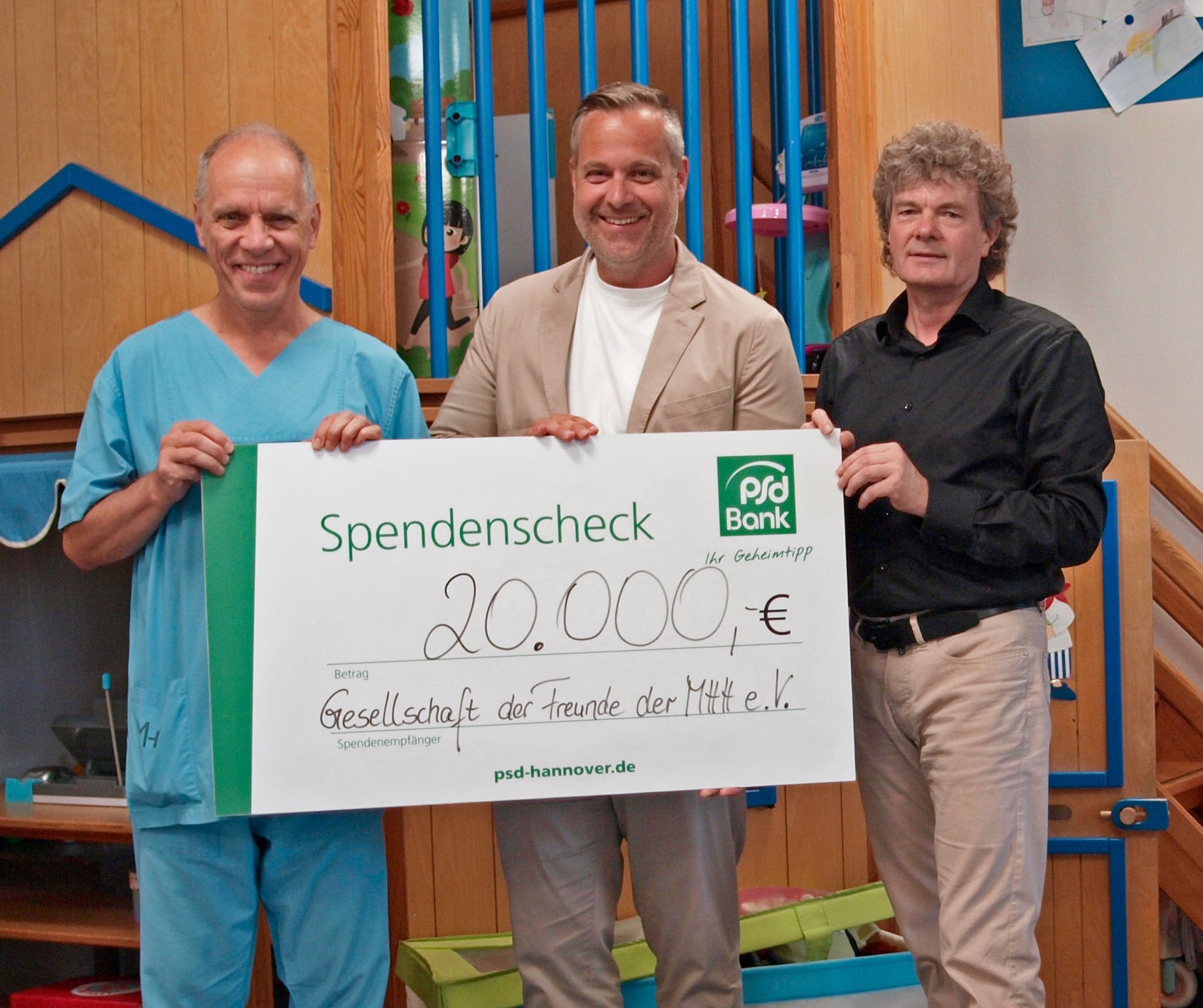
With its "HerzFahrt" campaign, PSD Bank Hannover eG 2023 raised a fantastic amount of money for the pediatric cardiology department at MHH. Over 16,000 euros were raised for the purchase of a diagnostic imaging system. This year, the result was even exceeded: Equipped with the free HerzFahrt app, around 1,000 people got involved in sport for healthy children's hearts and cycled over 97,000 kilometers. The bank donated 20 cents per kilometer cycled, and even increased this to 25 cents on the penultimate day due to the poor weather forecast, so that the children's cardiology team was able to raise over 20,000 euros in the end. This money will be used to purchase a comprehensive software solution to supplement the diagnostic system that will be purchased in 2023. This will make three-dimensional heart models possible, which physicians can use to explain planned operations and therapies in a particularly clear way. This type of preparation relieves many parents and children of a large part of their worries, but is not provided for in the financing of the German healthcare system. All the more reason for us to thank PSD Bank Hannover for making it possible with their HerzFahrt!
GdF sponsors research stay in Portugal

July 18, 2024
PhD student Laura Matos da Silva spent a total of nine weeks at the Center of Biological Engineering (CEB) at the University of Minho in Braga, Portugal. Thanks to financial support from the Society of Friends of MHH, she had the opportunity to learn about the genetic manipulation of phages in Professor Joana Azeredo's group. This method allows phages to be adapted to their respective host in order to precisely combat bacterial infections. "I was able to take away many useful tips and tricks for the successful implementation of a phage engineering platform at first hand. In addition, the exchange with the PhD students on site and the insight into their research results were very helpful," says Matos da Silva. "During the two months, I learned a lot about the handling and use of phages and took home new motivation for my own project."
The Society of Friends of the MHH supported Laura Matos da Silva with a financial grant of 750 euros.
Arnold Spiegel & Klaus Gärtner Sponsorship
February 19, 2024
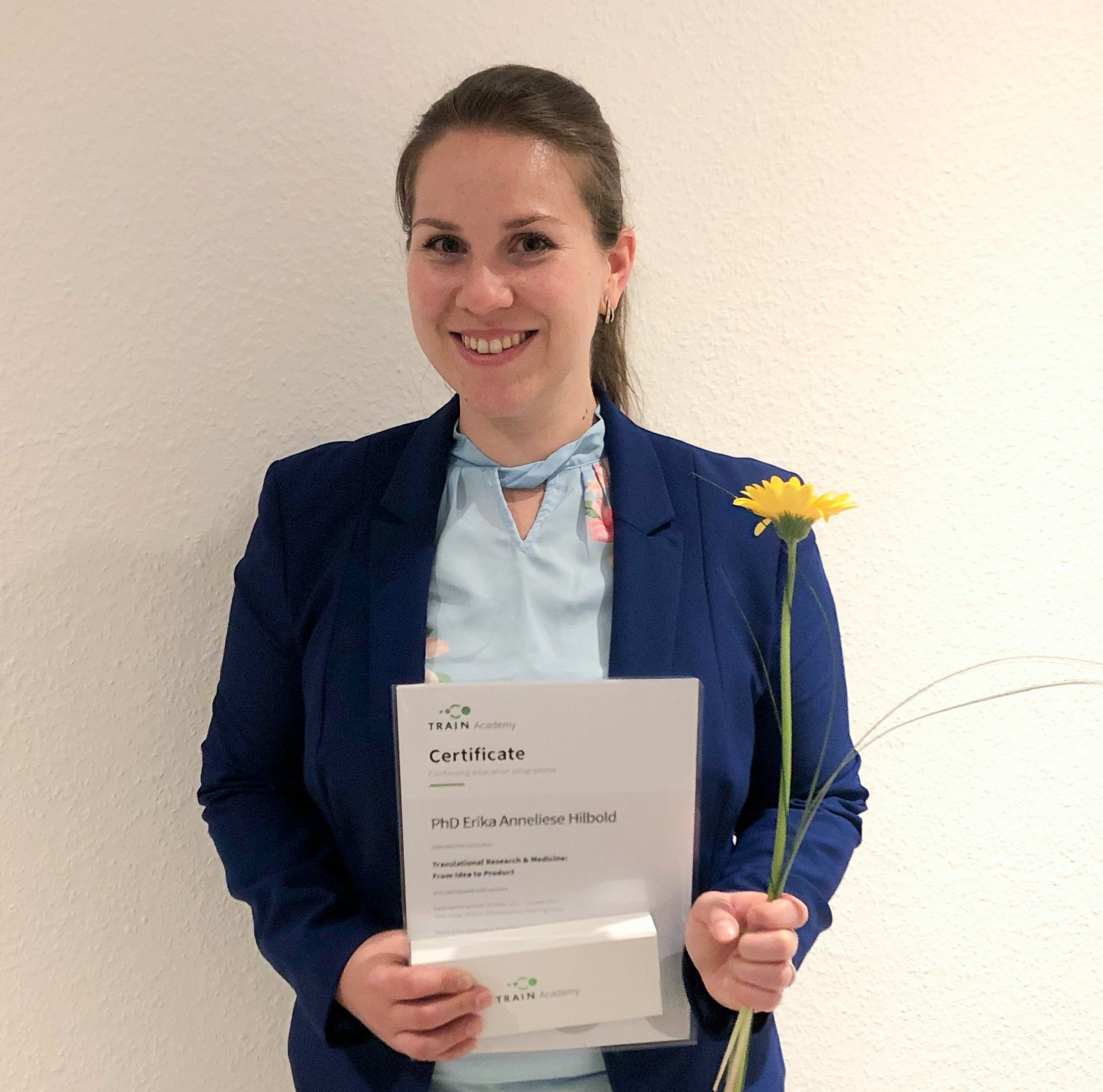
Dr. Erika Hilbold was enthusiastic about research from an early age and during the course of her doctoral studies at the University of Veterinary Medicine Hannover, she developed the desire to work in a translational research area. As a postdoctoral researcher at the Institute of Molecular and Translational Therapy Strategies (IMTTS) at the MHH, Hilbold is now involved in the identification and fundamental development of new therapeutic strategies for cardiovascular diseases. However, scientific skills are not the only thing needed to turn an idea into a product. Good knowledge of the regulatory conditions is also required. This is precisely where the Translational Alliance in Lower Saxony (TRAIN) comes in with the in-service training course "Translational Research & Medicine", which Hilbold was able to take part in thanks to the financial support of the MHH Society of Friends. "Over the past two years, I have become familiar with the individual steps of the translational development chain in detail," says Hilbold. "Above all, however, I have learned from the training that product development is a lengthy and challenging process that requires the cooperation of many experts. I was able to make contacts with many of them during this time, which I will definitely come back to in the future."
Dr. Erika Hilbold would like to thank the TRAIN organizers and lecturers as well as the IMTTS and, above all, the GdF for making her participation possible.