Martin Silke
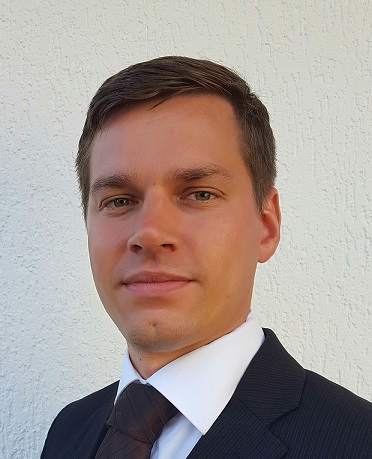
Portrait
Mr. Silke completed his vocational training as a physiotherapist in 2009 and worked for several years in the field of outpatient and inpatient care. From 2011, he completed a Bachelor's degree in "Guidance and Mentoring in the Health Professions" and a consecutive Master's degree in "Vocational Education in Nursing and Therapy" at Bielefeld University of Applied Sciences. During his studies, he worked on various interdisciplinary research projects at Bielefeld University of Applied Sciences. After completing his studies, he took up a teaching position at an academy for healthcare professions. Since April 2020, Mr. Silke has been a participant in the doctoral program "Chronic Diseases and Health Literacy" (ChEG). His experience as a physiotherapist and professional educator shape the doctoral project.
Topic of the doctorate
Promoting the health literacy of patients with chronic diseases of the musculoskeletal system in outpatient physiotherapy care
Background
Current findings on the prevalence of chronic diseases and the health literacy of the population in Germany raise the question of how the health literacy of chronically ill people can be promoted. Diseases of the musculoskeletal system are among the most common chronic diseases and are by far the largest diagnostic group in the context of physiotherapy treatment. Physiotherapy is involved in disease management at an early stage, particularly in outpatient care, and can therefore play an important role in promoting the health literacy of affected patients.
Aim
In order to develop strategies for systematically promoting the health literacy of patients with chronic musculoskeletal disorders in outpatient physiotherapy care, the aim is to identify the extent to which health literacy-promoting aspects are already implicitly or explicitly visible in the interaction between physiotherapists and patients and where corresponding new strategies could be applied. The following research questions are derived from this:
To what extent does the interaction between therapists and patients with chronic diseases of the musculoskeletal system in outpatient physiotherapy care include health literacy-promoting aspects?
- Which facets of health literacy (finding, understanding, evaluating, applying health-related information) are addressed in the context of outpatient physiotherapy care for patients with chronic musculoskeletal conditions?
- What does the health information conveyed refer to?
- How is health-related information conveyed in the physiotherapeutic care of patients with chronic musculoskeletal conditions?
Method
The research project is a qualitative, multi-perspective study and integrates four different qualitative methods: participant observation, expert interviews with physiotherapists, guided interviews with patients and focus group interviews with physiotherapists. This approach is intended to identify various aspects that affect the development of patients' health literacy and to develop initial approaches for systematic solution strategies.
Publication
Silke M (2023). Observational study to describe the promotion of health literacy in care settings. Healthcare 2023; 85(08/09): 798 - 798. doi:10.1055/s-0043-1770560
Fischbock N, Häberle N, Silke M (2022, August): Health professions and (organizational) health literacy. Workshop as part of the summer school on chronic diseases and interdisciplinary health literacy research, Hanover, 02.08.2022.
Häberle N, Silke M, Fischbock N (2022). The contribution of health professions to the promotion of a health literate organization. Healthcare 2022; 84: 852 DOI 10.1055/s-0042-1753950
Oppermann L, Silke M (2022, August): Health literacy in physiotherapy. Workshop as part of the summer school chronic diseases and interdisciplinary health literacy research, Hanover, 01.08.2022.
Posselt J, Silke M, Dierks M-L (2022). Health literacy as part of the professional competence of health professionals. Conceptual positioning, challenges and need for action. In: Pedagogy of the health professions 9 (3), pp. 171-175. DOI: 10293.000/30000-22c2ef83.