"We need a fresh start with the contradiction solution"
Fewer organs were transplanted at the MHH in 2019. MHH Transplant Centre appeals to members of the Bundestag
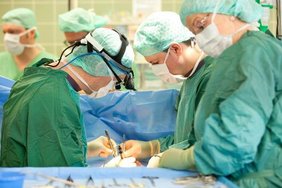
January 14, 2020, Organ donation and transplantation in Germany declined in 2019. This trend also prevailed at Hannover Medical School (MHH). A total of 357 organs were transplanted, around ten percent fewer than in the previous year (2018: 404). In 2019, 147 kidneys, 77 livers, 103 lungs and 7 pancreases were transplanted.
"These figures show that we urgently need a new start for organ donation," says Prof. Dr. Axel Haverich, Head of the Transplant Centre at MHH. "Only the opt-out solution can bring this about." Around 1,000 adults and 65 children are currently waiting for a donor organ at Germany's largest Transplant Centre. Nationwide, there are around 9,000 patients.
Extended decision solution probably cannot eliminate organ shortage
Next Thursday, the Bundestag will vote on two draft laws to strengthen organ donation in Germany: the opt-out solution and the extended decision solution. "We appeal to the members of the German Bundestag to vote in favor of the objection solution in the interests of patients waiting for a donor organ," says Professor Haverich. The extended decision solution, which does not provide for a mandatory declaration on organ donation, would probably not be able to eliminate the organ shortage. Despite intensive educational work, it is unlikely that the vast majority of the population, who are in favor of organ donation after death, will register.
There are good arguments in favor of the opt-out solution:
- The objection solution ensures that the will of the deceased is implemented. According to the German Organ Transplantation Foundation, relatives currently decide on organ donation in around 40 percent of organ donations in Germany.
- Relatives are no longer forced to make a decision about organ donation in a very stressful situation.
- An obligatory decision during one's lifetime increases the motivation to find out about organ donation.
- Germany is an importing country in the Eurotransplant network. It benefits from the higher willingness to donate in the partner countries, which all have an opt-out solution.
- At around 80 percent, the population's approval of organ donation is very high. The opt-out solution can reflect this consent in practice.
You can find more information at our Transplant Centre and on our topic page on the organ donation debate.