Radiofrequency ablation
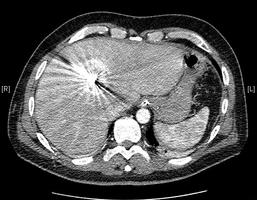
The recommended therapeutic measure for the treatment of renal cell carcinoma is surgical extirpation of the tumor. However, a surgical therapeutic approach is not possible in all cases. A severely reduced state of health or significant secondary diseases can make surgical intervention too risky for the patient. In these cases, radiofrequency ablation should be considered.
The procedure
In radiofrequency ablation, electrodes are placed centrally within the kidney tumor, usually under CT guidance. The surrounding tumor tissue is heated to over 100°C for a period of 10 - 20 minutes. This results in the death of the tumor tissue in the form of coagulation necrosis. The feasibility of the procedure depends on individual factors and to a large extent on the size and blood supply of the tumor and the surrounding tissue. For example, peripheral, more exophytic tumors can often be treated more successfully with radiofrequency ablation than central tumors in the vicinity of larger vessels, which can cause an outflow of supplied energy. There is also a greater risk of injury to the renal pelvic caliceal system with central ablation within the kidney. Radiofrequency ablation is far less stressful for the patient in terms of the procedure and the anesthesia required than a conventional procedure, which would require an inpatient stay of around a week. In contrast, radiofrequency ablation often only requires brief post-operative monitoring.
Long-term tumor clearance rates after RFA tend to be lower than with conventional tumor surgery, which is why the method is only used for patients for whom conventional surgery is not possible. Overall, radiofrequency ablation is a safe alternative therapy for the treatment of localized renal cell carcinoma. The procedure is best suited to patients with small renal cell carcinomas.