National Cancer Prevention Week
From September 13-17, 2021
Status: 13.09.2021
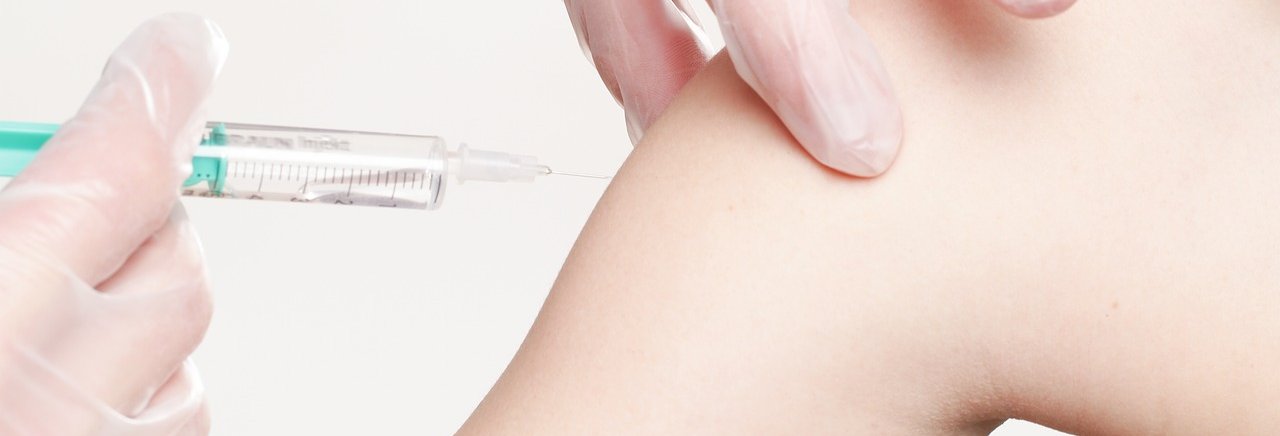
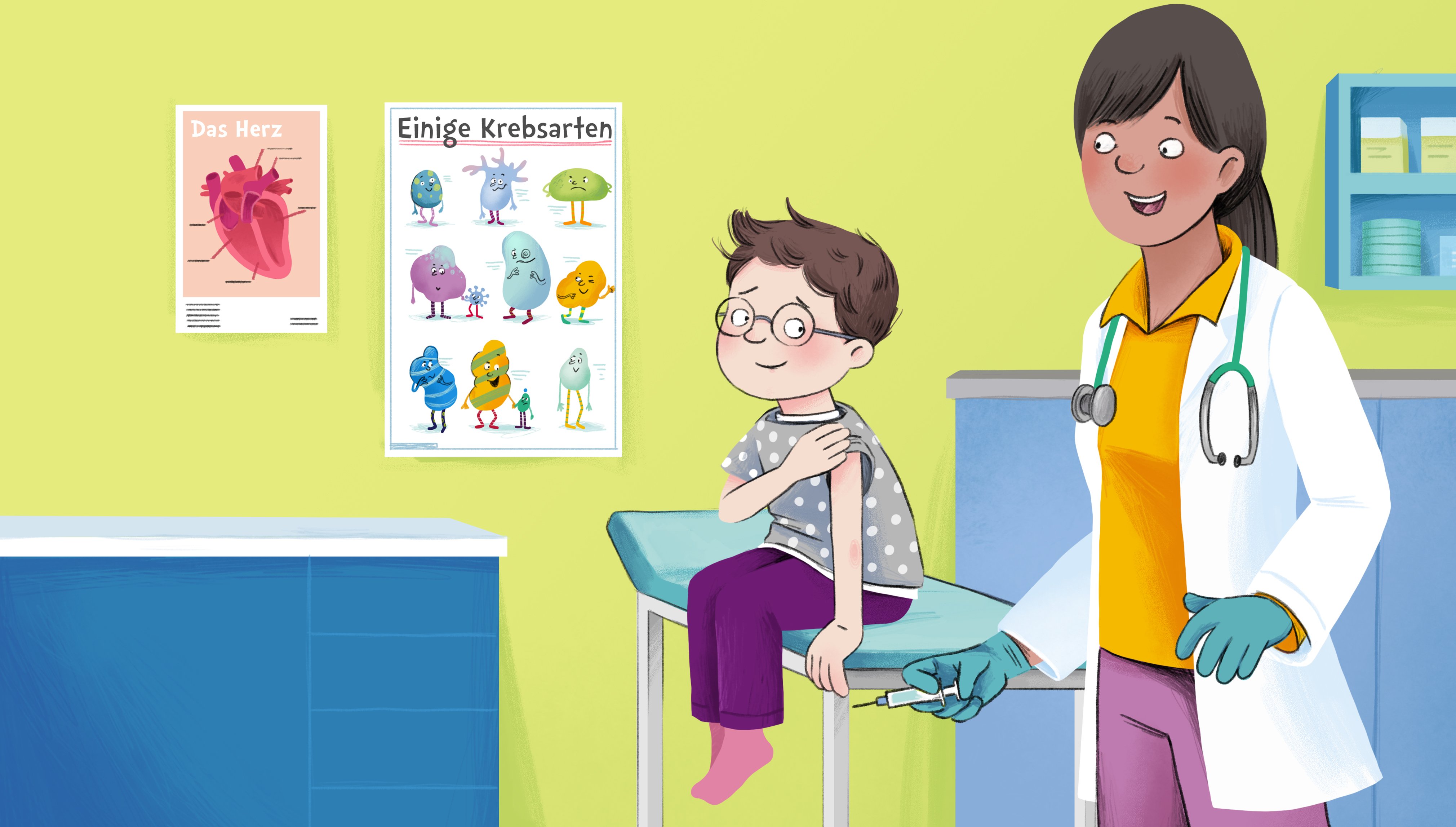
Eating a balanced diet, avoiding tobacco consumption, drinking little alcohol and exercising regularly are among the most important cancer prevention measures. However, some cancers can also be protected against with vaccinations, especially if infections play a role in the development of cancer. The focus of this year's National Cancer Prevention Week is on vaccinations for children that reduce the risk of certain cancers in adulthood. The motto: "Prick short, protect long - make yourself strong against cancer!"
Certain pathogens can trigger chronic inflammation in tissue, damaging cells to such an extent that cancer can develop after many years. These include human papillomaviruses, HPV for short, and hepatitis B viruses. Vaccinations against these carcinogenic viruses offer a simple way to protect children and adolescents from certain types of cancer in adulthood. The hepatitis B vaccination, for example, protects infants against chronic inflammation of the liver, which can lead to liver cancer. Vaccination against human papillomavirus for girls and boys reduces the risk of oral, throat, cervical, penile and anal cancer, among others.
Special focus on vaccinations against human papillomavirus (HPV)
In Germany alone, around 7,700 people were diagnosed with HPV-related cancer in 2018. Vaccines against the virus have been available since 2006. The Standing Committee on Vaccination (STIKO) has recommended vaccination for girls since 2007 and for boys since 2018. However, the vaccination rate is low: in Germany, only around 45% of 15-year-old girls are fully vaccinated, and the vaccination rate for boys is even lower. Comprehensive protection requires a vaccination coverage rate of at least 70 percent. In order to raise awareness of this issue, this year's focus is on vaccination against HPV.
Human papillomaviruses (HPV)
HPV as a cause of cancerInfections with HP viruses are common. They usually heal on their own and rarely lead to health problems. Some HPV types lead to skin warts, others infect the mucous membrane, especially of the genitals and anus. However, there are also HP viruses that increase the risk of cervical cancer and other cancers when infected. So-called "high-risk" viruses, HP viruses are usually transmitted through direct contact, for example during sexual intercourse. The most common cancer caused by HPV is cervical cancer (cervical carcinoma). In more than 99 percent of cervical cancer cases, high-risk HPV types are detectable in the tumor tissue. However, HPV-related cancers can also affect the mouth, throat, vagina, pubic area, anus and penis. Vaccination against HPVVaccination can protect against infection with certain types of HPV and its consequences. However, it is not effective against existing HPV infections and tissue changes. Therefore, full vaccination protection should ideally take place before sexual contact. The STIKO therefore recommends vaccination against HPV primarily for girls and boys aged 9-14 years. Despite vaccination: early detection remains importantSome of the cancer-causing human papillomaviruses are not detected by the vaccination, which is why women aged 20 and over should continue to take advantage of the annual cervical cancer screening. |
Research
In the "HPV-induced neoplasia" working group headed by Prof. Dr. Peter HillemannsDirector of the Clinical Department of Gynecology and Obstetrics at the MHH, is working on the prevention of HPV infection through vaccination, among other things. "The HPV vaccination is safe and highly effective. I strongly recommend the vaccination to all girls and boys aged 9-14. New data even shows that the premature birth rate is lower in vaccinated women," says Prof. Dr. Dr. Peter Hillemanns.
Other focal points of the working group include the evaluation of various test methods for the diagnosis of genital HPV infection, photodynamic diagnosis and treatment of HPV-associated dysplasia of the cervix and vulva as well as health economic studies on HPV-associated dysplasia/carcinomas.
Infection and cancer is one of the main areas of research at the CCC Lower Saxony. The research activities at the CCC-N are reflected in our guiding principle "Precision and care in cancer research and treatment" . The two CCC-N sites in Göttingen and Hanover are jointly participating in Cancer Prevention Week with various campaigns to raise awareness of infections as a cause of cancer. Further information can be found at www.ccc-niedersachsen.eu/krebspraeventionswoche-2021
About the National Cancer Prevention Week
In Germany, around 500,000 people are diagnosed with cancer every year. According to experts, around 40 percent of all cancers could be prevented through a healthy lifestyle. According to experts, this percentage could be increased even further with findings from improved prevention research.
National Cancer Prevention Week is a joint initiative of German Cancer Aid, the German Cancer Research Center (DKFZ) and the German Cancer Society (DKG). The aim is to draw attention to the great potential of prevention. Their vision is to prevent cancer from developing in the first place.
Further information:
German Cancer Research Center
National Cancer Prevention Week 2021
Cancer Information ServiceVaccination against human papillomaviruses (HPV). What are the benefits of the tumor virus vaccine?
German Cancer AidHPV vaccination and viruses as cancer triggers .
National Cancer Prevention Week 2021: CCC-N takes part"Prick short, protect long - make yourself strong against cancer!"
This might interest you:
Prevention and early detection
Contact at the CCC Hannover (Claudia von Schilling Center)
Media libraryHere you will find videos and podcasts on the prevention and early detection of various cancers.
National Cancer Prevention Week 2020"Reducing cancer risk with a knife and fork"