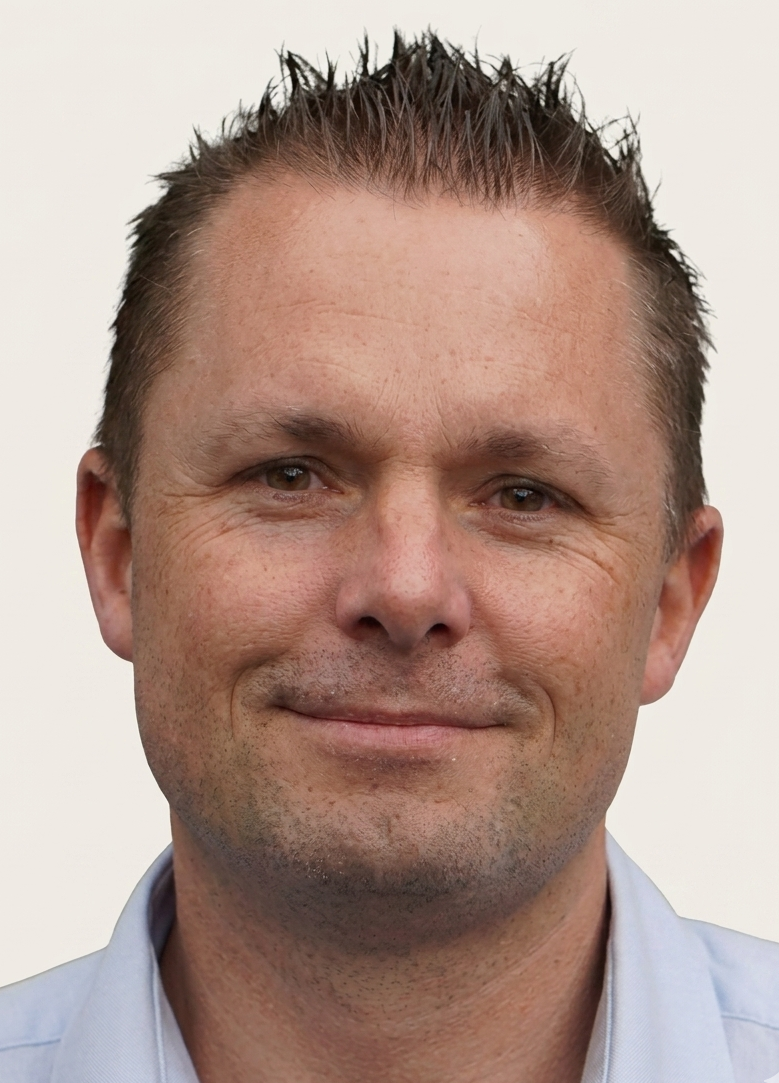
As a group leader at the Institute of Experimental Haematology, PD Dr. Michael Rothe conducts research on the future of gene therapy, with a central focus on safety, transparency, and clinical relevance. His research group develops innovative methods to minimize the risks of genetically modified cells and accelerate the development of new therapies.
A key tool is the In Vitro Immortalization Assay (IVIM), a preclinical safety test that was developed at the Institute two decades ago. The IVIM assesses the risk that integrating gene therapy vectors could disrupt the human genome and potentially lead to tumor formation. Today, the test is considered the gold standard and is accepted worldwide by regulatory agencies (EMA, FDA, TGA, Health Canada). It is crucial for the admission of new retroviral vectors and has facilitated the transition of numerous gene therapies into clinical use.
Building on the IVIM, Dr. Roth’s team has achieved a major breakthrough: the Surrogate Assay for Genotoxicity Assessment (SAGA). This molecular test enables faster, more precise, and highly sensitive detection of insertion mutants without relying on time-consuming and artifact-prone microscopy. Further developments such as SAGA-XL (Dr. Bastone) and SAGA-Q (Dr. Mansel) make the tests even more efficient and sensitive.
A key step is the adaptation of the assays to human blood stem cells. Using a newly developed expansion protocol by Dr. Jenni Fleischauer, Dr. Rothe’s team is working to utilize human hematopoietic stem cells for safety testing and to better understand the degeneration of human progenitor cells.
In close collaboration with biostatistician Philipp John-Neek and quality manager Dr. Uta Limper, Dr. Rothe is working with academic and industrial partners to monitor the long-term behavior of genetically modified cells in patients. Using INSPIIRED technology, they combine robot-assisted sample processing, sequencing, and high-performance bioinformatics on the MHH’s HPC cluster. This creates a comprehensive analysis platform that tracks the integration of retroviral vectors, as well as AAVs, in individual samples or over extended periods of time.
In addition to safety research, Rothe’s team is also dedicated to the cultivation and use of mesenchymal stromal cells (MSCs) derived from umbilical cord tissue. These cells and the extracellular vesicles (EVs) they release show great potential for modulating the immune response. Dr. Luisa Weißköppel is investigating not only the characterization of these vesicles but also their targeted loading with therapeutic molecules—an approach that opens new avenues for cell-based immunotherapies.
Research Areas
- Insertion mutagenesis
- Stem cell expansion
- Integration analysis
- EVs
CONTACT
PD Dr. Michael Rothe
Hannover Medical School
Institute of Experimental Haematology
OE 6960, Building J11, Level 01, Room 6540
Carl-Neuberg-Straße 1, 30625 Hannover, Germany
Phone: +49-511-532-5137
Hannover Medical School: Genotoxicity and Stem Cell Clonality Assessment