Drug oncology | Chemotherapy outpatient clinic
Univ.-Prof. Dr. med. Tjoung Won Park-Simon
In our oncology outpatient clinic at the Women's Clinic, we aim to offer individual and comprehensive treatment for gynecological cancer.
Our aim is to tailor diagnostics and treatment to the patient's personal situation in accordance with the guidelines and the latest scientific findings and to give them the best possible treatment success with the best possible quality of life.
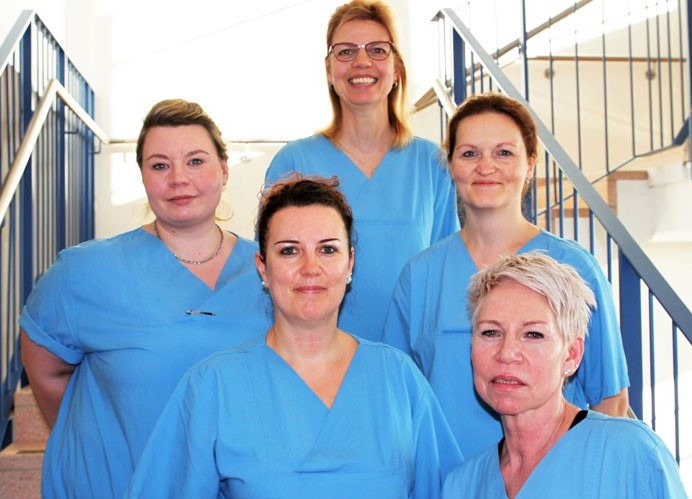
Our team consists of oncologically trained physicians under the direction of Prof. Dr. T-W. Park-Simon, nurses with special oncological experience and Dr. Holthausen-Markou, specialist in psychosomatics and psychotherapy, psychooncologist, specialist in gynaecology and obstetrics.
Contents
Our area of responsibility
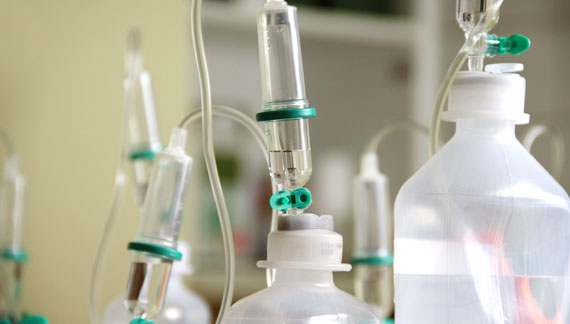
In the oncological treatment of breast cancer and gynecological cancers, we now have a range of modern therapeutic procedures at our disposal. In addition to surgical therapy, drug therapy (e.g. chemotherapy, targeted therapy or immunotherapy) has also become very important. As both forms of therapy, surgical and drug therapy, are carried out in the Women's Clinic, treatment is guaranteed "from a single source".
In addition, there is close interdisciplinary cooperation with colleagues from pathology, radiology, radiotherapy, human genetics, haematology and oncology, surgery, the outpatient pain clinic and palliative medicine.
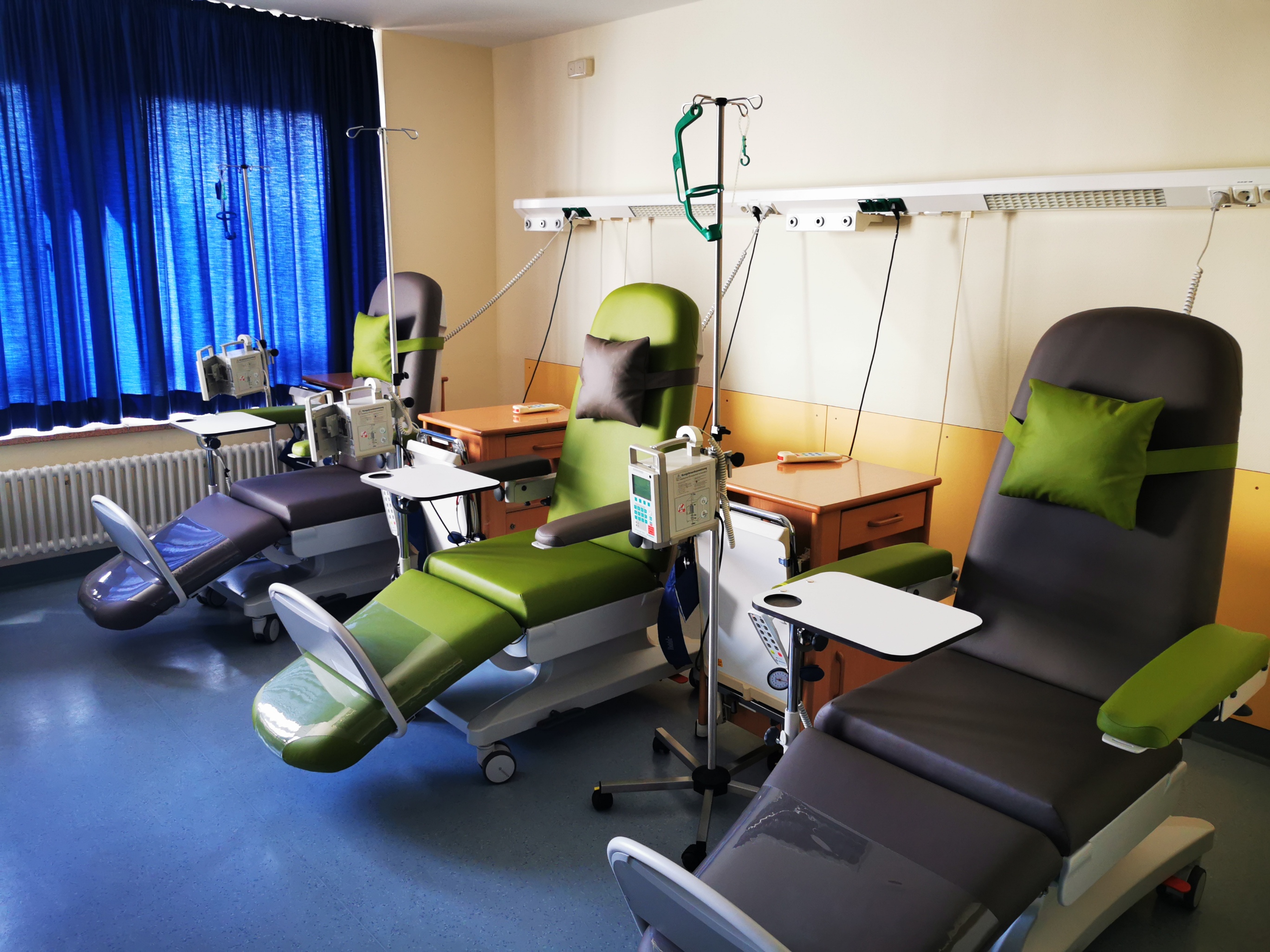
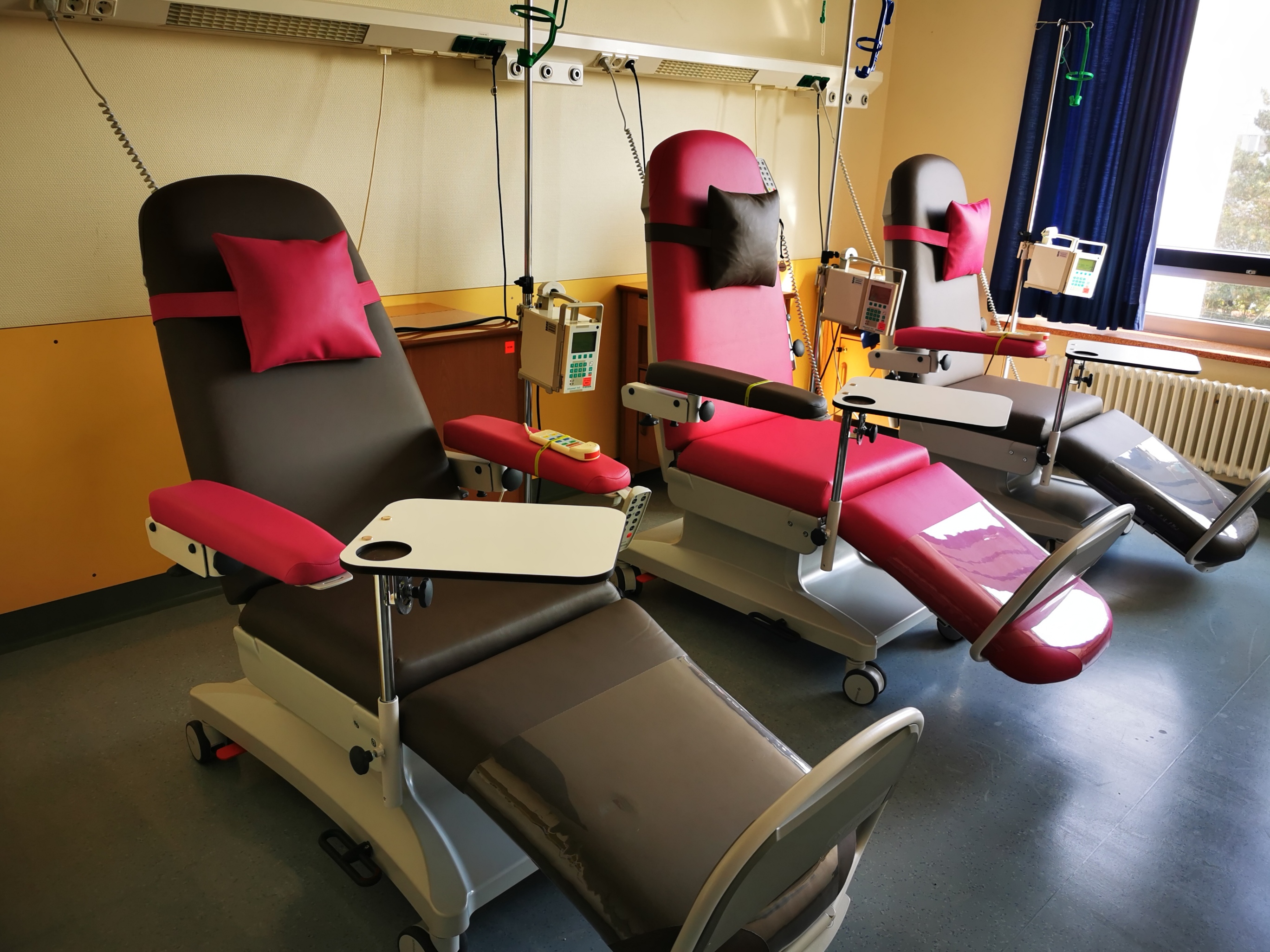
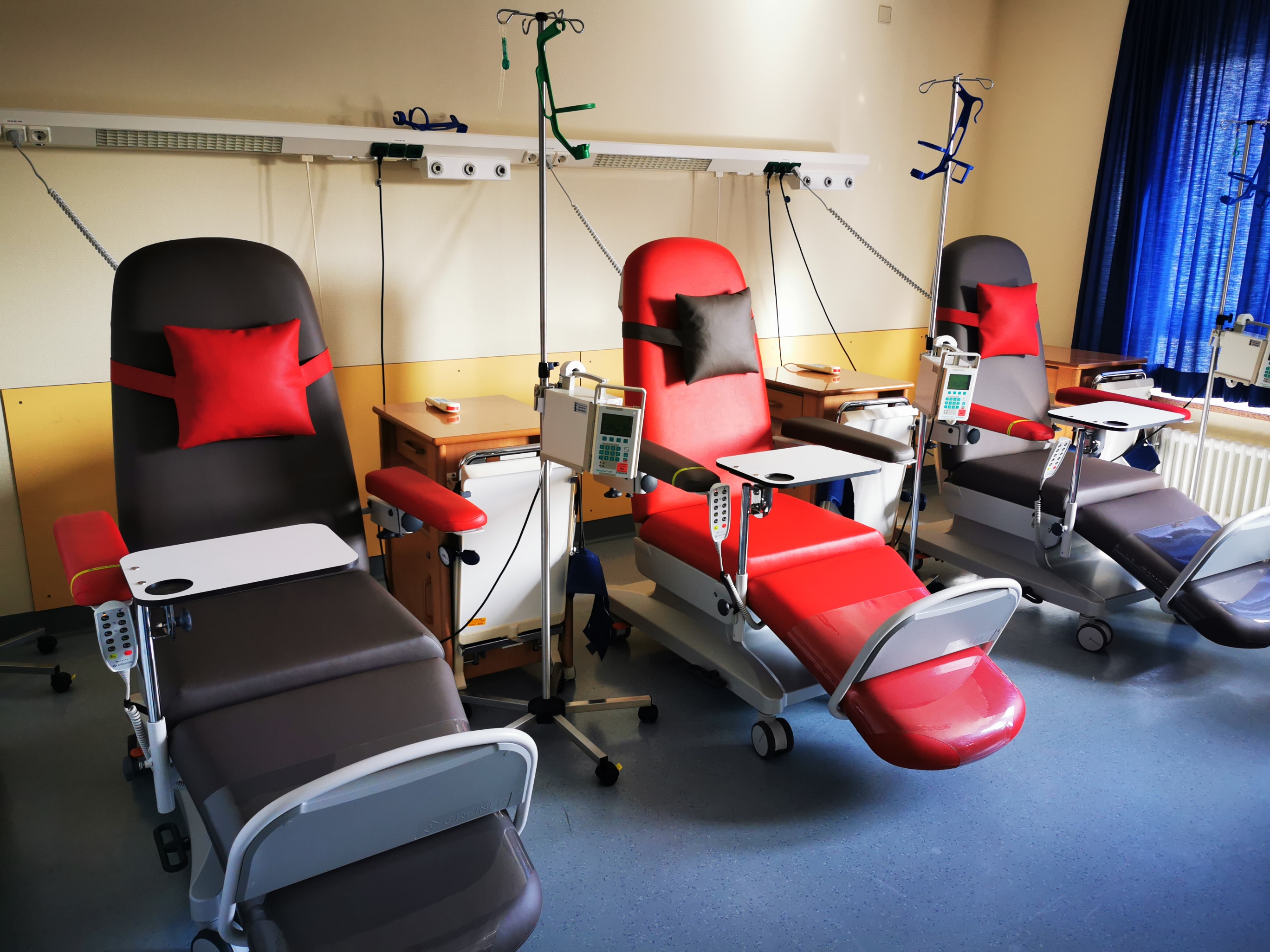
Today, drug-based tumor therapies are generally carried out on an outpatient basis. In our oncology outpatient clinic, we treat patients who have been diagnosed with breast, ovarian, uterine or other rare gynecological cancers.
Our range of therapies includes
- chemotherapy
- anti-hormonal therapy
- Immunotherapy (e.g. immune checkpoint inhibitors)
- antibody therapy (e.g. trastuzumab, bevacizumab) and
- "targeted therapy", i.e. targeted therapy with "biologicals" (e.g. parp inhibitors).
In addition, we can offer a wide range of clinical studies from various national and international study groups, giving you access to the latest treatment methods . Our study center ensures the best possible implementation of the strict guidelines and high requirements of a clinical study.
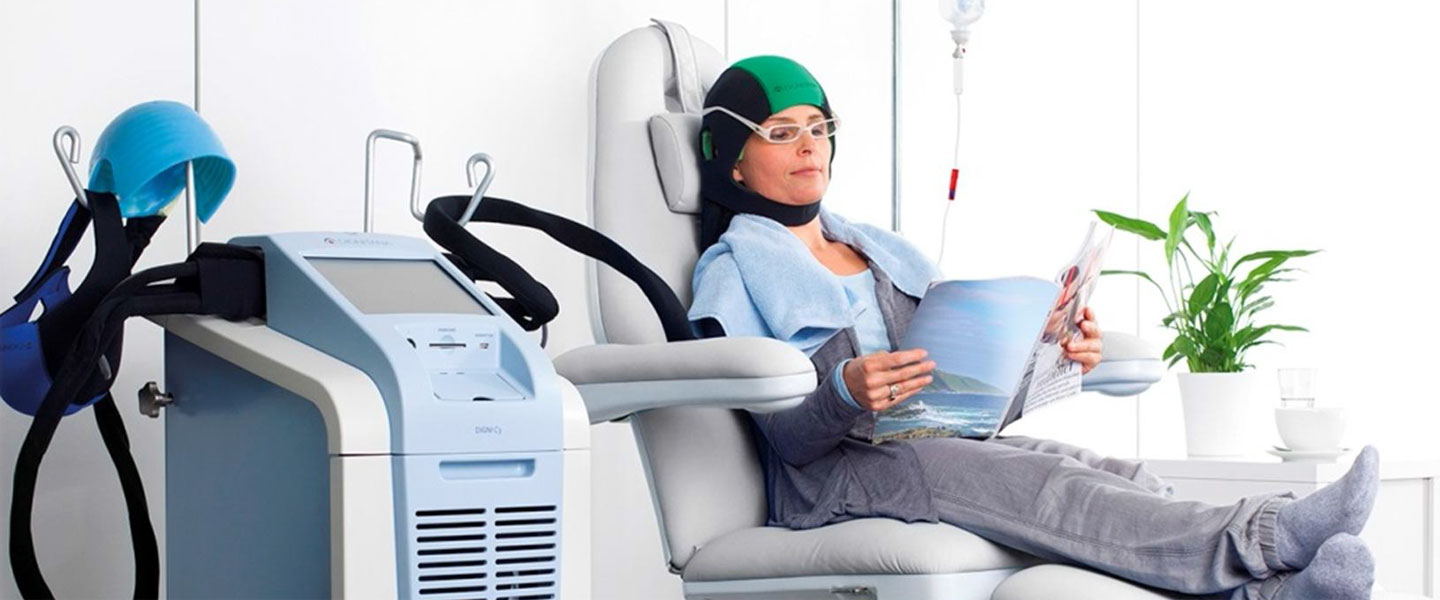
The loss of hair during chemotherapy means additional psychological stress and stigmatization for many women. Not infrequently, the fear of losing hair is even a reason for some patients not to undergo the necessary chemotherapy. Cooling the scalp during chemotherapy with the DigniCapTM system promises to minimize hair loss so that patients can dispense with other head coverings (wig, headscarf).
During the administration of cytostatic drugs, the scalp temperature is regulated to 4°. The patient wears a silicone cap on her head, which is cooled. For this purpose, a coolant from the DigniCap® system's climate control unit circulates through the silicone cap.
The assumed mode of action is based on three mechanisms:
- Cooling leads to a constriction of the blood vessels in the scalp, thereby reducing the amount of medication that reaches the hair roots.
- The absorption of the medication into the hair cells can be reduced by the low temperatures, thereby reducing the concentration of medication.
- Scalp cooling can reduce the mode of action/effect of the medication and thus also its activity at the hair root.
These mechanisms reduce the effect of the cytostatic drugs on the hair roots, which reduces hair loss.
Short-term and mild side effects such as headaches, feeling cold and dizziness are possible. In our experience, however, scalp cooling is generally well tolerated by users.
Costs:
Scalp cooling is not a health insurance benefit, but an individual health service (IGeL) that must be paid for by the users themselves.
We would like to thank the Roparun Foundation and the Rudolf Bartling Foundation for their donations. As a result, the costs for the treatment can currently be offered at a reduced rate.
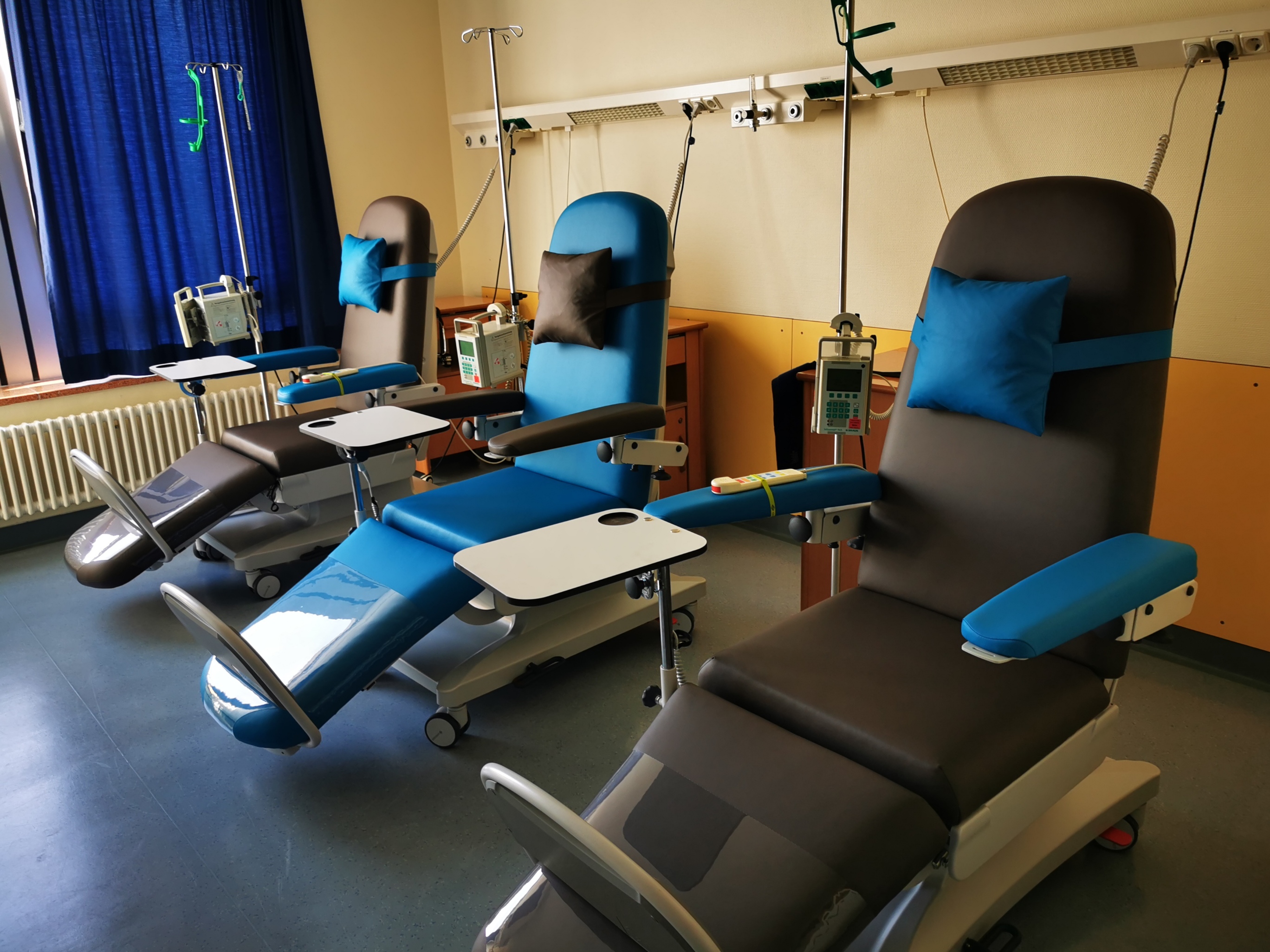
Gynecologic Oncology Nursing
in the outpatient clinic
Due to the side effects of the therapies, patients have a special need for information and support.
We provide our patients with individual nursing advice, care and support on the key aspects of their illness and treatment that are relevant to their care.
Typical consequences of cancer or its treatment can include nutritional disorders, nausea, vomiting, pain, weakness and even fatigue, wounds, changes to the skin and mucous membranes, depression, changes in body image, bone marrow depression or sexual dysfunction.
As oncology nurses, we know and master how to deal with possible complications when administering drug therapy.
This includes recognizing symptoms, initiating initial measures and advising and training patients and their relatives with regard to side effect symptoms.
We provide information and advice on nursing issues, prophylaxis (prevention), hygiene measures, care options and aids. We also support our patients with individual and special care measures, train them and guide them in self-observation and self-help for their everyday life at home.
Sometimes even a brief conversation can help to regain confidence in dealing with the current situation (physical or psychological).
We see ourselves as a link between patients, relatives and all those involved in the treatment process and are happy to arrange further contacts if required.
We regularly make our specialist nursing expertise available within our interdisciplinary treatment team as part of organized or self-conducted training and further education courses.
Please do not hesitate to contact us if required!
- Bettina Kublank
Healthcare and nursing professional
Specialist in oncological nursing and palliative care
Specialist in middle management Nursing - Sabine Burrows
Pediatric Nurse
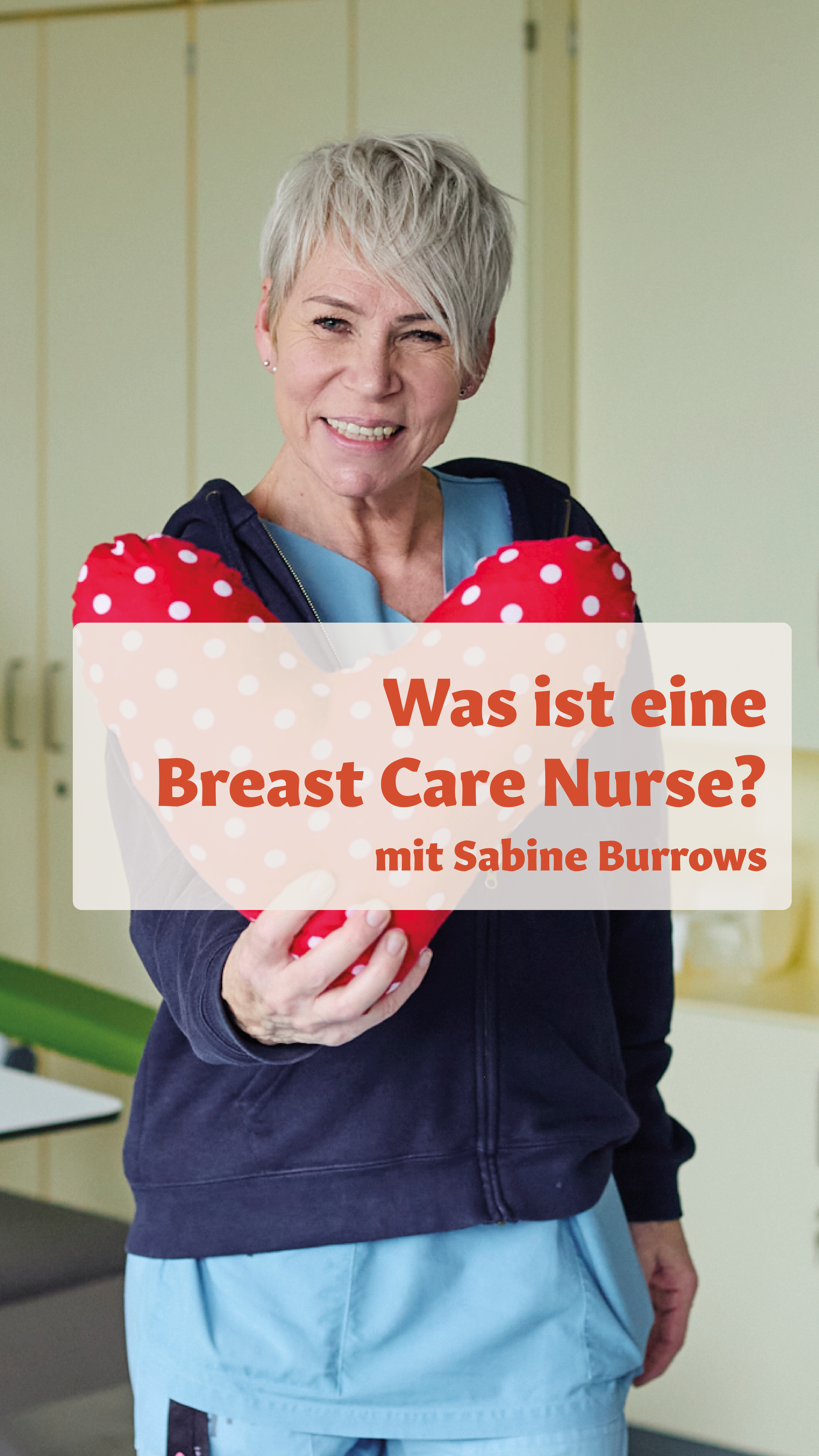
Specialist in Oncology Nursing and Palliative Care
Breast Care Nurse - Katrin Caggiano
Healthcare and Nursing Nurse
Specialist in Oncology Nursing and Palliative Care - Giulia Dinkel
Health and Pediatric Nurse
Specialist for Oncological Nursing and Palliative Care, Practice Instructor - Anke Meinicke
Nurse
This might interest you
ResearchAnother focus is on the further development of the field. In the research area of the Women's Clinic, we are dedicated to basic scientific and translational issues.
StudiesWe also offer clinical studies in cancer research.