Neuronal plasticity in neuroinflammation - Our research focus
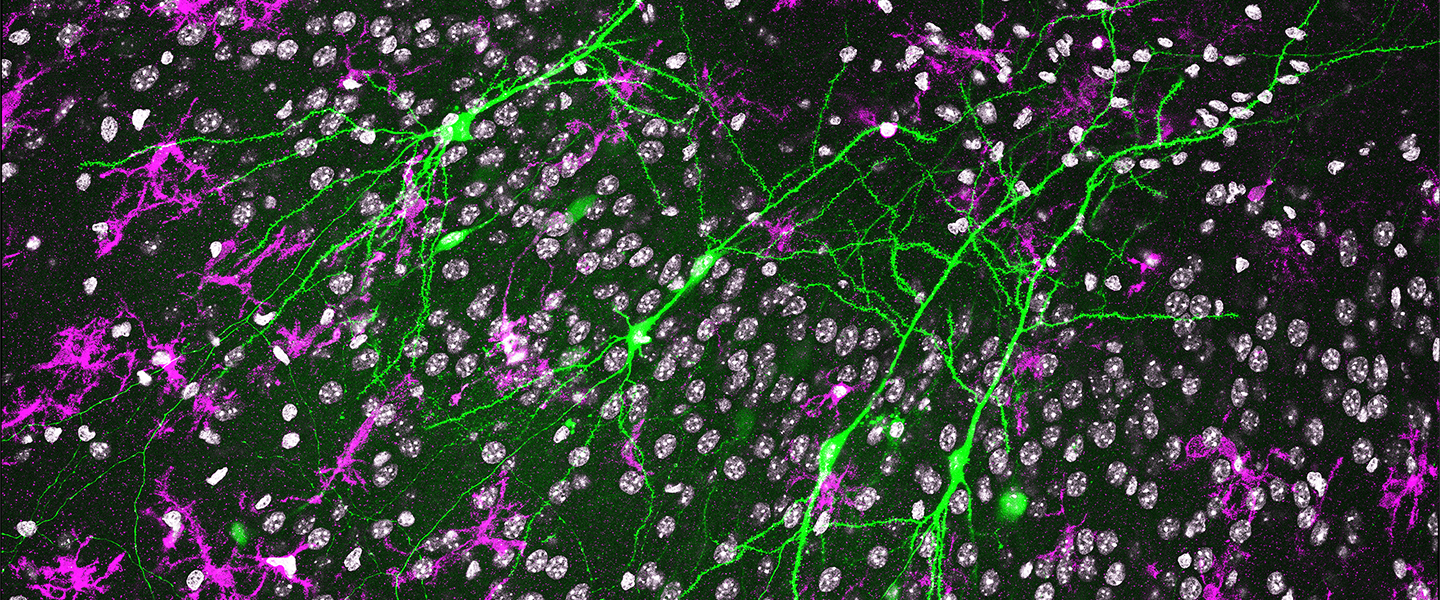
The central nervous system consists of different cell types, including neurons, microglia, astrocytes and oligodendrocytes, which are in constant communication with each other. This interaction is a prerequisite for normal brain function, and the functional state of the cells is very precisely regulated. If these interactions are disrupted by endogenous factors (e.g. metabolic stress, degeneration) or external influences (e.g. infections, injuries, sensory disturbances), neuroinflammation occurs. The inflammation of nerve tissue can trigger pathological network conditions, such as synaptic dysfunction and changes in membrane excitability, and thus contribute to the development of neurological or psychiatric symptoms. Our research questions therefore follow the hypothesis that neuroinflammation is a central disease-causing factor in many diseases.
Our mission is to identify novel therapeutic approaches targeting inflammation-induced disturbances of synaptic transmission, plasticity and membrane excitability.
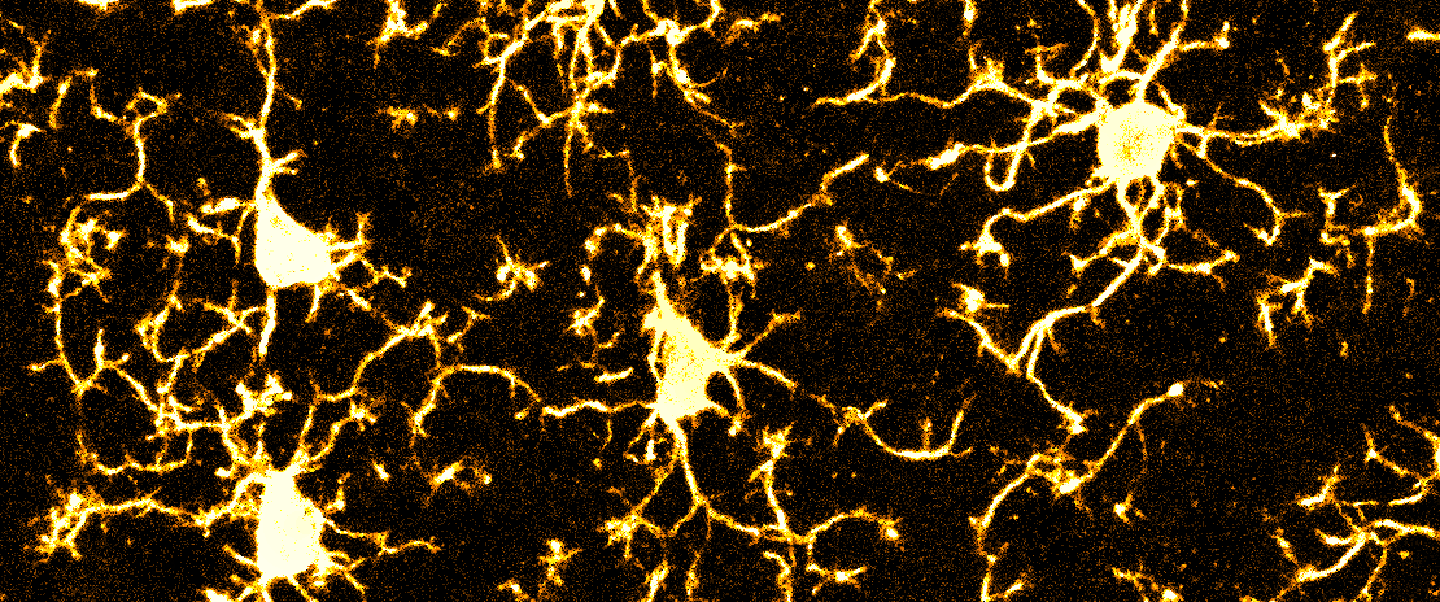
We investigate the role of neuro-immune interactions over short and long distances - from local changes in the central nervous system to brain-body interactions. A particular focus is on glial cells - especially microglia as the resident immune cells of the brain - and their role in shaping structural and functional properties of other cells in the brain. Glial cells are highly dynamic cells that interact with neurons both at rest and under inflammatory conditions via soluble factors and/or direct contact sites. In addition, we are interested in cellular signaling pathways in neurons that determine their sensitivity to inflammatory stimuli. Central topics of our research are:
- Glia-neuron interactions and their role in maintaining synaptic health and in mediating synaptic dysfunction during neuroinflammation of different origin.
- Synaptic resources - crucial for the adaptability of synapses at greater distance from the soma - as targets of neuroinflammation.
- The interplay of cytokines, glia and neurons in the transmission of peripheral changes to synapses.
- The vicious circle of inflammation and degeneration.
In all our research projects, we develop in vitro models ("Advanced Tissue Culture Models") that avoid exploratory experiments on living animals as far as possible and thus comply with the 3R principle.
Research focus / teams:
- Neuroinfection and immunity: Dr. med. Amelie Eichler(Eichler.Amelie@mh-hannover.de)
- Neurodegeneration: Dr. med. Pia Kruse(Kruse.Pia@mh-hannover.de)
- Neuronal stress: Dr. rer. nat. Fabian Gather(Gather.Fabian@mh-hannover.de)
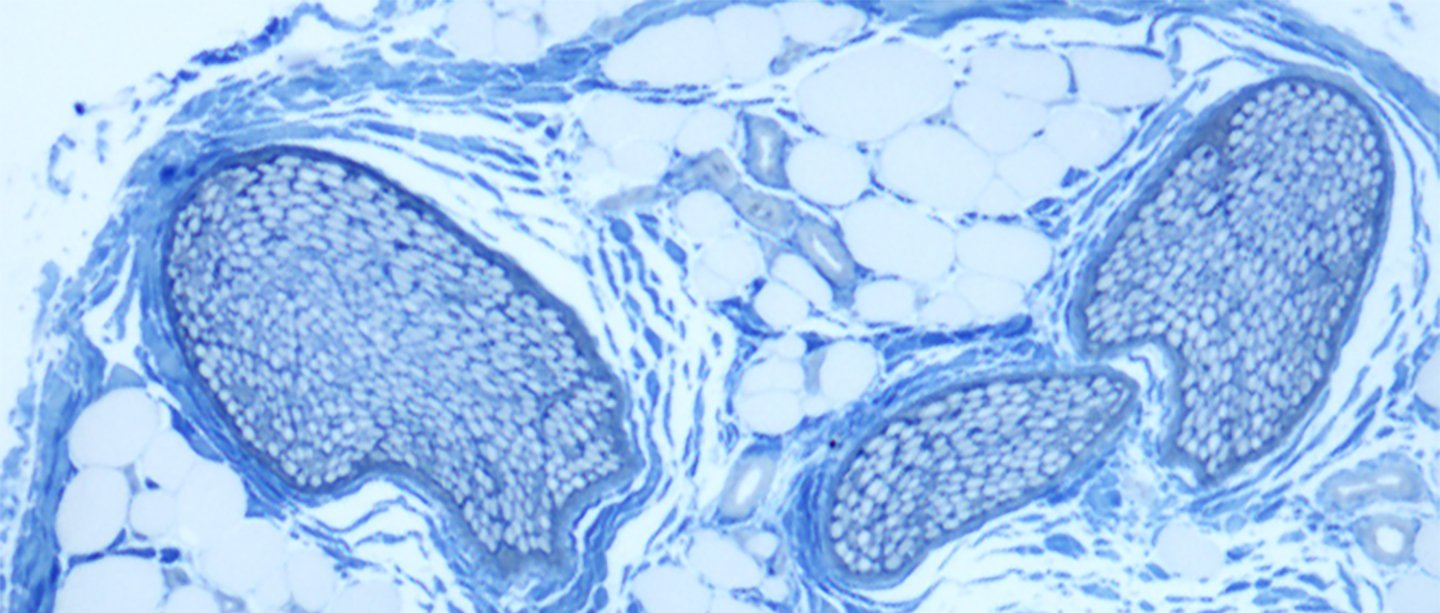
- Peripheral nerves: Prof. Dr. Dr. Kirsten Haastert-Talini(Haastert-Talini.Kirsten@mh-hannover.de)
Cooperation partners (alphabetical order):
- Dr. Marijana Basic (Gnotobiology Facility, Institute for Laboratory Animal Science, MHH)
- Prof. Dr. Nataliya Di Donato (Department of Human Genetics, MHH)
- Prof. Dr. Lars Dölken (Institute of Virology, MHH)
- Prof. Dr. Gisa Gerold (Institute of Virology, Innsbruck)
- Prof. Dr. Ulrich Kalinke (Twincore)
- Prof. Dr. Joachim Krauss (Department of Neurosurgery, MHH)
- Prof. Dr. Aiden Haghikia (Department of Neurology with Clinical Neurophysiology, MHH)
- Prof. Dr. Florian Heidel (Department of Hematology, Hemostasis, Oncology and Stem Cell Transplantation, MHH)
- Prof. Dr. Evgeni Ponimaskin (Institute of Neurophysiology, MHH)
- Prof. Dr. Franziska Richter Assencio (Department of Pharmacology, Toxicology, and Pharmacy, University of Veterinary Medicine Hannover)
- Prof. Dr. Giulia Ronchi (Department of Clinical and Biological Sciences, Neuroscience Institute Cavalieri Ottolenghi, Turin)
- Prof. Dr. Axel Schambach (Institute of Experimental Hematology, MHH)
- Prof. Dr. Kerstin Schwabe (Department of Neurosurgery, MHH)
- Prof. Dr. Meike Stiesch (Department of Prosthetic Dentistry and Biomedical Materials Science, MHH)
- PD Dr. Bettina Wiegmann (Lower Saxony Center for Biomedical Engineering, Implant Research and Development, NIFE)
Experimental methods:
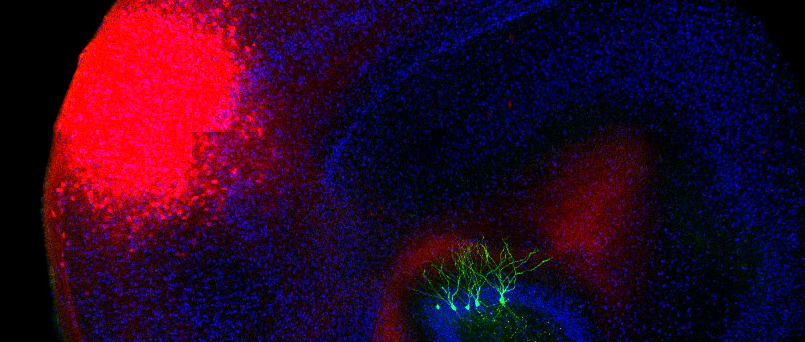
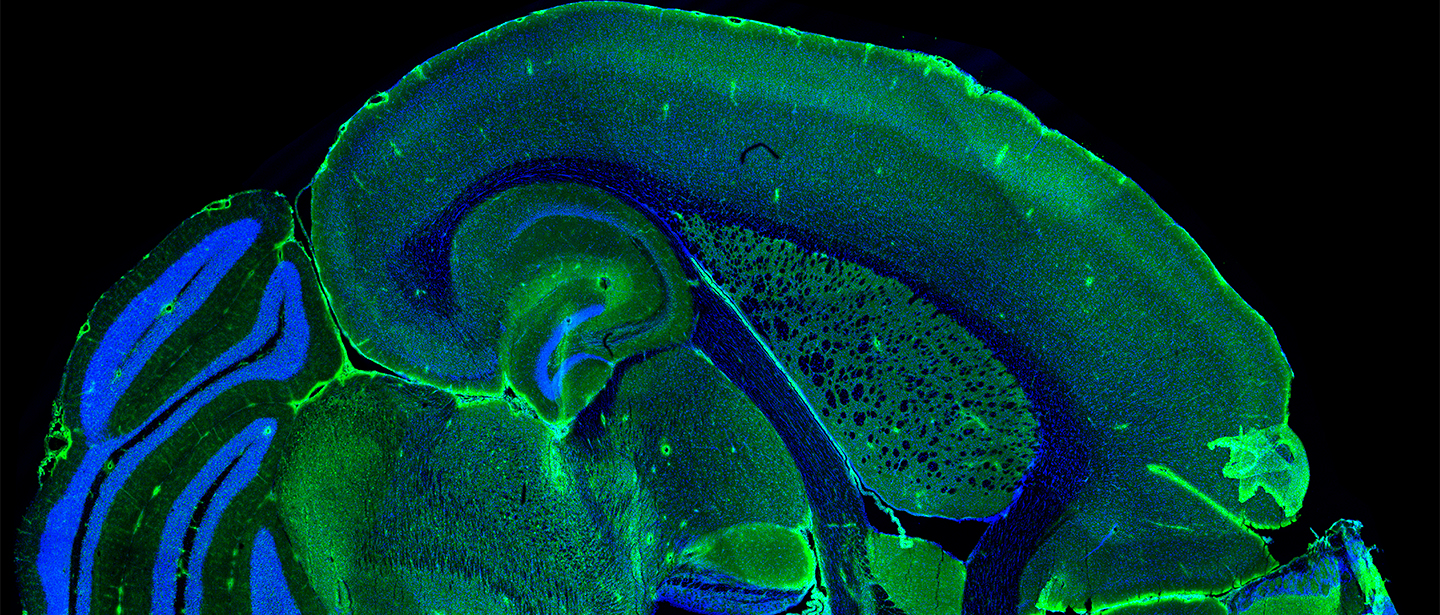
- Organotypic brain tissue cultures
- Whole-cell patch-clamp derivations on single cells
- High-resolution confocal microscopy, analysis of synaptic microarchitecture
- Electron Microscopy
- Cytokine profile analysis
- Single nucleus sequencing
- CRISPR/Cas-based gene editing
We are convinced of the special innovative power of cooperative research.
If you are interested in a collaboration, please contact Prof. Dr. Dr. Maximilian Lenz.