Prof. Dr. Karin Weißenborn is the new Ombudsperson at the MHH and succeeds Prof. Dr. Thomas Werfel.
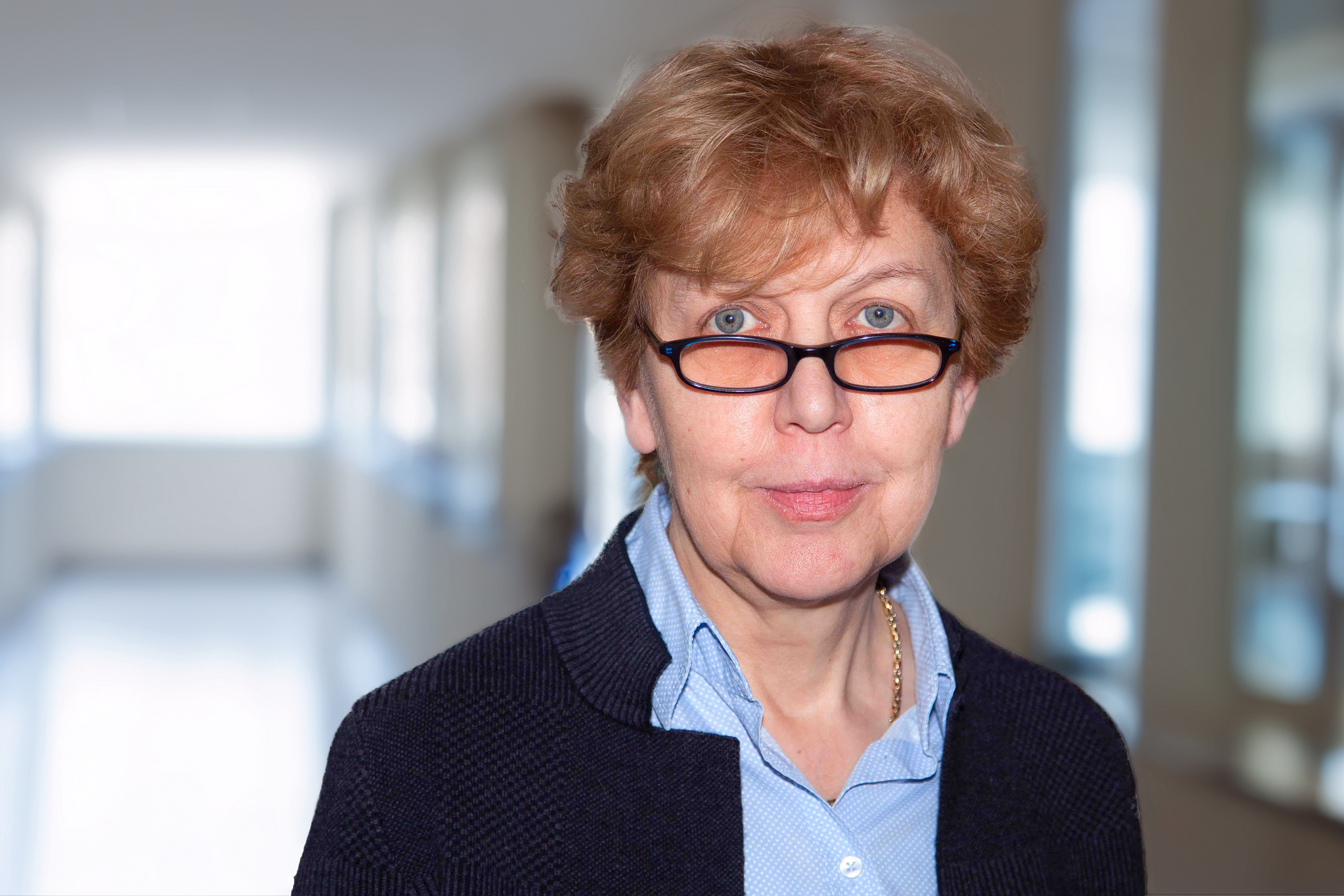
Contact point for conflicts between researchers: Ombudsperson Prof. Dr. Karin Weißenborn. Copyright: Karin Kaiser/MHH
Prof. Dr. Karin Weißenborn is the new Ombudsperson at the MHH. In October 2025, the senior physician at the Clinical Department of Neurology with Clinical Neurophysiology took over the office from her predecessor Prof. Dr. Thomas Werfel, Director of the Clinical Department of Dermatology and Allergy. He held the position for twelve years and is now taking on the role of deputy. "I think it's wonderful to be able to draw on his many years of experience," says Professor Weißenborn. She also receives support from the MHH Ombuds Office. As a contact office, it arranges appointments and, together with the Ombudsperson, carries out a preliminary assessment to determine whether a report of scientific misconduct is actually plausible. The neurologist greatly appreciates this advice and help
Neutral and objective contact person
The ombudsman's office is the basis for safeguarding honest scientific work. It promotes the fair resolution of conflicts of interest and is intended to clarify or at best prevent unfair work in research. This is because not everyone adheres to the existing rules of good scientific practice (GWP). Time and again, conflicts arise due to hierarchical structures, competition or abuse of power - data is falsified or deleted, authorship in scientific publications is withheld or ideas are stolen. "It's helpful to have an institution that supports those affected and provides them with a neutral and objective point of contact," says the ombudswoman.
Professor Weißenborn is committed to standing up for the university and young academics. And she has been doing so for years. She was a member of the MHH Senate for many years, helped launch the KlinStrucMed doctoral college for structured clinical doctoral training and is involved in the PRACTIS career development program. But above all, her heart belongs to research, for which she has more time since she no longer works in the Clinical Department. Her main areas of focus are strokes and metabolic encephalopathies, i.e. acute or chronic functional disorders of the brain that can be caused by metabolic disorders or organ failure. In addition, she now devotes most of her time to her post-COVID projects." And because her area of responsibility has become smaller since she retired from patient care, she now also has an open ear for the concerns, needs and problems of researchers at the MHH. One message is particularly important to her: "As Ombudsperson, I make every effort to resolve conflicts neutrally, objectively and in a solution-oriented manner, and I hope for the support of the respective parties to the conflict.
Box Ombudsperson system at the MHH:
The Ombudsperson at MHH mediates in scientific conflicts and accepts reports of suspected scientific misconduct. If this does not lead to a solution, the Ombudsperson recommends to the President that the "Commission for Good Scientific Practice" be tasked with further processing of the case. It consists of four members elected by the sections and a legal expert. Contact and appointments are made via the Ombuds Office. In the event of suspected bias on the part of the Ombudsperson, a whistleblower can also contact the Deputy Ombudsperson (Prof. Dr. Thomas Werfel) or the supra-regional Ombuds Committee for Academic Integrity in Germany (OWID).
Text: Kirsten Pötzke