EMBRACE-ME
End-of-life care during the pandemic: Experiences of family members and their psychological stress with a focus on migration backgrounds
Detailed information in different languages
EMBRACE-ME (easy language) EMBRACE-ME (English)
End-of-life care during the pandemic: Experiences of significant others and their psychological burden with a focus on people with migration background
EMBRACE-ME (Français)Les soins de fin de vie pendant la pandémie : le vécu par les proches et leur détresse psychologique, notamment auprès de la population issue de la migration
EMBRACE-ME العربيةالرعاية في نهاية الحياة أثناء الجائحة: تجارب الأهل والمعارف والضغوط النفسية التي يتعرضون لها مع التركيز على أصحاب الأصول المهاجرة
EMBRACE-ME (Polski)Opieka u schyłku życia podczas pandemii: Doświadczenie krewnych i bliskich oraz ich obciążenie psychiczne w kontekście migracji
EMBRACE-ME (Türkçe)Pandemide hayatının son evresinde olanlara bakım: aile fertleri ve yakınların deneyimleri ve taşımak zorunda kaldıkları zorlayıcı psikolojik yükler, göçmen odaklı yaklaşım
EMBRACE-ME (Русский)Уход в последние дни жизни во время пандемии: опыт родственников и других причастных лиц и их психологическая нагрузка с фокусом на миграционные особенности

Background
The SARS-CoV-2 pandemic has had a significant impact on the support and care of dying patients by their relatives. Little research has been done into the long-term consequences of experiencing death under pandemic conditions for relatives and loved ones and the extent to which there are connections between this experience and anxiety, depression and complicated grief. Restrictions on end-of-life care, funerals and private support options could make the grieving process more difficult. In many areas, people with a migration background have been particularly affected by the pandemic. It is unclear whether this also applies to end-of-life and post-mortem care.
Aims
The aim of the project is to record the health care of people at the end of life during the SARS-CoV-2 pandemic from the perspective of relatives and loved ones and to identify connections to anxiety, depression and complicated grief among them. People with a migration background will be given special consideration.
The focus is on the following questions:
- How did relatives and friends experience the last days of patients' lives during the pandemic?
- How did relatives and loved ones experience their grieving process during the pandemic? What connections are perceived between the experience of the last days of life and the individual grieving process?
- To what extent are there differences in the comparison of relatives of patients with and without a migration background?
Methods
The explorative qualitative study collects qualitative data by means of guided interviews with 25-30 bereaved relatives with and without a migration background. The interview data enables both a broad and in-depth understanding of the topic of the effects of the SARS-CoV-2 pandemic on the experience of end-of-life care and on the grieving process of relatives and loved ones.
Relevance of the expected results
The qualitative analysis can be used to identify restrictions in hospice and palliative care associated with the pandemic and their effects on the grieving process by collecting the experiences of relatives and loved ones. The qualitative research approach makes it possible to use open interviews to explore what support can be helpful at the end of life and as support in the grieving process in order to meet the challenges of a pandemic. The results of the study will be discussed in workshops with the members of the network consisting of caregivers, relatives and members from migrant communities and organizations for a further project proposal.

Funding
The project is funded by the COVID-19 Research Network Lower Saxony (COFONI) in the research field "Health services research with regard to the long-term consequences of the pandemic" (funding code 10LZF23). The funding period runs from 01.01.2024 to 31.08.2025.
Publications
Bonin M, Hüttenrauch D, Herbst FA, Jansky M, Stiel S, Banse C. Dying under pandemic conditions: Late effects in relatives. Nursing relatives 2024. www. angehoerige-pflegen.de/sterben-unter-pandemie-bedingungen-spaetfolgen-bei-angehoerigen
Consortium partners
EMBRACE-ME is a consortium project led by the Clinical Department of Palliative Medicine at the University Medical Center Göttingen.
EMBRACE-ME project team at the Institute ofGeneral Medicine and Palliative Medicine
- PD Dr. Franziska Herbst (project leader)
- Prof. Dr. Dr. Stephanie Stiel (deputy project manager)
- Maria Bonin, M. Sc. (research assistant)
Address
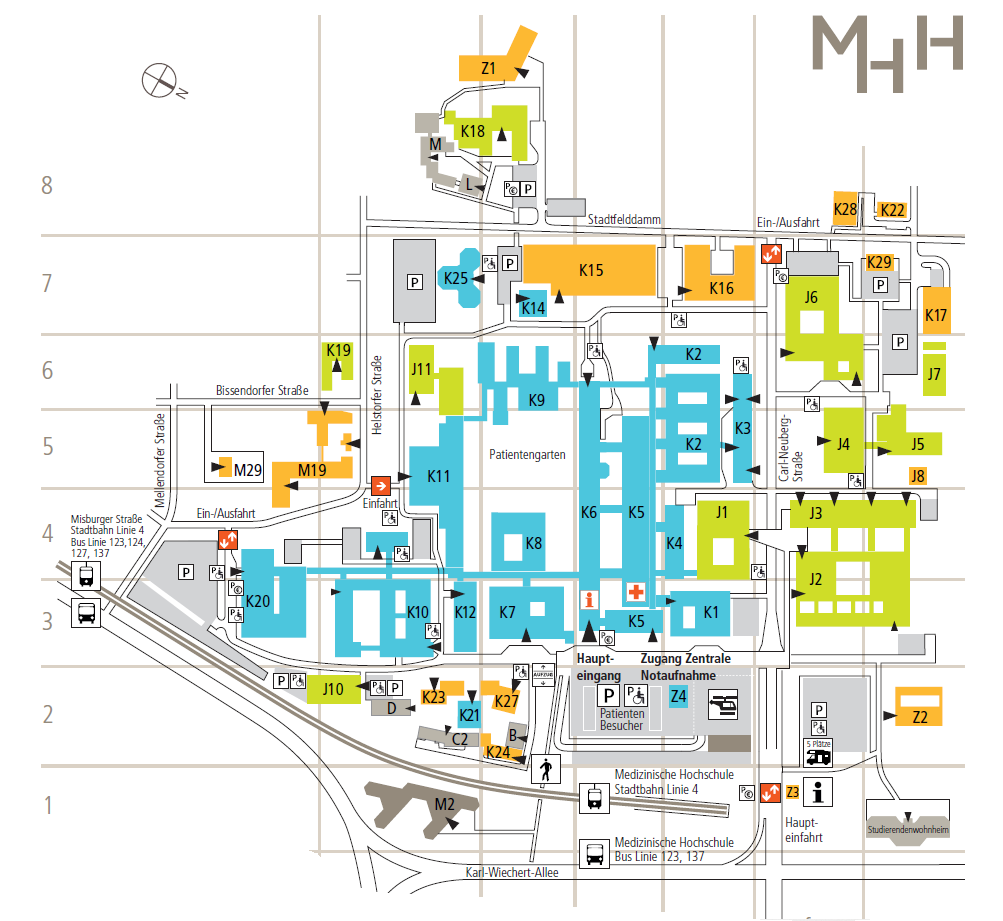
Hannover Medical School
Institute ofGeneral Medicine and Palliative Medicine
Carl-Neuberg-Straße 1
30625 Hanover