Complementary medicine: "It is particularly important to me to encourage others affected"
A commentary by patient representative Silke Schwethelm on the opening of the Klaus Bahlsen Center for Integrative Oncology
Status: 21.10.2022
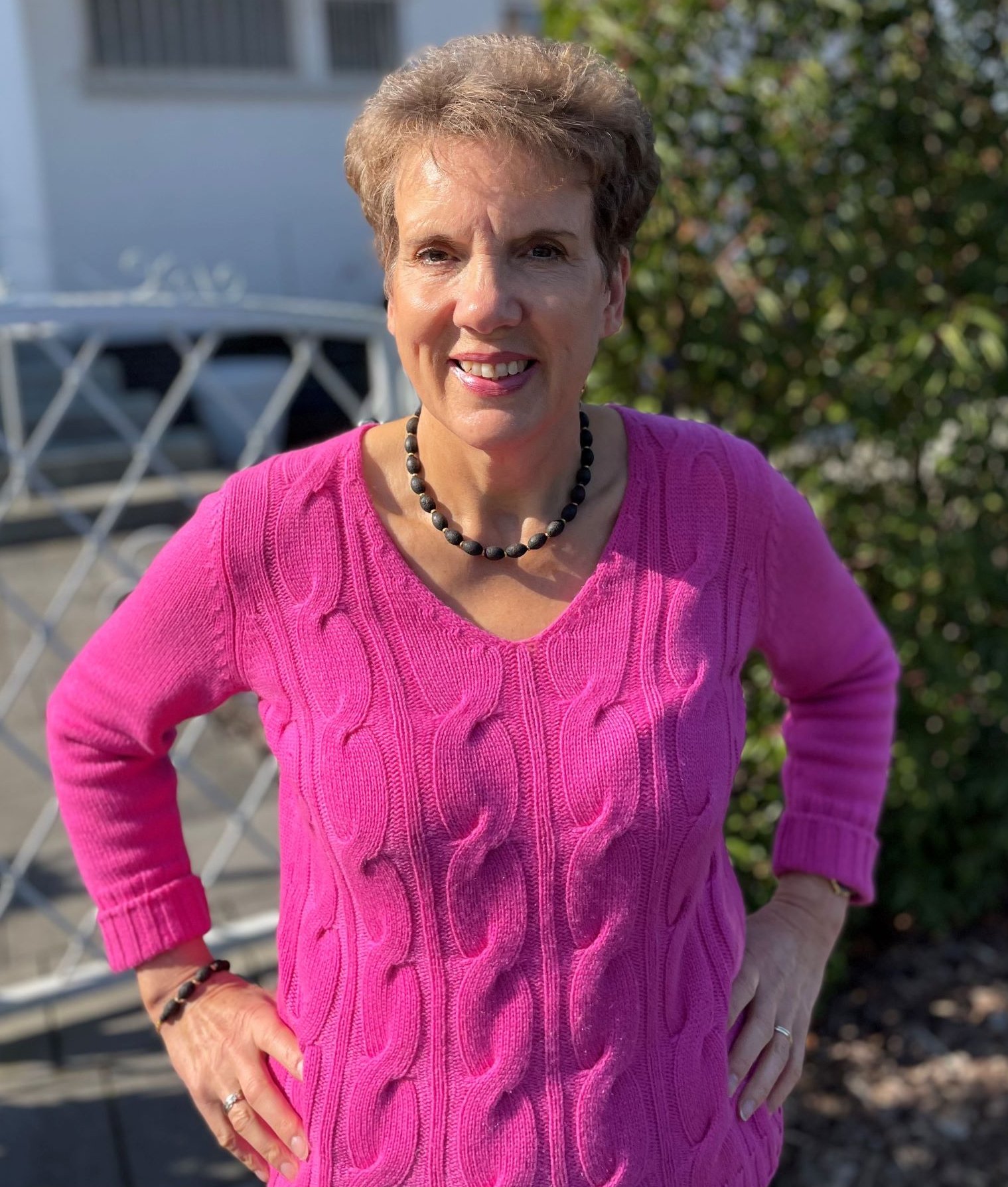
"As a patient representative of the Comprehensive Cancer Center (CCC) at Hannover Medical School (MHH), I am very pleased about the opening of the Klaus Bahlsen Center for Integrative Oncology. It is particularly important to me to encourage other patients to open up to complementary medical methods in addition to conventional medical treatment. Why?
I was diagnosed with breast cancer in 2009, followed by early-stage melanoma in 2021. I have been running a breast cancer support group in Hanover since 2012. I know from experience that many of us cancer patients want to use naturopathic or complementary medicine methods alongside conventional medical treatment in order to counteract the stressful cancer therapies and strengthen our own resistance. The aim is to alleviate side effects and late effects of treatment, to maintain quality of life despite cancer or to regain it as best as possible. In this difficult life situation, you want to regain some control of your life, as this is often lost somewhat as a result of cancer treatment.
However, it is important to me to sensitize those affected to the fact that not all offers that can be found "out there" are reputable. But how do we cancer patients find out which complementary methods are useful, what can be used and what should be avoided?
Some physicians have undergone further training on the subject of complementary and adjuvant methods and can provide interested parties with professional and good advice. The new S3 guideline "Complementary medicine in the treatment of oncological patients" offers both physicians and patients guidance on the use of various procedures. This is important, as there are also practitioners who offer methods that promise effective cancer treatment in a gentle way, for example, and thus want to replace conventional cancer therapy. Or they even suggest that EVERYONE can be cured - with (dubious) methods - which of course you then have to pay for yourself. Various naturopathic recommendations are also given: Some have been proven to be effective in studies, but there are also those that have no benefit or are even harmful.
It is not always easy to recognize and distinguish between the sensible and the dubious. That's why I see the Klaus Bahlsen Center for Integrative Oncology as a valuable asset. Even more: as a reliable point of contact. As patients, we have the opportunity to receive comprehensive naturopathic care and treatment there. Here we can be sure that we will be offered reputable procedures - taking our individual situation into account.
Thanks to the generous support of the Rut and Klaus Bahlsen Foundation, for which I can only express my sincere thanks, the range of treatment and consultation options is constantly being expanded. Everything starts with a consultation. During this consultation, the patient's wishes and health problems are asked and appropriate recommendations for further treatment are made. In addition to sports medicine advice and support, patients can join a walking group that meets for an hour every month. Patients and their relatives have the opportunity to take advantage of psycho-oncological counseling. The same applies to palliative medical care. Nutritional advice is available at the center to help with questions relating to nutrition. Complementary care measures such as rhythmic embrocation help with nerve damage caused by chemotherapy. Mindfulness courses for relaxation have been offered for several years, as has a naturopathic group program: "Strengthen your self-healing powers". In a total of 10 one-day seminars, supportive therapy options (such as dance and art therapy, yoga, relaxation, Feldenkrais and aroma care) are presented and tried out. There are lectures on homeopathy, nutrition and dietary supplements, to name but a few. Meditation and morning exercise enrich all sessions. Group discussions highlight ways in which thoughts and behaviors can be changed to reduce stress and thus improve quality of life.
In 2019, I had my first opportunity to get a taste of the concept and idea of integrative oncology at the MHH. I took part in the 10-day group seminar and can recommend it to anyone who is interested in naturopathy in oncology and wants to improve their health situation. Of course, you don't have to like laughter yoga and dance therapy. But there is something for everyone that will help you on your journey after or with cancer.
If you, as a person affected by cancer, are now wondering whether such supportive offers are right for you alongside conventional therapy, my advice is: try it out. I know from experience that most patients are enthusiastic.
I would like to take this opportunity to thank all the staff at the Klaus Bahlsen Center and express my appreciation for their commitment. Especially Professor Steinmann, the head of the center, who has been involved in naturopathy in oncology for many years and continues to train. In addition to her work as a radiotherapist, she is constantly expanding the naturopathic services at the MHH for those affected."
Silke Schwethelm
Patient representative at the Comprehensive Cancer Center (CCC) Hannover
Further information at www.mhh.de/klaus-bahlsen-zentrum